
Plant-Derived Sweetness
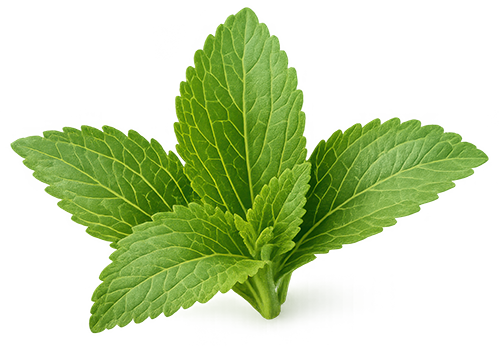
Stevia is a common name for the zero-calorie sweetener that is derived from the stevia plant. Like all low- and no-calorie sweeteners, stevia may be used to replace sugar and reduce calories in foods and beverages while maintaining sweetness in products that consumers expect. It is used in a variety of products, including sports nutrition beverages and bars, dairy products, sauces and dressings, soft drinks, teas, ready-to-drink coffees, baked goods, and confectionery items. It is also commonly used as a tabletop sweetener.
Stevia is approximately 200-300 times sweeter than sugar, meaning only a small amount is needed to provide sweet taste.
Benefits of Stevia
Zero-Calorie Sweetness
As a sugar substitute with zero calories, stevia sweeteners can help reduce or replace calories in foods and beverages and offer low- and no-calorie alternatives for people looking to manage body weight. Consuming beverages and foods with stevia sweeteners as part of a healthy diet and lifestyle, including regular physical activity, can assist with weight loss and management.
Does Not Affect Blood Sugar
Research has shown that stevia sweeteners do not affect blood glucose levels or interfere with insulin.
Versatile Sugar Substitute
Stevia sweeteners provide an excellent alternative for sugar when sweetening foods such as cereal, yogurt, and fruit. Some recipes allow for cooking and baking; however, appropriate usage levels vary according to the stevia sweetener that is used. For best results, follow the directions as outlined by the manufacturer.
Facts About Stevia
Origin
Stevia is a plant of the Chrysanthemum family, and its leaves have been used as a sweetener in South America for hundreds of years. Extracts from the stevia leaf have been available as dietary supplements in the U.S. since the mid-1990s, and stevia sweeteners have been permitted for use in foods since 2008.
Safety
Studies clearly support the safety of stevia sweeteners. Further, clinical studies show that steviol glycosides, meeting purity criteria established by the Joint Food and Agriculture Organization (FAO)/World Health Organization (WHO) Expert Committee on Food Additives (JECFA), have no effect on either blood pressure or blood glucose response, indicating stevia sweeteners are safe for use by individuals living with diabetes.
Recent studies, including human studies on safety, metabolism and intake, support the safety of stevia sweeteners. JECFA has conducted a thorough scientific review of the existing scientific data on steviol glycosides and concluded that they are safe for use in food and beverages.
Based on the wealth of published research, independent scientific experts in both the U.S. and globally, including the Food and Drug Administration (FDA), have concluded that stevia sweeteners are safe for people of all ages and populations and an Acceptable Daily Intake (ADI) of 4 mg/kg body weight (expressed as steviol) has been established. The estimated intake of steviol glycosides even among the highest consumers does not exceed the ADI.
Studies have shown that stevia has no negative effect on cardiovascular risk factors, such as glycemic response, HbA1C, fasting glucose, or serum insulin. A meta-analysis also indicated a small reduction in blood pressure with stevia consumption.
Regulatory Status
In December 2008, in response to Generally Recognized As Safe (GRAS) notifications submitted to the FDA, the Agency stated it has no questions regarding the conclusion of expert panels that Rebaudioside A is GRAS for use as a general purpose sweetener in foods and beverages, excluding meat and poultry. FDA has recognized several high-purity steviol glycosides as Generally Recognized as Safe (GRAS), including Rebaudioside M (Reb M), reflecting ongoing innovation in sweetener technology and expanding the range of stevia-based solutions available for food and beverage applications.
Explore More
- Science
- Science
- Science
- Science