
Allulose is a Naturally Occurring Sweetener
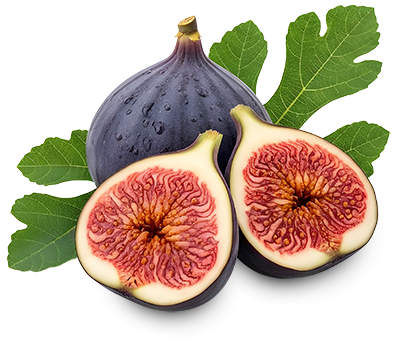
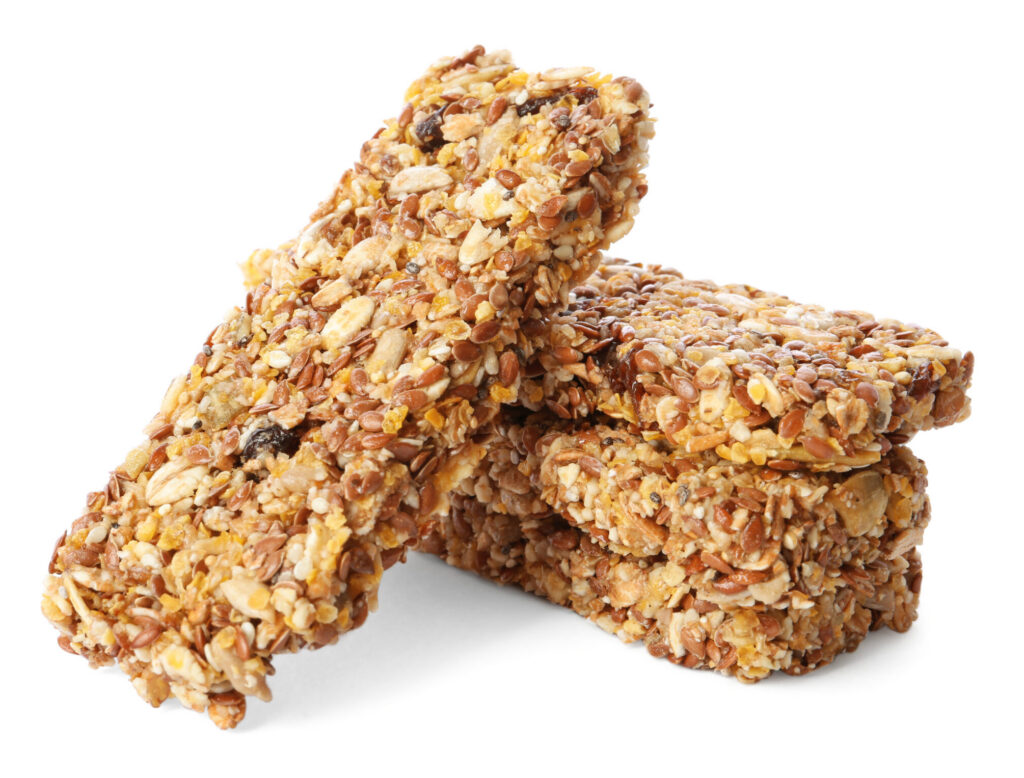
Allulose is a naturally occurring sweetener found at low levels in figs, raisins, wheat, maple syrup, and molasses. It’s low-calorie but with the same clean, sweet taste you expect from sugar. A monosaccharide, or simple sugar, allulose is absorbed by the body, but not metabolized, so it is nearly calorie-free. Allulose is often referred to as a “rare sugar” due to its discovery in small quantities in nature. Allulose is added to a wide range of foods such as syrups, cereals, snack bars, ice cream, candy, sodas and baked goods.
Benefits of Allulose
Tastes Like Sugar
Allulose closely mimics the taste of table sugar without the bitter or chemical aftertaste sometimes associated with other sweeteners. Research shows consumers perceive the sweetness of allulose as highly comparable to sugar.
Significantly Fewer Calories Than Sugar
Despite delivering the same level of sweetness, allulose contains less than 10% of the calories of sugar.
Tooth-Friendly
Unlike sugar, allulose does not contribute to tooth decay.
No Impact on Blood Sugar
Allulose does not raise blood glucose or insulin levels, making it a suitable option for people managing diabetes.
Facts About Allulose
Origin
Allulose is one of many different sweeteners that exist in nature in very small quantities. It was initially identified from wheat and has since been found in certain fruits including jackfruit, figs, and raisins. Allulose is naturally present in small quantities in a variety of sweet foods like caramel sauce, maple syrup, and brown sugar.
Safety
Allulose is absorbed by the small intestine and excreted in the urine without being significantly metabolized. A study in 14 healthy adults consuming allulose at 5 to 20 grams reported urinary excretion of allulose at 66-79% and low microbial fermentability of allulose in the large intestine.
Regulatory Status
Allulose is Generally Recognized as Safe (GRAS) by the U.S. Food and Drug Administration (FDA) for use as a food ingredient and in conjunction with other sweeteners.
Explore More
- Science
- Science
- Science
- Science