
Naturally Occurring, Tastes Like Sugar
Erythritol is a naturally occurring compound, zero-calorie bulk sweetener that looks and tastes like sugar. It is classified as a polyol (sugar alcohol) and is widely used in reduced-calorie and sugar-free foods and beverages that support sugar reduction and weight management. Erythritol is also often used within the “keto” diet because it does not raise blood sugar or insulin levels.
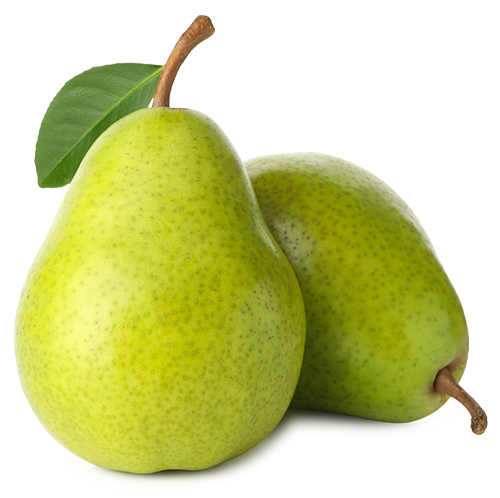
Erythritol occurs naturally in fruits such as pears, melons, and grapes, as well as in mushrooms and fermentation-derived foods including wine, soy sauce, and cheese. Since 1990, it has been commercially produced through fermentation and added to foods and beverages to provide sweetness while enhancing taste and texture. Erythritol is available in the U.S. and globally, and has been part of the human diet for thousands of years. It offers high digestive tolerance, is non-glycemic and suitable for people living with diabetes, does not promote tooth decay, and delivers excellent taste with zero calories.
Benefits of Erythritol
Zero Calorie Sweetness
Erythritol has zero calories per gram for food labeling purposes in the United States, Europe and Japan. This is based on erythritol’s unique absorption and elimination process which does not involve the metabolism . Thus, itis uniquely qualified as a zero-calorie bulk sweetener for formulating “reduced calorie” and “light” products which require a 25 percent or more calorie reduction from the standard formulation.
High Digestive Tolerance
Erythritol is rapidly absorbed in the small intestine, and studies have shown that it is not fermented by the human body. As a result, foods containing substantial amounts of erythritol are very unlikely to cause gaseous and laxation side effects. A recent clinical study concluded that daily consumption of one gram per kilogram body weight of erythritol in various foods and beverages over the course of a day is well tolerated by adults as compared to sucrose (sugar) containing foods.
Helpful for People with Diabetes
Clinical studies have demonstrated that erythritol does not affect blood serum glucose or insulin levels. Those conducted in people living with diabetes conclude that erythritol may be safely used to replace sugar in foods formulated specifically for this population.
Does Not Cause Tooth Decay
Erythritol, like other sugar alcohols or polyols, is resistant to metabolism by oral bacteria which break down sugars and starches to produce acids which may lead to tooth enamel loss and cavities. The usefulness of polyols, including erythritol, as alternatives to sugars and as part of a comprehensive program including proper dental hygiene has been recognized by the American Dental Association.
Facts About Erythritol
Origin
Since 1990, erythritol has been commercially made via fermentation and added to foods and beverages to provide sweetness, as well as enhance taste and texture. It occurs naturally in fruits such as pears, melons, and grapes, as well as foods such as mushrooms and fermentation-derived foods like wine, soy sauce, and cheese. Erythritol is available in the U.S. and globally.
Safety
The safety of erythritol as a food ingredient under conditions of its intended use is substantiated by a number of human and animal safety studies, including short- and long-term feeding, multi-generation reproduction, and teratology studies as referenced by Munro et. al 1998.
A study published in the Journal of Toxicology and Regulatory Policy found there is no reliable scientific evidence to conclude that erythritol causes adverse health outcomes in humans when used at exposure levels found in food and beverages.
Regulatory Status
The U.S. Food and Drug Administration (FDA) has reviewed the safety of erythritol and affirmed that it is Generally Recognized as Safe (GRAS).
The FDA has established an Acceptable Daily Intake (ADI) of .5mg/kg of body weight. An ADI represents the daily intake limit whereby a substance can be consumed each day with no safety concern.
Erythritol has been given the highest safety rating possible by the Joint Food and Agriculture Organization (FAO)/World Health Organization (WHO) Expert Committee on Food Additives (JECFA) since 1999. It has been approved for use in foods in more than 50 countries, including Canada, Brazil, Mexico, Australia, and the European Union.
Explore More
- Science
- Science
- Science
- Policy