
Made From Fruit
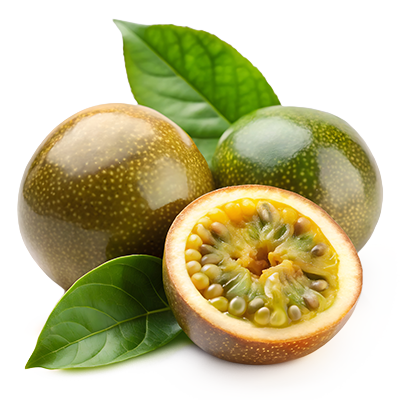
Monk fruit, also known as lo han guo, is a sub-tropical melon that has been cultivated in the remote mountains of southeast Asia for centuries. According to legend, monk fruit is named after the Buddhist monks who first cultivated the fruit nearly 800 years ago.
Monk fruit is extracted from fruit to create a zero-calorie sweetener that offers a great taste without the calories of sugar. It is about 200 times sweeter than sugar, and as such, only small amounts are needed in a product to achieve the same or similar levels of sweetness. It is often in baked goods, cereals, confections, dairy products, desserts, ice cream, dressings and sauces, and processed fruit.
Benefits of Monk Fruit
Zero-Calorie Sweetness
Monk fruit provides a delicious, sweet taste without the calories of sugar, making it a helpful option for those looking to reduce caloric intake.
Versatile in Foods and Beverages
Monk fruit sweeteners are versatile and can be used in a variety of foods and beverages, including soft drinks, juices, dairy items, desserts, candies, and condiments.
Suitable for Baking
Monk fruit sweeteners also hold up well under heat, making it suitable for baking. That said, replacing sugar with monk fruit may slightly alter the final result, since sugar contributes more than just sweetness, also impacting texture and volume. The extent of these differences will depend on the specific recipe.
Facts About Monk Fruit
Origin
Monk fruit is grown in the valleys and foothills of sub-tropical Asia. The fruit grows on vines and is about the size of an orange or large lemon.
Extracts from lo han guohave long been used by local populations in southern China to treat colds, sore throats, and minor stomach and intestinal complaints. Today, processors extract the natural sweetener from monk fruit by crushing the fruit and infusing it with hot water.
Safety
Monk fruit sweeteners are safe for everyone from children to pregnant and breastfeeding women. The results of numerous safety studies in animals and humans have shown that monk fruit is safe for its intended use in foods and beverages.
Scientific evidence supports monk fruit’s safety for use by the millions of consumers who seek to control their intake of carbohydrate-based sweeteners and calories.

Regulatory Status
The U.S. Food and Drug Administration (FDA) has reviewed the safety of monk fruit and affirmed that it is Generally Recognized as Safe (GRAS) for use in foods and beverages in 2010.
Explore More
- Science
- Science
- Science
- Policy