
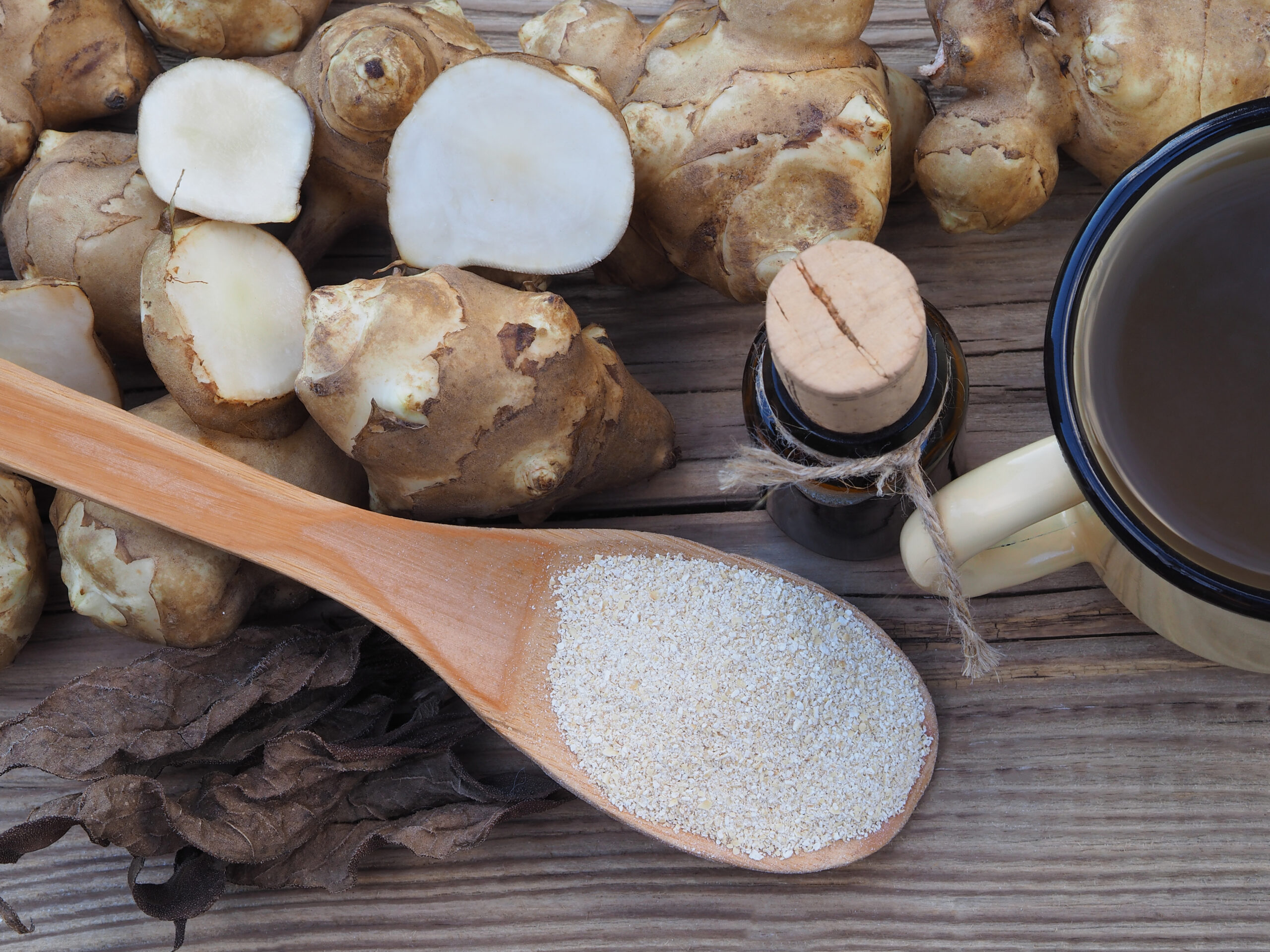
Study: Chicory-Derived Inulin Supports Gut Health
Study Summary
A 2022 systematic review and meta-analysis evaluated whether chicory-derived inulin-type fructans, a well-studied prebiotic dietary fiber, support gut health. Across 50 randomized controlled trials involving more than 2,500 participants, researchers found that consuming 3–20 grams per day significantly increased Bifidobacterium, a beneficial group of gut bacteria. Healthy participants also experienced improvements in bowel function.
Why It Matters
Most Americans do not consume enough dietary fiber. This review adds to the growing body of evidence showing that chicory-derived inulin can help increase beneficial gut bacteria and support digestive health as part of a balanced diet.
Key Findings
- 50 randomized controlled trials included.
- More than 2,500 participants from infants to older adults.
- Increased abundance of beneficial Bifidobacterium.
- Improved bowel function in healthy individuals.
- Supports the role of chicory-derived inulin as an effective prebiotic fiber.
Bottom Line
This systematic review found that chicory-derived inulin-type fructans consistently increased beneficial gut bacteria and supported healthy bowel function, reinforcing the role of prebiotic dietary fibers in digestive health.
Related Resources
Read the study.
Learn more about dietary fiber.