Study Finds Non-Nutritive Sweetened Beverages Perform Similar to Water for Weight Loss
Study Overview
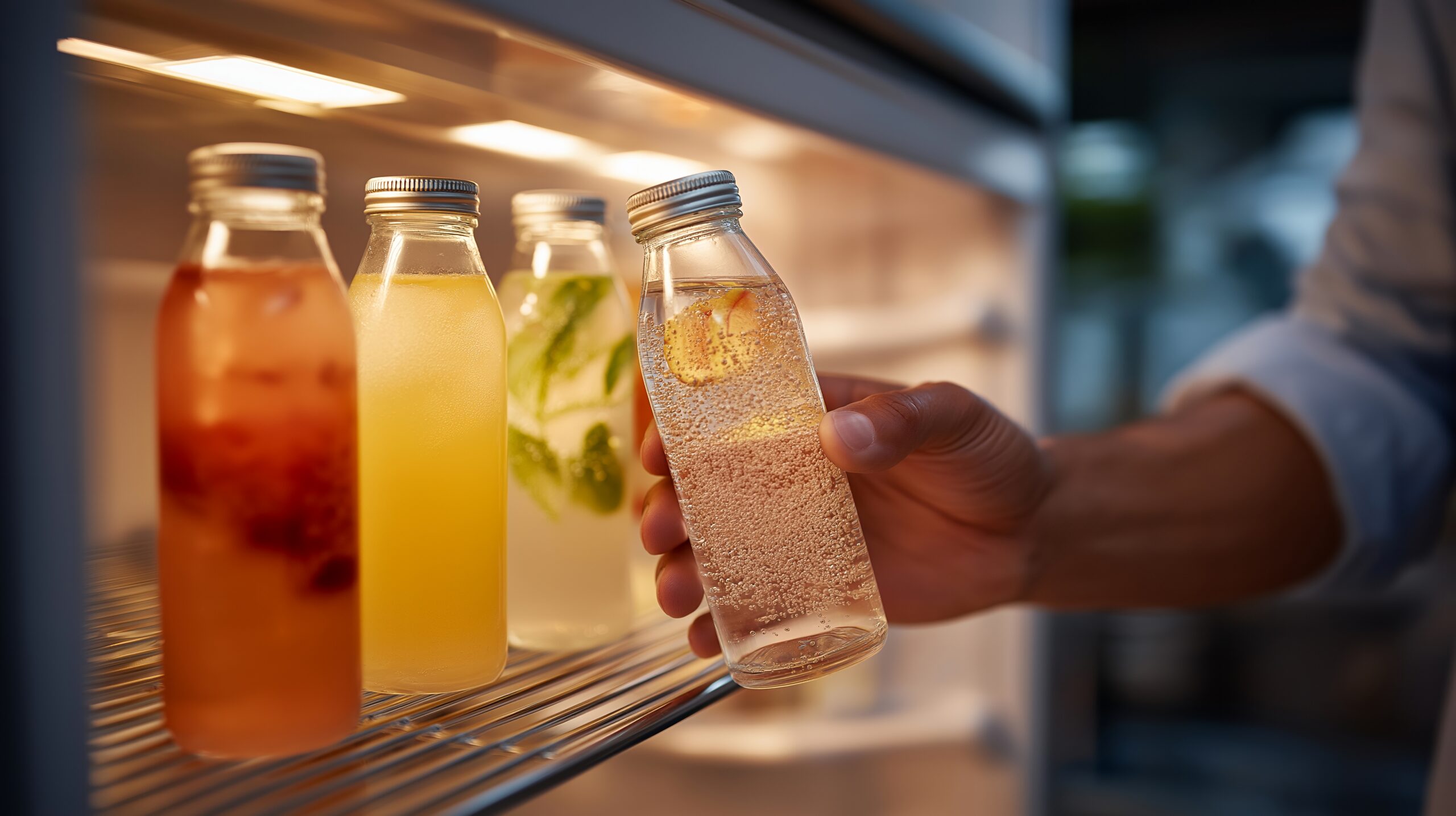
A recent study entitled “Effects of Non-Nutritive Sweetened Beverages Versus Water After a 12-Week Weight-Loss Program: A Randomized Controlled Trial”, published in the Obesity journal, reports that beverages with non-nutritive sweeteners (NNS) have similar effects as water on weight loss. The study reports data from the 12-week active weight-loss phase of the SWITCH trial, an ongoing, 2-year, parallel-group, open-label, controlled equivalence trial. Overweight and obese adults who regularly drank cold beverages were recruited from a 50-mile radius in and around the county of Merseyside, England and were randomized to consume either water or NNS beverages while undergoing a weekly 12-week group behavioral weight management program. While all participants could continue drinking sugar-sweetened beverages, those assigned to the water group were required to discontinue drinking NNS beverages.
Key Findings
The primary end point was change in body weight to week 12, while changes in waist and hip circumference, blood pressure, glycemic control markers, fasting lipid profiles, and liver function tests were noted as second end points. Other outcomes of interest included hunger, sugar and sweetener consumption, and activity levels. At week 12, the mean weight change from baseline was -5.6 kg with water versus -5.8 kg with NNS beverages and the difference between the study groups was not statistically significant. There were reductions in nearly all biomarkers assessed at week 12 in both groups. Hunger and sugar consumption were reduced in both groups at week 12, whereas sweetener consumption was only reduced with water. Activity levels had increased, and the differences between groups for each of these outcomes were not statistically significant.
What the Authors Concluded
Overall, the authors concluded that the results of this trial provide further evidence that NNS beverages have similar effects as water on weight loss, even in people who would not normally drink NNS beverages. They note, “These findings should therefore help reassure health care professionals that NNS beverages can be used during weight loss without deleterious effects.” As the full SWITCH trial is composed of three phases (i.e., a 12-week active weight-loss phase, a 40-week assisted maintenance phase, and a voluntary, unassisted 52-week maintenance extension phase), the next steps include the determination as to whether the use of NNS beverages affected the maintenance of this weight loss over the following 40 weeks of the trial.
Study Citation
Harrold JA, Hill S, Radu C, et al. Obesity (Silver Spring). 2023;31:1996–2008 DOI: 10.1002/oby.23796
Read more about sweeteners.