
Maltitol
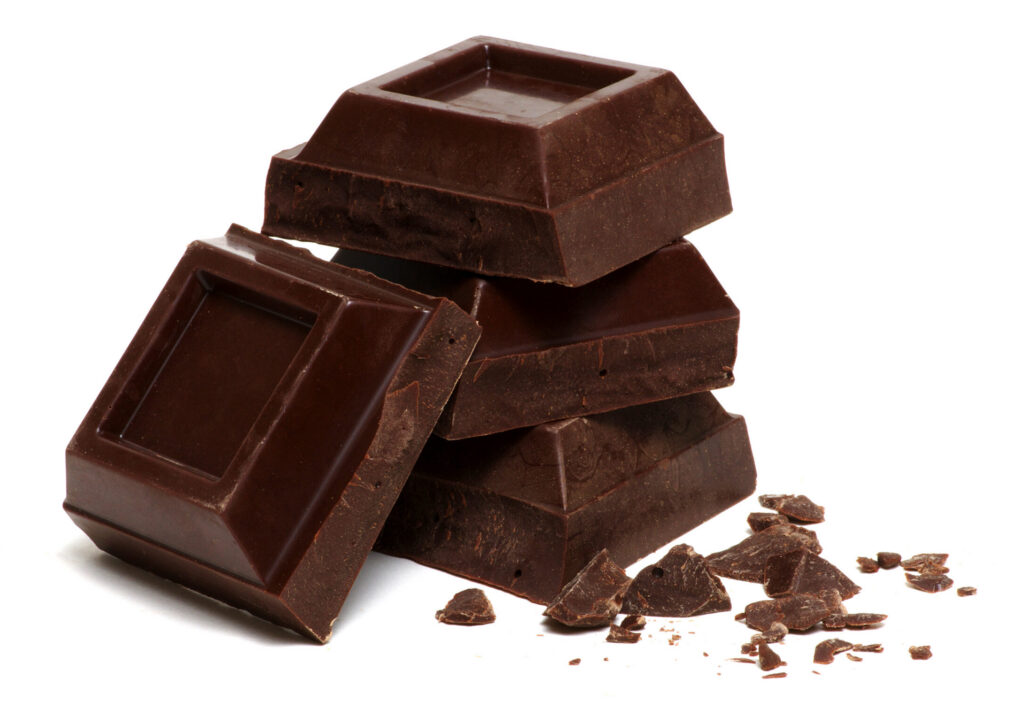
Maltitol is a type of carbohydrate that occur naturally in many fruits and vegetables. Maltitol is a bulk sweetener with a pleasant sweet taste, similar to sugar. Maltitol is about 90% as sweet as sugar and significantly reduced in calories. It is especially useful in the production of sweets, including sugarless hard candies, chewing gum, chocolates, baked goods and ice cream
Benefits of Maltitol
Lower Calorie Alternative
Absorption of maltitol by the human body is slow, allowing part of the ingested maltitol to reach the large intestine where metabolism yields fewer calories. Therefore, unlike sugar which contributes four calories per gram, the caloric contribution of maltitol is only 2.1 calories per gram.
Supports Oral Health
Maltitol, like other polyols, is resistant to metabolism by oral bacteria which break down sugars and starches to release acids that may lead to cavities or erode tooth enamel. Maltitol, therefore, is non-cariogenic.
Low Glycemic Response
Unlike table sugar, maltitol is digested more slowly and only partially absorbed by the body. As a result, it produces a lower blood glucose response and requires less insulin, making it a useful option for people looking to manage their sugar intake.
Benefits of Isomalt
Lower Calorie Alternative
Isomalt provides only 2 calories per gram, compared to 4 calories per gram for sugar.
Supports Oral Health
Isomalt does not promote tooth decay because oral bacteria cannot readily convert it into acids that damage tooth enamel.
Low Glycemic Response
Isomalt produces a very low blood glucose and insulin response and can be used in products designed to support lower glycemic diets.
Supports Gut Health
Research suggests isomalt may promote the growth of beneficial bacteria in the large intestine and functions similarly to dietary fiber in the digestive system.
Facts about Maltitol
Origin
Maltitol is a bulk sweetener coming from wheat and maize. This is a white, crystalline powder very similar to sucrose
Regulatory Status
Maltitol’s safety has been confirmed by health authorities around the world, including the World Health Organization (WHO), the European Union, and countries such as Australia and Canada. The U.S. Food and Drug Administration (FDA) also declares maltitol and maltitol syrups eligible for use.