
Mannitol
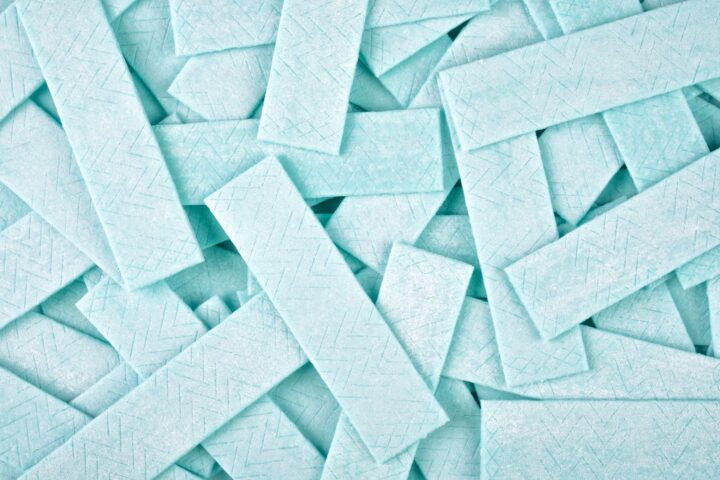
Mannitol is a low-calorie bulk sweetener used in foods, pharmaceuticals, and oral care products. Mannitol does not pick up moisture, so it is often used as a dusting powder for chewing gum to prevent the gum from sticking to manufacturing equipment and wrappers. Mannitol is also used in chocolate-flavored coating agents for ice cream and confections. It provides about 50% of the sweetness of sugar and delivers a mild cooling effect that can help mask bitter flavors. It is found in abundance in nature, particularly in exudates from trees, and in marine algae and fresh mushrooms.
Benefits of Mannitol
Beneficial to People with Diabetes
Mannitol is slowly absorbed, resulting in a lower impact on blood glucose and insulin levels compared to sugar
Supports Oral Health
Mannitol is not metabolized by oral bacteria that cause tooth decay, making it non-cariogenic and suitable for tooth-friendly products.
Lower in Calories
With about 1.6 calories per gram (compared to 4 for sugar), mannitol supports reduced-calorie product formulations.
Facts about Mannitol
Origin
Mannitol occurs naturally in a variety of sources, including plants, algae, and mushrooms.
Regulatory Status
The use of mannitol in food is broadly permitted by FDA food additive regulations (21 CFR 180.25). The Joint Food and Agriculture Organization/World Health Organization Expert Committee on Food Additives (JECFA) has reviewed the safety data and concluded that mannitol is safe. JECFA has allocated a temporary Acceptable Dietary Intake of 0-50mg/kg. Mannitol has monographs in the United States Pharmacopoeia/National Formulary (USP/NF), as well as the various pharmacopoeias around the world. Mannitol is included in the Food Chemical Codex (FCC).