This content is password-protected. To view it, please enter the password below. Password:
Read More
ATLANTA (January 13, 2013) — The newly updated 2005 Dietary Guidelines from the U.S. Department of Agriculture (USDA) and the Department of U.S. Health & Human Services (HHS) advise people to balance their calories and incorporate physical activity as two key strategies for weight control. The new guidelines note, "When it comes...
Read MoreFindings Promoted Despite Not Yet Being Presented or Published ATLANTA (January 9, 2013) — The abstract, "Sweetened beverages, coffee and tea in relation to depression among older US adults," is speculative, misleading and at this time, unsubstantiated. The study upon which the abstract is based has not yet been published or peer-reviewed....
Read More
ATLANTA (January 8, 2013) — The Calorie Control Council is pleased that the European Food Safety Authority (EFSA) today released a draft opinion report that reaffirms what scientists and healthcare professionals have known for years: aspartame is safe. In January 2013, following a comprehensive review of studies on aspartame and its metabolites, EFSA...
Read More ATLANTA (January 3, 2013) — The article "Effects of Fructose vs. Glucose on Regional Cerebral Blood Flow in Brain Regions Involved With Appetite and Reward Pathways"1 is of very little practical value. This study showed increases in the blood flow to some parts of the brains' of a small number...
Read More
A study published in Journal of Psychopharmacology found consuming fructose may result in comparable cognitive abilities as glucose without raising blood sugar levels as much as glucose. In a study entitled “Can you enhance executive control without glucose? The effects of fructose on problem solving”, authors Miller, Bourrasseau and Blampain...
Read MoreThe history of the Calorie Control Council editorial team includes staff certified in public health, food and nutrition. In addition, the team has included paid outside advisors:
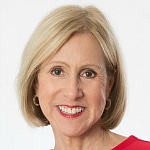 Neva Cochran, MS, RDN, LD is a registered dietitian nutritionist based in Dallas. She was a freelancer with Woman’s World magazine for 20 years and currently serves as a nutrition communications consultant to a variety of food and nutrition organizations. Neva is a paid editorial contributor for the Calorie Control Council. She is passionate about promoting fact-based food and nutrition information to help people enjoy nutritious eating. Follow her on Twitter @NevaRDLD and check out her blog at www.NevaCochranRD.com.
 Melissa Joy Dobbins, MS, RDN, CDE is a nationally recognized registered dietitian nutritionist with more than 20 years’ experience helping people enjoy their food with health in mind. Melissa is a certified diabetes educator, a former supermarket dietitian, and also a former national media spokesperson for the Academy of Nutrition and Dietetics. She was named Outstanding Dietitian of the Year in Illinois by the Academy of Nutrition and Dietetics and Outstanding Diabetes Educator of the Year in Chicago by the American Association of Diabetes Educators. Melissa is a former paid editorial contributor for the Calorie Control Council. Melissa is the CEO of Sound Bites, Inc. based in Chicago, Illinois, and you can connect with her on Twitter @MelissaJoyRD, Pinterest, Facebook, and check out her blog at SoundBitesRD.com.
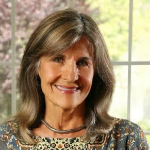 Robyn Flipse, MS, MA, RDN is a registered dietitian, cultural anthropologist and paid scientific advisor to the Calorie Control Council, whose 30+ year career includes maintaining a busy nutrition counseling practice, teaching food and nutrition courses at the university level, and authoring 2 popular diet books and numerous articles and blogs on health and fitness. Her ability to make sense out of confusing and sometimes controversial nutrition news has made her a frequent guest on major media outlets, including CNBC, FOX News and USA Today. Her passion is communicating practical nutrition information that empowers people to make the best food decisions they can in their everyday diets. Reach her on Twitter @EverydayRD and check out her blog The Everyday RD.
 Jen Haugen RD, LD is an award winning registered dietitian based in Austin, MN. She is currently writing her first book, focusing on growing healthier families through gardening and cooking together. She is also a media expert frequently appearing on ABC 6 News . In 2012, Jen was named Emerging Dietetic Leader in Minnesota by the Academy of Nutrition and Dietetics. Jen is a former paid editorial contributor for the Calorie Control Council. She continues to be a leader in her field with her supermarket and media expertise, garden program development and nutrition experience. Reach Jen on Twitter @JenHaugen and check out her blog JenHaugen.com.
 Jessica Fishman Levinson, MS, RDN, CDN is a registered dietitian nutritionist and the founder of Nutritioulicious, a nutrition consulting business in the New York area. She is an experienced nutrition writer, author and speaker and consults for food and beverage companies including the California Strawberry Commission, Fresh Express, Metamucil, and the Corn Refiners Association, though the ideas expressed are her own. Jessica is a former paid editorial contributor for the Calorie Control Council. She is also a contributing writer for Today’s Dietitian Magazine. Jessica is an active member of the Academy of Nutrition and Dietetics (AND) and various Dietetic Practice Groups of the AND, including Nutrition Entrepreneurs, Food and Culinary Professionals, and Dietitians in Business and Communications. Follow her out on Twitter @jlevinsonRD and check out her blog Nutritioulicious.
 Amber Pankonin MS, RD, CSP, LMNT is a registered dietitian and licensed medical nutrition therapist based in Lincoln, NE. She works as a nutrition communications consultant, freelance writer, food photographer, and adjunct professor at the University of Nebraska- Lincoln. Amber is a former paid editorial contributor for the Calorie Control Council. Amber shares her love for food and nutrition at Stirlist.com, an award winning website, focusing on healthy, easy recipes for the busy cook. Amber serves on several boards including the Nebraska Academy of Nutrition and Dietetics and the Nutrition Entrepreneurs Dietetic Practice Group, and also co-founded a group to motivate female entrepreneurs in her town. You can follow her on Twitter @RDamber, Instagram, Pinterest, or connect with her on Facebook.
 Keri Peterson, MD is a medical contributor and columnist for Women’s Health and a frequent guest on NBC’s Today, ABC’s Good Morning America, Fox News and CNN. Based in New York City, Dr. Peterson has been in private practice since 1999 and holds appointments at Lenox Hill Hospital and Mount Sinai Medical Center. With a BA from Cornell University and a Medical Degree from Mount Sinai School of Medicine, she completed post-graduate training in Internal Medicine at New York’s Mount Sinai Medical Center and is board certified in Internal Medicine. Dr. Peterson is a member of the American College of Physicians and the American Medical Association. Dr Peterson is a paid medical advisor for the Calorie Control Council.
 Carolyn Reynaud, MS, RD, LD is a licensed registered dietitian. She received her BS in nutrition from Michigan State University and her Masters and Certificate in Public Health from Georgia State University. She has experience working in several avenues of health care including corporate wellness, clinical disease management, research, and health promotion. Carolyn is a former paid editorial contributor for the Calorie Control Council. She has been working as a health coach specialist for close to 6 years, where she counsels patients on preventative healthcare and helps them meet their health goals. Follow her on Twitter @ReynaudCari.
 Rosanne Rust MS, RDN, LDN is a registered, licensed dietitian-nutritionist with over 25 years experience. Rosanne is a former paid editorial contributor for the Calorie Control Council. As a Nutrition Communications Consultant, she delivers clear messages helping you understand the science of nutrition so you can enjoy eating for better health. Rosanne provides weight management coaching at RealLivingNutrition.com and is the co-author of several books, including DASH Diet For Dummies® and the Calorie Counter Journal for Dummies®. A wife, and mother of 3 boys, she practices what she preaches, enjoying regular exercise, good food and festive entertaining. Follow her on Twitter @RustNutrition.
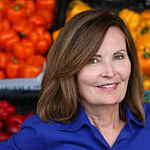 Ellen Stokes, MS, RD, LD is an award-winning video producer, director, and writer in addition to being a registered dietitian. Ellen writes and creates videos about nutrition education, food safety, menu planning, grocery shopping, and healthful cooking on a budget. Ellen is a former paid editorial contributor for the Calorie Control Council. Ellen has worked with organizations and companies including the Partnership for Food Safety Education, the University of Georgia Food Science Department, and Golden Cuisine. Ellen formerly worked for CNN as a writer and producer and has taught food safety online for Georgia State University and she teaches nutrition to fledgling chefs at the Art Institute of Atlanta. Check her out on Twitter @EllenS_RD.
 Jill Weisenberger, MS, RDN, CDE, FAND has worked as both a nutrition counselor and a diabetes educator in the hospital and research settings, and now in private practice in Newport News, VA. Jill is the author of Diabetes Weight Loss – Week by Week and two upcoming books, The Overworked Person’s Guide to Better Nutrition and 21 Things You Need to Know about Diabetes and Your Heart. She is a member of the Academy of Nutrition and Dietetics, the American Association of Diabetes Educators and the American Diabetes Association. Jill is a former paid editorial contributor for the Calorie Control Council. Follow Jill on Twitter @NutritionJill and find more at JillWeisenberger.com.