
Findings from the SWITCH Study A new study, “Non-Nutritive Sweetened Beverages Versus Water After a 52-week Weight Management Program: A Randomized Controlled Trial,” set out to compare the effects of non-nutritive sweetened (NNS) beverages and water on body weight. As part of the larger SWITCH study, the current study was published in the Obesity Journal, and reports...
Read More
The Calorie Control Council strongly supports and commends the European Food Safety Authority (EFSA)’s reaffirmation of the safety of sucralose, reflecting the conclusions of the most thorough and comprehensive safety assessment of the ingredient in the past 20 years. The review conducted by the EFSA Panel on Food Additives and...
Read More
Calorie Control Council Response to the 2025-2030 Dietary Guidelines The Dietary Guidelines for Americans (DGAs) are updated every five years to offer recommendations to promote healthy dietary habits throughout all stages of life. The 2025-2030 DGAs, released on January 7, 2026, prioritize whole, nutrient-dense foods—protein, dairy, vegetables, fruits, healthy fats,...
Read More
Proven Safety of Low and No-Calorie Sweeteners The world's most highly regarded global scientific and regulatory food agencies, including the Food & Drug Administration and The European Food Safety Authority maintain that low- and no-calorie sweeteners are safe for consumption. Resources on the benefits and proven safety of low- and...
Read More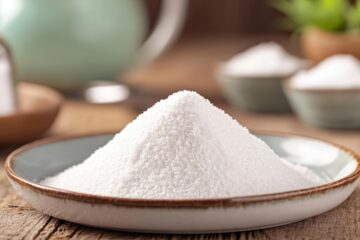
The Calorie Control Council supports the findings of the European Food Safety Authority (EFSA) on saccharin. The review conducted by the EFSA Panel on Food Additives and Flavourings on saccharin examined all available research on saccharin, considering both short-term and long-term effects. This review assessed the potential impact of saccharin...
Read More
A new study entitled, "Xylitol is prothrombotic and associated with cardiovascular risk", was recently published in the European Heart Journal. The investigators conducted four separate studies. They began with untargeted metabolomics analyses in a discovery cohort and report circulating levels of a polyol tentatively assigned as xylitol, were associated with...
Read More Do you have questions about low-calorie sweeteners? Want to learn more about maintaining a healthy lifestyle? You asked and we listened. Our resident Registered Dietitians answered the most popular questions about low-calorie sweeteners.