Cup-for-Cup Sweetness with Functional Benefits
Polyols are carbohydrates, but they are not sugars, making them sugar-free sweeteners. They are used cup-for-cup (volume-for-volume) in the same amount as sugar is used, unlike low-calorie sweeteners which are used in very small amounts. Because polyols have similar sweetness as sucrose, people can improve the healthfulness of their diets without having to sacrifice the pleasure of eating sweet foods they enjoy.
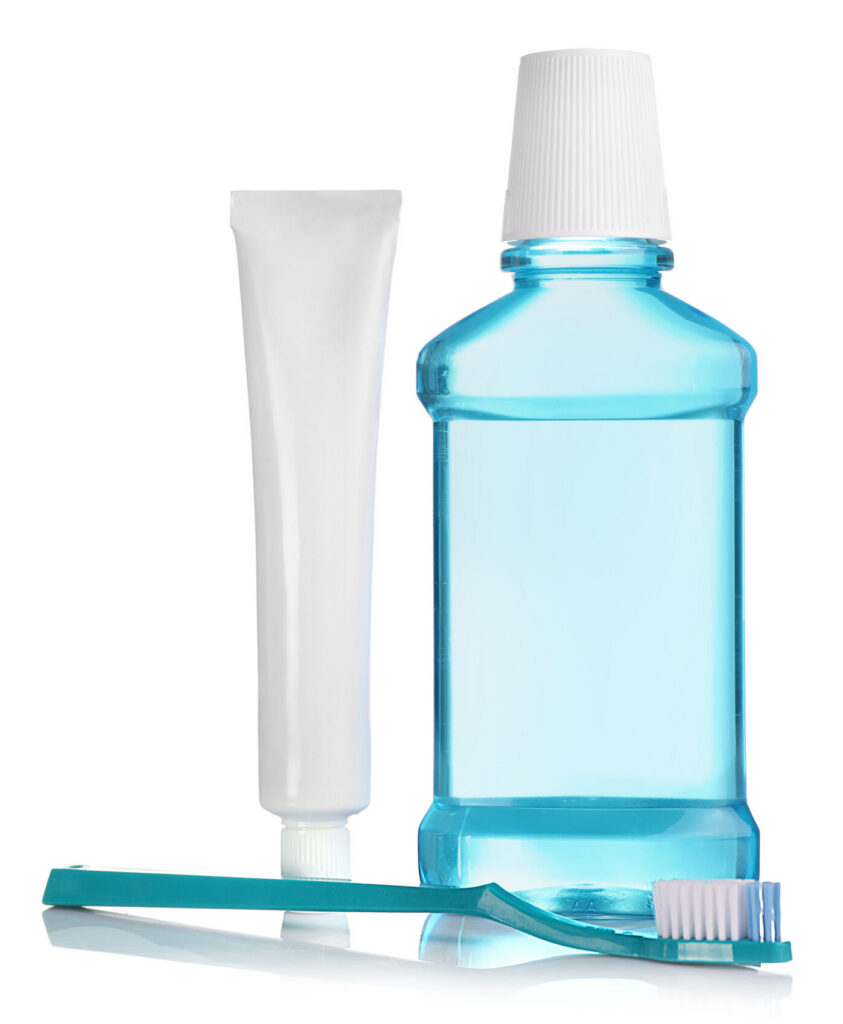
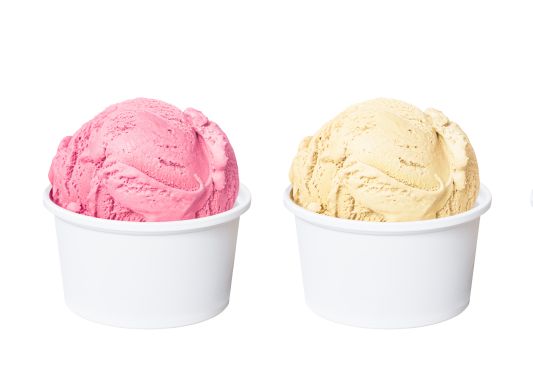
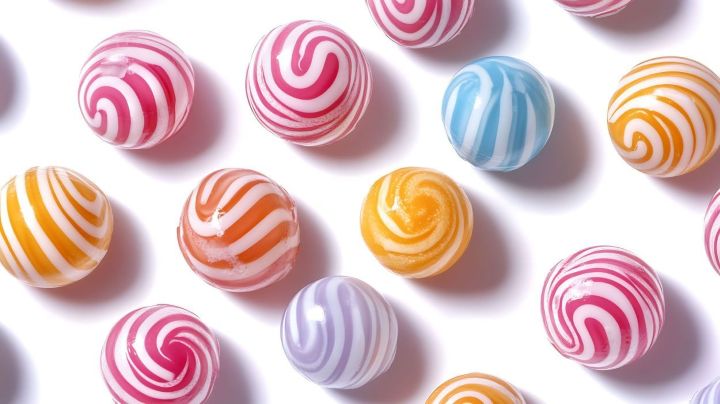
They can be found in a wide range of products, including chewing gums, candies, ice cream, baked goods, and fruit spreads. They are also used in toothpastes, mouthwashes, breath mints, and pharmaceuticals such as cough syrups and throat lozenges.
Polyols are also called “sugar replacers” by nutritionists and health educators. Scientists refer to them “sugar alcohols” because part of their structure chemically resembles sugar and part is similar to alcohol. However, these sugar-free sweeteners are neither sugars nor alcohol.

Benefits of Polyols
Low Calorie
Polyols provide fewer calories per gram than sugar. They provide less than the traditional four calories per gram assigned to carbohydrates in general.
Does Not Promote Tooth Decay
Polyols are not readily converted to acids by bacteria in the mouth and therefore do not promote tooth decay. The U.S. Food and Drug Administration (FDA) has authorized the use of the “does not promote tooth decay” health claim for foods containing approved sugar replacers such as erythritol, isomalt, lactitol, maltitol, mannitol, sorbitol, xylitol, and hydrogenated starch hydrolysates.
Supports Gut Health
Polyols, such as isomalt, support gut health by promoting the growth of beneficial bacteria. Research shows that a daily intake of isomalt can increase levels of good bacteria in the large intestine, demonstrating its prebiotic potential. Like dietary fiber, isomalt is partially fermented by gut bacteria, producing short-chain fatty acids (SCFAs). These compounds can help support a healthy intestinal environment and may contribute to the maintenance of the gut lining.
Suitable for People Living with Diabetes
Polyols are a helpful tool for people with Type 1 or Type 2 diabetes to help reduce calorie intake and minimize blood sugar spikes. They provide fewer calories than sugar. Polyols are not readily digested and are only partially absorbed by the body, so they are considered low-glycemic foods. This means that they will not cause a sudden increase in blood sugar levels after a meal. Polyols deliver the taste and texture of sugar, making them a practical option for a diabetes-friendly diet.
Facts About Polyols
Origin
Many polyols are derived from naturally occurring carbohydrates. Many are found in small amounts of fruits and vegetables, such as berries, apples, and mushrooms.
Safety
Polyols have been used safely in foods around the world for many years. They have been thoroughly reviewed by the Joint World Health Organization (WHO) and Food and Agricultural Organization’s (FAO) Expert Committee on Food Additives (JECFA), which has concluded that they are safe for human consumption.
Regulatory Status
In the United States, polyols are regulated by the FDA under two pathways: Generally Recognized as Safe (GRAS) or as approved food additives. Polyols such as erythritol, sorbitol, isomalt, maltitol, lactitol and hydrogenated starch hydrolysates are classified as GRAS (generally recognized as safe), while others, including mannitol and xylitol, are regulated as approved food additives. Regardless of classification, all have undergone rigorous safety evaluations and are permitted for use in food. Polyols have also been reviewed and approved by regulatory authorities worldwide, including Codex Alimentarius, Health Canada, European Food Safety Authority (EFSA) and authorities in countries such as Chile, Mexico, South Africa, and India.
Eight Types of Polyols
Isomalt
Isomalt is a sugar-free sweetener. Products made with isomalt have the same texture and appearance as those made with sugar. Derived from sugar, isomalt’s health benefits and stability make it a versatile and valuable ingredient for numerous reduced-calorie foods and pharmaceuticals.
Erythritol
Erythritol is a zero-calorie, bulk sweetener which is suitable for a variety of reduced-calorie and sugar-free foods and beverages. It has been part of the human diet for thousands of years due to its presence in fruits and other foods. Erythritol has a high digestive tolerance and is nonglycemic, and is therefore safe for people with diabetes. It also does not promote tooth decay.
Hydrogenated Starch Hydrolysates
Hydrogenated starch hydrolysates are a family of pleasant tasting bulk sweeteners used in a variety of products. They are exceptionally well suited for sugar-free candies because they do not crystallize. They blend well with flavors and are synergistic with low-calorie sweeteners.
Lacitol
Lactitol is a bulk sweetener with a sugar-like taste. Its stability, solubility, and reduced caloric contribution make it suitable for a variety of low-calorie, low-fat, and/or sugar-free foods. Its mild sweet taste makes it ideal for use with low-calorie sweeteners.
Mannitol
Maltitol is a reduced-calorie bulk sweetener with sugar-like taste and sweetness. Its stability, high sweetness, and structure make it suitable for a variety of reduced-calorie, reduced-fat, and sugar-free foods. Maltitol does not promote tooth decay.
Sorbitol
Sorbitol is a bulk sweetener with good taste and reduced calories. It does not promote tooth decay. Sorbitol is suitable for a variety of products reduced in calories, sugar, or fat, and has been safely used for almost half a century.
Xylitol
Xylitol is a bulk sweetener which is reduced in calories and does not promote tooth decay. Approved in more than 35 countries, its sweetness and bulk make xylitol an increasingly popular ingredient in foods, pharmaceuticals, and oral health products.


Explore More
- Science
- Science
- Science
- Science