
Isomalt
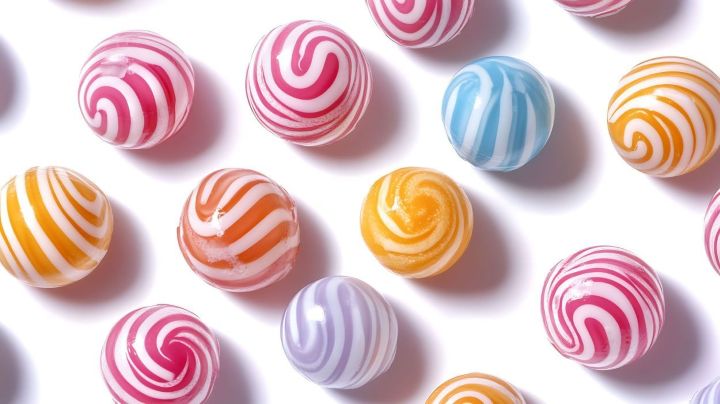
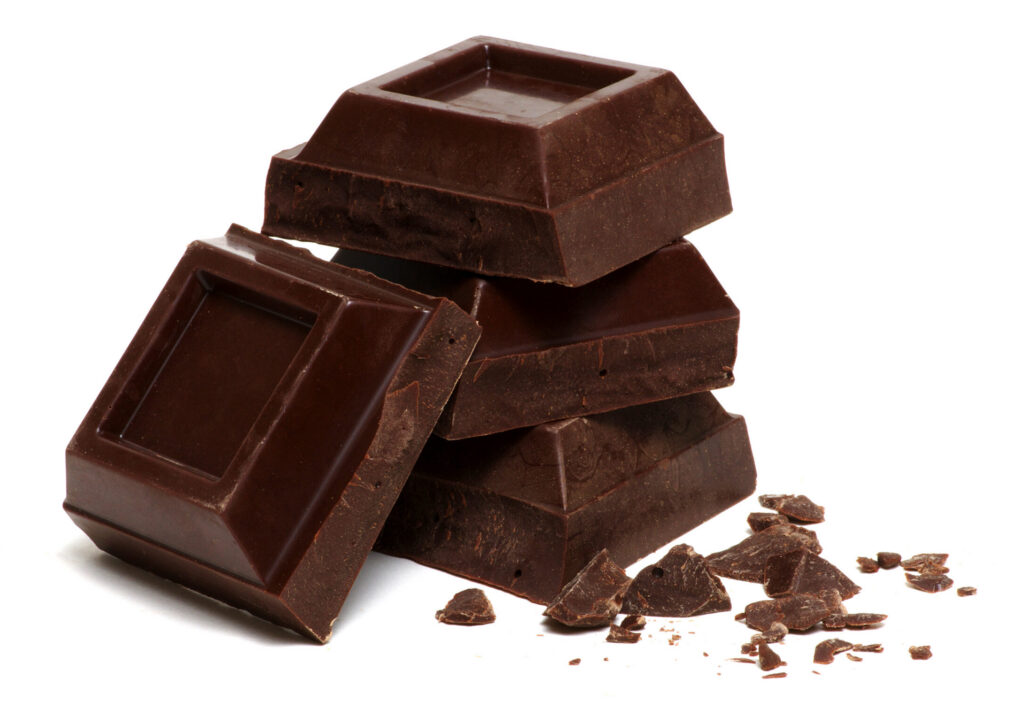
Isomalt is a sugar-free bulk sweetener made from sugar that provides the taste, texture, and functionality of sugar with fewer calories. It is commonly used in hard candies, chewing gum, chocolates, baked goods, cough drops, nutritional supplements, and other sugar-free products. Because isomalt performs similarly to sugar, products made with isomalt often have the same appearance and texture as their sugar-containing counterparts.
Benefits of Isomalt
Lower Calorie Alternative
Isomalt provides only 2 calories per gram, compared to 4 calories per gram for sugar.
Supports Oral Health
Isomalt does not promote tooth decay because oral bacteria cannot readily convert it into acids that damage tooth enamel.
Low Glycemic Response
Isomalt produces a very low blood glucose and insulin response and can be used in products designed to support lower glycemic diets.
Supports Gut Health
Research suggests isomalt may promote the growth of beneficial bacteria in the large intestine and functions similarly to dietary fiber in the digestive system.
Benefits of Isomalt
Lower Calorie Alternative
Isomalt provides only 2 calories per gram, compared to 4 calories per gram for sugar.
Supports Oral Health
Isomalt does not promote tooth decay because oral bacteria cannot readily convert it into acids that damage tooth enamel.
Low Glycemic Response
Isomalt produces a very low blood glucose and insulin response and can be used in products designed to support lower glycemic diets.
Supports Gut Health
Research suggests isomalt may promote the growth of beneficial bacteria in the large intestine and functions similarly to dietary fiber in the digestive system.
Facts about Isomalt
Origin
Isomalt was developed in the 1960s and has been used in foods and beverages worldwide for decades.
Regulatory Status
The U.S. Food and Drug Administration (FDA) has accepted a petition affirming isomalt as Generally Recognized as Safe (GRAS), and isomalt has been used in the United States since 1990. The Joint FAO/WHO Expert Committee on Food Additives (JECFA) evaluated the safety of isomalt and established an Acceptable Daily Intake (ADI) of “not specified,” the most favorable safety designation assigned to food ingredients, indicating no numerical intake limit is necessary based on available scientific evidence.