Report: Low Calorie Sweeteners Confirmed Safe and Effective for People with Diabetes

Posted by & filed under Sucralose.

Did you know that an estimated 40% of Americans will develop diabetes at some point in their lives? The U.S. Centers for Disease Control and Prevention have estimated that 29.1 million people in the U.S. currently have diabetes and another 86 million American adults have pre-diabetes. The scariest part is that nine out of 10 people with pre-diabetes aren’t even aware that they have it.

The good news is that managing diabetes is very much possible with a healthy eating pattern, regular exercise and often medication.

Even better news, according to a review published in US Endocrinology, is that people with diabetes or are at risk for developing it can use low calorie sweeteners to help reduce added sugars and carbs. In that same review, researchers at Baylor University School of Medicine confirmed that low calorie sweeteners, such as sucralose (aka Splenda®), can be a safe and effective tool to help people with diabetes manage their calorie and carbohydrate intake and can help with weight management.

The authors state that low calorie sweeteners “can serve an important role in diabetes prevention and management” and that they provide patients with diabetes “considerable flexibility in their health goals and personal dietary preferences.”  The authors also state that reducing excessive sugar intake, by using low calorie sweeteners, “can be a preventative measure to combat excessive weight gain in at-risk individuals.”

Sucralose tastes sweet and works well in most recipes, but the body doesn’t break it down for energy. It can be a  tool for people with diabetes because clinical studies have shown that it has no effect on blood glucose levels, insulin secretion or blood levels, glycosylated hemoglobin levels (HbA1c), or blood glucose control.

The post Report: Low Calorie Sweeteners Confirmed Safe and Effective for People with Diabetes appeared first on All about Sucralose.


What is a Calorie?

Posted by & filed under Lifestyle Articles, Stevia.

By Carolyn Reynaud, MS, RD, LD —
So, what exactly is a calorie? A calorie is the amount of heat required to heat 1 liter of water by 1 degree; basically a measurement of energy. In reference to food, calories are the amount of energy that food will provide. For example an orange is 45 calories and therefore will provide you with 45 units of energy. We all need calories to fuel us for daily living, but calorie needs can vary based on the individual.

How do you determine your calorie needs? Calorie needs are affected by many factors such as height, weight, metabolism and activity level. There are many equations that can help you estimate your own individual calorie needs and the Mifflin St. Joer equation is commonly used by doctors and dietitians.

What does calories have to do with weight? The body is very effective at managing emergency situations that put your health at risk. If you consume too many calories the body will convert those extra calories into fat so that is can be stored away for future use. If you maintain a normal weight you probably fluctuate from overeating to under eating all the time; the body is continually using and restocking fat stores. However, the body has no limit on the amount of fat it will store away. Therefore, consistently exceeding your calorie needs are going to cause your weight to climb.

How to lose the weight? The trick is to start cutting calories slightly below what you need so that body will utilize your fat stores. It is recommended to determine your calorie needs and then reduce by 250-1000 calories to start losing weight. A safe rate of weight loss is about ½-2 lbs per week. It can be tempting to go very low in calories to lose weight quickly, but this very hard for people to maintain long enough to lose the weight. You also want to be eating enough calories so that your body can function at its full capacity as well. It recommended to not go below 1200 calories when trying to lose weight.

What are some ways to cut calories to lose or maintain weight? Try eating nutrient dense foods like fruits and vegetables. The foods pack a lot of nutrition for little calories to help you stay full while cutting calories. Reduce high fat foods which can cause your calories to add up quickly. You can also use sugar substitutes like Stevia, to cut out calories and extra sugar.

Get started reducing calories today and check out the low-cal/low-sugar recipes using Stevia, like this one for peanut butter cookies!


Carolyn Reynaud, MS, RD, LD is a licensed registered dietitian. She received her BS in nutrition from Michigan State University and her Masters and Certificate in Public Health from Georgia State University. She has experience working in several avenues of health care including corporate wellness, clinical disease management, research, and health promotion. She has been working as a health coach specialist for close to 6 years, where she counsels patients on preventative healthcare and helps them meet their health goals. Follow her on Twitter @ReynaudCari.

The post What is a Calorie? appeared first on Steviabenefits.org.


Sticking to Low-Cal throughout Your Day

Posted by & filed under Aspartame, Healthy Lifestyle, Lifestyle Articles.

Whether you are at home or at work, lunch is often a meal that has to be squeezed in around other to-dos for the day. A few easy habits can help prevent over-eating and a few more tips for your meals will help you get the most out of your day.

You don’t have to limit yourself to water, but try to drink at least a few glasses of no or low calorie beverages between meals. Ongoing research suggests hydration may influence how you function during the day1 and your mood which can affect what foods you crave2.

Consider using jelly with no added sugar for your PB&J. It’s amazing how many more fruits and vegetables we eat when they are already cleaned and portioned. It’s something many young children can help with while learning about food and mathematics as they count out their portions.

Adults and kids can enjoy granola bars, trail mix, and nuts as a tasty source of vegetable protein and fiber but check the calorie content because they can vary greatly. An added bonus is that they don’t require refrigeration so having portioned bags in the car, at home, and at the office can ensure convenience too. Lite yogurt or pudding, like any of the low calorie or fat free Jell-O®, can be good options for something sweet. Salads can be another great option and you can keep salad greens crisp by storing them on ice for the few hours between cutting them and serving them. Check the calorie content of your salad dressing when you purchase it, and make sure you don’t dress your salad in the morning as it may get soggy by lunch time.

After lunch, try chewing sugar-free gum to reduce the urge to continue snacking. An additional benefit is that these chewing gums have proven anti-cavity benefits3, 4.

It is important to watch your portion control during dinner, but know you don’t have to skimp on flavor to keep the calorie count down. Spice up some old favorites by adding spices or chilies to your dinner. You’ll be more satisfied if your food is packed with flavor, and thus you won’t eat as much. These two recipes are a great starting point: Grilled Salmon with Pineapple-Cilantro Sauce and Asian-Style Sea Scallops. Both of these recipes use NutraSweet® or Spoonful™ (aspartame) in place of sugar.

Calories are not only consumed through the foods we eat, but also through our beverages. Instead of going for a 5 oz. glass of Pinot Noir Red Wine (approximately 123 calories), opt for a diet soda with 4 calories as a substitute. Lastly, don’t forget to treat yourself with a low calorie Dessert Fruit Trifle, another great recipe that substitutes NutraSweet® or Spoonful™ (aspartame) for sugar.

References
1 Masento NA, Golightly M, Field DT, Butler LT, van Reekum CM. Effects of hydration status on cognitive performance and mood. Br J Nutr. 2014 May 28;111(10):1841-52. doi: 10.1017/S0007114513004455.
2 Hill AJ, Weaver CF, Blundell JE. Food craving, dietary restraint and mood. Appetite. 1991 Dec;17(3):187-97.
3 Dodds MW. The oral health benefits of chewing gum. J Ir Dent Assoc. 2012 Oct-Nov;58(5):253-61.
4 Keukenmeester RS, Slot DE, Putt MS, Van der Weijden GA. The effect of sugar-free chewing gum on plaque and clinical parameters of gingival inflammation: a systematic review. Int J Dent Hyg. 2013 Feb;11(1):2-14. doi: 10.1111/j.1601-5037.2012.00562.x.

The post Sticking to Low-Cal throughout Your Day appeared first on Aspartame.


Berry Strawberry Punch

Posted by & filed under 4th of July, Drinks, Recipes, Sucralose.

Makes 12 Servings

Ingredients

1 (14 ounce) package unsweetened strawberry-flavored drink mix
3/4 cup SPLENDA® No Calorie Sweetener, Granulated
3 cups pineapple juice
1/2 cup fresh lemon juice
7 cups water
2 cups sliced fresh strawberries

Directions

Stir together all ingredients. Cover and chill. Serve over ice.

Nutritional Information

Calories 45
Carbohydrate 11g
Fiber 1g
Sodium 20mg
Sugar 9g


Recipe courtesy of Spelenda.com.

The post Berry Strawberry Punch appeared first on Sucralose.


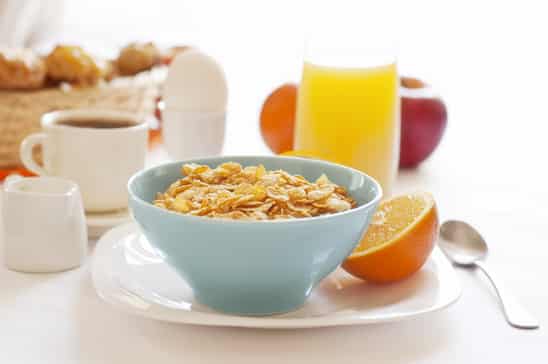
Start Your Day off Right with a Low-Cal Breakfast

Posted by & filed under Aspartame, Healthy Lifestyle, Lifestyle Articles.

With summer here, so comes a renewed interest in how we will fit all of the outdoor activities into our schedules. Being social may mean you feel you have less ability to make calorie conscious decisions about what you and your family eats each day. There will be meals and days where your best intentions still don’t mean you achieve your goals. It happens to all of us. But let’s start with some tips about how to easily reduce the calories you consume for breakfast to help you get the balance you want. Breakfast is important in helping to remind your body that it’s a new day, but you don’t need to conserve energy by limiting activity because you’re starving. If you aren’t hungry for breakfast when you get out of bed, try eating a little less the night before and taking a quick walk or doing a few household chores.

Your morning cup of Joe or tea is an easy place to start the routine. One blue packet, Equal® (aspartame), instead of 2 teaspoons of sugar and you’re already 32 calories ahead in the game. Going through the drive thru? When you place your order, ask for the lite sweetener. If you like adding flavor to your coffee then consider adding flavor extract rather than flavor syrup at home or ask for one less pump of flavor when ordering. Give yourself a few days before you decide if you like it or not. Don’t compare it to what you used to order, but ask yourself if you like what you ordered.

What about the creamer, you ask? Well, if the only way you get any dairy during the day is in your coffee, then consider a latte with low fat milk to get the benefits of milk while reducing the calories from dairy with more fat — like half and half. Another option is a low-cal Iced Orange Cappuccino. It’s low on calories, but full of flavor! If you are more of a hot chocolate person then try the no added sugar options that taste great.

Some fruit can also help you get the sweetness you want to start your day. What about grains like oatmeal, toast, or a waffle sweetened with some lite syrup and some fruit? It can be in the ready-to-go form (think a banana) and either a portion of cereal or a portion of trail mix with fruits and nuts, or a smoothie you whirl up and drink during your commute. Does protein help keep you full? Try some lite yogurt.

The post Start Your Day off Right with a Low-Cal Breakfast appeared first on Aspartame.


faq2Do you have questions about low-calorie sweeteners? Want to learn more about maintaining a healthy lifestyle? You asked and we listened. Our resident Registered Dietitians answered the most popular questions about low-calorie sweeteners.

Media Contacts

For media inquiries please reach out to any of the below contacts: