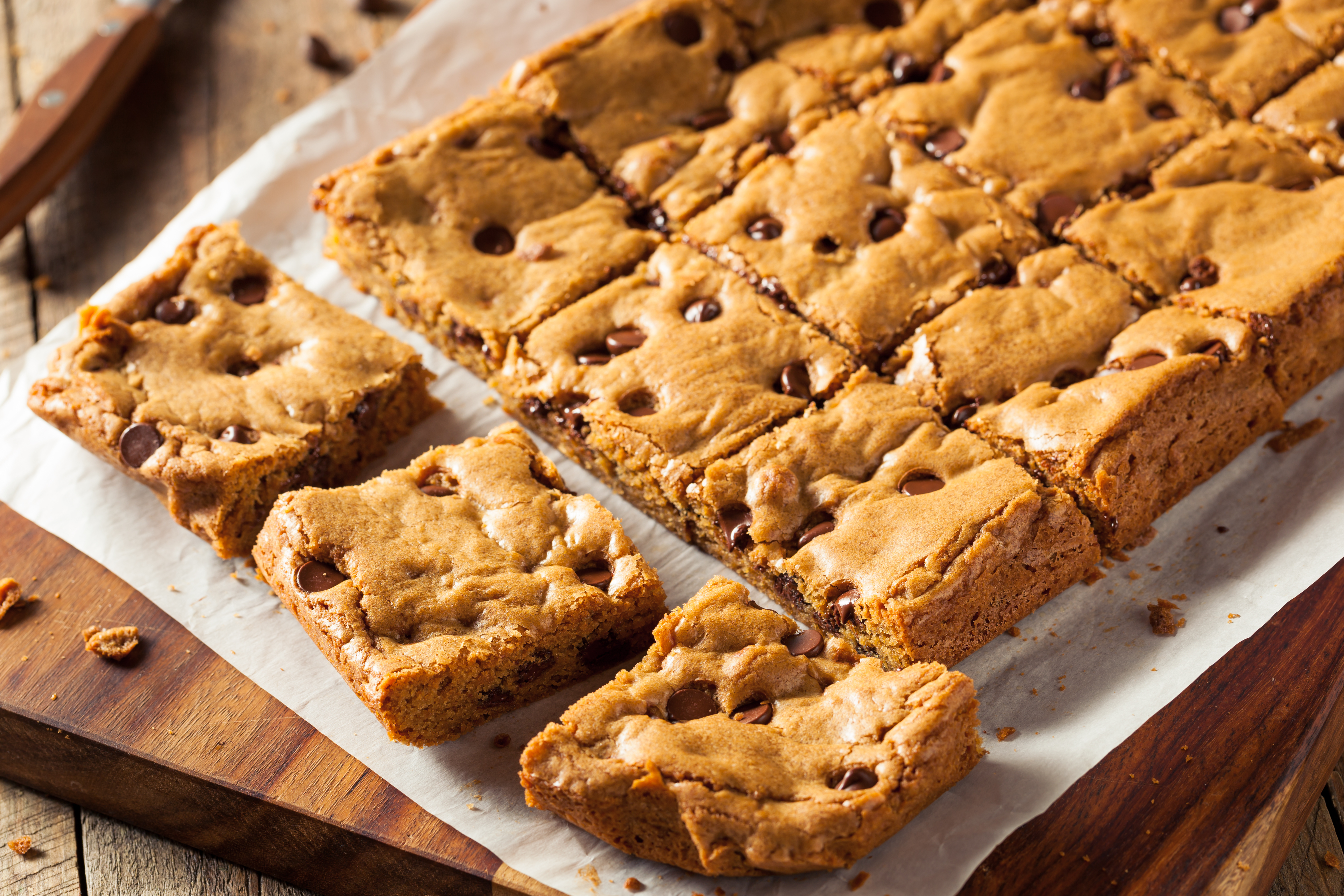
Chocolate Chip Blondies

Posted by & filed under Desserts, Recipes, Stevia.

Makes 16 Squares

Ingredients

8 tablespoons (1 stick) unsalted butter, softened
1/2 cup Stevia In The Raw® Bakers Bag or the equivalent of your favorite sweetener
1/3 cup sugar
1 large egg
1 tablespoon unsulphured molasses
1 teaspoon vanilla extract
1 cup unbleached all-purpose flour
1/2 teaspoon salt
1/2 cup chopped pecans
1/2 cup chocolate chips, preferably dark (63%) chocolate

Directions

Preheat the oven to 350° F. Coat an 8-inch square baking pan with cooking spray, line with a 7-inch x 15-inch piece baking parchment allowing ends to overhang. Spray parchment lightly with cooking spray.

In a mixing bowl, use electric mixer to beat the butter until fluffy, 2 minutes. Add stevia and sugar, beating for 1 minute to combine. Add egg, molasses and vanilla and beat to combine; the mixture will look curdled. Mix in the flour and salt, making a stiff batter. Mix in the nuts and chocolate chips. Spread the batter evenly in the prepared pan.

Bake for 40 minutes, or until a knife inserted in the center comes out clean but the center of the pan yields slightly when pressed with your finger. Cool in the pan on a wire rack for 10 minutes. Lift from the pan and cool the blondies completely on the parchment strip on the rack. Cut the blondies into 16 squares.

Nutrition Information

Calories: 160
Fat: 10g
Carbs: 15g
Protein: 2g
Fiber: <1g
Sodium: 80mg


Recipe courtesy of InTheRaw.com.

The post Chocolate Chip Blondies appeared first on Steviabenefits.org.


Understanding Food Nutrition Labels

Posted by & filed under Allulose.

No matter your health status, understanding what that Nutrition Facts label is really telling you is critical to knowing if the product in your hand is right for you.. When looking at this label many people will only look at one piece of information. For example, some people only look at total carbohydrates, some   look for the item with the least amount of total fat and others look only at the calories. Many consumers don’t understand that all the information included on the label works together and is equally important when making a decision about what you take home with you.


START FROM THE TOP

Take a look at the serving information. There are two parts, which are important in understanding the nutritional value that you will end up consuming.

  1. Serving size – the amount of product considered when calculating the nutritional value. For example, on a box of cereal the serving size may be 1 cup, a carton of ice cream could have a serving size of ½ cup and a 2 liter bottle of soda can have a serving size of 8 fluid ounces.
  2. Servings Per Container – tells the consumer how many total servings sizes there are in the entire package. For example that box of cereal with a 1 cup serving size has about 13 servings meaning 13 cups in the box. The carton of ice cream with ½ cup serving size has 12 servings in the container meaning there are 6 cups total in the carton.

Now ask yourself “how does the portion I’m eating compare to the serving size listed?” This is how you ultimately calculate your nutritional intake from any item. It’s also important to understand that the listed serving size is not a recommendation of how much you should eat or drink. It is merely the amount of product that, when consumed, provides the nutrition values listed on the label.  If you consume more than the stated serving size, the nutritional intake will go up in proportion with that intake.

BELIEVE THE HYPE: CALORIES COUNT

You may have seen conflicting arguments when it comes to calories, but calories count! They matter in maintaining, losing or gaining weight. Remember that “Low Fat” does not necessarily mean “Low ”.  Use the Healthy Weight Tool Kit in the Resources section of Allulose.org to find weight maintenance calculators for men and women. Remember choosing low calorie options often aid in weight loss and in maintaining a healthy lifestyle.

SUGAR

Sugar has become confusing due to the labeling on the front of our products: sugar-free, low-sugar, no added sugar, all natural and so on.  Always looking at the Nutrition Facts label helps cut through the buzzword jargon. First, it’s important to understand that sugar is not fat. Sugar is listed under the carbohydrates, which is also where you find fiber.  When looking to reduce your calorie intake, choosing items using low calorie sweeteners like allulose really come in handy.  Allulose can help reduce calories  while maintaining sugar-like taste and texture in a food or beverage.

LEARN MORE

You can find more information about nutrition labels at the U.S. Food and Drug Administration (FDA) website here and further facts about allulose at allulose.org.

The post Understanding Food Nutrition Labels appeared first on Allulose.


Debunking Diet Soda Myths

Posted by & filed under Aspartame, Lifestyle Articles, Myths.

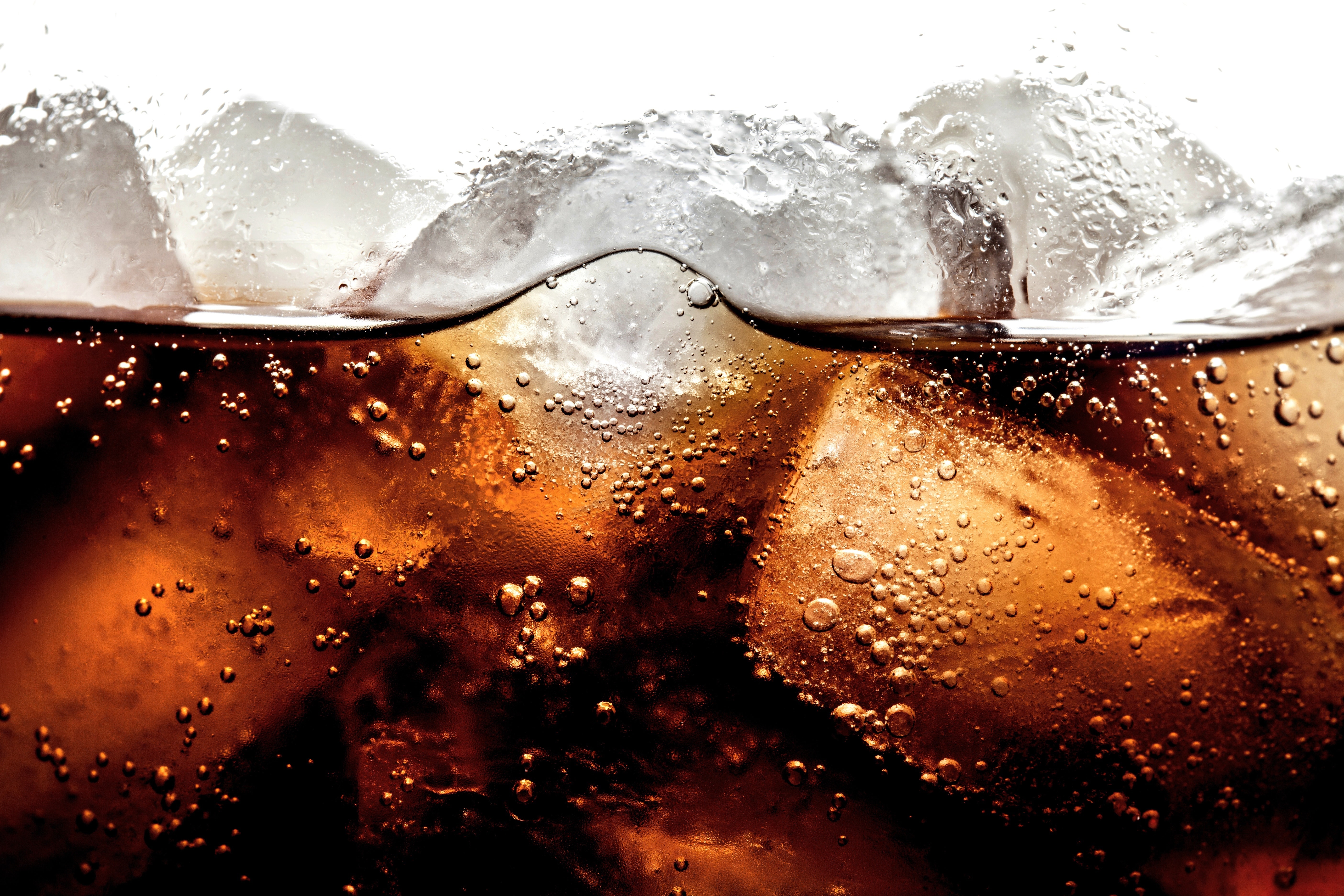
For over 60 years, consumers have enjoyed sugar-free sodas that provide sweet and fizzy refreshment without the calories of the regular kind. From the early days of Diet Rite Cola and TaB sweetened with cyclamate and saccharin, to the modern day with diet sodas being sweetened with aspartame, the soda industry has evolved to provide an array of low-calorie options from cola and flavored cola to ginger ale, lemon-lime and fruit-flavored varieties. But along with innovation comes confusion about these beverages and how they influence our nutrition and health status. Three of the most common diet soda myths will be explored in this blog.

Diet Soda Causes Weight Gain

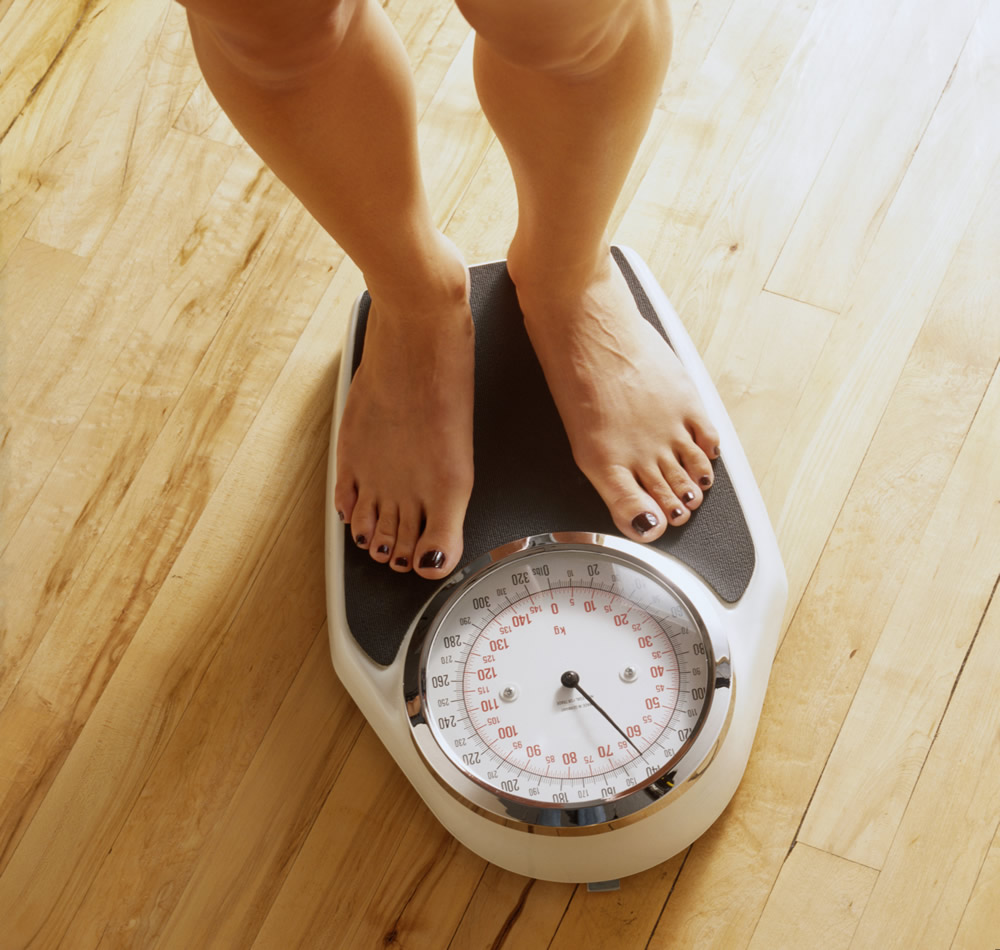
Claims that diet soda thwarts weight loss are largely based on observational studies that look at groups of people and their health habits, finding that those who drink diet soda are more likely to be overweight. This is a correlation, meaning two factors are related but one doesn’t necessarily cause the other. Overweight people could drink diet soda to cut calorie intake. On the other hand, research evaluating beverage intake and weight loss leads to different results. In one study, participants who replaced calorie-containing beverages with no-calorie beverages had an average weight loss of 2% to 2.5%. (1) In a 12-week study, those who consumed artificially sweetened beverages as part of a reduced calorie diet lost more weight than those who drank only water, 13 lbs. vs. 9 lbs. (2)

Diet Soda Doesn’t Hydrate

For years, caffeine was implicated as a diuretic so beverages like coffee, tea and cola were not considered hydrating. However, there was little evidence to support this. In fact, several published over the last 15 years have found caffeine-containing beverages are just as hydrating as water. (3, 4) Based on this research, the Institute of Medicine’s 2004 Dietary Reference Intakes for Water states, “About 80 percent of people’s total water intake comes from drinking water and beverages — including caffeinated beverages — and the other 20 percent is derived from food.” (5)

Diet Soda Makes You Crave Sweets

A final oft-quoted myth asserts that consuming foods or beverages with low-calorie sweeteners drives sweet cravings so you end up eating more. While there is no real data to support this, research has shown that consuming sweet-tasting foods or beverages actually leads to a decrease in the appeal of all sweet products. (6) In addition, members of the National Weight Control Registry, who have successfully lost and kept weight off, consumed three times more artificially sweetened soft drinks, more water and significantly fewer sugar-sweetened soft drinks compared to a group of never overweight individuals. (7) In another study with 400 people, researchers found that low-calorie sweeteners do not over-stimulate sweet receptors to produce elevated sweet sensations. (8)

In conclusion, diet soda is a great choice for hydration, to satisfy your sweet tooth and cool you off as hot summer days approach!

References
  1. “Replacing caloric beverages with water or diet beverages for weight loss in adults: main results of the Choose Healthy Options Consciously Everyday (CHOICE) randomized clinical trial” Am J Clin Nutr 95:555-63, 2012
  2. “The Effects of Water and Non-Nutritive Sweetened Beverages on Weight Loss During a 12-week Weight Loss Treatment Program” Obesity(2014) 22: 1415–1421
  3. The effect of caffeinated, non-caffeinated, caloric and non-caloric beverages on hydration” J Am Coll Nutr 19:591–600, 2000
  4. “No Evidence of Dehydration with Moderate Daily Coffee Intake: A Counterbalanced Cross-Over Study in a Free-Living Population” PLOS One, 9(1):e84154, 2014
  5. “Dietary Reference Intakes for Water, Potassium, Sodium, Chloride, and Sulfate” Food and Nutrition Board, Institute of Medicine, National Academy of Science, 2004, pages 133 – 134
  6. “Sweetness and Food Preference” J Nutr 142: 1142S–1148S, 2012
  7. “Use of artificial sweeteners and fat-modified foods in weight loss maintainers and always-normal weight individuals” Int J Obes 33:1183-90, 2009
  8. “Nonnutritive sweeteners are not supernormal stimuli” International Journal of Obesity (2014), 1–6


Neva Cochran, MS, RDN, LD is a registered dietitian nutritionist based in Dallas. She was a freelancer with Woman’s World magazine for 20 years and currently serves as a nutrition communications consultant to a variety of food and nutrition organizations, including the Calorie Control Council. She is passionate about promoting fact-based food and nutrition information to help people enjoy nutritious eating. Follow her on Twitter @NevaRDLD and check out her blog at www.NevaCochranRD.com.

The post Debunking Diet Soda Myths appeared first on Aspartame.


Do Yoga Pants and Diet Drinks Make You Fat?

Posted by & filed under Lifestyle Articles.

Have you noticed how many more people are wearing sweatpants, yoga pants or leggings instead of jeans these days? If you have, or are among those who have made the switch, it is a growing trend. According to one market report, jean sales have been declining for the last three years while sales of “active pants” have been on the rise.

What you also may have noticed is that not everyone wearing athletic attire looks like they spend a lot of time in the gym.  Do you suspect that their trendy new attire has made them gain weight?

Probably not.

My guess is that while it’s nice to be in fashion, the elastic waist bands and stretchy fabrics are very forgiving for anyone who has put on a few pounds and doesn’t want to buy bigger clothes.

This observation reminded me of another common misperception that isn’t as easily debunked. Many people believe that diet drinks can lead to weight gain because so many of the people who regularly drink them are overweight. But what we really should be asking is, which came first — the excess weight or the diet drink?

While there may be an association between wearing yoga pants or drinking diet beverages and being overweight, the behavior didn’t cause the problem. Overweight people may simply be more comfortable wearing yoga pants and may drink diet beverages to help them reduce their caloric intake.

There is no evidence of cause and effect here.

That’s an important point to keep in mind whenever you see headlines that proclaim an association, correlation, relationship or link between a population and a particular behavior or food choice. So if you happen to drink diet soda or wear sweatpants, you’ve got nothing to worry about. And if that active wear makes it easier to get more exercise, that’s even better!


Robyn Flipse, MS, MA, RDN is a registered dietitian, cultural anthropologist and scientific advisor to the Calorie Control Council, whose 30+ year career includes maintaining a busy nutrition counseling practice, teaching food and nutrition courses at the university level, and authoring 2 popular diet books and numerous articles and blogs on health and fitness. Her ability to make sense out of confusing and sometimes controversial nutrition news has made her a frequent guest on major media outlets, including CNBC, FOX News and USA Today. Her passion is communicating practical nutrition information that empowers people to make the best food decisions they can in their everyday diets. Reach her on Twitter @EverydayRD and check out her blog The Everyday RD.


No- and Low-Calorie Sweeteners Continue to be Effective Tools to Help Manage Weight

Posted by & filed under Statements.

ATLANTA (April 9, 2015) — While some in social media and in the press allege that the consumption of products made with low-calorie sweeteners may lead to weight gain, the majority of scientific research on these sweeteners shows otherwise. Many healthcare advocates, professionals and associations who rely on scientific evidence recommend no- and low-calorie sweeteners (NLCS) to reduce carbohydrate and calorie intake. Studies conducted by a number of researchers, and the evaluation of findings from several studies in meta-analyses, support the use of NLCS by individuals attempting to lose or maintain their weight.

Low-Calorie Sweeteners positive effect on weight loss and appetite control

Many research studies have shown that consuming low-calorie sweeteners as part of a typical diet can help reduce total caloric intake and body weight6-10. Assessing the combined results of many studies, via a meta-analysis of data from multiple studies, is often useful in determining patterns of study results. A recent meta-analysis of 24 studies showed low-calorie sweeteners have a positive effect on weight loss11. Furthermore, several studies have shown that low-calorie sweeteners do not cause weight gain and cravings. As the American Heart Association points out, “Foods and beverages that contain NNSs [non-nutritive sweeteners] can be included in a healthy diet, as long as the calories they save you are not added back by adding more foods as a reward later in the day, adding back calories that take you over your daily limit.”

Effective substitutions to help achieve a healthy weight or manage blood glucose

Millions of Americans are advised to reduce calorie intake to help achieve and maintain a healthy weight and/or manage blood glucose. The American Diabetes Association recommends using low-calorie sweeteners to help individuals manage sweet cravings with less calories and carbohydrates1. The American Heart Association also recommends the use of these products to limit added sugars2.

With a global rise in obesity, health advocates around the world recommend using low-calorie sweeteners as a simple substitution to reduce sugar intake. Public Health England’sChange4Life campaign recognizes the importance of feasible recommendations such as substitution products sweetened with low-calorie sweeteners for calorically sweetened products3. Recent research has shown that individuals that have maintained weight loss of at least 30 pounds for at least one year and are in the National Weight Control Registry regularly consumed low- and no-calorie sweetened beverages, highlighting the use of these beverages as tools that consumers use when they are limiting their caloric intake4. Research, published in 2014, evaluating data from the National Health and Nutrition Examination Survey (NHANES) of more than 22,000 people found that Americans who consume foods and beverages made with no-, low-, and reduced-calorie sweeteners also have better quality diets, as measured using the Healthy Eating Index (HEI), developed by the U.S. Department of Agriculture (USDA), and are more likely to be physically active5.

Ongoing research of NLCS continues to support use

NLCS have been researched for more than a century. While this research varies greatly in its purpose and scope, the findings are frequently evaluated by scientists and regulatory authorities. Hundreds of studies have concluded that low-calorie sweeteners are safe for human consumption and do not cause unfavorable effects. Low-calorie sweeteners can help people enjoy the foods and beverages they love while helping them to manage their weight. The Calorie Control Council supports the critical role that industry has in the research process, including occasionally provides unrestricted grants for researchers that publish their findings in peer-reviewed journals.


References
  1. http://www.diabetes.org/food-and-fitness/food/what-can-i-eat/understanding-carbohydrates/artificial-sweeteners/
  2. http://www.heart.org/HEARTORG/GettingHealthy/NutritionCenter/Non-Nutritive-Sweeteners-Artificial-Sweeteners_UCM_305880_Article.jsp
  3. http://www.nhs.uk/change4life/Pages/change-for-life.aspx
  4. http://onlinelibrary.wiley.com/doi/10.1002/oby.20834/abstract;jsessionid=CE28FD2EB01134EB09B2FC09BE657540.f04t02
  5. http://www.mdpi.com/2072-6643/6/10/4389
  6. http://jn.nutrition.org/content/142/6/1163s.full
  7. http://jn.nutrition.org/content/142/6/1155S.full
  8. http://ajcn.nutrition.org/content/95/2/283.full
  9. http://ajcn.nutrition.org/content/89/1/1.full
  10. http://jn.nutrition.org/content/142/6/1134S.full
  11. http://ajcn.nutrition.org/content/early/2014/06/18/ajcn.113.082826.full.pdf+html

3 Ways for People with Diabetes to Trim Carbohydrate Intake

Posted by & filed under Diabetes/Blood Sugar Management, Lifestyle Articles, Managing Diabetes, Sucralose.

Who doesn’t love a sugary beverage or sweetened oatmeal now and then! Unfortunately, for someone with diabetes, the extra carbohydrates from the sugar may be the difference between a healthy blood sugar level and a sugar spike. But there’s good news: “Swapping full sugar for low calorie sweeteners can reduce carbs and calories without sacrificing taste,” says Constance Brown-Riggs, MSEd, RD, CDE, CDN, author of The African American Guide to Living Well with Diabetes.

If you have diabetes, the amount of carbohydrate you eat directly affects your blood sugar level. So if you eat a little carbohydrate at one meal or snack, your blood sugar should rise just a little. But if you eat excessive amounts of carbohydrate at one time, it will go up a lot. Here are a few ways to rein in extra carbs.

Ditch Sugary Drinks

There’s plenty of carbohydrate (calories too) in soda, sweet tea or fruit punch. And all of it is in the form of sugar.

Beverage (12 fluid ounces)

Carbohydrate (g)

Calories
Cola39152
Sweet tea32128
Fruit punch44175

Source: USDA National Nutrient Database

Better choices are water, flavored waters, diet sodas and teas sweetened with sucralose or other non-nutritive sweeteners. If water bores you, attaching a filter to your faucet may be all you need to brighten the taste. If that’s not enough, flavor your water with some of your favorite fruits, vegetables and herbs. Here are a few ideas to get you started.

  • Orange slices or orange and lemon slices
  • Lemon slices and grated gingerroot
  • Blackberries, lime slices and mint
  • Cucumber slices and mint or lavender
  • Peach slices and basil
  • Artificially sweetened water enhancers

Tips: Before adding herbs, gently crush them in your hands to release their flavors. Refrigerate your flavored water. Some combinations may take several hours to reach their best flavor.

Omit or Replace Sugar

Simply do without sugar or syrups in oatmeal, yogurt and other foods or replace them with non-nutritive sweeteners like sucralose. Look at the saving you ring up when you omit a single tablespoon of full sugar.

Sweetener (1 TBSP)

Carbohydrate (g)

Calories
Table sugar1349
Honey1764
Molasses1558
Pancake syrup1248

Source: USDA National Nutrient Database

Trim Your Portions and Balance Your Diet

Even wholesome, nutrient-dense foods like oatmeal, brown rice and fruit will raise blood sugar too high if your portions are too large. It’s smart to visit a registered dietitian nutritionist who is also a certified diabetes educator to create an individualized meal plan that works with your diabetes, lifestyle and food preferences.

Along with other techniques, sucralose and other non-nutritive sweeteners can make managing blood sugar just as tasty and much less of a struggle. They’re a useful and safe tool, adds Brown-Riggs.


Jill WeisenbergerJill Weisenberger, MS, RDN, CDE, FAND is a registered dietitian nutritionist and diabetes educator in SE Virginia and a paid contributor to Sucralose.org. Through speaking, writing and coaching individuals, she helps empower people to live healthier, happier lives. Jill is the author of three books including Diabetes Weight Loss – Week by Week and 21 Things You Need to Know about Diabetes and Your Heart (http://www.jillweisenberger.com/books/).


The post 3 Ways for People with Diabetes to Trim Carbohydrate Intake appeared first on Sucralose.


faq2Do you have questions about low-calorie sweeteners? Want to learn more about maintaining a healthy lifestyle? You asked and we listened. Our resident Registered Dietitians answered the most popular questions about low-calorie sweeteners.

Media Contacts

For media inquiries please reach out to any of the below contacts: