Allulose

Posted by & filed under Allulose.

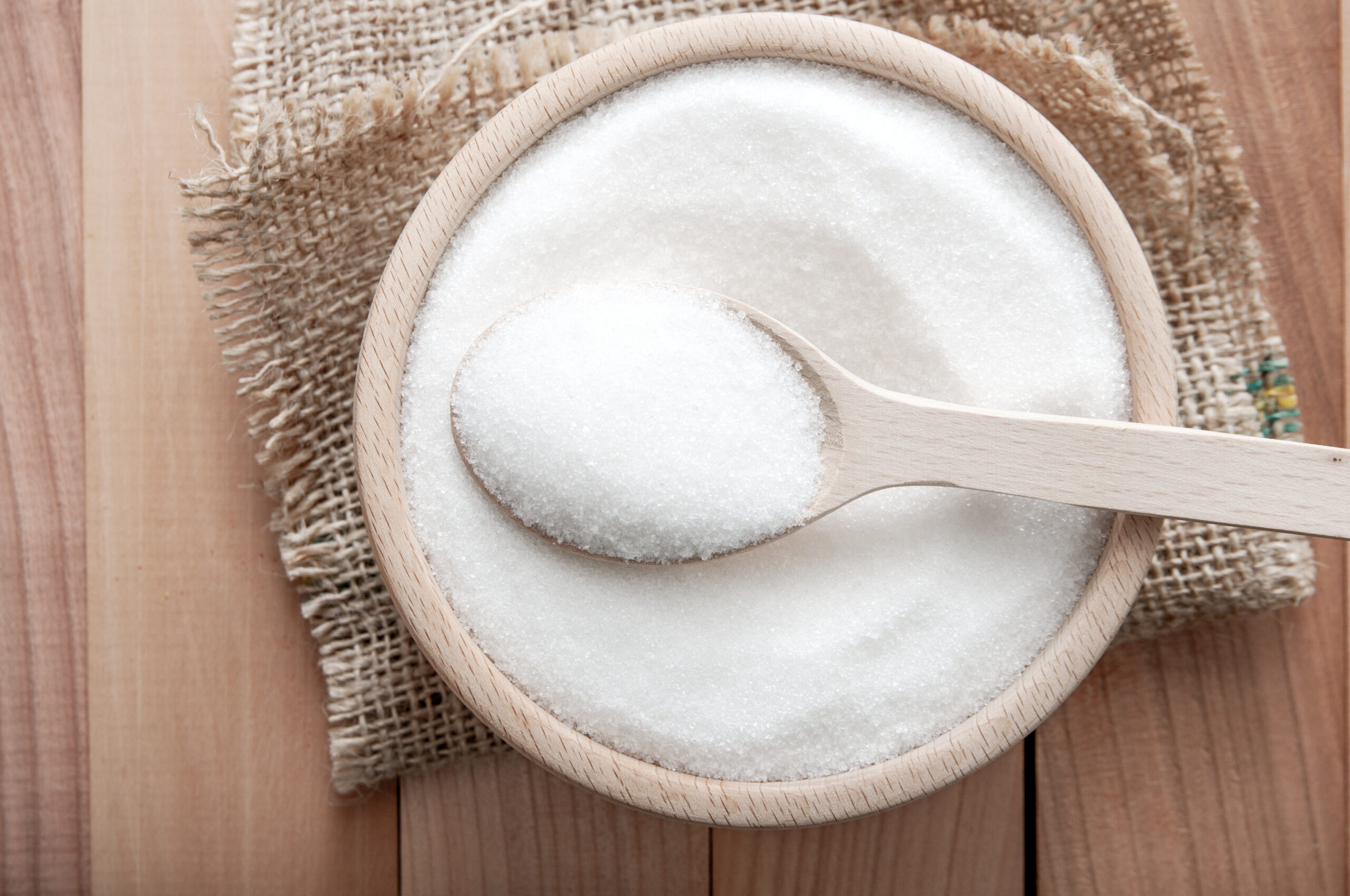
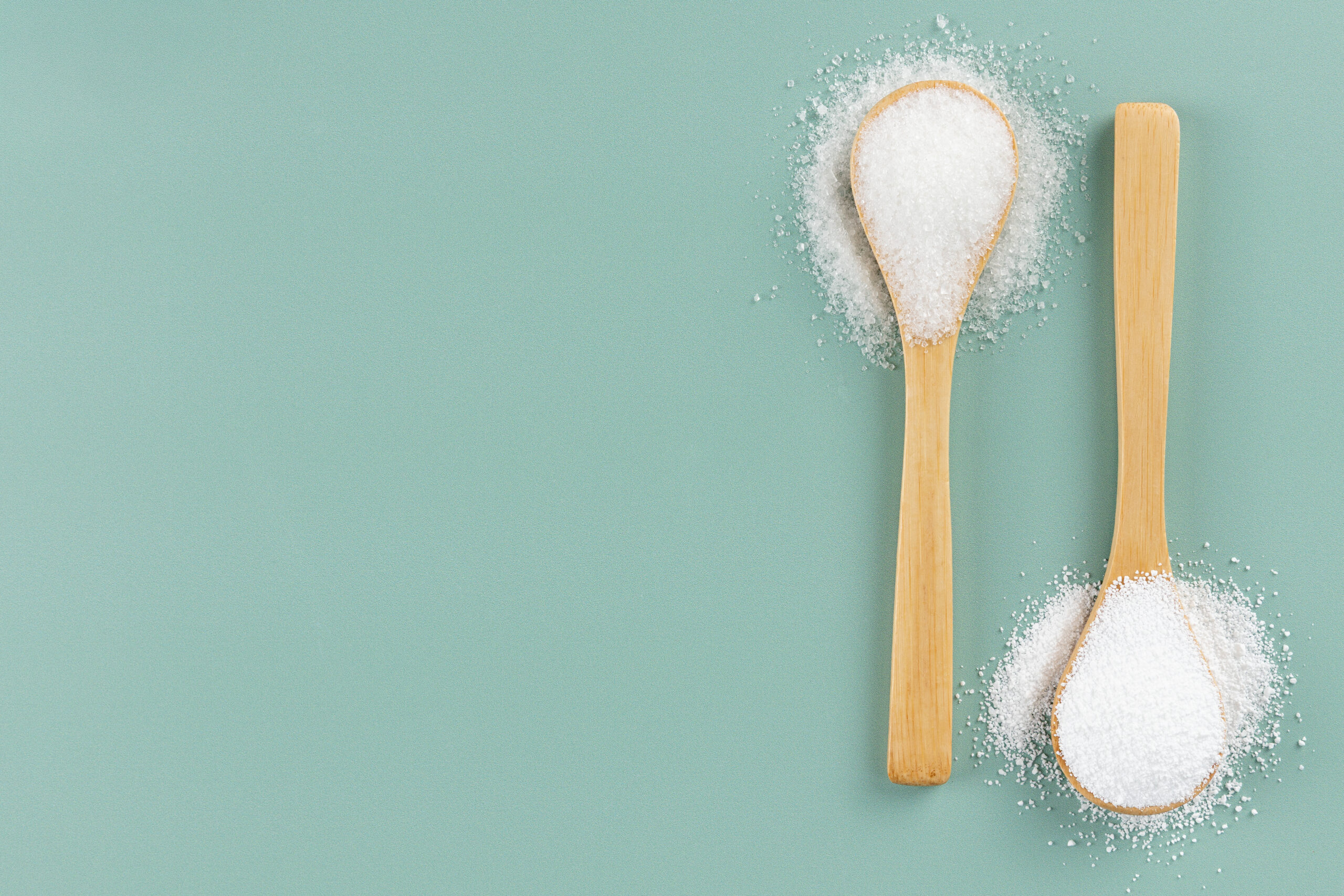
In 2015, food and beverage manufacturing companies gained another sweetener choice for lower calorie formulations: allulose. Because it is a low-calorie sugar, allulose offers the taste and texture of sugar but with 90 percent fewer calories than full caloric sugar.

As a substance that exists in nature, allulose is found in small quantities injackfruit, figs, raisins and wheat and is naturally present in small quantities in foods including caramel sauce, maple syrup and brown sugar. Allulose (also known as psicose and D-psicose) is Generally Recognized As Safe (GRAS) by the U.S. Food and Drug Administration (FDA) for use as a food ingredient and in conjunction with other sweeteners under two separate notifications (400 and 498).

The applications for allulose allowed by the FDA include carbonated and non-carbonated beverages; rolls, cake, pie, pastries, biscuits and frostings; yogurt, both regular and frozen; frozen dairy desserts, including regular ice cream, soft serve, sorbet; salad dressings; jams and jellies; chewing gum; hard and soft candies; sweet sauces and syrups; gelatins, puddings and fillings; fat-based cream used in modified fat/calorie cookies, cakes and pastries; medical foods; and coffee mix.

In addition to the variety of use applications, allulose has several beneficial health characteristics. When people consume products with allulose, the body absorbs the allulose, but does not metabolize it. Allulose is therefore not converted to glucose, so its calories are not available to the body, making it practically calorie-free. Unlike other caloric sugars, allulose has no impact on blood glucose or insulin levels. Researchers have also found allulose to be well tolerated.

While allulose is available as a sweetening ingredient for food and beverage manufacturers, allulose is not yet available as a table top sweetener.

For more, visit allulose.org.


Grilled Steak and Vegetable Salad

Posted by & filed under Aspartame, BBQ & Grilling, Dinner, Meat & Poultry, Recipes, Salad.

Makes 6 Servings

Ingredients

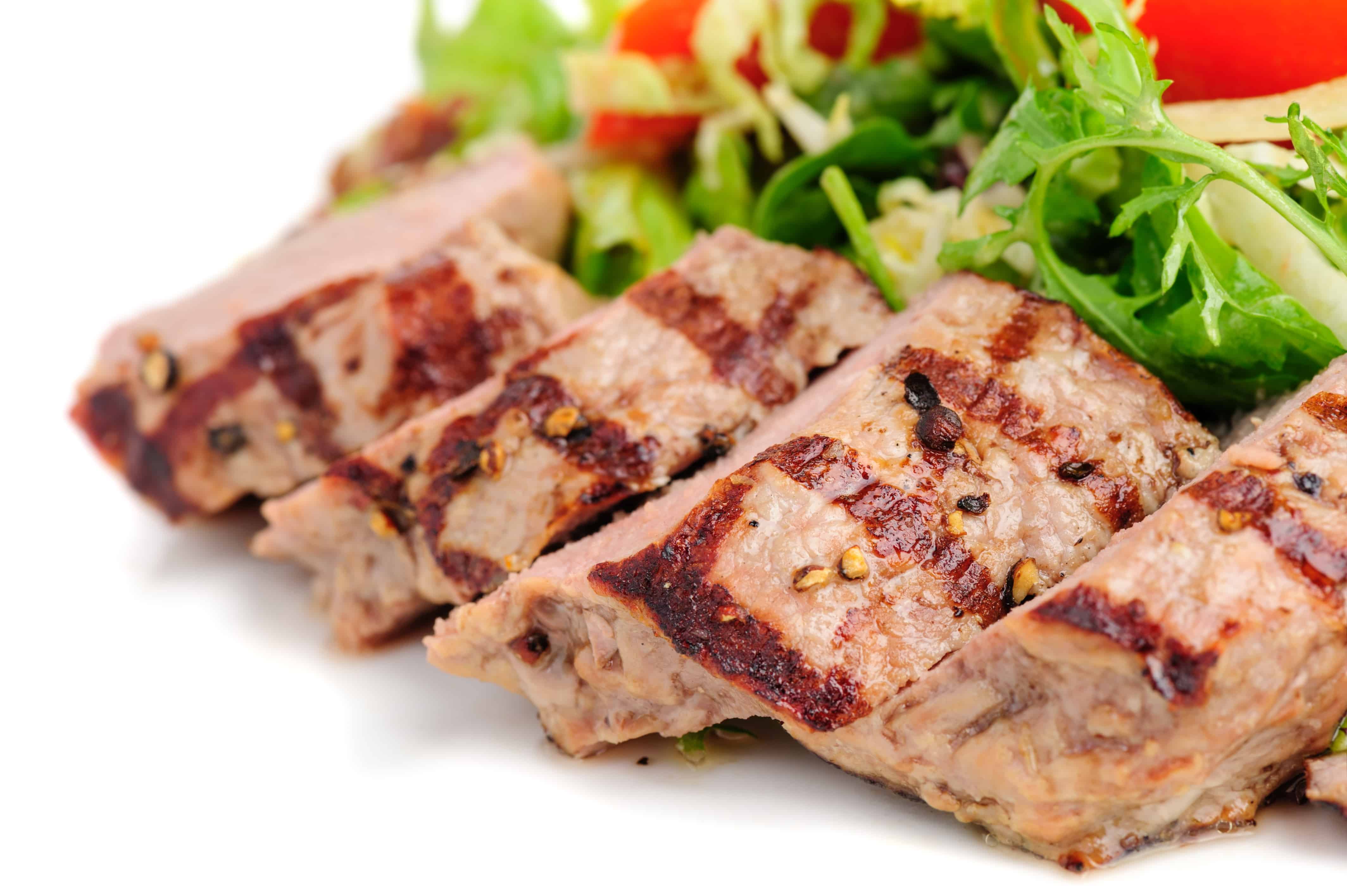
1-1/2 pounds beef flank steak, fat trimmed, scored
6 medium Italian plum tomatoes, cut into wedges
1 medium green pepper, sliced
1 medium sweet onion, cut into small wedges
4 ears corn, cooked, cut into 1-1/2 inch pieces

Fresh Herb Vinaigrette

1/3 cup red wine vinegar
1/4 cup water
3 tablespoons olive oil
2 tablespoons fresh lemon juice
2 tablespoons NutraSweet Spoonful or preferred sweetener
2 cloves garlic, minced
3 tablespoons minced fresh or 1 teaspoon dried rosemary leaves
3 tablespoons minced fresh or 1 teaspoon dried oregano leaves
1/2 teaspoon salt
1/4 teaspoon pepper

Directions

Combine all vinaigrette ingredients in covered jar; shake to mix. Makes about 3/4 cup. Keep in fridge until ready to use.

Grill steak over medium-hot coals to desired degree of doneness, about 20 minutes for medium, turning steak halfway through cooking time. Slice steak, diagonally across grain, into scant 1/4-inch slices. Combine sliced meat and vegetables in shallow serving bowl. Pour dressing over and toss. Serve immediately or refrigerate several hours and serve chilled.

NOTE: If desired, steak can be broiled rather than grilled for the same amount of time.

Nutrition Information

Calories: 305
Protein: 25g
Carbohydrates: 18g
Total Fat: 16g
Saturated Fat: 5g

The post Grilled Steak and Vegetable Salad appeared first on Aspartame.


Love Your Heart: Cutting Back on Added Sugar

Posted by & filed under Aspartame, Heart Health, Lifestyle Articles.

By: Amber Pankonin MS, RD, CSP, LMNT —

Did you know that heart disease is the number 1 killer of women? It’s hard to believe that more women die of heart disease than cancer. In fact, ninety percent of women have one or more risk factors for developing heart disease. That news might be heart breaking, but it doesn’t have to break yours. One way that you can love your heart and reduce your risk for heart disease is by reducing the amount of added sugars in your diet. Added sugars in the diet have been linked to high blood pressure, high cholesterol, and obesity. All of these conditions can put you at increased risk of heart disease.

Sugar-sweetened beverages and foods like cereal, desserts, and candy all contain sources of added sugars. How much is too much? Well, the American Heart Association recommends no more than 6 teaspoons or added sugar for women and 9 teaspoons a day for men. That adds up to only 100 calories of added sugar for women and 150 calories of added sugar for men. With the average person consuming over 22 teaspoons of added sugar daily, it is important for consumers to have options.

This is why sugar substitutes like aspartame can play an important role in loving your heart. Aspartame contains zero calories, tastes delicious, and is safe to enjoy. This makes it a great option for women wanting to reduce their overall sugar and calorie intake. By switching from regular to diet soda, this can save you over 8 teaspoons of added sugar. Over time, that can really add up! Aspartame is not only an effective for weight loss, but it can also be effective for weight maintenance. Reducing overall calorie and added sugar intake by choosing aspartame can lead to weight loss, which can help lower body weight and decrease blood pressure and cholesterol values. That is not only good news for your waistline but also great news for your heart!


Amber Pankonin MS, RD, CSP, LMNT is a registered dietitian and licensed medical nutrition therapist based in Lincoln, NE. She works as a nutrition communications consultant, freelance writer, food photographer, and adjunct professor at the University of Nebraska- Lincoln. Amber shares her love for food and nutrition at Stirlist.com, an award winning website, focusing on healthy, easy recipes for the busy cook. Amber serves on several boards including the Nebraska Academy of Nutrition and Dietetics and the Nutrition Entrepreneurs Dietetic Practice Group, and also cofounded a group to motivate female entrepreneurs in her town. You can follow her on Twitter @RDamberInstagramPinterest, or connect with her on Facebook.
The post Love Your Heart: Cutting Back on Added Sugar appeared first on Aspartame.


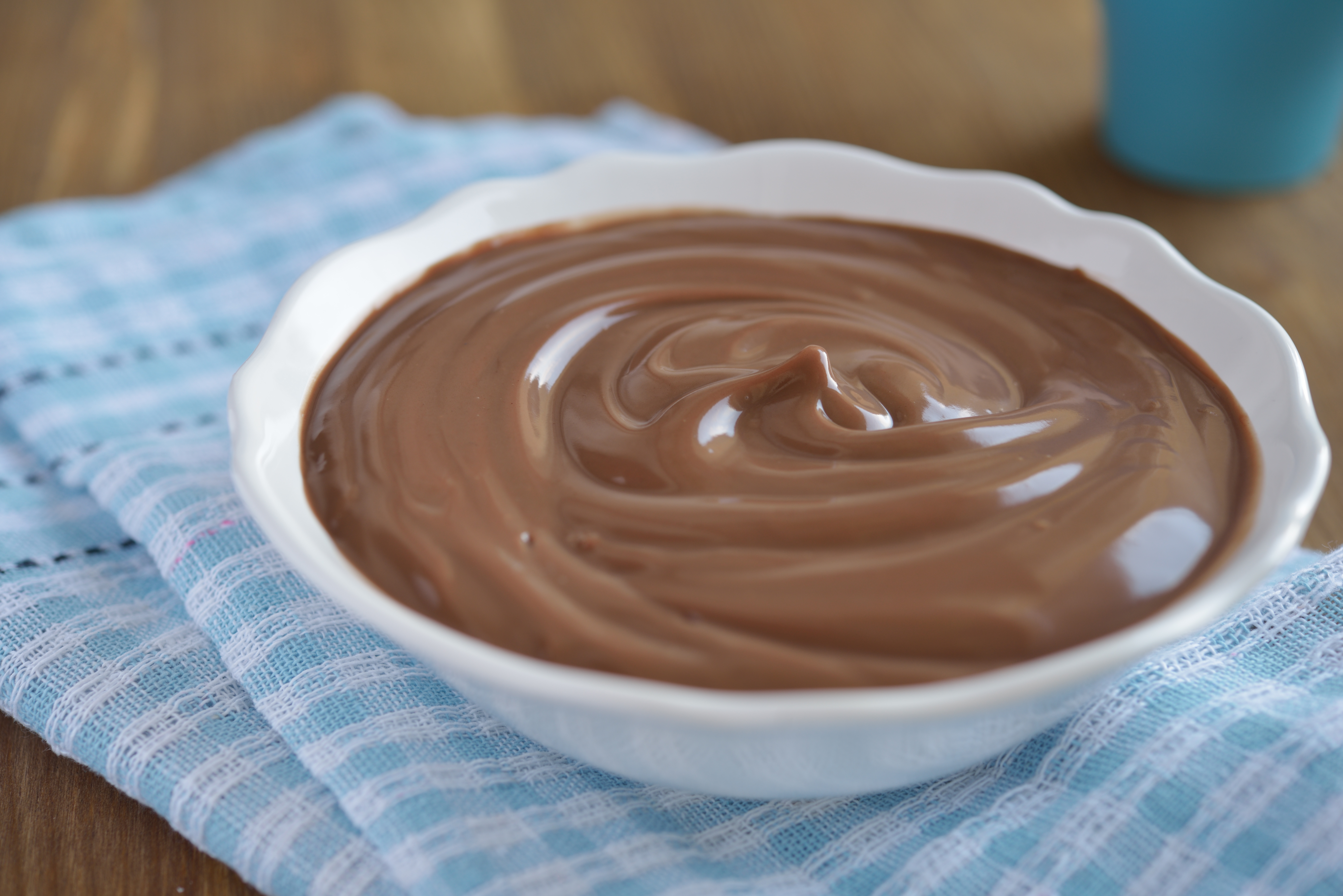
Dark Chocolate Pudding

Posted by & filed under Desserts, Recipes, Stevia.

Makes 5 Servings

Ingredients

2 cups reduced fat (2%) milk, divided
3 tablespoons Stevia In The Raw® Bakers Bag
2 tablespoons packed brown sugar
2 tablespoons cornstarch
2 tablespoon unsweetened Dutch-process cocoa power
Pinch of salt
4 ounces bittersweet (70 percent) chocolate
1 teaspoon vanilla extract

Directions

Heat 1 ¾ cup of the milk in a heatproof measuring cup in the microwave (or a small pan over medium heat) until bubbles form in a ring around the edge. Add the chocolate to the milk and whisk until all chocolate is melted. Set aside.

In a heavy medium saucepan, whisk the stevia, brown sugar, cornstarch, cocoa, and salt with the remaining ¼ cup cold milk. Cook over medium heat, whisking often, until the mixture is thick enough for your finger to leave a line on coated spoon, about 10-15 minutes. Do not let the mixture boil.

Off the heat, add the reserved chocolate milk and mix until incorporated. Stir in the vanilla. Return the mixture to the heat until it is very thick, about 1 minute. Divide the hot pudding among 5 pudding cups or small bowls. To avoid a skin forming, press plastic wrap onto the surface of each serving. Cool and serve the pudding lukewarm, at room temperature, or refrigerate until chilled, 4 hours, before serving. This recipe keeps for 4 days, covered, in the refrigerator.

Nutritional Information

Calories 200
Fat 12g
Carbs 25g
Protein 5g
Fiber 2g
Sodium 100mg


Recipe courtesy of InTheRaw.com.

The post Dark Chocolate Pudding appeared first on Steviabenefits.org.


U.K. Change4Life Campaign Encourages Sugar Reduction

Posted by & filed under Statements.

In one study, families cut sugar intake by 40% with simple swaps

ATLANTA (February 11, 2015) — A public awareness campaign launched in early January by Public Health England to help reduce sugar intake, particularly among children, has already gained more than 300,000 sign-ups in the first month following the launch. The campaign, called Change4Life, recommends four simple actions to reduce sugar intake, by giving children:

  • Plain cereal instead of sugar-sweetened cereal for breakfast;
  • Sugar-free or no-added-sugar drinks;
  • Reducing the sugar in after school snacks; and
  • Low-fat lower-sugar yogurt instead of ice cream.
According to Public Health England, making simple substitutions can make a large difference in intake. Therefore, the campaign is focused on making feasible recommendations for families to reduce sugar intake this year. Professor Kevin Fenton, National Director of Health and Wellbeing at Public Health England stated, “This campaign is about taking small steps to address this. We know from past campaigns that making simple swaps works and makes a real difference.”
When Public Health England teamed up with Netmums, one of the biggest parenting websites in the United Kingdom, and the University of Reading for a Family Sugar Challenge, 50 participating families cut their sugar intake by 40 percent from the simple swaps outlined in the program. More information about the results can be found here.
Change4Life includes calculators and online tools, including smartphone apps, to help families reach their goals. For more information on the campaign, visit the Change4Life website.
(Image Credit: GOV.UK)

Carrot Cake Cookies

Posted by & filed under Desserts, Recipes, Sucralose.

Makes 18 Cookies

Ingredients

1/2 cup honey
1/4 cup SPLENDA® Sugar Blend
1 tablespoon unsalted butter, softened
1/4 cup canola oil
1 egg
1 egg white
3 cups shredded carrots (6 medium)
2 cups all-purpose flour
1/2 cup whole wheat flour
1 1/2 teaspoons pumpkin pie spice
1/2 teaspoon baking powder
1/2 teaspoon baking soda
3/4 cup chopped walnuts or pecans
2 ounces reduced-fat cream cheese, softened
1/2 cup powdered sugar
2 -3 teaspoons fat-free milk
1/4 cup chopped walnuts or pecans (optional)

Directions

Preheat oven to 350 degrees F. Coat two large cookie sheets with nonstick cooking spray or line with parchment paper; set aside.

In a large bowl, combine honey, Splenda, and butter; beat with an electric mixer on medium speed until well mixed. Beat in oil, egg, and egg white. Stir in carrots.

In a medium bowl, stir together flours, pumpkin pie spice, baking powder, baking soda, and 1/4 teaspoon salt. Add flour mixture to carrot mixture, half at a time, stirring until moistened after each addition. Stir in the 3/4 cup nuts.

Using a tablespoon measuring spoon, drop 36 mounds of dough 2 inches apart onto prepared cookie sheets. If desired, press with moistened fingers to flatten each mound slightly. Bake for 10 to 12 minutes or until lightly browned. Transfer to wire racks; cool completely.

For drizzle, in a small bowl, combine cream cheese and powdered sugar; beat with an electric mixer on medium speed until well mixed. Beat in enough of the milk to make a drizzling consistency. Drizzle over cooled cookies. If desired, sprinkle with the 1/4 cup nuts.

Nutritional Information

Calories: 189
Total Fat: 8g
Saturated Fat: 1g
Trans Fat: 0.0g
Cholesterol: 16mg
Sodium: 109mg
Total Carbohydrates: 27g
Dietary Fiber: 2g
Sugars: 5g
Protein: 4g

The post Carrot Cake Cookies appeared first on Sucralose.


faq2Do you have questions about low-calorie sweeteners? Want to learn more about maintaining a healthy lifestyle? You asked and we listened. Our resident Registered Dietitians answered the most popular questions about low-calorie sweeteners.

Media Contacts

For media inquiries please reach out to any of the below contacts: