Mouse Study Comparing Fructose and Glucose Diets with Sucrose (Sugar) Diets Not Applicable to Humans

Posted by & filed under Fructose, Statements.

ATLANTA (January 16, 2015) — Findings presented in a study titled “Compared to Sucrose, Previous Consumption of Fructose and Glucose Monosaccharides Reduces Survival and Fitness of Female Mice” by Ruff et al.1 should be interpreted with caution. The authors overstate that “This study provides unique experimental evidence that the consumption of a 1:1 ratio of F/G can dramatically decrease female mammalian health compared with the intake of an isocaloric amount of sucrose” as it is well-established that findings in one species are often different that those in other species.   The study was conducted on mice and it is well known that humans and rodents metabolize substances differently. The authors report that female, but not male, mice eating fructose and glucose live less and reproduce less than mice fed sucrose. Unfortunately, no necropsy or physical exams including blood parameters and metabolic tests throughout the study were reported so any potential reason proposed for these findings would simply be speculation. As Dr. Luc Tappy, a researcher that focuses on environmental and dietary factors involved in the development of obesity and type 2 diabetes commented on this study, “There is presently no hint regarding the possible underlying mechanisms.”2

In addition, the Calorie Control Council** cites the following as serious limitations of the study:
  • The organismal performance assay (OPA) testing environment introduces unique stressors. Mice appear to respond comparably to Fructose/Glucose or sucrose when fed diets prior to being housed in the OPA environment. However, when mice are placed in an environment that stimulates competition, mice respond differently. While these mice were previously fed different diets, once in the OPA environment, they are all competing for a single source and type of feed, which can introduce stress to the mice that could contribute to the effects observed by the study authors.
  • The authors do not account for natural rodent behavior. Mice are known to kill and cannibalize one another. It is unknown if the reduced female survival in this study was due to natural rodent behavior. Also, while the study reports differences in the total number of offspring, the authors do not describe if the number of offspring per female was affected.
  • There are differences between rat and human bodily processes and it cannot be assumed that the reported results of this study would apply in humans.
  • Other factors may have influenced the findings. Although authors controlled for many variables that could have affected the outcome of the study, many important behavioral and dietary factors were not accounted for. For example, mice responded similarly to the two diets for 40 weeks. It was not until the mice were placed in a potentially stress-inducing environment, while consuming the same diet, that they behaved differently.
The metabolism of fructose has been studied for decades and is well documented in the scientific literature and has not been shown to cause metabolic problems. Regardless of the fructose source (e.g., fruits, vegetables, honey, high fructose corn syrup (HFCS), crystalline fructose or table sugar), fructose is metabolized using the same metabolic pathways. Many factors contribute to optimal health, such as eating habits (including balance and moderation) and exercise. Health problems are unlikely to be caused by one particular food ingredient such as fructose.


1 Ruff, JS, SA Hugentobler, AK Suchy, MM Sosa, RE Tanner, ME Hite, LC Morrison, SH Gieng, MK Shigenaga, WK Potts. Compared to Sucrose, Previous Consumption of Fructose and Glucose Monosaccharides Reduces Survival and Fitness of Female Mice. J. Nutr. 2015 jn.114.202531. First published December 10, 2014, doi: 10.3945/jn.114.202531.
2 Tappy, L. Health Effects of Sugars: In Search of Novel, Unsuspected Pathogenic Pathways. J. Nutr. 2015 jn.114.206912. First published online December 24, 2014. doi:10.3945/jn.114.206912
** The Calorie Control Council (the “Council”) is an international association of manufacturers of low-calorie, reduced-fat and “light” foods and beverages. Companies that make and use low-calorie sweeteners are among the Council’s members.



Hot White Chocolate

Posted by & filed under Drinks, Recipes, Sucralose.

Makes 1 Serving

Ingredients

1 packet SPLENDA® Flavors for Coffee, French Vanilla
2 tablespoons white chocolate chips
1/2 cup skim milk
1/2 cup fat-free half-and-half

Directions

Place ingredients into large mug. Microwave until hot, stirring every 30 seconds.

Nutritional Information

Calories 240
Total Fat 7g
Cholesterol 25mg
Sodium 200mg
Carbohydrates 32g
Sugars 27g
Protein 10g


Recipe courtesy of Splenda.com.

The post Hot White Chocolate appeared first on Sucralose.


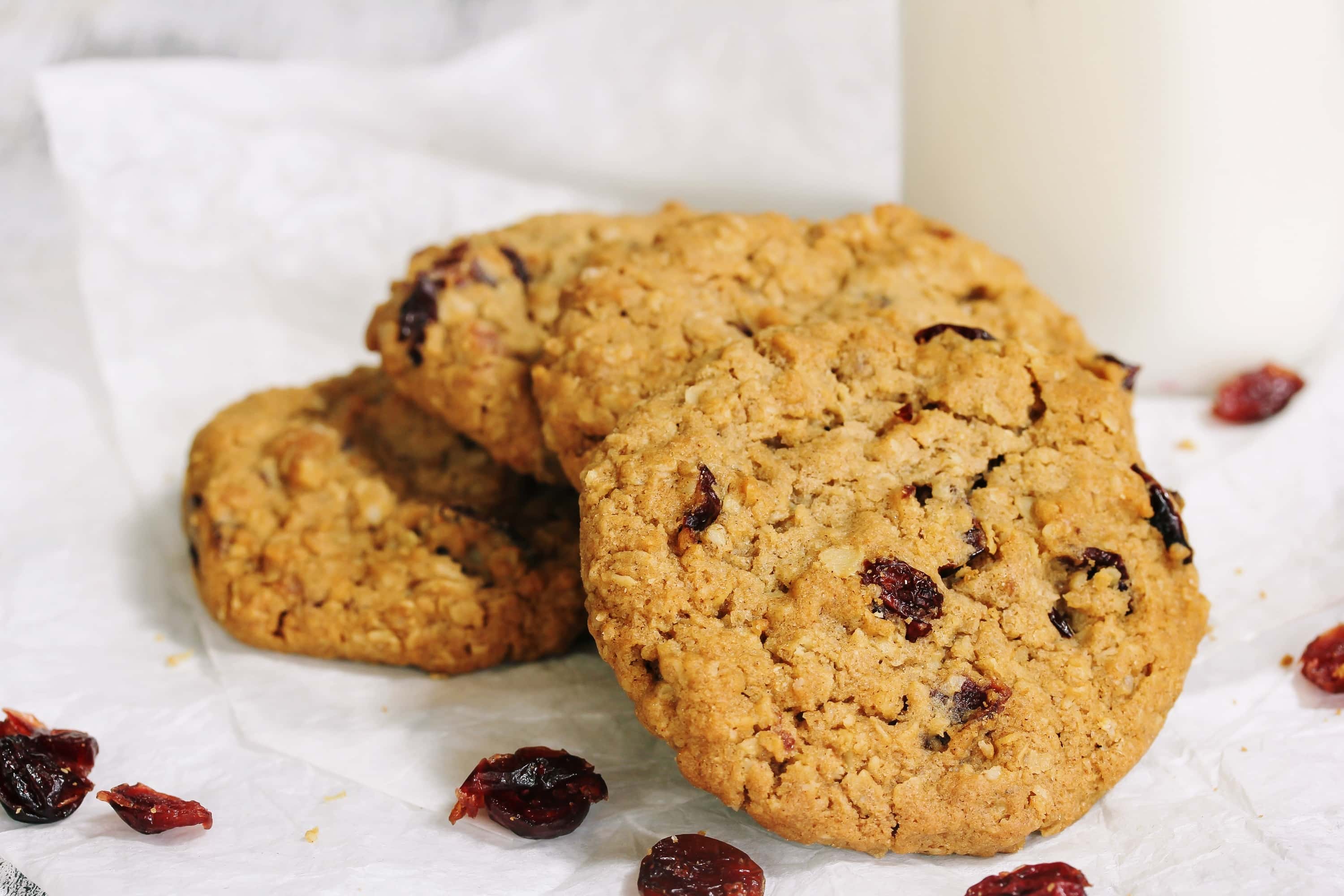
Orange Cranberry Cookies

Posted by & filed under Aspartame, Desserts, Recipes.

Makes 24 Servings

Ingredients

1/4 cup stick butter, softened
1 egg
3 tablespoons frozen orange juice concentrate, thawed
3/4 cup all-purpose flour, sifted
1/4 cup quick or old-fashioned oats, uncooked
1/3 cup Equal Spoonful or Granulated*
1/4 teaspoon baking soda
1/8 teaspoon cream of tartar
Dash salt
1 teaspoon grated orange peel
1/2 cup dried cranberries
1/2 cup chopped walnuts

Directions

Beat butter in a medium bowl. Beat in egg and orange juice concentrate.

Mix combined flour, oats, Equal, baking soda, cream of tartar, salt and orange peel into creamed mixture until blended. Stir in dried cranberries and chopped walnuts.

Drop by teaspoons onto ungreased baking sheet. Bake in preheated 375° F oven 8 to 10 minutes or until bottoms are lightly browned. Remove from baking sheet and cool completely on wire rack.

Store in airtight container at room temperature.

Nutritional Information

Calories: 65
Protein: 1g
Carbohydrates: 7g
Fat: 4g
Cholesterol: 14mg
Sodium: 17mg


Recipe courtesy of Equal.com.

The post Orange Cranberry Cookies appeared first on Aspartame.


Webinar: Non-Nutritive Sweeteners and Obesity

Posted by & filed under Webinars.

John D. Fernstrom, PhD, University of Pittsburgh School of Medicine

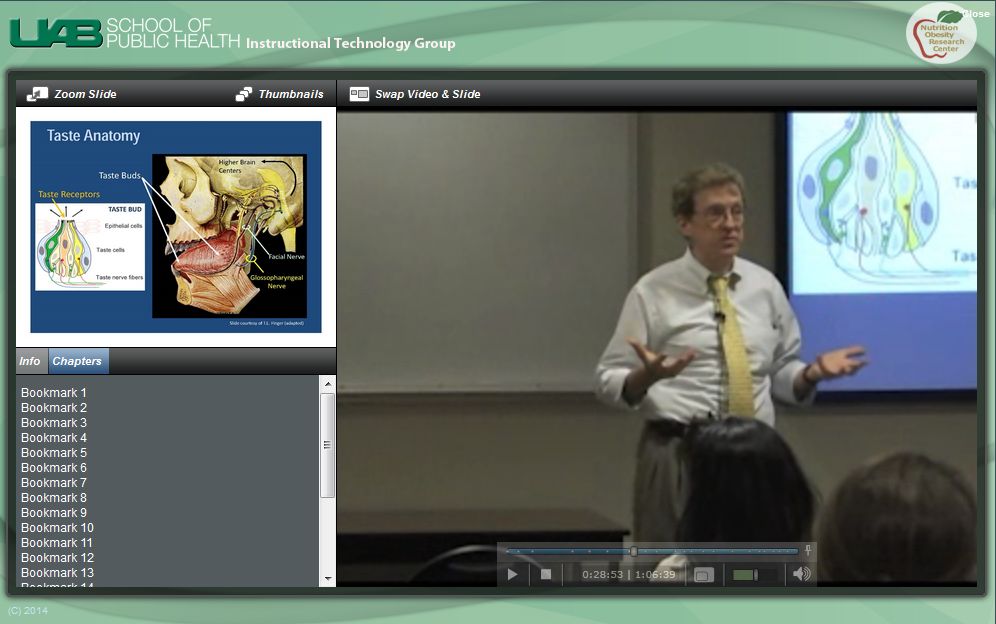
This seminar is part of a seminar series supported by the National Institute of Diabetes and Digestive and Kidney Diseases and the University of Alabama at Birmingham’s Nutrition Obesity Research Center and Department of Nutrition Sciences. John Fernstrom, from the University of Pittsburgh School of Medicine, reviews non-nutritive sweeteners in relation to obesity. In his presentation, Dr. Fernstrom overviews what sweeteners are and how much we consume, if sweeteners are safe and the definition of safe, how sweeteners “work” to generate sweetness, what else they do, and any impact on obesity. Some key take-aways from this presentation include:

  • Daily intake of sweeteners in the United States, even among the highest consumers, is much lower than the level that may be safely consumed daily for a lifetime without health or safety concerns. This level, called the Acceptable Daily Intake (ADI), is based on scientific studies and was set when the U.S. Food and Drug Administration (FDA) allowed for the use of the sweeteners.
  • FDA requires extensive studies and testing before approving a sweetener. In fact, due to the robust evaluation that goes into each sweetener, FDA may not be responsive when a single study reports a concern.


Dr. Fernstrom reviews some of the complex science behind the claims that sweeteners cause obesity. While reviewing some of the research evaluating sweeteners and obesity, Dr. Fernstrom states   “I think the data are pretty convincing on balance that this effect is not there.”

  • “Compounds like non-nutritive sweeteners, and certainly the main ones that we use, actually are safe from the standpoint of government regulation and they’ve been studied extensively.”- John Fernstrom
  • “In terms of nonnutritive sweeteners and obesity, my current view is they’re not causing the epidemic. End of story.”- John Fernstrom


To view the presentation, click here.


faq2Do you have questions about low-calorie sweeteners? Want to learn more about maintaining a healthy lifestyle? You asked and we listened. Our resident Registered Dietitians answered the most popular questions about low-calorie sweeteners.

Media Contacts

For media inquiries please reach out to any of the below contacts: