
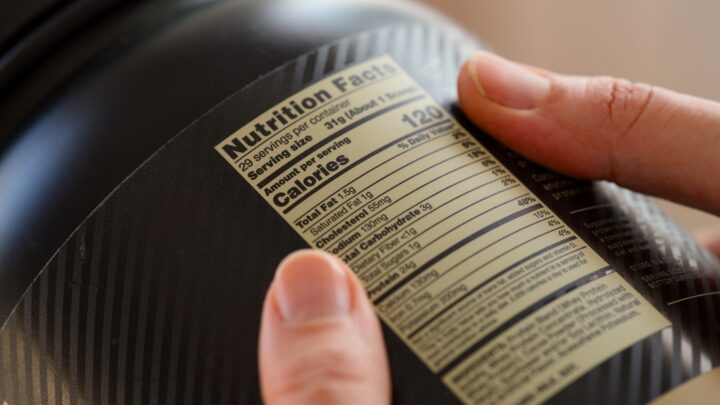
FDA guidance allowing allulose to be excluded from Added Sugars labeling helps improve label accuracy and reduce confusion for people managing blood glucose levels.
For those with type I or type II diabetes, the carbohydrate information provided on nutrition labels serves as a critical role. It helps to manage a potentially life-threatening disease in large part through their diet. Without reliable, accurate nutrition information, those with diabetes cannot accurately calculate the amount of insulin needed for the carbohydrates in their foods and beverages.
Why are carbohydrates the most important nutrient for those with diabetes to monitor?
Carbohydrates have the greatest impact on blood sugar levels because the body breaks carbohydrates down into glucose (sugar). Those with diabetes have a problem producing insulin, and need to inject insulin or take medication when consuming carbohydrates to enable the glucose to be used by their body’s cells. This is instead of remaining as sugar in the blood stream (hence the term “high blood sugar”). This is why accurate information about the carbohydrate content is essential for calculating an appropriate insulin dosage.
It is also important to note that various components comprise the total carbohydrate count, and there are different types of physiological effects of each. For example, the total sugar and added sugars declared on labels would increase blood sugar levels, while dietary fiber, which is also considered a carbohydrate, would not.
The importance of accurate nutrition labeling for people with diabetes.
People with diabetes expect that the carbohydrates, i.e. sugars and added sugars listed on nutrition labels will have an impact on their blood glucose level. This is why listing the allulose as a total sugar and added sugar under the total carbohydrate count on nutrition labels would be especially misleading, confusing, and potentially dangerous for the over 100 million U.S. adults now living with diabetes or prediabetes[1].
Allulose, a “rare sugar” discovered in small quantities in natural sources such as figs and maple syrup, is a monosaccharide and classified as a “sugar” based on its molecular formula.
However, allulose is not metabolized by the body and therefore contributes negligible calories and does not impact blood glucose levels. A comprehensive label study included in a citizen petition[2] to the U.S. Food and Drug Administration (FDA) corroborates the belief that consumers will be misled by the labeling of allulose as a carbohydrate and sugar. In this study of over 4,000 adults, the labeling of allulose as an added sugar led to confusion about the impact on blood glucose. In total, 52 to 65% of respondents with diabetes evaluating labels mistakenly believed that a flavored beverage with allulose contained sugar.
The FDA is responsible for protecting public health by ensuring the safety, efficacy, and security of the nation’s food supply. Those living with diabetes must place significant trust in FDA, and other regulatory bodies when abroad, to protect the accuracy and integrity of nutrition information provided on food and beverage packaging.
New draft guidance published in April 2019 indicates FDA’s efforts to reduce consumer confusion over the new nutrition facts label by allowing allulose to be excluded from total and added sugar listings on labels when used as a food ingredient. For those living with or without diabetes, this will help provide additional clarity around the total carbohydrate counts on nutrition labels. It will also allow for the enjoyment of foods and beverages sweetened with allulose, while hopefully minimizing unintended health consequences of misinformation.
Learn more about allulose.
[1] New CDC report: More than 100 million Americans have diabetes or prediabetes. CDC Online Newsroom. CDC. (2017, July 18). Retrieved from https://www.cdc.gov/media/releases/2017/p0718-diabetes-report.html
[2] Citizen Petition from Tate and Lyle. Regulations.gov. https://www.regulations.gov/document?D=FDA-2015-P-1201-0001. Published April 14, 2015.