While type 1 diabetes and gestational diabetes cannot be prevented, type 2 and prediabetes can be prevented and even reversed. With the right tools, people with type 1 and type 2 diabetes can still lead healthy lives and minimize their risk of diabetes-related complications. Everyone living with diabetes requires a personalized plan to test, monitor and control their blood glucose levels with insulin or, in the case of type 2 diabetes, oral medication. In all types, a healthy diet is an essential component of diabetes management and prevention plans.
A letter to the editors of the Journal of the American College of Cardiology was published, entitled “Sugary Drinks, Artificially-Sweetened Beverages, and Cardiovascular Disease in the NutriNet-Santé Cohort”. 1This letter references the findings of an observational study conducted by the authors, which was published previously in the European Journal of Public Health, and reports that both sugar and low-and no-calorie sweetened (LNCS) beverages are associated with an increased risk of cardiovascular disease (CVD).2 Not only is there no evidence of a causal relationship between the use of LNCS and CVD risk, the Calorie Control Council maintains its longstanding position that, when consumed as part of a healthy and balanced diet, the consumption of LNCS may serve as a tool for managing body weight, blood glucose control and sugar intake.
Research Limited by Several Factors
The Calorie Control Council strongly cautions that its findings should be interpreted carefully due to several limitations in the study methodology:
Epidemiological studies, even those built on large sample sizes, are subject to potential pitfalls including reverse causality, in which participants who were already at increased risk for CVD chose LNCS to help manage their caloric and sugar intake.
Confounding is another important limitation of these types of studies, which refers to the inability to control for lifestyle and other factors that influence health outcomes, such as exercise and smoking.
Observational studies such as the one conducted by Chazelas et al. cannot prove cause-and-effect relationships.
Self-reported data is subject to inaccurate and/or underreporting. The use of 24-hour dietary recall records, which were collected every six months throughout the study duration may not be an accurate reflection of actual intake and any changes in consumption over time.
Studies Show Low- and No- Calorie Sweeteners Help Reduce Body Weight
Given the call for a reduction in sugar intake in the recent Dietary Guidelines Advisory Council Scientific Report,3 it is important to recognize the a large body of evidence suggests that LNCS can help in reducing energy intake and body weight.4 A meta-analysis reviewing 35 years of independent studies on the relationship between LNCS and weight status, conducted by Drs. Vanessa Perez and Paige Miller,5 found that randomized control trials “resulted in statistically significant reductions in body weight, BMI, fat mass, and waist circumference.” Further, in her 2019 editorial published in the British Medical Journal, Dr. Vasanti Malik referenced a comprehensive systematic review and meta-analysis on non-sugar sweeteners (NSS) conducted by Toews, et al.,6 and noted, “Based on existing evidence including long term cohort studies with repeated measurements and high quality trials with caloric comparators, use of NSS as a replacement for free sugars (particularly in sugar sweetened beverages) could be a helpful strategy to reduce cardiometabolic risk among heavy consumers, with the ultimate goal of switching to water or other healthy drinks.”7
In conclusion, the highest quality science supports that LNCS can be consumed as part of a balanced diet and can assist with the reduction of cardiometabolic risk through the management of body weight and reduced caloric intake. There is no credible evidence suggesting a link between LNCS consumption and CVD risk.
References
Chazelas et al. Sugary Drinks, Artificially-Sweetened Beverages, and Cardiovascular Disease in the NutriNet-Santé Cohort. J Am Coll Cardiol 2020; 76(18):2175-6.
Chazelas, et al. Sugary drinks, artificially sweetened beverages and cardiovascular disease in NutriNet-Santé cohort, European Journal of Public Health, Volume 30, Issue Supplement_5, September 2020, ckaa165.573, https://doi.org/10.1093/eurpub/ckaa165.573
Dietary Guidelines Advisory Committee. 2020. Scientific Report of the 2020 Dietary Guidelines Advisory Committee: Advisory Report to the Secretary of Agriculture and the Secretary of Health and Human Services. U.S. Department of Agriculture, Agricultural Research Service, Washington, DC.
Rogers PJ, Hogenkamp PS, De Graaf C, et al. Does low-energy sweetener consumption affect energy intake and body weight? A systematic review, including meta-analyses, of the evidence from human and animal studies. Int J Obes. 2016. doi:10.1038/ijo.2015.177
Miller PE, Perez V. Low-calorie sweeteners and body weight and composition: a meta-analysis of randomized controlled trials and prospective cohort studies. Am J Clin Nutr. 2014. doi:10.3945/ajcn.113.082826
Toews I, Lohner S, Gaudry DK De, Sommer H, Meerpohl JJ. Association between intake of non-sugar sweeteners and health outcomes : systematic review and meta-analyses of randomised and non-randomised controlled trials and observational studies. 2018. doi:10.1136/bmj.k4718
Malik VS. Non-sugar sweeteners and health. Bmj. 2019;364:k5005. doi:10.1136/BMJ.K5005
I don’t mean sugar, or what we think of as “sweets”, like pastries, candy, cookies, and the like. I mean the entire phenomenon of sweet taste.
Sugar per se, including white sugar, brown sugar, honey, corn syrup, and all the sugar equivalents like dextrose, glucose, etc., seems to have become the new trans-fat, meaning that there’s nothing good about them.
The “keto” craze takes it to the max, demonizing carbohydrates in general, but in all low-carb diets, added sugar is the first thing to go. Any of the popular, dare I say, “fad”, diets also demonize sugar.
The “culture of sweet” seems to have changed, such that even having a fondness of sweetness is frowned upon. Watch a judged cooking series (other than those specifically about desserts) for very long and you’ll often find a chef on the panel who claims he’s “not really a sweets guy, I’m a savory guy,” or something similar.
When sweets are eaten, they must be enjoyed with guilt: a delicious dessert is “sinful” or it tastes so good it “should be illegal.” Sweetened beverages have taken much of the criticism in the war on sweetness. Merely mention soda and people not only wince, but feel righteous about saying they never drink soda and would never allow their kids to drink them.
Sugar: We’re Eating Less
In 1999, we ate an average of 90.2 pounds of sugar per year As of 2017, we reduced this to 75 pounds per year, or about 373 calories per day. Better, but still too high.
The 2015-20 US Dietary Guidelines for Americans recommended having no more than 10% of our total calories from added sugars, or about 200 calories in the 2000-calorie reference diet. The Dietary Guidelines Advisory Committee recently submitted their recommendations for the 2020-2025 US Dietary Guidelines and took things to the next level and lowered the recommendation to 6% of total calories, about 120 calories per day in the reference diet.
This calls for a drastic reduction from current consumption. Basically, one 12-oz soda and it’s over. No sugar in your coffee or tea, definitely no sweet desserts. Clearly, careful “spending” of sugar calories is required.
It’s About More Than Sugar
Despite their lack of calories, LNCS haven’t escaped the evil eye in the war on sweet, even though most LNCS are, dietetically, calorie-free. A recent article in the New York Times pointed out that LNCS have not been able to solve the obesity crisis, and that more LNCS options have accompanied a continued rise in obesity rates.
This “association” makes no sense because no single intervention should be held responsible for solving the obesity crisis. LNCS were intended to be a tool for use by anyone wanting less added sugars in their diets, regardless of weight status. This might be an overweight person, a person living with diabetes, or a healthy-weight consumer who would simply like some variety in their choices of beverages and foods but with less added sugar.
Bottom line: LNCS are a tool. All tools have to be used judiciously and with purpose. They can help eliminate excesses of added sugar, but not excesses of total calories if other areas of the diet are providing that excess. Using them to cut back on added sugar will not help your waistline if you overeat in other areas of the diet or are not also more physically active.
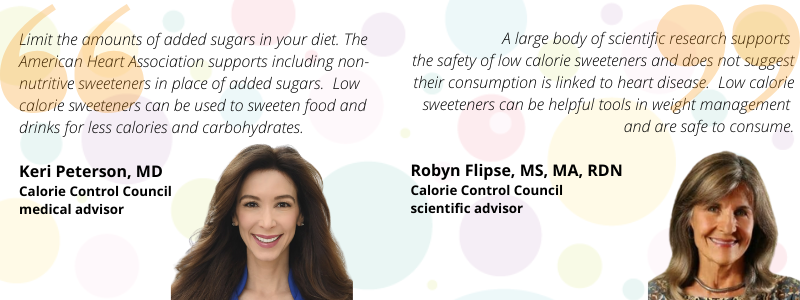
On the other hand, LNCS can be a safe and useful tool to help you cut your intake of added sugars down to the recommended maximum of 6% of total calories. They can also help you enjoy nutrient-rich foods like sweetened yogurt with less added sugar. Years of robust research has shown them to be safe and beneficial for helping people improve their diet quality.
As for worrying that the use of LNCS will “dumb-down” your taste buds and having you wanting sweeter and sweeter foods, relax and try this test: Can you still eat a piece of fresh fruit or a fruit salad without wanting it sweeter? Do you still willingly drink water? If your answer is “yes”, then your taste buds are fine. If you answered “no”, then you taste buds may need a reset. Keep in mind however, that even persons who prefer foods that are more savory than sweet can have “dumbed-down” taste buds and need some healthy moderation.
Keith Ayoob, EdD, RDN, FAND, is an Associate Clinical Professor Emeritus at the Albert Einstein College of Medicine. As a pediatric nutritionist and registered dietitian, Dr. Ayoob is also a past national spokesperson for the Academy of Nutrition and Dietetics. Dr. Ayoob is a consultant with the Calorie Control Council Advisory Board and the Global Stevia Institute (GSI), GSI is supported by PureCircle Ltd, a global leader in purified stevia leaf extract production.
How can I avoid Halloween weight gain without missing out on the fun? It’s a question we all ask every October. Between holiday parties and baskets filled with high-calorie sweets, it’s little surprise the number on the scale tends to rise in late October. So how do you prevent packing on the pounds while still participating in all the spooky festivities?
Foods and beverages containing low-calorie sweeteners provide a simple way to enjoy your favorite treats without the additional calories. For example, choosing sugar-free chocolate will save 50 calories a day. Over the course of a year, that daily calorie savings could result in a five-pound weight loss. Replacing a sugar sweetened beverage with a diet version can shave off 150 calories a day – or 15 pounds – by year’s end.
Here are a few more tips to surviving Halloween without gaining weight:
If you are throwing a party, serve reduced-fat popcorn or fat-free pretzel twists or sticks. Toss in some chocolate candies, as an added treat, but watch portion sizes.
Instead of caramel apples, try serving whole or sliced apples with fat-free caramel sauce.
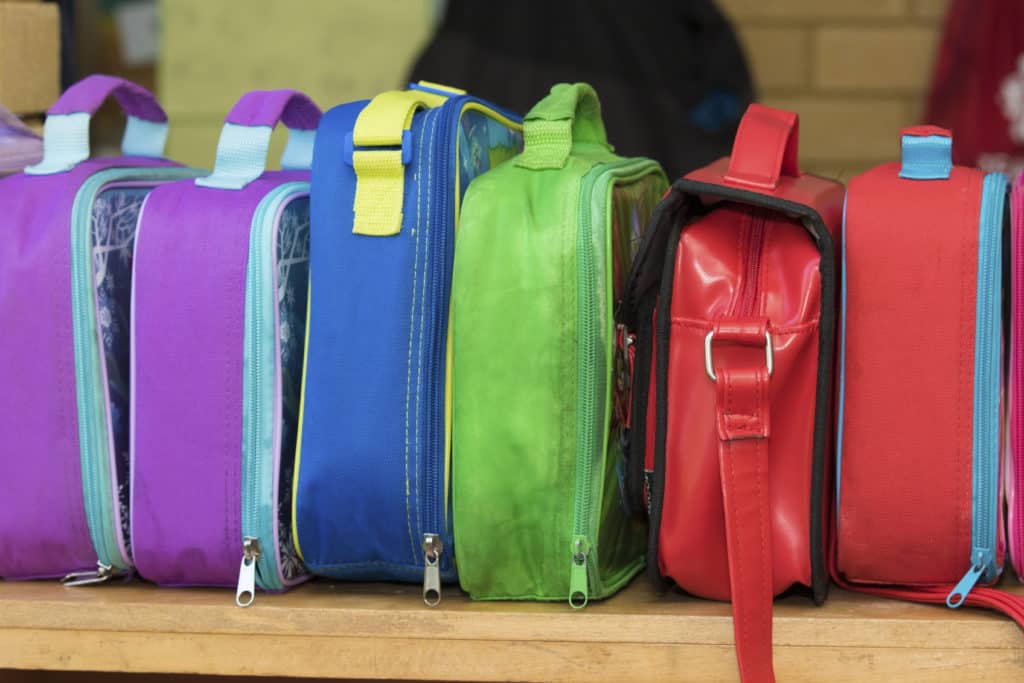
Cut out bread (try a reduced-fat or light version) with a Halloween cookie cutter. Serve with smoked turkey, reduced-fat cheese, tomato, lettuce and other sandwich “fixings.” (You can also send this in your child’s lunchbox. Kids will love this “spooky sandwich”).
After trick or treating, allow your children to choose a designated amount of candy (such as five pieces) to eat that night.
Use sugar substitutes and applesauce to replace oil and sugar when baking treats for Halloween. Explain that you are using these substitutions to make these treats more healthy.
After Halloween is over, let your child pick one treat to eat each day. You can put this in his or her lunchbox as a special surprise.
Choose candy that is sugar-free or is made with a sugar substitute, or is reduced-fat.
And here are two low-cal and kid-friendly recipes sure to “scare off” any weight gain.
Ghosts in the Graveyard
1 package sugar-free instant chocolate pudding
skim milk
2 large containers of whipped topping, thawed
1 package of semi-sweet chocolate chips
1 package of sandwich cookies (oblong shape)
strawberry or raspberry jam Mix pudding as directed, using only half the amount of skim milk indicated on the back of the box. Fold in one container of whipped topping. Spoon evenly into pan, as base of graveyard. Before serving, use a dollop of whipped cream throughout the “graveyard” to make “ghosts.” Use chocolate morsels for eyes. Place sandwich cookies throughout the graveyard as tombstones. Gently spoon strawberry or raspberry jam over tombstones to look like fake blood.
Halloween Witches
1 package (4 serving size) lime gelatin
1 cup light Karo syrup
8 teaspoons (or 24 packets) sugar substitute
shredded carrots
peanut butter
5 quarts popcorn (try light or reduced-fat)
1 box of ice cream cones (waffle type) Combine lime gelatin, syrup and sugar substitute in a heavy saucepan and bring to a boil. Pour over 5 quarts of popped corn. Form into popcorn balls (using buttered hands). Place on a baking sheet covered with wax paper. Spread a small amount of peanut butter on top of each popcorn ball. Add shredded carrots for “hair.” Top with ice cream cone. Additional toppings can be added for eyes, nose, etc. per your desire. Apples can also be used as a substitute for the witch’s “popcorn face.”
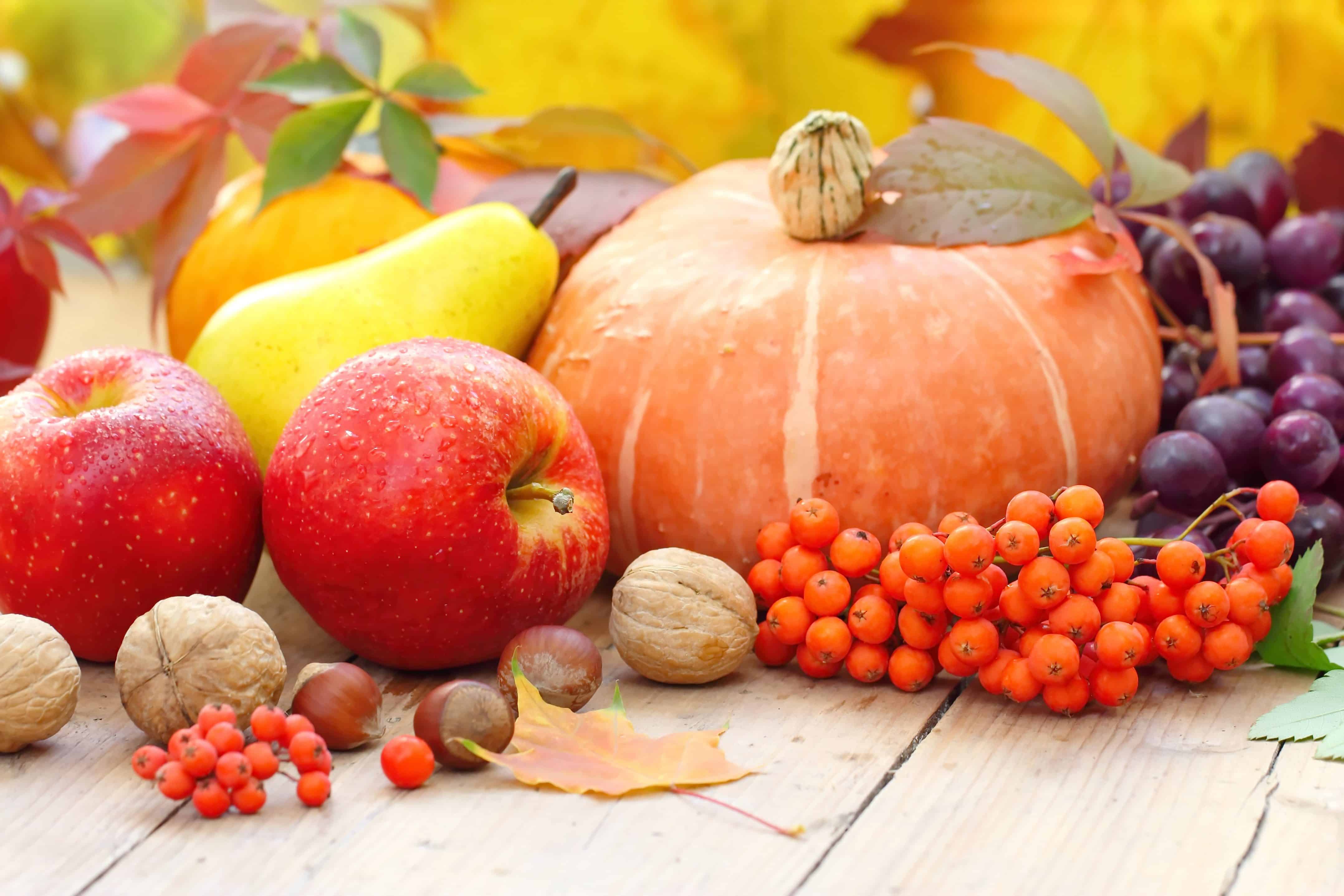
One of my favorite things about the changing seasons is the change in produce that comes with it. These days you can purchase pretty much any fresh fruit and vegetable all year long thanks to companies that ship all across the country, but if you want to get the freshest and most flavorful produce, your best bet is to buy what’s in season locally (or head to the freezer aisle, where you’ll find fruits and veggies that have been flash-frozen at the peak of ripeness). Now that the fall season is well underway, balance out your plate with these fruits and vegetables that are full of nutrients and taste delicious too!
Apples
Apple picking is such a fun fall activity and a great way to stock your fridge with a fruit that has lots of uses. Nutritionally, apples are an excellent source of fiber and a good source of vitamin C. What I love the most about apples is how portable they are – it’s the perfect snack to take with you anywhere you go. Add apples to your culinary repertoire by sautéing with cabbage like I do in my Braised Red Cabbage with Red Apples, mixing into your morning oatmeal with cinnamon, or making baked apples for a quick and easy low-sugar dessert. Here are more ways to fall in love with apples.
Pears
Like apples, pears are an excellent source of fiber, most of which is found in the skin, and a good source of vitamin C. There are many varieties of pears, which makes them fun to experiment with in the kitchen. Try adding sliced pears to your next grilled cheese sandwich, puree into a savory soup for added sweetness, or enjoy at breakfast with this Spiced Pear Oatmeal.
Cranberries
You may be surprised to see cranberries in the produce aisle, but luckily they’ll be lining the shelves come Thanksgiving and Christmas! Cranberries are only second to wild blueberries in antioxidant power, specifically proanthocyanidins, which have been shown to protect against cardiovascular disease and inflammation. Reduce the sugar in your favorite Thanksgiving side dish by using sucralose in your cranberry sauce, make some oatmeal cranberry cookies, or bake with sweet potatoes and Brussels sprouts for a wintry side dish.
Grapes
Fall is the prime season for table grapes, which come in various colors, contain polyphenols (specifically resveratrol), and are an excellent source of vitamin K. You can eat grapes by the handful, or you can roast them and add to grain salads, use to top a pizza, or even add to chicken salad.
There’s no shortage of produce available in the fall, which means there’s no reason to be coming up short on your daily intake. Try some of these recipe ideas or head over to Fruits & Veggies More Matters for more inspiration.
Jessica Levinson, MS, RDN, CDN is a registered dietitian nutritionist and culinary nutrition expert. She has extensive experience as a recipe developer, writer, editor, and speaker. She is the co-author of We Can Cook: Introduce Your Child to the Joy of Cooking with 75 Simple Recipes and Activities (Barron’s, 2011), past columnist for the Culinary Corner column in Today’s Dietitian Magazine, and maintains a popular blog at JessicaLevinson.com. Jessica is an active member of the Academy of Nutrition and Dietetics (AND) and various Dietetic Practice Groups of the AND, including Nutrition Entrepreneurs, Food and Culinary Professionals, and Dietitians in Business and Communications. Follow her out on Twitter, Facebook, Instagram, and Pinterest.
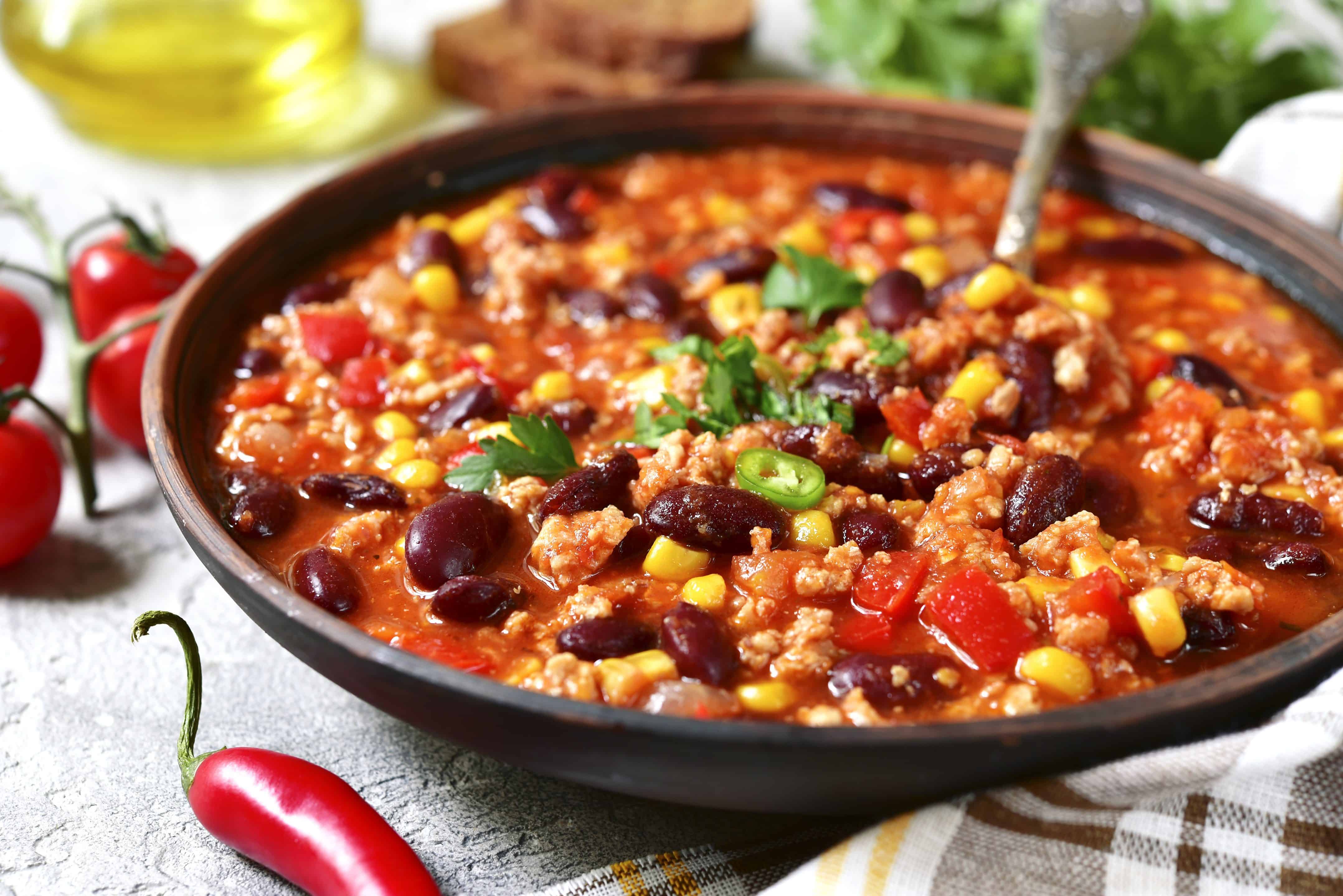
1 tablespoon extra virgin olive oil 1 jalapeno pepper, seeded and finely chopped 1/2 cup chopped onion 1 1/3 cups chopped red and yellow bell peppers 6 teaspoons chili powder* 1 1/2 teaspoons paprika 1/4 teaspoon garlic powder 3/4 teaspoon ground cayenne pepper 1/2 cup Splenda, granulated* 3 tablespoons balsamic vinegar 1 (28 ounce) can crushed tomatoes with thick tomato puree 1 (19 ounce) can black beans, undrained 2 (19 ounce) cans dark red kidney beans, undrained 1 (19 ounce) can cannellini beans or chickpeas, undrained 1 (10 ounce) package frozen whole kernel corn Optional: 1 (12 oz) package of vegetarian crumbles
Directions
In a large, non stick, stock pot heat olive oil. Saute jalapeno pepper, onion, and red and yellow peppers over medium heat until onions are translucent (5-8 minutes). Add the remaining ingredients and slowly bring to a boil. If you like the meaty texture of the veggie crumbles, you can add them now. Cover pot and simmer on low heat for 20 minutes.
Chili tastes best when allowed to sit overnight so I recommend cooling to room temperature and refrigerating it overnight in the pot, covered.
Bring to a boil the next day over a low heat, stirring occasionally. Serve piping hot with corn bread and a variety of toppings like chopped green onions, Greek yogurt instead of sour cream, avocado and shredded low-fat cheddar cheese.
*If hot chili is preferred, increase the ground cayenne red pepper to 1 teaspoon, and increase the chili powder to 7 teaspoons. If sweeter chili is preferred, increase Splenda to 2/3 cup.
Nutritional Information
Per Serving: Calories 170 Total Fat 2g Cholesterol 0mg Sodium 500mg Total Carbs 31g Dietary Fiber 10g Sugars 3g Protein 9g
Do you have questions about low-calorie sweeteners? Want to learn more about maintaining a healthy lifestyle? You asked and we listened. Our resident Registered Dietitians answered the most popular questions about low-calorie sweeteners.





 Jessica Levinson, MS, RDN, CDN is a registered dietitian nutritionist and culinary nutrition expert. She has extensive experience as a recipe developer, writer, editor, and speaker. She is the co-author of We Can Cook: Introduce Your Child to the Joy of Cooking with 75 Simple Recipes and Activities (Barron’s, 2011), past columnist for the Culinary Corner column in Today’s Dietitian Magazine, and maintains a popular blog at