October is Breast Cancer Awareness Month

Posted by & filed under Healthy Lifestyle.

October is Breast Cancer Awareness Month and a great time to learn more about how to lower your risk of the most common cancer in women. While some breast cancer has a genetic link, the good news is 20 years of research finds maintaining a healthy weight, making wise food choices and getting more physical activity can go a long way in improving your odds against developing cancer. So let’s take a closer look at ways you can change your diet to improve your cancer resistance.

Weight Control is Key

Being overweight is a significant factor linked to breast cancer. But even losing small amounts of weight has health benefits. Changes don’t have to be that dramatic to achieve results. Start by eating more whole grains, fruits and veggies in place of higher fat, sugary snacks; watch portion sizes so you don’t overeat and choose leaner cuts of meat and low-fat dairy. Using low-calorie sweeteners is one way to cut calories so you can still enjoy sweets.

Fiber Can Decrease Risk

Both soluble (oats, beans, lentils, pears, apples and flax) and insoluble (wheat bran, nuts, seeds, brown rice, broccoli, celery, lettuce) fiber play a role, especially for women eating 30 grams a day. Insoluble fiber sticks to free estrogens in the gut and sweeps them out so you’re exposed to less of the hormone, which lowers your chances for breast cancer. Eating at 3 – 4 whole grains and 5 – 6 fruits and veggies daily can ensure you get the 30 grams you need.

Fat Matters

Both the amount and type of fat matters. Unsaturated omega-3 fats reduce inflammation, a condition that damages healthy tissue and encourage cells – including cancer cells – to grow. Boost intake of omega-3’s with 3 – 4 servings/week of fatty fish like tuna and salmon, walnuts, flax and chia seeds. Research also suggests a high total fat intake increases breast cancer so focus on baked and broiled rather than fried foods, lean meats and low-fat dairy and more naturally fat-free fruits, veggies and grains.

Fight Cancer with Phytonutrients

These are compounds found in plant foods that keep the immune system healthy and neutralize free radicals and other chemicals that promote cancer growth. Phytonutrients include flavonoids (soy, chickpeas and tea), carotenoids (butternut squash, cantaloupe, carrots, sweet potato), anthocyanins (blueberries, cherries, red cabbage) and sulfides (garlic, onions). By piling your plate with an array of brightly colored fruits and vegetables, you’ll be sure to get enough of these important cancer-fighting nutrients.

Probiotics Can Enhance Your Immune System

You see commercials about probiotics all the time but what’s the real benefit? These organisms, found in fermented or cultured dairy foods like yogurt and Kefir, contain lactic acid bacteria and bifidobacteria that can enhance the immune system and inhibit cancer cell growth, including breast tumors. Enjoy these tasty foods along with phytonutrient-rich fruits in a parfait or smoothie for a double dose of cancer protection.


Keep in mind that whole foods are always a better choice than supplements. There is currently no research supporting the use of dietary supplements for breast cancer prevention, but ample evidence that a nutrient-rich diet and more exercise can help.

If you’re interested in learning more about what you can do to support breast cancer research, check out the Breast Cancer Research Foundation.

A special thanks to Kelly Current, Dietetic Intern at Texas Health Presbyterian Hospital in Dallas, for her help with research for this blog.

Resources

“Modification in the diet can induce beneficial effects against breast cancer” World J Clin Oncol 2014; 5:455-464

“The Impact of Nutrition on the Development and Prognosis of Breast Cancer” Breast Care 2010; 5:377–381

“Nutrition and Women’s Health” Practice Paper of the Academy of Nutrition and Dietetics, J Acad Nutr Diet 2013; 113:1544

“American Cancer Society Guidelines on Nutrition and Physical Activity for Cancer Prevention” CA: Cancer J Clin 2012; 62:30–67


Neva Cochran, MS, RDN, LD 
is a registered dietitian nutritionist based in Dallas. She serves as a nutrition communications consultant to a variety of food and nutrition organizations, including the Calorie Control Council. She is passionate about promoting fact-based food and nutrition information to help people enjoy nutritious eating. Follow her on Twitter @NevaRDLD and check out her blog at www.Neva

How to Make Recipes Your Own: Pumpkin Edition

Posted by & filed under Fall, Lifestyle Articles, Stevia.

By Carolyn Reynaud, MS, RD, LD —
Some people cannot wait until the calendar turns from August to September, just so they can enjoy a variety of seasonal pumpkin food and drink offerings for the rest of the year!  Some folks don’t enjoy pumpkin-spice everything, but I, for one, am totally team pumpkin. I love the nostalgia related to the taste and smell of pumpkin. Even though the season is winding down, I still try to use pumpkin year round. Pumpkin is low in calories, but rich in fiber, vitamin A and other essential vitamins – making it a great addition to a healthy diet.

While the opportunity to try new pumpkin recipes is abundant this time of year, the down side is that many of these foods can be high in sugar, calories, and fat. But fear not pumpkin lovers – we can still evolve our recipes to enjoy healthier versions of the season’s favorites (And really, any time of year is the right time to take control of your diet and adapt recipes).

To celebrate the closing of pumpkin season, I have taken a popular pumpkin recipe to showcase how you can adapt recipes to fit into your healthy diet.

Pumpkin Zucchini Bread

I love fruit and vegetable breads. They can be versatile as a dessert or as a quick breakfast – and they are easy to alter into healthier versions.  I decided to modify a recipe for pumpkin zucchini bread, which allows for bonus vegetables! The adapted recipe comes from Taste of Home’s Pumpkin Zucchini Bread.

My Adaptions to the Recipe:

  • I decided to add whole wheat flour to the recipe to add in more fiber and grains to the bread. I used 1.5 cups all-purpose flour and then 1.5 cups of whole white wheat flour.  (Note: You can completely substitute out the all-purpose flour for the wheat flour for a heartier, denser, and higher fiber bread.)
  • I also substituted ½ cup canola oil (with added omega-3) and ½ cup unsweetened applesauce for the 1 cup of butter. I love using unsweetened applesauce in breads as a partial fat substitute because not only does it cut fat and calories, but it adds in moisture for good texture.
  • The change that had the biggest impact was replacing the 1 cup of white sugar and  1 cup of brown sugar with 1 cup of stevia for baking.  Stevia for baking is not a zero calorie replacement, but a reduced calorie blend of cane sugar and stevia. This product facilitates the browning, taste, and texture which come from sugar in baking while significantly reducing the calories.

The Final Product

The final product was delicious! My adaptions resulted in a tasty, moist bread that I ate for breakfast the whole week. Nutritionally, the changes I made reduced the calories from 176 per slice down to 123 calories per slice, cut fat from 9g to 6.7g, and reduced sugar from 13g down to 3.9g per slice. That is a 9g reduction in sugar in just one slice!

This is just one example of how simple changes can be made to turn a typically high-calorie, high-fat and high-sugar food into something more nutritious. What is one of your favorite recipe adaptations?


Carolyn Reynaud, MS, RD, LD is a licensed registered dietitian and a paid contributor to SteviaBenefits.org. She received her BS in nutrition from Michigan State University and her Masters and Certificate in Public Health from Georgia State University. She has experience working in several avenues of health care including corporate wellness, clinical disease management, research, and health promotion. She has been working as a health coach specialist for close to 6 years, where she counsels patients on preventative healthcare and helps them meet their health goals. Follow her on Twitter @ReynaudCari.


The post How to Make Recipes Your Own: Pumpkin Edition appeared first on Steviabenefits.org.


Lightening Up Favorite Fall Desserts

Posted by & filed under Aspartame, Fall, Healthy Substitutions.

By: Amber Pankonin MS, RD, CSP, LMNT —

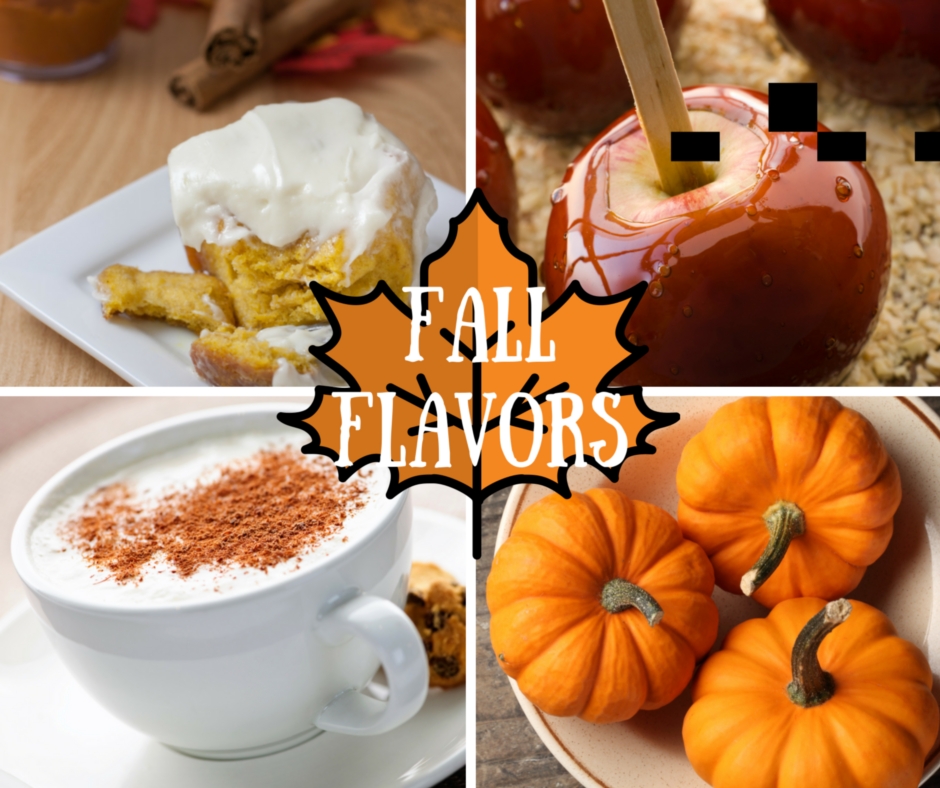
Out of all the seasons, fall is definitely my favorite time of year. I always look forward to cooler temperatures, trips to the pumpkin patch, walking through the apple orchard, and watching college football on Saturdays. I also look forward to the comfort foods with delicious flavors that I know I’ll enjoy during harvest season.  October happens to be National Dessert Month, which makes it the perfect time to celebrate your favorite fall treats.

Popular desserts this time of year include items like pumpkin bread, apple cobbler, pecan pie, caramel apples and bread pudding. Hot beverages like pumpkin spice lattes, caramel macchiatos, and apple cider can be found at most coffee shops and convenience stores. And of course snack foods like kettle corn, trail mix made with candy corn, and spiced nuts with chocolate are always crowd pleasers. With so many delicious flavors and foods this time of year, it can be easy to overdo calories from fats and added sugars.

One way that you can reduce your sugar intake is to experiment with different spices and ingredients. Spices like cinnamon, pumpkin spice, and nutmeg can add a lot of flavor to foods without adding calories. These spices are delicious sprinkled over items like coffee, toast, waffles, popcorn, apple slices, pears, butternut squash, sweet potatoes or even vanilla pudding. When baking muffins or cookies, you can use apple butter, pumpkin, or plain Greek yogurt in your recipes instead of butter or oils. This helps maintain moisture, but can reduce calories from fat. For hot beverages, try herbal teal with lemon and a cinnamon stick. You can also use artificial sweeteners like aspartame to add some additional sweetness without the calories. Artificial sweeteners are not only safe, but they can help satisfy those fall dessert cravings so that you don’t miss out on celebrating National Dessert Month.

Amber Pankonin MS, RD, CSP, LMNT is a registered dietitian and licensed medical nutrition therapist based in Lincoln, NE. She works as a nutrition communications consultant, freelance writer, food photographer, and adjunct professor at the University of Nebraska- Lincoln. Amber shares her love for food and nutrition at Stirlist.com, an award-winning website, focusing on healthy, easy recipes for the busy cook. Amber serves on several boards including the Nebraska Academy of Nutrition and Dietetics and the Nutrition Entrepreneurs Dietetic Practice Group, and also cofounded a group to motivate female entrepreneurs in her town. You can follow her on Twitter @RDamberInstagramPinterest, or connect with her on Facebook.

The post Lightening Up Favorite Fall Desserts appeared first on Aspartame.


Fall Food Roundup

Posted by & filed under Fall, Stevia.

Autumn is a special time of year. The kids are back in school, football is in full swing and you can find PSL (pumpkin spice lattes) everywhere! All of these things and the upcoming holidays often center around the menu and typically as we start to feel cooler outside many begin bundling up and adding layers to their wardrobes. Heavier soups and comfort foods are often being made for dinner to keep us feeling cozy. Fall is the pre-party to the holiday season. Many times this means our healthier state of minds fall to sideline and sometimes add to our waistlines.

In an effort to sustain the healthy eating habits many have adapted for summer we have compiled some recipes on Pinterest to help you put together a menu for any of your fall festivities.

Tailgating and Game Watching – Football is equivalent to good finger foods that are not only easy to eat but easy to prepare that way you can enjoy the game too! Some delicious game day options are Teriyaki Chick Wings with Hot Mango Dipping Sauce, Skinny Cajun Shrimp Skewers and a slow cooker recipe for Pulled Pork.

PSL Please – Pumpkin Spice Lattes are everywhere and beyond a latte there are plenty of pumpkin spice whatever you like recipes from cakes to oatmeal to cocktails! Want to get that pumpkin spice coffee taste minus the long lines? Here’s a recipe for a Pumpkin Spice Coffee Creamer, which is dairy free and sugar free as well as a Pumpkin Spice Latte here and here. There are plenty of uses for that pumpkin spice flavor such as this Chocolate Pumpkin Spice Protein Smoothie, Hazelnut Coffee Crème Brulee, and of course the traditional Pumpkin Pie.

Be sure to visit Stevia on Pinterest for more recipes made with Stevia!

The post Fall Food Roundup appeared first on Steviabenefits.org.


Calorie Control Council Responds to Sugar Association Activities

Posted by & filed under Media Room.

The Calorie Control Council, an international association representing the low-calorie food and beverage industry, supports utilizing nutrition science to help consumers lead healthy and balanced lifestyles.  Low- and no- calorie sweeteners (LNCS) are a proven tool that, along with diet and exercise, can help achieve that goal.  The Sugar Association position related to LNCS labeling is not supported by science and could lead to negative implications for public health.

Public health organizations continue to recommend managing sugar consumption as part of a multi-pronged approach to reduce risk of obesity, diabetes, and associated chronic diseases.  LNCS are a proven safe and effective alternative to added sugars, as recognized by health authorities all over the world. Including LNCS in the diet helps consumers reduce added sugar intake, reduce calories, and manage weight and blood sugar.  

Similar to other ingredients, it is a regulatory requirement for LNCS to be disclosed in the ingredient list of all food and beverage labels, providing full transparency to consumers on sweeteners used in a particular product.  The recently updated Nutrition Facts Label requires communication of important product composition information, such as added sugars and % daily value, and consumers should continue to utilize FDA’s educational tools to help make the best decisions for themselves and their loved ones.

A healthy and balanced lifestyle is one that can include LNCS as well as caloric sweeteners, such as sugar, at appropriate levels.  The Calorie Control Council is conducting a thorough review of the Sugar Association’s petition filed on June 3, 2020 to the U.S. Food and Drug Administration and looks forward to submitting science based comments to the agency in the near future.


Effects of Non-nutritive Sweeteners on Sweet Taste Processing and Neuroendocrine Regulation of Eating Behavior

Posted by & filed under Sweet Taste.


TITLE:  Effects of Non-nutritive Sweeteners on Sweet Taste Processing and Neuroendocrine Regulation of Eating Behavior

CITATION & LINK: Curr Nutr Rep (2020)

AUTHORS: Alexander G. Yunker, Reshma Patel, Kathleen A. Page

REVIEWER: Robyn Flipse, MS, MA, RDN

Objective

  • To review and summarize the current literature and address the gaps in knowledge regarding the effects of both acute and chronic exposure to non-nutritive sweeteners (NNS) across the lifespan on glucose metabolism, sweet taste perception and preference, and neural systems involved in appetite and reward in humans.

Background

  • Despite the increased use of NNS over the past several decades and their being marketed as a tool in weight management, the prevalence of obesity and associated metabolic disorders has continued to rise.
  • Epidemiological evidence suggests that NNS exposure throughout the lifespan, including in utero, can contribute to risk for weight gain and metabolic disorders.
  • Experimental designs have reported that NNS have neutral or beneficial effects on body weight and glucose metabolism.
  • There is concern that NNS may uncouple the evolved relationship between sweet taste and the efficacy of brain regions related to appetite and reward to process sweet taste

Methods

  • Review and summarize the research on NNS and sweet taste perception and preference, NNS and metabolic hormones (insulin, glucagon-like peptide 1, peptide YY, gastric inhibitory polypeptide, leptin, ghrelin and glucagon), and NNS and neural systems involved in appetite and reward with an emphasis on human studies.

Findings

  • NNS exposure during early development, including during pregnancy and lactation, may influence sweet taste conditioning and acceptance in humans.
  • Neuroimaging studies provide evidence that NNS elicit differential neuronal responsivity in areas related to reward and satiation, compared with caloric sweeteners, which might increase motivation for sweet foods.
  • Available studies provide equivocal evidence on the effects of NNS consumption on hormones involved in appetite regulation and glucose homeostasis.

Conclusions

  • Given the widespread popularity of NNS and the heterogeneous findings of their effect on metabolic outcomes and neuroendocrine pathways, future studies are essential to establish the role of NNS on physiological responses.

Points to Consider

  • The available studies do not indicate whether specific concentrations and types of NNS elicit hormone secretion, whether the effects of NNS are dependent on delivery method, or whether the consumption of NNS in isolation or in the presence of carbohydrates produces different effects.
  • The impact of individual characteristics, such as habitual NNS consumption, age, sex, adiposity, and insulin resistance on the metabolic hormone responses to NNS consumption has not been fully investigated.

Robyn Flipse, MS, MA, RDN is a registered dietitian, cultural anthropologist and scientific advisor to the Calorie Control Council, whose 30+ year career includes maintaining a busy nutrition counseling practice, teaching food and nutrition courses at the university level, and authoring 2 popular diet books and numerous articles and blogs on health and fitness. Her ability to make sense out of confusing and sometimes controversial nutrition news has made her a frequent guest on major media outlets, including CNBC, FOX News and USA Today. Her passion is communicating practical nutrition information that empowers people to make the best food decisions they can in their everyday diets. Reach her on Twitter @EverydayRD and check out her blog The Everyday RD.


faq2Do you have questions about low-calorie sweeteners? Want to learn more about maintaining a healthy lifestyle? You asked and we listened. Our resident Registered Dietitians answered the most popular questions about low-calorie sweeteners.

Media Contacts

For media inquiries please reach out to any of the below contacts: