Dietary Fiber and Diabetes: Bridge the Gap

Posted by & filed under Lifestyle Articles.

 By: Karima A. Kendall, PhD, LDN, RDN —

December 13, 2019-By now, you’ve likely heard all about the infamous “fiber gap”. Dietary fiber was first identified as a nutrient of concern by the 2015-2020 United States Dietary Guidelines Advisory Committee1 and there is still a substantial disparity between the amount of fiber consumed and dietary recommendations in most countries worldwide.  Those living with diabetes have the added challenge of managing their carbohydrate intake and consuming adequate amounts of dietary fiber.  Luckily, fiber is helpful in more ways than one, as it has a beneficial impact on blood glucose (BG) levels and also increases satiety which can aid in body weight management.

First, it is important to note that there are two types of fiber: insoluble and soluble. Insoluble fiber, which is typically found in wheat bran, vegetables, and whole grains, are largely responsible for increasing the bulk of the feces.  While these fibers keep the digestive system running smoothly, they have little metabolic effect.2 Soluble fiber, on the other hand, is found in oatmeal, nuts, seeds, beans, lentils, and peas and may help to improve BG control and even lower cholesterol.  These fibers are not digested and reduce the rate of nutrient absorption, which helps to minimize spikes in BG levels after a meal. Further, numerous studies have demonstrated that the lowered blood glucose levels seen after fiber consumption are associated with either unchanged or lowered insulin levels.3,4

Fiber consumption also contributes to the feeling of fullness after eating which may reduce intake and aid in weight management. Maintaining a healthy body weight is especially important for those living with diabetes and the expansion of fiber-rich options can play an important role in helping to increase total fiber intake with minimal impact on calories. Advancements in food technology allow for fiber enrichment of a variety of foods, including those that are inherently low in fiber. Certain fibers can be incorporated into foods and beverages, which consumers can easily include into their diet to meet fiber intake recommendations.

Now that you know the major benefits of dietary fiber, keep these tips in mind as you incorporate more fiber-enriched food into your diet:

  1. Read the Nutrition Facts Label. Note that the term “whole grain” does not always mean that the product is high in fiber.  Read the nutrition facts label to determine exactly how much dietary fiber the product contains
  • Get Your Fiber From A Variety Of Sources. In addition to fruit and vegetables, keep an eye out for foods that have been enhanced with additional fiber, including cereals, yogurts and even beverages.
  • Pace Yourself. In order to prevent potential gastrointestinal discomfort, slowly incorporate more fiber into your diet. Abruptly consuming large amounts of fibrous foods may lead to gas and bloating.

References:

1. Millen BE, Abrams S, Adams-Campbell L, Anderson CA, Brenna JT, et al. The 2015 Dietary Guidelines Advisory Committee Scientific Report: Development and Major Conclusions. Adv. Nutr. 7:438, 2016.

2. Vinik AI and Jenkins DJA. Dietary Fiber in Management of Diabetes. Diabetes Care 11:160-73,1988

3. Jenkins DJA, Leeds AR, Gassull MA, Cochet B, Alberti KGMM: Decrease in postprandial insulin and glucose concentrations by guar and pectin. Ann Intern Med 86:2023, 1977

4. Kay RM, Grobin W, Track NS: Diets rich in natural fiber improve carbohydrate tolerance in maturity-onset, noninsulin dependent diabetics. Diabetologia 20:18-21, 1981

Karima A. Kendall, PhD, LDN, RDN  is a Scientific and Nutrition Manager at The Calorie Control Council.  With over 10 years of experience in health research and clinical nutrition, her activities include addressing and monitoring regulatory and scientific activities, as well as the development of relevant communications content. Dr. Kendall holds a Bachelor of Science degree in Biological Sciences from Hampton University in Hampton, VA, and a Doctor of Philosophy degree in Pharmaceutical Sciences from Howard University in Washington, DC. Post-doctorate, she obtained a second Bachelor of Science degree in Human Nutrition and Dietetics from Eastern Michigan University in Ypsilanti, MI.  She is a Registered Dietitian-Nutritionist, licensed in Maryland.


Stuff the Bird, Not Yourself: How to Deal with the 3,000 Calorie Holiday Meal

Posted by & filed under Holidays, Thanksgiving.

Originally published November 15, 2015 | Republished November 2, 2020 —
According to research from the Calorie Control Council, a typical holiday dinner can carry a load of 3,000 calories (chart). 

Many of us will figure that we’ve blown our diet and the holidays are to be enjoyed, so why worry about weight? But even if you start the holiday season off with gastronomical excess, you can quickly get back on the right track by watching your calories.

First, identify where the calories are coming from. Visit the Council’s list of the most common holiday foods with calorie counts. Secondly, make over your meal for health. You can enjoy many of the same dishes while still reducing calories by using lower calorie ingredients. (Some popular makeover recipes are here.) Reducing the amount of fat and calories in your snacking and main holiday meals can help prevent weight gain over the holidays (from Thanksgiving through New Year’s Day)

Here are some helpful tips from the Calorie Control Council:

  1. Exercise: There are a number of ways to be active including keeping track of steps per day with holiday shopping, ice skating, playing active video games, decorating, lawn work, and house cleaning. Exercise not only burns calories but also releases endorphins that help reduce stress and keep people in good spirits.
  2. Fuel Up before Heading Out: Try to have a healthy snack before leaving the house – whether going shopping or to dinner. Never go anywhere famished – it can lead to overindulgence and diet derailing.
  3. Portion Control: Save calories by choosing a smaller plate and taking a tablespoon or less of each holiday dish. Think of it like free samples – try one of each without going overboard. Desserts can even be served sample sized.
  4. Classics with Fewer Calories: Find and fix lower-calorie versions of your favorite dishes, desserts and beverages. Create healthier versions of holiday favorites by using skim milk instead of whole milk, applesauce in place of oil, or a sugar substitute in place of the sugar in a recipe. To thicken a liquid without adding fat, use one of the following: flour, cornstarch, potato flakes, yogurt, non-fat evaporated milk. Just by using zero-calorie sweeteners and lower-calorie ingredients, you can enjoy delicious food without feeling guilty.
  5. Socialize Away from Food: So often people find themselves socially snacking before and after meals. Try to strike up a conversation where food is out of sight. If there is a bountiful buffet, take a survey first. Skip foods that can be had “anytime” and opt for small portions of favorite holiday foods.  Make the first trip to the buffet also the last.
  6. Lighten up Leftovers: Skip the turkey sandwich with bread and gravy and instead go for turkey with leftover veggies. There are even salads, soups and other dishes that can be made with leftovers that are lighter on calories and help avoid holiday food burnout.
  7. The Buddy System: Don’t wait until New Year’s to make resolutions with a buddy – find a friend or family member before the holidays to exercise with and compare healthy eating notes with every day. A little competition can help both stay focused on their goals.

For more sensible holiday eating tips, including an assortment of recipes for a lighter holiday menu, visit the recipe section.


Using Low- and No-Calorie Sweeteners in a “Transition Diet”

Posted by & filed under Healthy Lifestyle, Low- and No-Calorie Sweeteners, Managing Diabetes.

Keith Ayoob, EdD, RDN, FAND

Making an extreme dietary change makes great headlines, clickbait, and party conversation. 

I prefer the real world of small changes.  Call them “baby steps” if you like.  I prefer baby steps when dealing with lifestyle changes because baby steps are easier to make, and they are less taxing and stressful, to both our bodies and our emotions. 

Best thing about making baby steps?  Behavior research has long shown that making small, gradual changes to be the most lasting and permanent.  Ask any registered dietitian-nutritionist (RDN) who provides dietary counseling or medical nutrition therapy.  We always look for a “win-win”, and making small dietary changes is both easier and more permanent: a win-win.

Making small, gradual dietary changes also takes longer.  Progress is less dramatic, but I will swap “dramatic” for “permanent” any day.  Does it take more persistence and patience?  I would say it “teaches” patience and persistence.

When I hear someone say they are going to “cut out all the added sugars from my diet,” the first thing I want to ask is, “How long are you going to give yourself to do that?”   It does not have to be done suddenly, especially since doing it suddenly may produce failed results.  Transitioning to your dietary goals more gradually may take longer, but there is no need to rush and IU want them to enjoy the journey.

Where LCS fit into transitional diets

The single largest source of added sugars in our diets is from beverages: soda, flavored waters, iced tea, fruit-flavored drinks, etc.  These beverages don’t provide much nutrition, just calories.  You may want to switch over to just water as your primary beverage.  That’s great and I’m a huge fan of drinking water.  If you don’t drink much water, it’s time to start.

Replacing added sugar however, can start immediately, and may have to, in those newly diagnosed with diabetes or someone who is seriously overweight.  It’s unrealistic to expect someone to go “all-water” immediately, especially when there are other calorie-free options. 

Drinks with LCS, whether carbonated, non-carbonated, or hot or iced tea or coffee, also count toward your hydration, and can be considered “water-alternatives.”  Here’s why:

  • They all have no calories and are sugar-free.
  • They are hydrating.
  • They are TOOLS for reducing total added sugars in your diet.

It is still good to drink water, but know that these are alternatives that can help make the transition to drinking more water much easier and more enjoyable. 

Variety: The Sweetness of Life

You do not have to be living with diabetes or be overweight to enjoy the benefits of beverages with LCS.  Even people who have transitioned to drinking more water and unsweetened beverages like variety sometimes.  A drink with a LCS brings that variety without any added calories.

Those with Diabetes and anyone trying to lose weight or reduce their daily calories deserve to have access to as wide a variety of tools as possible to help them achieve their goals. 

Concerned that beverages with LCS will hamper your efforts to eat a better diet or make it harder to steer away from sweets?  No worries, according to the conclusions of the C.H.O.I.C.E. (Choosing Healthy Options Consciously Everyday) study.  This study looked at groups that replaced their sugar-sweetened drinks with either water or diet beverages for six months.  Compared to the all-water drinkers, the group using diet beverages showed:

  • Greater reduction in consumption of caloric drinks.
  • Ate FEWER desserts than the water group.
  • No evidence that the diet beverages increased a preference for sweet foods or drinks.

Bottom Line Takeaways:

  • It’s great to drink water as your primary beverage. 
  • Water isn’t the only way to get water or to hydrate. 
  • Replacing your sugar-sweetened drinks with both water and some drinks sweetened with LCS may make your diet more palatable and enjoyable, and leave you feeling less deprived. 

Feeling less deprived may even help you avoid high-calorie snacks and desserts a little more.  Use all the tools you can to make your transition diet as easy to follow as possible.

Keith Ayoob, EdD, RDN, FAND, is an Associate Clinical Professor Emeritus at the Albert Einstein College of Medicine. As a pediatric nutritionist and registered dietitian, Dr. Ayoob is also a past national spokesperson for the Academy of Nutrition and Dietetics. Dr. Ayoob is a consultant with the Calorie Control Council Advisory Board and the Global Stevia Institute (GSI), GSI is supported by PureCircle Ltd, a global leader in purified stevia leaf extract production.


Are You Using All the Tools You Can to Manage Diabetes?

Posted by & filed under Managing Diabetes.

By: Keith Ayoob, EdD, RDN, FAND

With diabetes now affecting 1 in 11 Americans, it is one of the most common chronic health conditions today.

The two most common forms of diabetes are known as “type 1” and “type 2”.  Type 1 usually happens in childhood, it is permanent, and unpreventable.  Type 2 diabetes however, is acquired and can be prevented.  No matter the type of diabetes , both  need to be carefully managed with diet and physical activity.

Diabetes Management = “Project Management”

Diabetes isn’t a death sentence. It is more of an ongoing “project”.  Like any project, diabetes requires proper management. 

You would never clean your house without having the right supplies on hand, or drive a car without first getting lessons and studying the driver’s manual.  It is no different with diabetes. Having the right skills and tools is critical to successful management.

Diabetes: It’s a Balancing Act

When you are diagnosed with any form of diabetes, the most important first step is to see a certified diabetes educator (CDE) or a registered dietitian-nutritionist.  Your doctor or nurse practitioner can refer you. 

A great additional tool is the Calorie Control Council’s Healthy Weight Tool Kit.  Among the skills you’ll need to have under your belt to keep your blood glucose levels under control are:

  • Distributing your calories and carbohydrates throughout the day.  This helps keep blood glucose levels from spiking.  It can also keep you from getting too hungry, which can lead to overeating.
  • Using physical activity to manage your weight and blood glucose level.  If you’re able to be mobile, you will need to be physically active.  Along with diet, you will learn why being active can be one of the most important tools you have for managing your diabetes.  Activity itself helps bring down blood glucose levels and it actually helps your body become more “insulin sensitive” and less “insulin resistant”.  Being insulin sensitive means your body responds more to the insulin you have. 
  •  Adjusting your calories and carbohydrates up to accommodate your higher activity level.  Check with your CDE first, but sometimes eating a few more calories can be OK when you’ve been more active.
  • Learning to remove “empty” calories that contribute to dietary and blood glucose imbalances.

Where Might Low-Calorie Sweeteners (LCS) Fit In Diabetes “Project Management”?

Managing diabetes takes some work!  Diabetes takes no days off for weekends or holidays, unfortunately.   It is a chronic condition, so you need to be in it for the long haul.  That said, this is exactly where LCS can be your allies, they can make the job of managing diabetes more enjoyable and seem less like hard work.  Essentially, LCS help make it easier to stick to your plans and reach your management goals. 

Please note, however, using LCS is not mandatory.  You may not even use them daily.  Still, knowing they are available and safe to use, and knowing when and how to use them wisely can make life with diabetes easier, more productive, and less limiting.

Most people, even those without diabetes, eat more added sugar than recommended, so careful “spending” of sugar calories is important.  LCS help us direct that calorie “spending” more wisely, making them a useful tool for anyone who wants to reduce added sugars in their diet.  

Keith Ayoob, EdD, RDN, FAND, is an Associate Clinical Professor Emeritus at the Albert Einstein College of Medicine. As a pediatric nutritionist and registered dietitian, Dr. Ayoob is also a past national spokesperson for the Academy of Nutrition and Dietetics. Dr. Ayoob is a consultant with the Calorie Control Council Advisory Board and the Global Stevia Institute (GSI), GSI is supported by PureCircle Ltd, a global leader in purified stevia leaf extract production.


Pre Diabetes and The Role of Low-Calorie Sweeteners

Posted by & filed under Managing Diabetes.

Keith Ayoob, EdD, RDN, FAND

The latest statistics from the Centers for Disease Control indicate that 9.4% of the US population – more than 1 in 11 persons – has some form of diabetes.

The most common types of diabetes are called “type 1” and “type 2”. Type 1 usually emerges in childhood and is also called “insulin-dependent” diabetes, because the body’s pancreas malfunctions and produces little or no insulin. 

More than 90% of diabetes however, is type 2, in which the body still produces insulin, but not enough to reduce blood glucose to normal levels in a reasonable amount of time, if at all. 

As troubling as the statistics on diabetes are, more than 1 in 4 Americans has “pre-diabetes” —  where blood glucose levels are often higher than normal but not high enough to be considered full-blown diabetes. Without any intervention, pre-diabetes is likely to transition into type 2 diabetes. However, with proper intervention, this transition to diabetes can be prevented or delayed.  At the same time, most people with pre-diabetes don’t seek out medical advice or support for their pre-diabetes because they don’t even know they have it.  

A few of the facts about pre-diabetes

How does someone become pre-diabetic?  

Genetics play a role, but so does family history of diabetes or simply being overweight or obese. Poor diet and having a sedentary lifestyle play important roles as well. Pre-diabetes is also tied to other silent health conditions, such as metabolic syndrome, hypertension and high blood cholesterol levels.

Does sugar “cause” diabetes? 

No. But eating too much sugar can aggravate the condition by forcing your body to work extra hard to lower your blood glucose levels.

Does obesity cause diabetes? 

Here things get more tricky. Obesity doesn’t directly cause diabetes, but it can cause “insulin resistance”. Having excess body fat can cause your cells to react differently to the insulin your body puts out. Insulin resistant people react LESS to the same amount of insulin that they did before they gained weight. As a result, your body has to produce more and more insulin to keep blood glucose levels under control. Eventually, even those higher levels of insulin just don’t do the trick, and blood glucose stays high. Then you’re either prediabetic or diabetic. 

Preventing Type 2 Diabetes Is Possible! 

Prevention is where nutrition, diet, and lifestyle have their greatest impact.  If you have pre-diabetes, the good news is that you’re at a “fork in the road” — you still have a chance to determine your direction. 

Overweight or obesity usually accompany pre-diabetes, so losing weight is key, but you don’t need to lose massive amounts of weight to get healthier.  Losing as little as 5% of your weight (think 10 pounds if you’re 200 pounds now) can be enough to bring blood glucose levels under control.  Keeping it under control also requires some tweaks to your diet and lifestyle so you don’t regain the weight and perhaps approach an even healthier weight.

Gradually becoming more physically active can go a long way towards managing your blood glucose level.  There’s no need for extreme activity, but a 20-minute brisk walk on most days can not only help with weight management but helps prevent spikes in blood glucose. 

Even being “less sedentary” throughout the day helps.  Taking the stairs when you can, parking further away from the store, and going to pick up your lunch instead of having it delivered, can get you moving and prevent your metabolism from slowing down. 

Low-Calorie Sweeteners: A Huge Tool

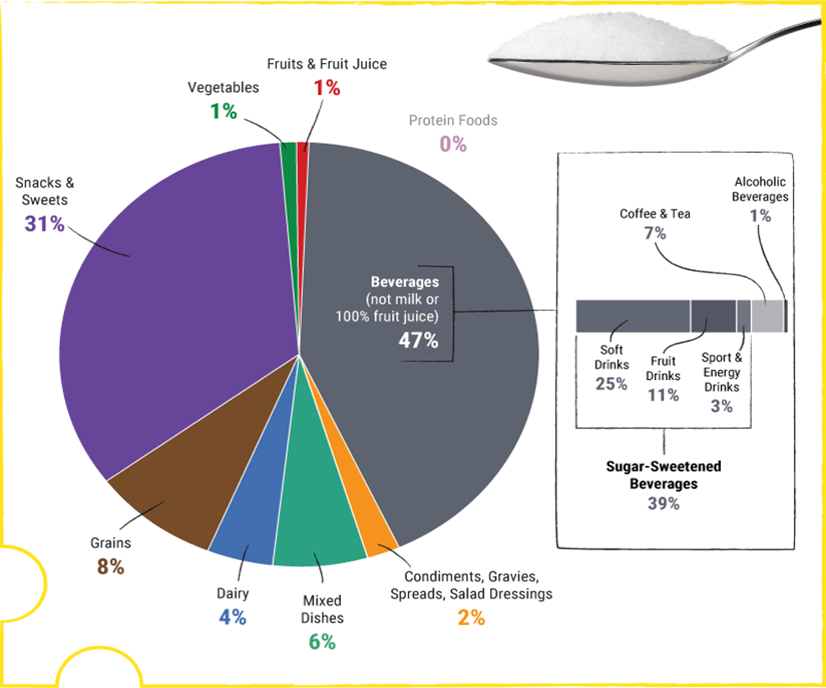
Most people eat too much added sugar.  As you can see here, beverages are the largest source of added sugars, followed by snacks and sweets like candy:

Data Source: What We Eat in America (WWEIA) Food Category analyses for the 2015 Dietary Guidelines Advisory Committee

Using LCS is an ideal way to replace most or even all the added sugars in beverages.  According to the above graph, doing so would reduce our added sugars by a whopping 47%!

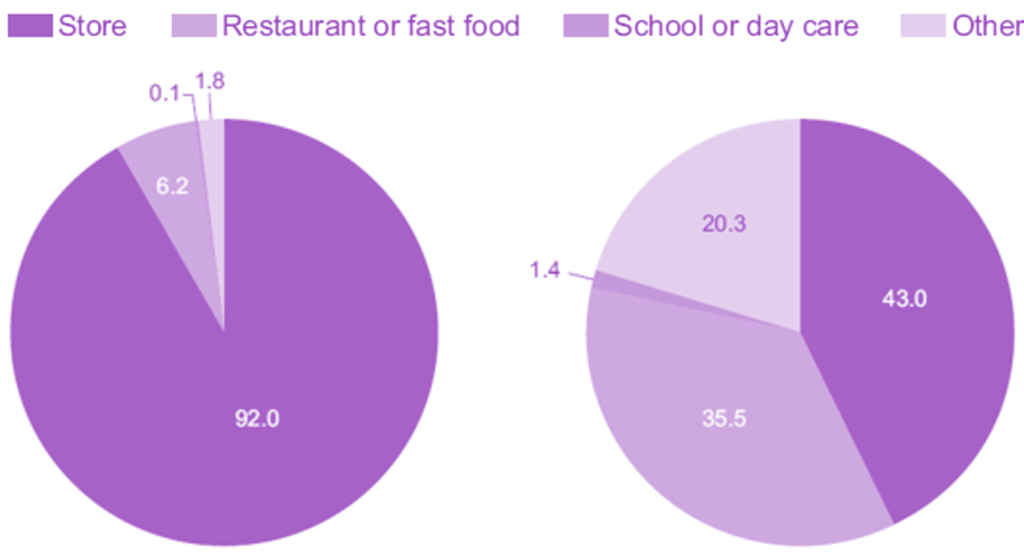
It’s also key to look at where we are drinking those beverages.  The CDC determined that slightly more than half (53%) of our consumption of sugar-added beverages are consumed at home, the rest away from home: 

              Drink At Home (53%)                                                 Drink Away From Home (47%)

Source: NCHS Data Brief No. 71, Figure 6. August 2011

Whether we’re home or away, we can do a lot to reduce the added sugars in our diets, help manage our blood glucose levels, and reduce the amount of “empty calories” we eat.

It’s not just about beverages though.  LCS can also reduce the added sugar in many nutritious dairy foods like yogurt, allowing us to get great taste and nutrition with fewer calories.

The true cause of obesity is EXCESS – whether that excess comes from sugar, total calories, or excess inactivity.  LCS are great tools for reducing one of those excesses: added sugar.  And they can be useful to pre-diabetics or anyone who desires less added sugar.

Data Source: What We Eat in America (WWEIA) Food Category analyses for the 2015 Dietary Guidelines Advisory Committee

Keith Ayoob, EdD, RDN, FAND, is an Associate Clinical Professor Emeritus at the Albert Einstein College of Medicine. As a pediatric nutritionist and registered dietitian, Dr. Ayoob is also a past national spokesperson for the Academy of Nutrition and Dietetics. Dr. Ayoob is a consultant with the Calorie Control Council Advisory Board and the Global Stevia Institute (GSI), GSI is supported by PureCircle Ltd, a global leader in purified stevia leaf extract production.


Brain Activity & Connectivity Changes

Posted by & filed under Health Professionals, Sweet Taste.


ARTICLE: Brain activity and connectivity changes in response to nutritive natural sugars, non-nutritive natural sugar replacements and artificial sweeteners

AUTHORS:  van Opstal AM, Hafkemeijer A, van den Berg-Huysmans, Hoeksma M, Mulder TP, Pijl H, Rombouts SARB, van der Grond J

SOURCENutritional Neuroscience, Published online July 2019 https://doi.org/10.1080/1028415X.2019.1639306

SUMMARY BY:  Robyn Flipse, MS, MA, RDN


Introduction

Maintaining energy balance involves many parts of the brain that regulate the homeostatic processes related to food ingestion and the hedonic responses that signal satiety and control feeding behavior. An understanding of how different sweeteners might affect these brain functions and sweet taste cravings is of critical importance given the rising consumption of sugars and non-nutritive sweeteners over the past fifty years and the tandem increase in the incidence of obesity.

This study was designed to investigate the effects of different nutritive and non-nutritive sweeteners on whole brain neuronal activity and network connectivity when the sweeteners were ingested in shakes containing protein and fat. The hypothesis was that the nutritive, naturally-occurring sugars would elicit a response from the brain not seen after consuming the non-nutritive sweeteners due to their lack of caloric content.

Background

The brain responds readily to the ingestion of glucose because of its quick absorption, with the glucose sensing neurons in the hypothalamus showing a homeostatic satiety response almost immediately after ingestion. Glucose ingestion also has effects on neuronal activity and functional connectivity throughout the brain areas involved in reward and feeding behavior, while circulating blood glucose levels influence the central nervous system regulation of glucose homeostasis.

Other mono- and disaccharides and low or non-nutritive sweeteners follow different metabolic pathways upon ingestion and have different effects on energy intake and regulation. Earlier findings reported by these researchers indicate that the homeostatic and hedonic responses, as measured by BOLD signal changes in the hypothalamus and ventral tegmental area (VTA), are driven by sweet taste coupled with caloric content. They also found sweet taste without caloric content, as found in non-nutritive sweeteners, did not seem to elicit a lasting response from these brain areas.

Based on these findings, this study used measurements of local BOLD changes of neuronal activity to analyze the immediate effects of nutrient ingestion on very specific areas of the brain and various functional networks involved in feeding behavior and energy balance. The networks they focused on were the default mode reflecting a baseline state of the brain that has been shown to be altered in obesity, the salience network involved in feeding behavior and reward, and the executive control network involved in decision making and impulse control.

Another method used to determine functional brain connectivity was the eigenvector centrality mapping (ECM). It can determine the level and quality of connectivity on a voxel-wise level rather than on a network level and has been shown to be correlated with states of hunger and satiety.

Study Design

Subjects were recruited through local advertising and included 20 non-smoking Caucasian men, aged 18-25 years. All had a BMI between 20-23 kg/m2 with no recent weight changes, height between 170-190cm and weight above 70kg. Exclusion criteria included no history of disturbances in glucose metabolism, significant chronic disease or psychiatric disease.

The entire study was performed in a double-blinded, 4-times crossover design. Subjects underwent a resting state functional MRI (rsfMRI) before and after ingesting each of the four different shakes offered in a randomized sequence, with a washout period of at least one week between the four study visits.  Subjective feelings of hunger, fullness, wanting a meal at baseline, and wanting to continue ingestion after first tasting and full ingestion of the shakes were indicated on a Visual Analogue Scale (VAS) consisting of a 10cm line with “not at all” and “extremely” as the anchors.

The shakes were sweetened with either the natural sugars glucose or fructose, the low-nutritive but naturally-occurring sugar allulose, or the non-nutritive sweetener sucralose. All preparations were matched to glucose for sweetness and contained equal amounts of water, sodium caseinate (.33g protein), coconut oil (5g fat), guar, and cocoa powder for flavoring. The test dosage was 165ml and had the sweetness, consistency and macronutrients similar to that found in commercially available milkshakes from fast food chains.

Results

Data from this study confirm previous findings that glucose is a critical signal regulating response to food cues. Brain activity was diminished after ingesting the glucose shakes in the regions that were actively seeking reward or energy when in a fasted state.  Additionally, a small decrease in voxel based connectivity was seen after glucose ingestion in the area containing the hypothalamus and VTA, which are involved in homeostatic and hedonic regulation of energy intake, and glucose was the only condition that led to a significant increase in connectivity in the salience network involved in feeding behavior, determining reward, emotional arousal and decision making.

Ingestion of the fructose sweetened shake had various effects on functional brain response, but the lack of a decrease in activity in the hypothalamus, VTA and other midbrain areas suggests fructose might not have a homeostatic and satiation effect which could affect feeding behavior. This may be due to the fact the effects of fructose on brain connectivity are delayed since it is metabolized in the liver. The low and non-nutritive sweeteners allulose and sucralose had little to no effect on the functional brain responses measured.

These findings indicate shakes with little energy from carbohydrates had no immediate effect on the activity of the brain areas involved in feeding behavior, even though the fat and protein in the shakes did deliver a significant amount of total energy. It further suggests that sweet taste without the presence of carbohydrates does not lead to the activity changes measured with fMRI often associated with satiety. This is consistent with other research that shows sweet taste without energy content does not lead to a lasting decrease in hypothalamic activity.

Conclusion

These findings show that even in mixed meals, different types of sweeteners can elicit different brain responses that might, in turn, affect feeding behavior. Nutritive sweeteners elicit a reaction from the brain that could have effects on feeding behavior and reward. Because non-nutritive sweeteners elicited little to no effect, they might not have effects on feeding behavior, neither positive nor negative. Therefore, with regard to regulating energy balance and feeding behavior, non-nutritive sweeteners could be used as neutral replacements for nutritive sugars.

Robyn Flipse, MS, MA, RDN is a registered dietitian, cultural anthropologist and scientific advisor to the Calorie Control Council, whose 30+ year career includes maintaining a busy nutrition counseling practice, teaching food and nutrition courses at the university level, and authoring 2 popular diet books and numerous articles and blogs on health and fitness. Her ability to make sense out of confusing and sometimes controversial nutrition news has made her a frequent guest on major media outlets, including CNBC, FOX News and USA Today. Her passion is communicating practical nutrition information that empowers people to make the best food decisions they can in their everyday diets.Reach her on Twitter @EverydayRD and check out her blog The Everyday RD.


faq2Do you have questions about low-calorie sweeteners? Want to learn more about maintaining a healthy lifestyle? You asked and we listened. Our resident Registered Dietitians answered the most popular questions about low-calorie sweeteners.

Media Contacts

For media inquiries please reach out to any of the below contacts: