Memorial Day Recipe Round-up

Posted by & filed under Memorial Day, Recipe Roundup, Recipes, Summer.

Memorial Day is a day of remembrance for Americans, but is also unofficially marks the beginning of summer. The day is usually filled with parades, picnics, swimming and outdoor fun, and fireworks.

Food is a large part of this holiday, as is the case with most American holidays. Our tables are usually laden with hotdogs and hamburgers (or other items from the grill), baked beans, an assortment of different salads, chips, drinks, and, of course, desserts.

How about something different? Check out these delicious cocktails and desserts containing low calorie sweeteners to help ensure your Memorial Day soirees, and all your festive occasions this summer, have just what is needed to quench your thirst and satisfy your sweet tooth without tipping the scale!

Drinks

Berry Strawberry Punch
Easy Watermelon Summer Slushies
Tropical Milk Shake
Iced Tea Cocktails
Watermelon Agua Fresca
Cranberry Spritzer Punch
Sweet & Spicy Sun Tea
Thai Iced Tea

Desserts

Low Sugar Patriotic Cheesecake
Fruit Trifle
Chocolate Chip Blondies
Low Sugar Strawberry Shortcake
White Chocolate Cherry Cookies
Rich and Fudgy Low-Cal Cocoa Brownies
Peanut Butter Thumbprint Cookies
S’mores


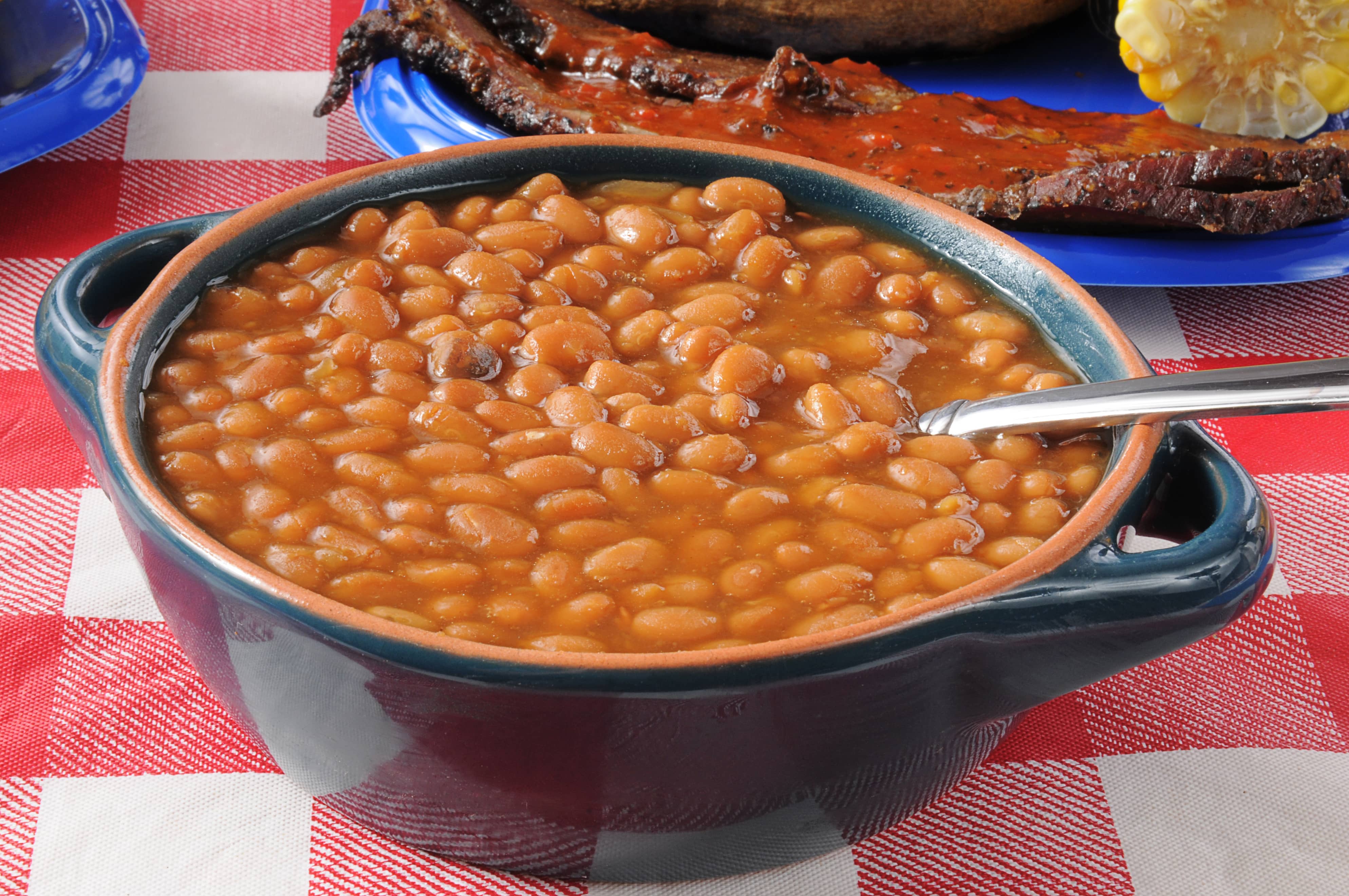
Boston-Style Baked Beans

Posted by & filed under BBQ & Grilling, Fruits, Vegetables and Other Produce, Recipes, Side Dishes, Sucralose.

Makes 18 Servings

Ingredients

4 (15 ounce) cans navy beans
1/2 pound bacon, chopped
1 medium onion, chopped
1/4 cup yellow mustard
1/3 cup SPLENDA® No Calorie Sweetener, Granular
2 tablespoons robust molasses

Directions

Preheat oven to 350 degrees F.
Drain navy beans and reserve 1 1/4 cups liquid.
Fry bacon in a large skillet until browned. Remove bacon and reserve half of the bacon fat.
Fry onion in reserved bacon fat and cook until translucent. Stir in beans and remaining ingredients.
Pour beans into a 3-quart baking dish. Bake in preheated 350 degree F oven 45 minutes.

Nutritional Information

Calories 140
Total Fat 2.5g
Cholesterol 5mg
Sodium 520mg
Carbohydrates 21g
Dietary Fiber 5g
Sugars 3g
Protein 9g

The post Boston-Style Baked Beans appeared first on Sucralose.


Celebrate Salsa Month

Posted by & filed under Lifestyle Articles, Sucralose.

By: Jessica Levinson, MS, RDN, CDN —
Mother’s Day, Women’s Health Week, Celiac Awareness Month, No Diet Day, and Memorial Day are just some of the many events celebrated during the month of May. But did you know that National Salsa Month also takes place in May. It makes sense with Cinco de Mayo and the start of summer – what’s a party without some chips and salsa?!

Salsa is most commonly thought of as a dip, but this flavorful sauce can be used in a variety of ways. Try it as a marinade or topping for fish, chicken, or steak, stirred into scrambled eggs or frittatas, spread on a sandwich in place of mayonnaise or ketchup, mixed with low-fat yogurt for a creamy salad dressing, added to meatloaf or burgers for moistness and flavor, or used as a base for ceviche.

Although traditional salsa is made with tomatoes, onions, chili peppers, and lime juice, you can make salsa using an assortment of fruits and vegetables. Some of my favorite salsas are made with watermelon, berries, beans, avocados, and corn. The best part about salsa is that it’s usually low in calories and rich in nutrients thanks to fresh produce and intense flavor from citrus juices. You can even use no-calorie sweeteners like sucralose to make sweet salsa like this Citrus Salsa made with fresh oranges and lime juice.

So what are you waiting for? Celebrate National Salsa Month the rest of the month and throughout the summer!


Jessica Levinson, MS, RDN, CDN is a registered dietitian nutritionist and culinary nutrition expert. She has extensive experience as a recipe developer, writer, editor, and speaker. She is the co-author of We Can Cook: Introduce Your Child to the Joy of Cooking with 75 Simple Recipes and Activities (Barron’s, 2011), past columnist for the Culinary Corner column in Today’s Dietitian Magazine, and maintains a popular blog at JessicaLevinson.com. Jessica is an active member of the Academy of Nutrition and Dietetics (AND) and various Dietetic Practice Groups of the AND, including Nutrition Entrepreneurs, Food and Culinary Professionals, and Dietitians in Business and Communications. Follow her out on Twitter, Facebook, Instagram, and Pinterest.

The post Celebrate Salsa Month appeared first on Sucralose.


Add Fiber To Your Diet—For Good Health

Posted by & filed under Fiber, Lifestyle Articles.

It may not be the first thing most people think about when it comes to looking fit and living healthfully, but dietary fiber can be good for just about every, well, fiber of your being.

These facts may provide you with some food for thought on adding more fiber to your diet.

How To Add Fiber To Your Diet

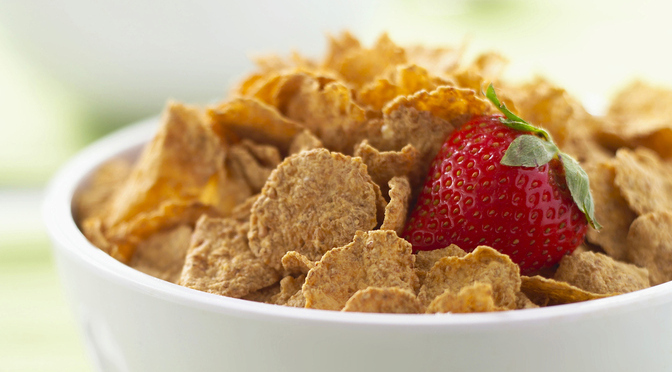
It’s wise to get fiber from the food you eat. To do so, pick foods that are naturally high in fiber such as fruits, vegetables, whole grains, and products that have been fortified with added fiber. Read the labels of the foods you buy and try to find those that provide 10 percent or more of the Daily Value for fiber. Eat a variety of different types of dietary fibers to get all of the benefits dietary fibers have to offer.

Fortunately, it’s easier than ever to find foods that are high in fiber. Lately, the food industry has begun adding dietary fibers to a myriad of foods and beverages that people enjoy every day. Added dietary fibers can now be found in yogurt, cereals, breads, fruit juices, milk, tortillas, baked goods, ice cream, hard and chewy candies, and nutrition supplement bars and beverages.

However, it’s important to re­member that people should try to eat a variety of different types of dietary fibers to get all the benefits that dietary fibers have to offer.

Why To Add Fiber To Your Diet

The health benefits of dietary fiber include:

  • Weight management: Scientific studies consistently show that the more fiber in your diet, the lower your risk of obesity.
  • Improved digestion: Some dietary fibers can help regulate your digestion and help your intestines defend you from germs.
  • Lower cholesterol: Certain dietary fibers reduce the risk of heart disease by helping to lower blood cholesterol.
  • Reduced glycemic response: Some dietary fibers can slow down the absorption of glucose and lower the glycemic effect of food.
  • Healthy microflora: Some dietary fibers can give a boost to the beneficial bacteria in the in­testine (and defeat the bad ones) to help them fight inflammation and possibly even cancer.
  • Increased mineral absorption: Certain dietary fibers help the body to better absorb minerals, especially calcium.
  • Increased insulin sensitivity: Some dietary fibers have been shown to improve in­sulin sensitivity.
  • Increased satiety: Re­search suggests that some fibers can encourage the body to produce hormones that leave you feeling fuller, longer.

No single fiber or food provides all of these necessary health benefits. So you need to eat a wide variety of fiber-containing foods to improve your well-being.


©iStock.com/eddieberman

The post Add Fiber To Your Diet—For Good Health appeared first on Fiber Facts.


How to Find Fiber in the Grocery Store

Posted by & filed under Fiber, Lifestyle Articles.

It may sound like a scientific breakthrough, but something that can help prevent heart disease, obesity and possibly cancer can easily be found in many of the foods already in your grocery store. It’s dietary fiber; certain substances that are not digested by the body.

Where To Find It

You can find fiber in fruit, vegetables, legumes, nuts, and whole grains. Fiber is also added to many foods and beverages, including cereal, granola bars, yogurt, and bakery products. Many studies have demonstrated the same benefits from added fiber as the naturally occurring kind. Look for dietary fibers listed in the ingredients on food packages.

What They Do

These foods help your health by reducing your risk of cardiovascular disease, lowering cholesterol levels, maintaining normal blood sugar levels after eating, increasing satiety, helping maintain normal blood pressure, protecting against certain cancers and supporting the digestive system.

How Much do You Need?

While the Daily Value for fiber shown on nutrition fact panels is currently 25 grams, the Institute of Medicine recommends consuming 14 grams of fiber daily for every 1,000 calories consumed. That means for an average 2,000-calorie daily diet, you should consume approximately 28 grams of fiber. Most adult women should consume at least 25 grams of fiber a day; men should consume at least 38 grams a day.

Nevertheless, according to U.S. Dietary Guidelines, most Americans consume only half the amount of dietary fiber they need on a daily basis.

How to Take It

If you’ve not been getting your recommended dietary fibers, you may want to increase your intake gradually to get your digestive system used to it. Doctors believe it’s best to eat a variety of types of dietary fiber every day, since all types of fiber are needed for the body to function well.


Photo credit: Squaredpixels/iStock

The post How to Find Fiber in the Grocery Store appeared first on Fiber Facts.


Sorting out Food Allergies, Intolerances and Sensitivities

Posted by & filed under Aspartame, Lifestyle Articles.

Food allergies, intolerances and sensitivities seem to be more and more prevalent or at least we’re hearing more about them with our 24/7 news via traditional, Internet and social media channels. But what’s the difference and how can you truly know if you have one? Keep reading for the lowdown.

A food allergy is an adverse reaction that results from an abnormal immune response to a food protein. The body produces IgE antibodies against the food. When the food is eaten, the immune system thinks the food is harmful and releases histamine and other chemicals. Symptoms can include swelling, itching, hives, wheezing, coughing, runny nose, itchy and watery eyes, nausea, vomiting, diarrhea, lightheadedness or a drop in blood pressure. About 4% of Americans have food allergies. The most common food allergies are milk, eggs, peanuts, tree nuts, wheat, soy, fish and shellfish. To test for a food allergy, either a skin prick or blood test is done to determine if there is an IgE reaction to a food. The most reliable way to verify a food allergy is with an oral food challenge.

In contrast, food intolerances involve an adverse reaction to a food that does not produce IgE antibodies. An example is lactose intolerance in people who produce little or no lactase enzyme that breaks down lactose, the sugar in milk. Celiac disease, characterized by intolerance to gluten – a protein in wheat, rye and barley – is another non-IgE condition that affects less than one percent of the U.S. population. Up to six percent more may have a non-celiac gluten intolerance yet 20 – 30% of U.S. consumers say they’re avoiding gluten. Fructose intolerance is the inability to properly absorb fructose, a sugar in fruit, vegetables, honey, sugar, molasses, agave nectar and high fructose corn syrup. All of these conditions can cause problems like nausea, vomiting and diarrhea, which are relieved by eliminating or moderating intake of the offending food.

On the other hand, food sensitivities that don’t fall into these two categories are less easy to diagnose. While many claim to have them and cite an array of symptoms, tests purported to diagnose them like MRT (mediator release test) or ALCAT are not universally accepted or used by allergists. But based on the results of these tests, individuals are often given a long list of foods to eliminate. And this can lead to a nutritionally inadequate diet says registered dietitian nutritionist, Maria-Paula Carrillo, who works with a board-certified allergist to provide nutrition counseling to food allergy patients at Lemond Nutrition in Plano, Texas. “I support avoiding problem foods when medically necessary whether it’s an allergy, intolerance or sensitivity but when the restrictions are based on unreliable testing, it’s a different story. It’s ideal to have counseling with a registered dietitian nutritionist who works with a board-certified allergist. The RDN can develop a nutritionally adequate eating plan in the face of limited food choices. At the same time the allergist can retest to determine if offending foods can be reintroduced so those without a reaction can be eaten again.”

Interestingly, research with people who believe they have food intolerances sometimes finds they actually do not. In one study (1), 37 self-identified gluten-sensitive individuals consumed one of three diets for one week each: high-gluten, low-gluten, and no-gluten without knowing which diet plan they were on. In the end, all 3 diets caused pain, bloating, nausea, and gas to a similar degree. It didn’t matter if the diet contained gluten. In another study (2), 48 people who self-reported a sensitivity to the low calorie sweetener aspartame and 48 who did not were all given snack bars with or without aspartame at least on week apart. None of the participants knew which bars they were eating. Results found there were no differences in symptoms between those eating aspartame and non-aspartame bars, or between aspartame sensitive and non-sensitive participants. However, aspartame sensitive participants reported more symptoms, particularly in the first test session no matter which bar they had eaten.

So what’s the best course of action if you suspect you are allergic, intolerant or sensitive to a food or ingredient? Maria-Paula recommends seeing a board certified allergist who can perform the appropriate testing to pinpoint foods that need to be excluded. “If an allergic reaction is ruled-out, intolerances like lactose or fructose can be tested for, usually by a gastroenterologist. For other adverse reactions, foods will need to be eliminated and reintroduced in a systematic way, at least until reliable testing is available.”

References
  1. “No Effects of Gluten in Patients With Self-Reported Non-Celiac Gluten Sensitivity After Dietary Reduction of Fermentable, Poorly Absorbed, Short-Chain Carbohydrates” Gastroenterology. 2013 Aug; 145(2): 320-8
  1. “Aspartame sensitivity? A double blind randomised crossover study” PLoS One. 2015 Mar 18; 10(3): e0116212

 

Neva Cochran, MS, RDN, LD is a registered dietitian nutritionist based in Dallas. She was a freelancer with Woman’s World magazine for 20 years and currently serves as a nutrition communications consultant to a variety of food and nutrition organizations, including the Calorie Control Council. She is passionate about promoting fact-based food and nutrition information to help people enjoy nutritious eating. Follow her on Twitter @NevaRDLD and check out her blog at www.NevaCochranRD.com.

The post Sorting out Food Allergies, Intolerances and Sensitivities appeared first on Aspartame.


faq2Do you have questions about low-calorie sweeteners? Want to learn more about maintaining a healthy lifestyle? You asked and we listened. Our resident Registered Dietitians answered the most popular questions about low-calorie sweeteners.

Media Contacts

For media inquiries please reach out to any of the below contacts: