Acesulfame Potassium Ends on a “Sweet Note” in 2003

Posted by & filed under Acesulfame K, Statements.

ATLANTA (January 5, 2004) – The Food and Drug Administration (FDA) recently announced that Acesulfame Potassium received a general use approval. Acesulfame K, which has been used for many years in thousands of foods and beverages in approximately 90 countries, can now be used as a general purpose sweetener and flavor enhancer in food, not including meat and poultry, according to the FDA. “With the current obesity crisis, the use of low-calorie sweeteners, such as Acesulfame K has never been more important. With this broader approval, Acesulfame K can now be used in even more foods and beverages. Such products will allow consumers to enjoy their favorite products with fewer calories,” notes Lyn Nabors, Executive Vice President of the Calorie Control Council.

Acesulfame K is approximately 200 times sweeter than sucrose. It has a clean, quickly perceptible, sweet taste that does not linger or leave an aftertaste. Acesulfame K is not metabolized by the body and is excreted unchanged. When Acesulfame K is combined with other low-calorie sweeteners, they enhance each other so that the combinations are sweeter than the sum of the individual sweeteners with significantly improved taste profiles. It is an excellent sweetener for use in baked goods, a market which has great potential for low-calorie sweeteners, and is well suited for use in toothpaste, mouthwashes and pharmaceuticals.

“We look forward to the new products that will use Acesulfame K either alone or in combination with other low and reduced calorie sweeteners. This is great news for consumers, especially as many make their resolution to eat a healthier diet. Acesulfame K and the other currently available low-calorie sweeteners fit well with this resolution as light products can help reduce calories,” noted Ms. Nabors.

Acesulfame K is sold under the brand name SunettTM by Nutrinova, Inc.


Polyols Q&A

Posted by & filed under FAQ, Polyols.

Polyols, also called sugar alcohols, are a group of versatile, reduced-calorie carbohydrates that provide the taste and texture of sugar with about half the calories.  They are used as food ingredients to replace sugar in an increasing variety of sugar-free and reduced-calorie foods and beverages for their functional and health benefits. These products include chewing gums, candies, ice cream, baked goods and fruit spreads. In addition, they function well in fillings and frostings, canned fruits, beverages, yogurt and tabletop sweeteners.

What are polyols?
Polyols are sugar-free sweeteners. Polyols are carbohydrates but they are not sugars. They are used cup-for-cup [volume-for-volume] in the same amount as sugar is used, unlike acesulfame potassium, aspartame, saccharin, and sucralose which are used in very small amounts.
What other names are used for polyols?
Since “polyols” is not a consumer-friendly term, many nutritionists and health educators refer to polyols as “sugar replacers” when communicating with consumers. Scientists call them sugar alcohols because part of their structure chemically resembles sugar and part is similar to alcohols. However, these sugar-free sweeteners are neither sugars nor alcohols, as these words are commonly used. Other terms used primarily by scientists are polyhydric alcohols and polyalcohols.
What sugar replacers (polyols) are now used in the U.S.?
Those currently used in foods in the U.S. are erythritol, hydrogenated starch hydrolysates (including maltitol syrups), isomalt, lactitol, maltitol, mannitol, sorbitol and xylitol.
What kinds of products use sugar replacers (polyols) as sweetening ingredients?
In the U.S., they are now used in a wide range of products, including chewing gums, candies, ice cream, baked goods and fruit spreads. They are also used in toothpastes, mouthwashes, breath mints and pharmaceuticals such as cough syrups or drops and throat lozenges.
What other foods sweetened with sugar replacers (polyols) are expected in the future?
Sugar replacers (polyols) function well in fillings and frostings, canned fruits, beverages, yogurt and tabletop sweeteners. Also, some functional foods or nutraceuticals are sweetened with them.
What are their health benefits?
Sugar replacers (polyols) provide fewer calories per gram than does sugar, they do not promote tooth decay and they do not cause sudden increases in blood glucose levels. Because they taste good, people can improve the healthfulness of their diets without having to sacrifice the pleasure of eating sweet foods they enjoy.
Do they cause gastrointestinal problems?
For the vast majority of consumers, these sweeteners do not cause a problem. In some people, excessive consumption may cause gastrointestinal symptoms, such as gas or laxative effects, similar to reactions to beans and certain high-fiber foods. Such symptoms depend on an individual’s sensitivity and the other foods eaten at the same time.
What should a person do if he or she is sensitive?
Gastrointestinal symptoms, if they occur at all, are usually mild and temporary. If a person believes she/he is sensitive, the amount eaten on a single occasion should be reduced. Most people will adapt after a few days, the same way they do to high fiber foods. Many people with diabetes, for example, have learned from their health professional to eat only a small amount of sugar-free products containing polyols at first and then to gradually increase these foods in the diet.
Are they safe?
Sugar replacers (polyols) have been used in foods around the world for many years. An Expert Committee of the World Health Organization has carefully reviewed them and concluded that they are safe for human consumption! In the U.S., the Food and Drug Administration (FDA) classifies some as Generally Recognized as Safe (GRAS) and others are approved food additives.
How do their calories compare with sugar?
Sugar provides approximately 4.0 calories per gram. The FDA allows the use of the following caloric values:
3.0 calories per gramhydrogenated starch hydrolysates
2.6 calories per gramsorbitol
2.4 calories per gramxylitol
2.1 calories per grammaltitol
2.0 calories per gramisomalt
2.0 calories per gramlactitol
1.6 calories per grammannitol
0.2 calories per gramerythritol
How do they function differently as ingredients in foods?
Sugar replacers (polyols) usually do not absorb water the way sugar does; therefore, foods made with them do not become sticky on the surface as quickly as do products made with sugar. Molds and bacteria do not grow as well on these sweeteners, as they do on sugar, and so products last longer. When used in medicines, they generally do not react with pharmacologic ingredients as much as sometimes happens with sugar.
Can they be used in foods that are heated or cooked?
Sugar replacers (polyols) generally do not lose their sweetness when they are heated and can be used to flavor hot beverages and in foods that are heated when processed or cooked. However, unlike sugar, they do not usually give a crisp brown surface to foods which are baked.2 The non-browning property is an advantage for products for which a change in color is not desired.
How are they used differently in the body?
Sugar replacers (polyols) are slowly and incompletely absorbed from the small intestine into the blood. The portion that is absorbed is metabolized by processes that require little or no insulin. Some of the portion that is not absorbed into the blood is broken down into smaller segments in the large intestine.3
Why do they not cause tooth decay?
Sugar replacers (polyols) are not readily converted to acids by bacteria in the mouth and, therefore, do not promote tooth decay. The FDA has authorized the use of the “does not promote tooth decay” health claim for food products containing erythritol, hydrogenated starch hydrolysates, isomalt, lactitol, maltitol, mannitol, sorbitol, xylitol, or a combination of these. The American Dental Association has adopted a position statement recognizing the role of sugar-free foods and medications in maintaining good oral health.
Are they useful for people with diabetes?
Because these sweeteners have lower caloric values, they may help people with diabetes achieve their weight goals. Non-cariogenic throat lozenges may also be useful if a person’s medications cause dryness of the mouth.

Sugar replacers (polyols) also cause smaller increases in blood glucose and insulin levels than do sugars and other carbohydrates. Therefore, snacks sweetened with them may be useful. People with diabetes should consult their physician or other health professional about the usefulness of sugar replacers (polyols) in their daily meal plan.

How should they be calculated in exchange lists for meal planning?
Experts in diabetes management advise that if less than 10 grams of sugar replacers (polyols) is consumed, that serving is considered a “free food.” Above 10 grams, subtract half of the grams of sugar replacers (polyols) from the grams of total carbohydrate and then calculate the exchanges.
Where is information about sugar replacers (polyols) found on the food label?
The name of the polyol appears in the ingredient list. The words “sugar alcohol” or the specific name of the polyol may also appear in the Nutrition Facts panel.
When are they included in the Nutrition Facts panel?
The grams in a serving may be shown voluntarily. If a claim such as “sugar free” is made on the label, the polyol content must be shown in the Nutrition Facts panel. FDA regulations specify that the name of the specific polyol may appear in the Nutrition Facts Panel if only one polyol is in the food. If more than one is in the food, the term “sugar alcohols” must be used. FDA is considering whether the term “polyol” would be less confusing to consumers than “sugar alcohol.”
Why are they used in combination with other sweeteners?
Sweetness varies among the sugar replacers (polyols) and depends in part on the products in which they are used. They vary in sweetness from about half as sweet as the same amount of sugar to equally as sweet as sugar. Sometimes combining sugar replacers (polyols) gives a more pleasant taste.

Sugar replacers (polyols) are frequently combined with other alternative sweeteners, such as acesulfame potassium, aspartame, saccharin and sucralose, in sugar-free chewing gums, candies, frozen desserts and baked goods. The sugar replacer (polyol) gives these foods mild sweetness as well as the bulk and texture of sugar; the other alternative sweeteners bring the sweetness up to the level consumers expect.


TECHNICAL NOTES
  1. The Joint Food and Agriculture Organization/World Health Organization Expert Committee on Food Additives (JECFA)
  2. Sugar replacers (polyols) do not participate in the Maillard reaction.
  3. A significant amount of the unabsorbed sugar replacer (polyol) is metabolized to short chain fatty acids and gases by bacteria in the large intestine. Absorbed sugar replacers (polyols) are generally metabolized by insulin-independent mechanisms.

Oatmeal Raisin Cookies

Posted by & filed under Desserts, Recipes, Saccharin.

Makes 3 Dozen Cookies

Ingredients

1-1/2 cups quick-cooking oats
3/4 cup all-purpose flour
1/2 teaspoon ground cinnamon
1/2 teaspoon baking powder
1/4 teaspoon ground ginger
1/8 teaspoon salt
1/2 cup reduced-calorie stick margarine
1/3 cup light brown sugar, packed to measure
4 packets (or 1-1/4 tsp. bulk) Sweet ‘N Low®
2 egg whites
1 teaspoon vanilla extract
1/3 cup raisins

Directions

Preheat oven to 375°F. In medium bowl, combine the oats, flour, cinnamon, baking powder, ginger, and salt; set aside. In a large bowl, mix the margarine, sugar, Sweet ‘N Low®, egg whites, and vanilla with an electric beater. Stir in the dry ingredients until well blended. Add the raisins. Spray cookie sheets with nonstick cooking spray. Drop the dough by rounded teaspoonfuls onto cookie sheets. Bake 8 to 10 minutes, or until lightly browned. Cool on a wire rack.

Nutritional Informaiton

*Serving Size: 2 Cookies

Calories: 95
Protein: 2 g
Carbohydrates: 15 g
Fat-total: 3 g
Saturated Fat: 1 g


Orange Spice Coffee Cake

Posted by & filed under Acesulfame K, Bread, Recipes.

Makes 12 Servings

Ingredients

2-1/4 cups light Bisquick®
1/2 cup granulated sugar
2 packets Sweet One® granulated sugar substitute
2 tablespoons grated orange peel
1/2 cup unsalted reduced-calorie margarine
3/4 teaspoon ground cinnamon
1/2 teaspoon baking powder
1/2 teaspoon baking soda
1/4 teaspoon ground ginger
1/4 cup skim buttermilk
1/4 cup liquid egg substitute
2 tablespoon orange juice

Directions

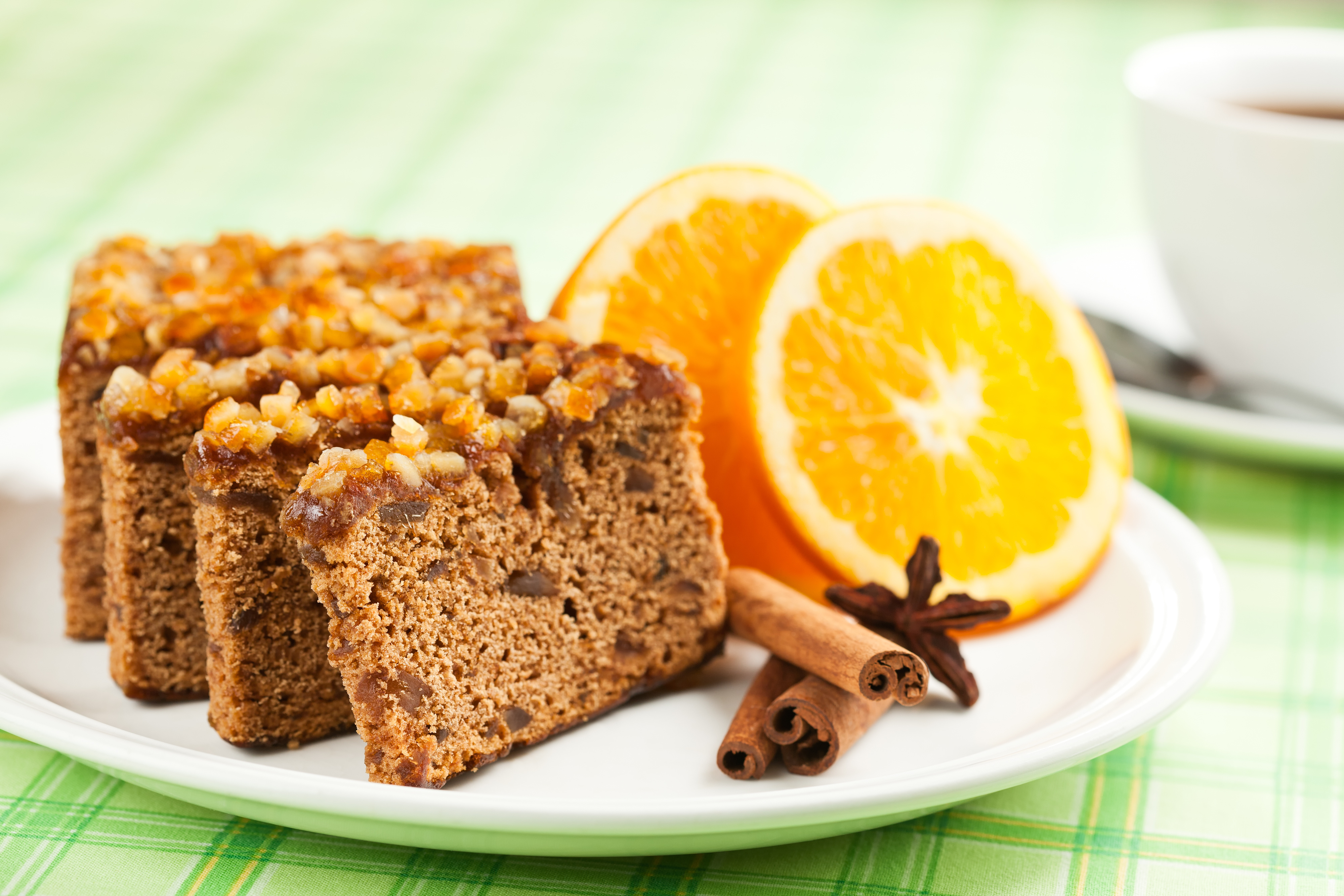
Preheat oven to 350°F. In a large bowl, combine Bisquick®, sugar, Sweet One® and orange peel. With a pastry blender or two knives used scissor fashion, cut in margarine until mixture resembles coarse crumbs. Remove 1/2 cup and set aside. To remaining mixture add cinnamon, baking powder, baking soda and ginger. In another small bowl, whisk together buttermilk, egg substitute and orange juice. Add to crumb mixture in large bowl; mix until just combined. Spray a 9-inch round baking pan with non-stick cooking spray. Spread batter evenly into the pan. Sprinkle reserved crumbs on top of batter. Bake 35-40 minutes or until toothpick inserted in center comes out clean. Cool on rack for 15 minutes. Invert cake onto rack and cool completely.

Nutritional Information

Calories: 155
Protein: 3 g
Carbohydrates: 25 g
Fat-total: 5 g


Creamy Rice Pudding

Posted by & filed under Desserts, Recipes, Saccharin.

Ingredients

2-3/4 cups 1% fat milk, divided
1 packet Butter Buds® mix, liquefied
1/2 cup evaporated skim milk
1/2 cup uncooked long-grain rice
1/4 cup sugar
3 tablespoons cornstarch
1 large egg yolk
1/4 cup raisins
3 packets (or 1 teaspoon bulk) Sweet’N Low®
1 teaspoon vanilla extract
1/2 teaspoon ground cinnamon, plus additional cinnamon for sprinkling

Directions

In a large saucepan, combine 2 cups 1% fat milk, Butter Buds, evaporated skim milk, rice and sugar. Bring to a boil over medium heat. Reduce the heat, cover and simmer 30 minutes, stirring occasionally. Stir the cornstarch into the remaining ¾ cup 1% fat milk. Add to the rice mixture. Cook, stirring constantly, until thickened. In a small bowl, beat the egg yolk. Stir in ½ cup hot rice mixture, then add back into the saucepan. Cook, stirring constantly, for 1 minute. Add the raisins, Sweet’N Low, vanilla, and cinnamon. Stir until well blended. Pour the pudding into a 12-quart dish. Sprinkle with additional cinnamon and cool to room temperature. Serve at room temperature, if desired, or refrigerate until served.

Nutritional Information

Calories 155
Protein 5g
Carbohydrates 30g
Total Fat 2g
Saturated Fat 1g


Is “Low-fat” a Cure-All?

Posted by & filed under Healthy Diet, Obesity, Weight Management.

Reduced-fat and fat-free foods and beverages continue to soar in popularity, but how helpful are they? That’s the question a lot of people have been asking lately, as Americas’ girth has been growing right along with the popularity of these products.

The answer is: lower fat products can be very beneficial, when incorporated into an overall healthy diet – primarily in two ways. First, they have been conclusively shown to help people reduce the percentage of calories from fat in their diets. Two recent studies in the American Journal of Clinical Nutritiondemonstrated that even “casual” use of reduced-fat foods can significantly reduce over-all fat intake.

This is a much-needed benefit, given that Americans consume about 34% of calories from fat, still over the 30% level recommended by most health experts. Excess fat intake has been linked to increase risk of obesity, some types of cancer, high blood cholesterol and increased risk for coronary heart disease.

Second, reduced-fat foods and beverages also have been shown to be beneficial in the diets of those who are trying to lose weight, or maintain weight loss. A study of moderately obese women found that a low-fat, ad libitum diet that included reduced-fat foods and beverages “can result in substantial weight loss and is associated with improved platability and QOL (quality of life) compared with an LW (low-energy) diet.” The MSFAT (Multicentre Study on Fat Reduction) study, conducted in The Netherlands, showed that long-term consumption of reduced-fat foods and beverages helped people maintain body weight with no effect on health-related physiological parameters.

The key is moderation. As the American Diabetes Association has noted, the degree to which reduced-fat products assist people in achieving “desired health outcomes,” such as weight reduction “depends on how individuals use these foods to change food choices and eating behaviors.”

Reduced-fat products can help health-conscious consumers allay what surveys have shown to be their greatest fear in trying to lose wight: giving up their favorite foods. A recent survey by the American Dietetic Association found that this fear was the biggest obstacle to eating right cited by American consumers. Reduced-fat foods and beverages let consumers enjoy their favorite foods with unnecessary fat and, in some cases, without unnecessary calories.

Fat Replacers: The Ingredients That Make It Happen

Fat replacers are the ingredients that make these foods and beverages possible. New technology in fat replacement has opened the door for foods and beverages that have the taste and texture of the high-fat versions consumers enjoy, but without the traditional calories, cholesterol or fat.

The American Dietetic Association has stated, “Modern food technology, which can now modify the fat content of foods through the use of fat replacement ingredients, offers help to persons struggling to reduce their fat intake. Many health groups, including ADA, have welcomed development of reduced-fat products as another tool for achieving national dietary goals for reduced fat intake.”

Most fat replacers currently in use are reformulations of previously used food ingredients. Additionally, the food industry has formulated a variety of new fat replacer ingredients by using innovative technologies. The type of fat replacer(s) used in a product depends largely on which properties of fat are being duplicated. The result is that the public benefits, because the availability of a variety of ingredients used as fat replacers provides a greater variety of rich, creamy, good-tasting low-fat foods and beverages for consumers to enjoy.

But What About the Calories?

Much has been made of the fact that many reduced-fat foods have the same calories as full-fat versions. USA Today, in an article earlier this year, portrayed consumers as “abandoning the no-guilt dream and returning to their full-fat fare” when they discovered that the calories were similar. (Note: Data from a wide variety of sources show that consumers are not abandoning low-fat products.)

This broad conclusion ignores the obvious health benefits of reducing the percentage of calories from fat in the diet. In the same article, Dr. Dean Ornish states, “I’m all in favor of the fat-free salad dressings, mayonnaise and cream cheese, especially when they are substituted for the full-fat versions.” Reduced-fat foods and beverages make excellent substitutes for their high-fat counterparts, but not for common sense and good nutrition. Consumers also need to remember that Calories Still Count. Excess calories, no matter where they come from, still end up as extra weight on the body.

The Real Story Behind America’s Obesity Problem

So what to make of America’s rise in obesity? Let the experts tell it. A recent survey published in the Journal of the American Medical Association indicates that 56 percent of adult Americans are overweight. Centers for Disease Control and Prevention epidemiologist Richard Troiano said, “You don’t have to lift your garage door anymore . . . There have been a lot of conveniences that essentially eliminate activity.”

The Surgeon General’s Report on Physical Activity and Health released last year concluded that low levels of activity, resulting in fewer calories used than consumed, contribute to the high prevalence of obesity in the United States.

And earlier this year, researchers writing in The American Journal of Medicine wrote, “The only available explanation for the paradoxical increase in body weight with a decrease in fat and energy intake is that physical activity declined.”

Reduced-fat foods and beverages can help Americans in their battle for weight control, but not if people are just plain sedentary. Combined with a healthy level of physical activity, however, reduced-fat (and light) foods and beverages can be one of the pillars to a healthier weight for all of us.

REFERENCES
Susan J. Gatenby, et al, “Extended use of foods modified in fat and sugar content: nutritional implications in a free-living female population,” American Journal of Clinical Nutrition, pp. 1867-73, June, 1997.
Barbara J. Rolls et al, “Sensory properties of a nonabsorbable fat substitute did not affect regulation of energy intake,” American Journal of Clinical Nutrition, pp. 1375-83, May, 1997. U.S. Department of Health and Human Services, Public Health Service, “The Surgeon General’s Report on Nutrition and Health,” DHHS Publication No. 88-50211, 1988.
Meena Shah et al, “Comparison of a low-fat, ad libitum complex-carbohydrate diet with a low-energy diet in moderately obese women,” American Journal of Clinical Nutrition, pp. 980-84, May 1994.
Nicole Zimmermanns and Karin van het Hof, MSFAT-study: The effect of light products on food intake and indicators of health,” April, 1996.
Hope Warshaw et al, “Fat Replacers: Their Use in Foods and Role in Diabetes Medical Nutrition Therapy,” Diabetes Care, pp. 1294-1301, November, 1996.
Nancy I. Hahn, “Replacing fat with food technology,” Journal of The American Dietetic Association, pp. 15-16, January, 1997.
Nanci Hellmich, “No fat, no way: Consumers losing taste for products,” USA Today, February 17, 1997.
Associated Press, “Easy living fattening up Americans, study finds,” March 7, 1997. U.S. Department of Health and Human Services, Public Health Service, “The Surgeon General’s Report on Physical Activity and Health,” 1996.
Adrian F. Heini et al, “Divergent Trends in Obesity and Fat Intake Patterns: The American Paradox,” The American Journal of Medicine, pp. 259-64, March 1997.


faq2Do you have questions about low-calorie sweeteners? Want to learn more about maintaining a healthy lifestyle? You asked and we listened. Our resident Registered Dietitians answered the most popular questions about low-calorie sweeteners.

Media Contacts

For media inquiries please reach out to any of the below contacts: