Day 7: 2000 Calories a Day The Healthy Way

Posted by & filed under 2,000 Calories a Day, Heart Health.

BREAKFAST

Light French Toast

(prepared with 2 slices bread dipped in mixture of egg substitute and 2 percent milk)

Light Maple Syrup (4 T.)

Whipped Diet Margarine (1 T.)

Pineapple Rings (2 water-packed)

Apple Cider (1/2 cup)

MORNING SNACK

Vanilla Pudding

(1 cup prepared with sugar-free pudding mix and skim milk)

Vanilla Wafers (4)

LUNCH

Vegetarian Burger

(4 ounce soyburger served on whole grain bun with lettuce leaves, tomato slice, onion slice and pickle spear)

Roasted Potatoes (2 small)

Green Beans (1/2 cup)

Skim Milk (1 cup)

AFTERNOON SNACK

Light Snack Cake (1 serving)

Skim Milk (1 cup)

DINNER

Mushroom and Turkey Sausage Pizza

(3 ounces cooked lean turkey sausage, 3/4 cup mushrooms and onion, 1 garlic clove, 2 T. evaporated skim milk, parsley, 3/4 ounce mozarella cheese, 2 T. grated parmesan cheese, 2/3-12 inch low-fat pizza crust)

Mixed Salad (1 cup) with Fat-Free Italian Dressing (2 T.)

Diet Soft Drink (12 ounces)


DAILY TOTALS

2082 calories
331 grams carbohydrate
95 grams protein
42 grams fat
11 grams saturated fat


Day1  Day2 Day3  Day4 Day5   Day6


Mannitol

Posted by & filed under Mannitol, Polyols.

Mannitol is a polyol (sugar alcohol) widely used in the food and pharmaceutical industries because of its unique functional properties. It is about 50 percent as sweet as sucrose and has a desirable cooling effect often used to mask bitter tastes. Mannitol is non-cariogenic and has a low caloric content. Mannitol is suitable for ingestion and has been used safely around the world for over 60 years.

Mannitol is found in abundance in nature, particularly in exudates from trees, and in marine algae and fresh mushrooms. It is an isomer of sorbitol and is typically produced today by the hydrogenation of specialty glucose syrups. Mannitol is commercially available in variety of powder and granular forms. In the United States, mannitol is provided by a number of manufacturers, including Roquette America, and SPI Polyols.

Functional Advantages

Unlike sorbitol, a polyol often used for its humectant properties, mannitol is nonhygroscopic (does not pick up moisture). For this reason, it is often used as a dusting powder for chewing gum to prevent the gum from sticking to manufacturing equipment and wrappers. Due to its high melting point (165-169o C), mannitol is also used in chocolate-flavored coating agents for ice cream and confections. It has a pleasant taste, is very stable to moisture pickup and does not discolor at high temperatures, which makes mannitol ideal for use in pharmaceuticals and nutritional tablets.

Facts About Mannitol
  • Reduced-calorie sweetener with only 1.6 calories per gram
  • It is nonhygroscopic
  • Provides sweetness with a clean, cool pleasant taste
  • May be a useful alternative sweetener for people with diabetes
  • Does not contribute to the formation of dental caries.

Beneficial to People with Diabetes

The control of blood glucose, lipids and body weight are three major goals in diabetes management. Mannitol is slowly absorbed from the intestinal tract. Therefore, when mannitol is used, the rise in blood glucose and demand for insulin is much less than would be experienced after sucrose ingestion. The reduced caloric value of mannitol compared to sucrose (1.6 vs. 4.0 calories per gram) is consistent with the objective to control caloric intake and body weight in people with diabetes. Products sweetened with mannitol in place of sugar may be useful in providing a wider variety of reduced calorie and sugar-free choices to people with diabetes.

Recognizing that diabetes is complex and requirements for its management may vary between individuals, the usefulness of mannitol should be discussed between individuals and their health care providers. Foods sweetened with mannitol may contain other ingredients that also contribute calories and other nutrients. These must be considered in meal planning.

Does Not Promote Tooth Decay

Polyols, such as mannitol, are resistant to metabolism by oral bacteria and do not increase the acidity of the mouth after ingestion. This means that they will not lead to cavities or erode tooth enamel. The usefulness of polyols (including mannitol) as alternatives to sugars and as part of a comprehensive program including proper dental hygiene has been recognized by numerous authorities, including the American Dental Association. The Food and Drug Administration has approved the use of a “does not promote tooth decay” health claim in labeling for sugar-free foods that contain polyols, including mannitol.

How the Body Uses Mannitol

Mannitol, like all polyols, is a low digestible carbohydrate that is only partially absorbed from the small intestine and not metabolized. In the lower part of the intestinal tract, colonic bacteria metabolize some of the non-absorbed portion. In some people, this may occasionally cause softer stools or more intestinal gas than usual, similar to the effects of complex carbohydrate foods such as beans or prunes.

A person’s response to low digestible carbohydrates varies depending on individual factors such as amount and frequency of consumption. The U.S. Food and Drug Administration’s regulation for mannitol requires the following label statement for foods whose reasonably foreseeable consumption may result in the daily ingestion of 20 grams of mannitol: “Excess consumption may have a laxative effect.” Mannitol is used in very small amounts in foods so the few people who may be sensitive usually have no problem if they gradually increase their consumption of low digestible carbohydrates.

Safety

The use of mannitol in food is broadly permitted by FDA food additive regulations (21 CFR 180.25). The Joint Food and Agriculture Organization/World Health Organization Expert Committee on Food Additives (JECFA) has reviewed the safety data and concluded that mannitol is safe. JECFA has allocated a temporary Acceptable Dietary Intake of 0-50mg/kg. Mannitol has monographs in the United States Pharmacopoeia/National Formulary (USP/NF), as well as the various pharmacopoeias around the world. Mannitol is included in the Food Chemical Codex (FCC).

Multiple Ingredient Approach to Calorie Control

Today, more than ever, Americans are recognizing that monitoring total caloric intake is essential to a healthy lifestyle. Calorie-controlled foods facilitate reaching today’s nutrition and health goals. Good taste remains a vital factor in consumer acceptance of these products.

Mannitol works well with other ingredients and may be synergistic with other sweeteners. The combination of sweeteners is often sweeter and better tasting than individual sweeteners. These blends provide taste, economic, and stability advantages.

For more information visit polyol.org.

References
American Dental Association. Position Statement on the Role of Sugar-Free Foods and Medications in Maintaining Good Oral Health. Adopted October 1998.
Dills, W. Sugar alcohols as bulk sweeteners. Ann Rev Nutr. 1989; 9:161-186.
Federation of American Societies for Experimental Biology. The evaluation of the energy of certain polyols used as food ingredients. June 1994.
Joint FAO/WHO Expert Committee on Food Additives. Toxicological evaluation of certain food additives: mannitol. Twenty-ninth report. WHO Technical Report Series 733, p. 35. Geneva, 1982.
Le, A.S. & Mulderrig, K.B. Sorbitol and Mannitol. In: Alternative Sweeteners, Third Edition. L.O. Nabors, ed., Marcel Dekker, Inc., New York, 2001.
Office of the Federal Register, General Services Administration, Code of Federal Regulations, Title 21, Section 101.80, Health Claims: dietary sugar alcohols and dental caries. Washington, D.C., U.S. Government Printing Office, 1999.
Office of the Federal Register, General Services Administration. Code of Federal Regulations, Title 21, Section 180.25. Mannitol. Washington, DC, US Government Printing Office, 1999.
Senti FR. Health Aspects of Sugar Alcohols and Lactose. Bethesda, MD: Federation of American Societies for Experimental Biology; 1986:85.

Maltitol

Posted by & filed under Maltitol, Polyols.

Maltitol is a member of a family of bulk sweeteners known as polyols or sugar alcohols. It has a pleasant sweet taste–remarkably similar to sucrose. Maltitol is about 90% as sweet as sugar, non-cariogenic, and significantly reduced in calories. Maltitol is especially useful in the production of sweets, including sugarless hard candies, chewing gum, chocolates,* baked goods and ice cream. It is available worldwide from Roquette, SPI Polyols, Inc. and Towa Chemical Industry Co., LTD.

Maltitol is made by the hydrogenation of maltose which is obtained from starch. Like other polyols, it does not brown or caramelize as do sugars. Maltitol’s high sweetness allows it to be used without other sweeteners. It exhibits a negligible cooling effect in the mouth compared to most other polyols. Although maltitol is often used to replace sugars in the manufacture of sugar-free foods, it may also be used to replace fat as it gives a creamy texture to food.

Benefits of Maltitol

Does not promote tooth decay — Maltitol, like other polyols, is resistant to metabolism by oral bacteria which break down sugars and starches to release acids that may lead to cavities or erode tooth enamel. Maltitol, therefore, is non-cariogenic. The usefulness of polyols, including maltitol, as alternatives to sugars and as part of a comprehensive program including proper dental hygiene has been recognized by the American Dental Association. The FDA has approved the use of a “does not promote tooth decay” health claim in labeling for sugar-free foods that contain maltitol or other polyols.

Facts About Maltitol
  • Bulk sweetener with a clean sweet taste similar to sucrose in intensity
  • Reduced-calorie sweetener with only 2.1 calories per gram
  • Useful in formulating a variety of low-calorie, low-fat and sugar-free foods
  • Especially useful in the manufacture of sucrose-free chocolate
  • May be useful for people with diabetes because it does not raise blood glucose or insulin levels
  • Does not contribute to the formation of dental caries

Useful in the Diets of People with Diabetes — Control of blood glucose, lipids and weight are the three major goals of diabetes management today. Maltitol is slowly absorbed. Therefore, when maltitol is used, the rise in blood glucose and the insulin response associated with the ingestion of glucose is significantly reduced. The reduced caloric value of maltitol (2.1 calories per gram versus 4.0 for sugar) is consistent with the objective of weight control. Products sweetened with maltitol in place of sugar may be useful in providing a wider variety of reduced-calorie and sugar-free choices to people with diabetes.

Recognizing that diabetes is complex and requirements for its management may vary between individuals, the usefulness of maltitol should be discussed between individuals and their health care providers. Foods sweetened with maltitol may contain other ingredients which also contribute calories and other nutrients. These must be considered in meal planning.

Reduced Calorie Alternative to Sugar – Absorption of maltitol by the human body is slow, allowing part of the ingested maltitol to reach the large intestine where metabolism yields fewer calories. Therefore, unlike sugar which contributes four calories per gram, the caloric contribution of maltitol is only 2.1 calories per gram. The U.S. Food and Drug Administration has stated it does not object to the use of this value for maltitol in nutrition labeling of foods. For a product to qualify as “reduced calorie” in the United States, it must have at least a 25 percent reduction in calories. Maltitol is, therefore, useful in formulating “reduced calorie” products.
The lower caloric value of maltitol and other polyols is recognized in other countries as well. For example, the European Union has provided a Nutritional Labeling Directive stating that all polyols, including maltitol, are assigned a caloric value of 2.4 calories per gram.

Useful in the Production of Sucrose Free/Reduced Calorie Chocolate – Before the development of maltitol, the production of “sucrose-free” or “no sugar added” chocolate proved difficult because of the lack of a polyol with the physical, chemical and organoleptic properties of sucrose. Maltitol’s anhydrous crystalline form, low hygroscopicity, high melting point and stability allow it to replace sucrose in high quality chocolate coatings, confectionery, bakery chocolate and ice cream.

Safety

A petition to affirm the GRAS (Generally Recognized as Safe) status of maltitol has been accepted for filing by the U.S. Food and Drug Administration. This petition describes the use of maltitol as a flavoring agent, formulation aid, humectant, nutritive sweetener, processing aid, sequestrant, stabilizer and thickener, surface-finishing agent and texturizer. In particular, the petition addresses the use of maltitol at levels of up 99.5% in hard candy and cough drops, 99% in sugar substitutes, 85% in soft candies, 75% in chewing gum, 55% in non-standardized jams and jellies and 30% in cookies and sponge cake.

The safety of maltitol as a food ingredient is substantiated by numerous studies in both humans and animals. The Joint Food and Agriculture Organization/World Health Organization Expert Committee on Food Additives (JECFA) has reviewed the safety data and concluded that maltitol is safe. JECFA has established an acceptable daily intake (ADI) for maltitol of “not specified,” meaning no limits are placed on its use. An ADI “not specified” is the safest category in which JECFA can place a food ingredient. Many countries which do not have their own agencies to review food additive safety adopt JECFA’s decisions.

The Scientific Committee for Food of the European Union (EU) published a comprehensive assessment of sweeteners in 1985, concluding that maltitol is acceptable for use, also without setting a limit on its use.

As with other polyols, maltitol may produce a laxative effect when consumed at very high levels. An information statement similar to the one required for other polyols is recommended in the GRAS petition for foreseeable consumption of greater than 100 grams per day of maltitol.

Multiple Ingredient Approach to Calorie Control

Americans continue to demand good-tasting products with less calories and fat. The development and use of a variety of safe low-calorie sweeteners, bulking agents, fat replacers and other low-calorie ingredients help meet this consumer demand. The availability of many low-calorie ingredients allows food manufacturers to choose the most appropriate ingredient, or combination of ingredients, for a given product.

Maltitol works well with other ingredients and may be synergistic with other sweeteners. This means the combination of the sweeteners is sweeter than the sum of the individual sweeteners and results in synergistic blends which provide taste, economic and stability advantages.

Future

Maltitol’s good taste, reduced caloric value, versatility and its high level of sweetness compared to most other polyols facilitates its use in a wide variety of products. With the increasing demand for products reduced in calories and fat, maltitol’s use is expected to increase.

*As used in this paper, chocolate refers to chocolate-flavored confectionery.

For further information visit polyol.org.

References
American Dental Association. Position Statement on the Role of Sugar-Free Foods and Medications in Maintaining Good Oral Health. Adopted October 1998.
Commission of the European Communities. Reports of the Scientific Committee for Food concerning sweeteners. Sixteenth Series. Report EUR 10210 EN. Office for Official Publications of the European Communities, Luxembourg, 1985.
European Economic Community Council (EEC). Directive on food labeling. Official Journal of the European Communities. No. L 276/40 (Oct. 6, 1990).
Joint FAO/WHO Expert Committee on Food Additives, IPCS Toxicological evaluation of certain food additives and contaminants: Maltitol, WHO Food Additives Series: 32, 1993, pp. 101-104.
Life Sciences Research Office. Evaluation of the net energy value of maltitol. April 1999. (unpublished)
Office of the Federal Register, General Services Administration, Code of Federal Regulations, Title 21, Section 101.80, Health Claims: dietary sugar alcohols and dental caries. Washington, DC, U.S. Government Printing Office, 1998.
Modderman JP. Safety Assessment of Hydrogenated Starch Hydrolysates. Regulatory Toxicology and Pharmacology, 18:80-104, 1993.
Petition to Affirm Generally Recognized As Safe (GRAS) Status of Maltitol As A Food Ingredient, by Towa Chemical Industry Co., Ltd., filed December 23,1986 with the United States Food and Drug Administration.


Sorbitol

Posted by & filed under Polyols, Sorbitol.

Sorbitol, a polyol (sugar alcohol), is a bulk sweetener found in numerous food products. In addition to providing sweetness, it is an excellent humectant and texturizing agent. Sorbitol is about 60 percent as sweet as sucrose with one-third fewer calories. It has a smooth mouthfeel with a sweet, cool and pleasant taste. It is non-cariogenic and may be useful to people with diabetes. Sorbitol has been safely used in processed foods for almost half a century. It is also used in other products, such as pharmaceuticals and cosmetics.

A French chemist first discovered sorbitol in the berries of the mountain ash in 1872. It occurs naturally in a wide variety of fruits and berries. Today it is commercially produced by the hydrogenation of glucose and is available in both liquid and crystalline form.

Sorbitol has been affirmed as GRAS (Generally Recognized As Safe) by the U.S. Food and Drug Administration and is approved for use by the European Union and numerous countries around the world, including Australia, Canada and Japan.

In the United States, sorbitol is provided by a number of manufacturers, including Archer Daniels Midland, Roquette America, Inc. and SPI Polyols, Inc.

Functional Advantages

Sorbitol is used as a humectant in many types of products for protection against loss of moisture content. The moisture-stabilizing and textural properties of sorbitol are used in the production of confectionery, baked goods and chocolate where products tend to become dry or harden. Its moisture-stabilizing action protects these products from drying and maintains their initial freshness during storage.

Sorbitol is very stable and chemically unreactive. It can withstand high temperatures and does not participate in Maillard (browning) reactions. This is an advantage, for example, in the production of cookies where a fresh color with no appearance of browning is desired. Sorbitol also combines well with other food ingredients such as sugars, gelling agents, proteins and vegetable fats. It functions well in many food products such as chewing gums, candies, frozen desserts, cookies, cakes, icings and fillings as well as oral care products, including toothpaste and mouthwash.

Facts About Sorbitol
  • Provides bulk and sweetness with a clean, cool pleasant taste
  • Provides one-third fewer calories than sugar–about 2.6 calories per gram
  • Is an excellent humectant, texturizing and anti-crystallizing agent
  • Can be used in a wide variety of products, including sugar-free candies, chewing gums, frozen desserts and baked goods
  • Does not contribute to the formation of dental caries
  • May be useful as an alternative to sugar for people with diabetes on the advice of their health care providers

Does Not Promote Tooth Decay

Polyols, including sorbitol, are resistant to metabolism by oral bacteria which break down sugars and starches to release acids that may lead to cavities or erode tooth enamel. They are, therefore, non-cariogenic. The usefulness of polyols, including sorbitol, as alternatives to sugars and as part of a comprehensive program including proper dental hygiene has been recognized by the American Dental Association.   The FDA has approved the use of a “does not promote tooth decay” health claim in labeling for sugar-free foods that contain sorbitol or other polyols.

Use In The Diets Of People With Diabetes

Control of blood glucose, lipids and weight are the three major goals of diabetes management today. Sorbitol is slowly absorbed. Therefore, when sorbitol is used, the rise in blood glucose and the insulin response associated with the ingestion of glucose is significantly reduced. The reduced caloric value (2.6 calories per gram versus 4.0 for sugar) of sorbitol is consistent with the objective of weight control. Products sweetened with sorbitol in place of sugar may be useful in providing a wider variety of reduced calorie and sugar free choices to people with diabetes.

Recognizing that diabetes is complex and requirements for its management may vary between individuals, the usefulness of sorbitol should be discussed between individuals and their health care providers. Foods sweetened with sorbitol may contain other ingredients which also contribute calories and other nutrients. These must be considered in meal planning.

Reduced Calorie Alternative To Sugar

Absorption of sorbitol by the human body is slow, allowing part of the ingested sorbitol to reach the large intestine where metabolism yields fewer calories. Therefore, unlike sugar which contributes four calories per gram, the caloric contribution of sorbitol is about 2.6 calories per gram. The U.S. Food and Drug Administration has stated it does not object to the use of this value. For a product to qualify as “reduced calorie” in the United States, it must have at least a 25 percent reduction in calories; to qualify as “light” it must have a one-third reduction. Sorbitol is, therefore, useful in formulating “reduced calorie” and “light” products.

The lower caloric value of sorbitol and other polyols is recognized in other countries as well. For example, the European Union has provided a Nutritional Labeling Directive stating that all polyols, including sorbitol, have a caloric value of 2.4 calories per gram.

Safety

Sorbitol’s safety is supported by numerous studies reported in the scientific literature. In developing the current U.S. food and drug regulation which affirms sorbitol as GRAS, the safety data were carefully evaluated by qualified scientists of the Select Committee on GRAS Substances selected by the Life Sciences Office of the Federation of American Societies for Experimental Biology (FASEB). In the opinion of the Select Committee, there was no evidence demonstrating a hazard where sorbitol was used at current levels or at levels that might be expected in the future. The U.S. Food and Drug Administration’s regulation for sorbitol requires the following label statement for foods whose reasonably foreseeable consumption may result in the daily ingestion of 50 grams of sorbitol: “Excess consumption may have a laxative effect.

The Joint Food and Agriculture Organization/World Health Organization Expert Committee on Food Additives (JECFA) has reviewed the safety data and concluded that sorbitol is safe. JECFA has established an acceptable daily intake (ADI) for sorbitol of “not specified,” meaning no limits are placed on its use. An ADI “not specified” is the safest category in which JECFA can place a food ingredient. JECFA’s decisions are often adopted by many small countries which do not have their own agencies to review food additive safety.

The Scientific Committee for Food of the European Union (EU) published a comprehensive assessment of sweeteners in 1985, concluding that sorbitol is acceptable for use, also without setting a limit on its use.

Multiple Ingredient Approach To Calorie Control

Americans continue to demand good tasting products with less calories and fat. The development and use of a variety of safe low-calorie sweeteners, bulking agents, fat replacers and other low-calorie ingredients help meet this consumer demand. The availability of several low-calorie ingredients allows food manufacturers to choose the most appropriate ingredient, or combination of ingredients, for a given product. Sorbitol works well with other ingredients and may be synergistic with other sweeteners. This means the combination of the sweeteners is sweeter than the sum of the individual sweeteners and results in synergistic blends which provide taste, economic and stability advantages.

Future

Sorbitol’s good taste, reduced caloric value, versatility and other advantages facilitate its use in a wide variety of products. With the increasing demand for products reduced in calories or fat, sorbitol’s use should increase as well.

For more information visit polyol.org.

References
1.Commission of the European Communities. Reports of the Scientific Committee for Food concerning sweeteners. Sixteenth Series. Report EUR 10210 EN. Office for Official Publications of the European Communities, Luxembourg, 1985.
2.Dwivedi, B.K. Sorbitol and Mannitol. In: Alternative Sweeteners (2nd ed.), L.O. Nabors and R.C. Gelardi eds., Marcel Dekker, Inc., NewYork, 1991.
3.European Economic Community Council (EEC). 1990. Directive on food labeling. Official Journal of the European Communities. No. L 276/40 (Oct. 6).
4.Federation of American Societies for Experimental Biology. The evaluation of the energy of certain polyols used as food ingredients. June 1994. (unpublished)
5.Federation of American Societies for Experimental Biology. Evaluation of the health aspects of sorbitol as a food ingredient. Prepared for the Food and Drug Administration. December 1972. (unpublished)
6.Joint FAO/WHO Expert Committee on Food Additives. Toxicological evaluation of certain food additives: sorbitol. Twenty-sixth report. WHO Technical Report Series 683, pp. 218-228. Geneva, 1982.
7.Office of the Federal Register, General Services Administration. Code of Federal Regulations, Title 21, Section 184.1835, Washington, D.C., U.S. Government Printing Office, 1993.
8.Sicard, P.J., Leroy, P. Mannitol, Sorbitol and Lycasin: Properties and Food Applications. In: Developments in Sweeteners–2, T.H. Grenby, K.J. Parker and M.G. Lindley eds., Applied Science Publishers LTD, London and New York, 1983.

Xylitol

Posted by & filed under Polyols, Xylitol.

Discovered in 1891 by German chemist Emil Fischer, xylitol has been used as a sweetening agent in human food since the 1960s. Xylitol is a white crystalline powder that is odorless, with a pleasant, sweet taste. It is gaining increasing acceptance as an alternative sweetener due to its role in reducing the development of dental caries (cavities).

Xylitol occurs naturally in many fruits and vegetables and is even produced by the human body during normal metabolism. Produced commercially from plants such as birch and other hard wood trees and fibrous vegetation, xylitol has the same sweetness and bulk as sucrose with one-third fewer calories and no unpleasant aftertaste. It quickly dissolves and produces a cooling sensation in the mouth.

Xylitol is currently approved for use in foods, pharmaceuticals and oral health products in more than 35 countries. Xylitol is used in foods such as chewing gum, gum drops and hard candy, and in pharmaceuticals and oral health products such as throat lozenges, cough syrups, children’s chewable multivitamins, toothpastes and mouthwashes. In the United States, xylitol is approved as a direct food additive for use in foods for special dietary uses.

Facts About Lactitol
  • Good Taste with No Unpleasant Aftertaste
  • Helps Reduce the Development of Dental Caries
  • Reduces Plaque Formation
  • Increases Salivary Flow to Aid in the Repair of Damaged Tooth Enamel
  • Provides One-Third Fewer Calories than Sugar – about 2.4 Calories per Gram
  • May Be Useful as an Alternative to Sugar for People with Diabetes on the Advice of their Health Care Providers

Reduces New Caries Formation

In clinical and field tests, the consumption of xylitol between meals was associated with significantly reduced new caries formation, even when participants were already practicing good oral hygiene. Results clearly establish that use of xylitol sweetened foods provides additional help in the battle against tooth decay. It also inhibits the growth of S. mutans, the primary bacterium associated with dental caries. The usefulness of polyols, including xylitol, as alternatives to sugars and as part of a comprehensive program including proper dental hygiene has been recognized by the American Dental Association. The FDA has approved the use of a “does not promote tooth decay” health claim in labeling for sugar-free foods that contain xylitol or other polyols.

In a two-year study conducted at the Ylivieska Health Center in Finland, children aged 11-12 who consumed 7 to 10g of xylitol daily in chewing gum showed a 30 to 60% reduction in new dental caries development compared to the control group not chewing gum.

The possible long-term caries-preventing effects of xylitol have been studied as a follow-up to the Ylivieska study. Re-examination of the subjects 2 or 3 years after discontinuation of the use of xylitol revealed a continued reduction in caries increment in the post-use years of about 55%. In teeth erupting during the first year of the use of xylitol chewing gum, the long-term caries preventative effect was over 70%. The results suggest that the value of xylitol may be highest during periods of high dental activity such as eruption of new teeth.
A 40-month (1989-93) cohort study on the relationship between the use of chewing gum and dental caries was performed with 4th grade students in Belize, Central America. Nine treatment groups were included: control group (no gum); four xylitol groups (range of xylitol consumption 4.3-9.0g/day); two xylitol/sorbitol groups (total polyol consumption 8.0/9.7g/day); one sorbitol group (9.0g/day); and one sucrose group (9.0g/day). Compared with the no-gum group, sucrose gum usage resulted in a marginal increase in caries rate (relative risk 1.20). Sorbitol gum reduced the caries rate (relative risk 0.74). The four xylitol gums were most effective in reducing caries rates (relative risks from 0.48-0.27). The most effective gum was a 100% xylitol pellet gum (relative risk 0.27). The xylitol/sorbitol gums were less effective than xylitol, but reduced the caries rates significantly compared to the no-gum or sorbitol gum groups. The results suggest that systemic usage of polyol-based chewing gum reduces caries rates in young subjects, with xylitol gums being most effective.

A three-year clinical dentifrice caries study was conducted with 2,630 children initially aged 8-10 years in the San Jose, Costa Rica metropolitan area. The study evaluated the efficacy of a 0.243% sodium fluoride/silica/10% xylitol dentifrice when compared to a 0.243% sodium fluoride/silica dentifrice which contained no xylitol. After the three-year period, subjects using the xylitol-containing dentifrice had a statistically significant reduction in decayed and filled dental surfaces (12.3% reduction; P<0.001). The study supports earlier work which suggests that xylitol and fluoride act synergistically to increase the efficacy of oral hygiene products.

Reduces Plaque Growth

Recent studies at the Dental Schools of Michigan and Indiana Universities have tested the effect of xylitol/sorbitol blends in chewing gum and mints on plaque. They showed a significant decrease in plaque accumulation.

Stimulates Salivary Flow

The sweetness and pleasant cooling effect of xylitol-sweetened products (such as mints and chewing gum) create an increase in salivary flow. Saliva helps with cleaning and protecting teeth from decay.

Use in the Diets of People With Diabetes

Control of blood glucose, lipids and weight are the three major goals of diabetes management today. Xylitol is slowly absorbed. Therefore, when xylitol is used, the rise in blood glucose and insulin response associated with the ingestion of glucose is significantly reduced. The reduced caloric value (2.4 calories per gram versus 4.0 for sugar) of xylitol is consistent with the objective of weight control.

Safety

In 1986, the Federation of American Societies for Experimental Biology (FASEB) was commissioned by the U.S. Food and Drug Administration (FDA) to review all relevant data concerning xylitol and other polyols. The FASEB report’s scientific conclusions indicate that the use of xylitol in humans is safe. The report also affirms xylitol’s acceptability as an approved food additive for use in foods for special dietary uses.

In 1996, the Joint Expert Committee on Food Additives (JECFA), a prestigious scientific advisory body to the World Health Organization and the Food and Agricultural Organization of the United Nations, confirmed that adverse findings in animal studies conducted in the 1970s are “not relevant to the toxicological evaluation of these substances (e.g., xylitol) in humans.” JECFA has allocated an Acceptable Daily Intake (ADI) of “not specified” for xylitol. ADI, expressed in terms of body weight, is the amount of a food additive that can be taken daily in the diet over a lifetime without risk. An ADI of “not specified” is the safest category in which JECFA can place a food additive. The Scientific Committee for Food of the European Union (EU) also determined xylitol “acceptable” for dietary uses.

Multiple Sweetener Approach

Blending xylitol with other polyols (e.g., sorbitol) and high-intensity sweeteners offers additional taste and functional possibilities.

For more information visit polyol.org.

References
Bär, A., Xylitol. In: Alternative Sweeteners, L. O’Brien Nabors & R.C. Gelardi eds., Marcel Dekker, Inc., N.Y., 1991.
Brunzell, John D., Use of fructose, xylitol, or sorbitol as a sweetener in diabetes mellitus. Diabetes Care, Vol. 1, No. 4, July-August 1978.
Isokangas, P.; Alanen, P.; Tiekso, J.; Makinen, K.K ., Xylitol chewing gum in caries prevention. A field study in children at caries-active ages. J Am Dent Assoc, 117:315-20, 1988.
Isokangas, P.; Alanen, P.; Tiekso, J.; Makinen, K.K . Long-term effect of xylitol chewing gum on dental caries. Community Dent. Oral Epidemia. 17:200, 1989.
Life Sciences Research Office, 1986. Health aspects of sugar alcohols and lactose. Report prepared for the Center for Food Safety and Applied Nutrition, Food and Drug Administration, Washington, D.C., under contract No. FDA 223-83-2020 by LSRO, Federation of American Societies for Experimental Biology (FASEB), Bethesda, Md.
Makinen, K. K.; Bennett, C.A.; Hujoel, P. P.; Isokangas, P. J.; Isotupa, K. P.; Pape, Jr., H. R.; Makinen, P. L. Xylitol chewing gums and caries rates: A 40-month study. J. Dent Res 74(12): 1904-1913, December 1995.
Office of the Federal Register, General Services Administration, 1995. Code of Federal Regulations. Title 21. S. 172.395. Washington, D.C., U.S. Government Printing Office.
Official Journal of European Communities (1990) 0 276.40.
Park, K.; Schemehorn, B.; Bolton, J.; Stookey, G.; Comparative effects of sorbitol and xylitol mints on plaque acidogenicity. Paper presented at the 69th General Session of the International Association for Dental Research, 1991.
Sintes, J.L.; Escalante, C.; Stewart, B.; McCool, J. J.; Garcia, L,; Volpe, A.R.; Triol, C. Enhanced anticaries efficacy of a 0.243% sodium fluoride/10% xylitol/silica dentifrice: 3-year clinical results. American J of Dent, 8(5), 231-235, October 1995.
Soderling, E.; Makinen, K.K.; Chen, C-Y; Pape, Jr., H.R.; Makinen, P-L: Effect of sorbitol, xylitol and xylitol/sorbitol chewing gums on dental plaque. Journal of Dental Research, Vol. 67, Special Issue, Abstract 1334, 1988.
Tufts University School of Dental Medicine: Dry Mouth, 1986.
JECFA, Evaluation of certain food additives and contaminants, Twenty-seventh Report of the Joint FAO/WHO Expert Committee on Food Additives, Geneva, WHO Technical Report Series No. 696, 1983.
JECFA, Forty-sixth meeting, Summary and Conclusions, Geneva, Switzerland, February 6-15, 1996.

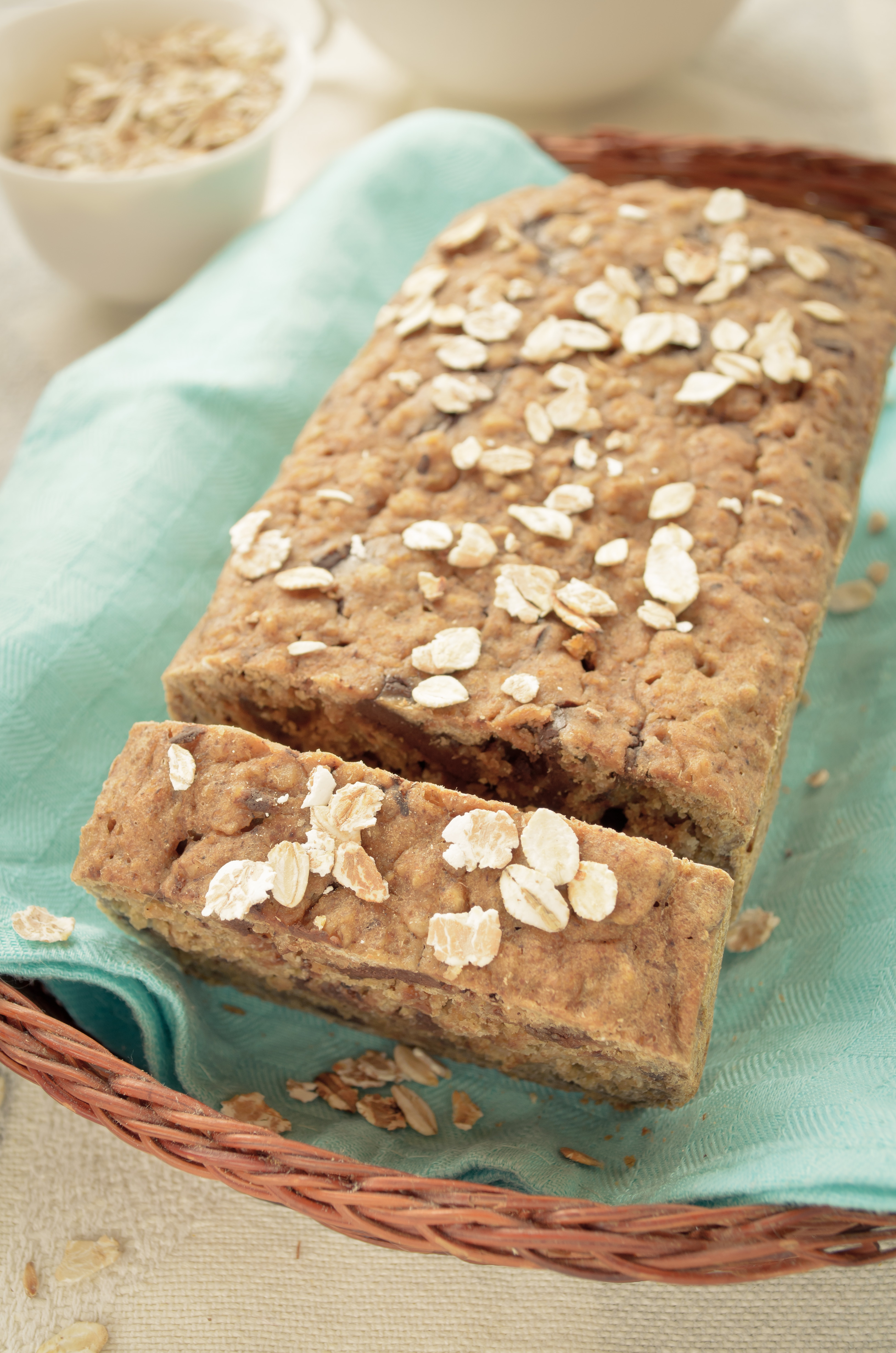
Oatmeal Cake

Posted by & filed under Acesulfame K, Bread, Recipes.

Makes 12 Servings

Ingredients

1 cup boiling water
1/4 cup + 2 tablespoons margarine
6 packets Sweet One® granulated sugar substitute
1 large egg
1 cup all-purpose flour
1-1/2 teaspoons baking powder
1/4 teaspoon salt
1/4 teaspoon cream of tartar
1 cup rolled oats
1/4 cup granulated sugar
2 tablespoons molasses
1 teaspoon vanilla extract
2 teaspoons ground cinnamon
1 teaspoon baking soda
2 large egg whites, at room temperature

Topping:
2 tablespoons margarine
1-1/2 teaspoons molasses
1/4 cup walnuts, chopped
2 tablespoons evaporated skim milk
2 packets Sweet One®
2 tablespoons coconut (optional)

Directions

Preheat oven to 325°F. Spray 8-inch-square baking dish with nonstick cooking spray; set aside. In large bowl, combine water, rolled oats and 1/4 cup plus 2 tablespoons margarine; cool to lukewarm. With electric mixer at medium speed, beat in sugar, 6 packets Sweet One®, 2 tablespoons molasses, egg and vanilla. In small bowl, stir together flour, cinnamon, baking powder, baking soda and salt; stir into oatmeal mixture until well blended.

In large metal bowl with electric mixer at high speed, beat egg whites and cream of tartar until stiff peaks form; fold into batter. Spoon batter into prepared pan. Bake in center of over 25 to 30 minutes or until wooden pick inserted in center comes out clean. Cool on wire rack.

Prepare topping: Preheat oven to broil. In small saucepan over medium heat, cook 2 tablespoons margarine, milk, 1-1/2 teaspoons molasses and 2 packets Sweet One® 2 to 3 minutes or until bubbly and slightly thickened. Stir in Walnuts and coconut, if desired. Spread on cake. Broil 3 to 4 inches from heat source 30 seconds or until nuts begin to brown. Cool on wire rack

Nutritional Information

Calories: 190


faq2Do you have questions about low-calorie sweeteners? Want to learn more about maintaining a healthy lifestyle? You asked and we listened. Our resident Registered Dietitians answered the most popular questions about low-calorie sweeteners.

Media Contacts

For media inquiries please reach out to any of the below contacts: