New Nutrition Facts Label to State Added Sugar Content: How Polyols Can Help Reduce Added Sugars in Your Products

Posted by & filed under Polyols.

The Nutrition Facts Label (NFL) found on packaged foods and beverages is scheduled receive a face-lift. In 2016, the US Food and Drug Administration (FDA) mandated updates to the NFL to make it more consumer friendly. The major changes to the NFL are a result of evolving nutrition recommendations and changing nutrients of public health concern. For instance, the new NFL will emphasize calories with a larger print size, will include “added sugars” underneath the “total sugars” category, and will declare amounts of vitamin D and potassium. Notably, on June 13, the FDA announced they are delaying the NFL compliance date, hoping that the deadline extension will provide manufacturers adequate time to transition smoothly and cost effectively.
The changes to the NFL are partially due to the recognition of a global obesity epidemic and a need to further educate consumers about the foods they are eating. The decision to include “added sugars” in grams and as a percent daily value was intended to show consumers the amount of sugar that is being added to a product and to help them discern what is added from what is naturally present in that item.

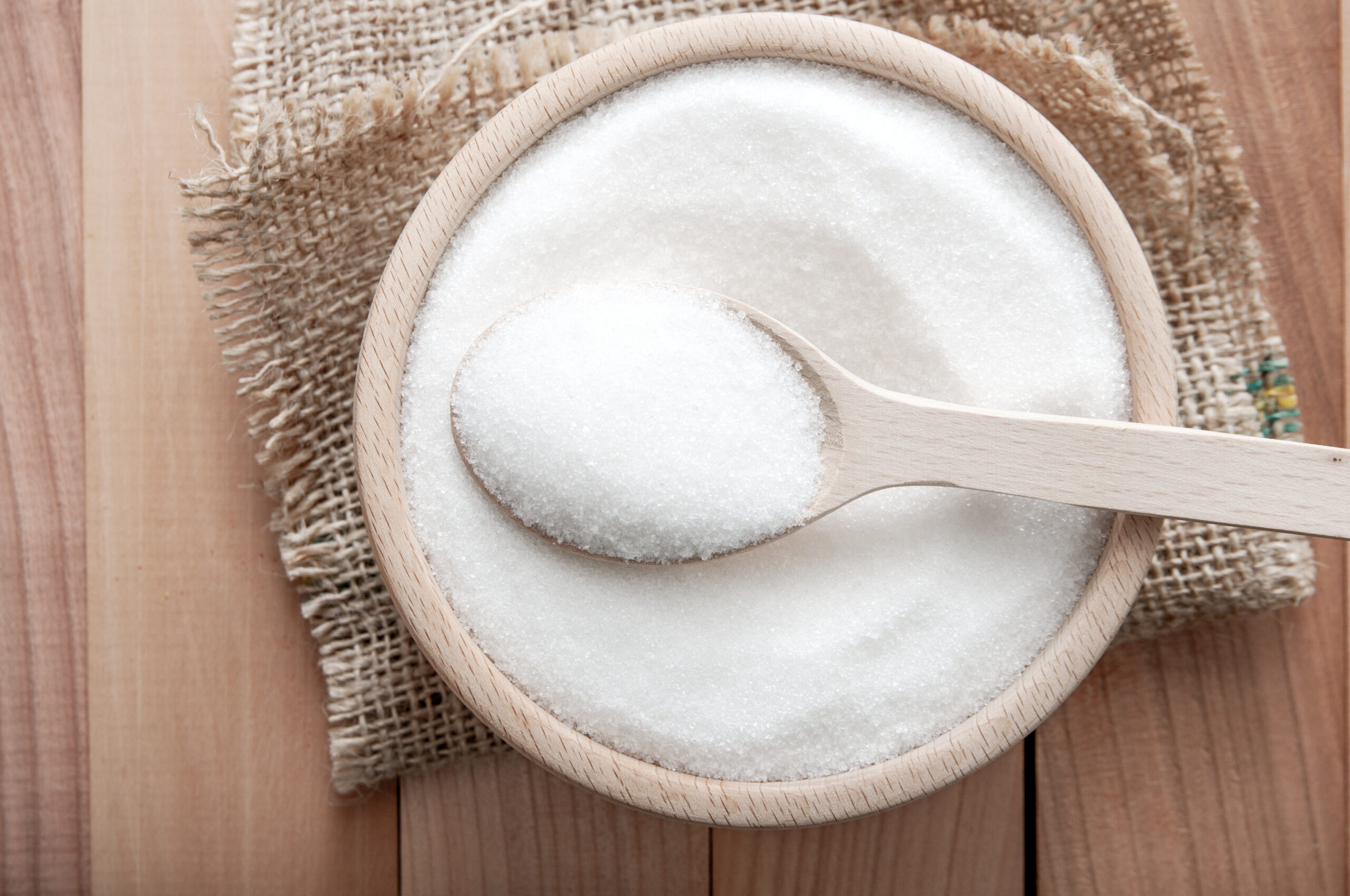
Polyols, also known as sugar alcohols, are not considered added sugars by the FDA and therefore, will not be accounted for in the “added sugars” category. Polyols are non-sugar, low-digestible carbohydrates which can be used to partially or totally replace the sugar content of foods and beverages.

While functionality varies between polyols and specific applications, polyols can impart the following properties which impact functionality: sweetness, bulking, moisture retention, water activity inhibition, sugar crystallization inhibition, viscosity, and flavor retention at high temperatures. Polyols are most often found in applications such as confectionaries, baked goods, frozen desserts, syrups, beverages, chewing gum, and breath mints.

Further, FDA recognizes polyols as either approved food additives or as Generally Recognized as Safe (GRAS) ingredients. Therefore, when reformulating food and beverages, one should consider using polyols as a safe and effective replacement for sugar. For additional information on polyol applications and functionality, click here to read “Reducing Added Sugars with Polyols” by Peter Jamieson.

The post New Nutrition Facts Label to State Added Sugar Content: How Polyols Can Help Reduce Added Sugars in Your Products appeared first on Polyols.


Review of Sucralose Safety Published in Food and Chemical Toxicology

Posted by & filed under Health Professionals, Statements, Sucralose.

Critical review of the current literature on the safety of sucralose” by Magnuson, et al., was published in Food and Chemical Toxicology in August 2017. The article provides a comprehensive review of animal and human studies conducted to evaluate the safety of sucralose. The extensive studies evaluated endpoints including possible effects on growth, development, reproduction, neurotoxicity, immunotoxicity, carcinogenicity and overall health status. Magnuson, et al., also review the studies conducted in healthy subjects and in subjects with diabetes, and report the studies confirm lack of effect of repeated consumption of sucralose on any health parameters. Studies have shown that sucralose consumption does not result in changes to glycemic control parameters such as blood glucose or insulin, that are observed with sucrose or other carbohydrate containing sweeteners. The review of literature also provides the definition of acceptable daily intake (ADI) and No Observed Adverse Effect Level (NOAEL) and summarizes studies that show the estimated intakes of sucralose remain well below acceptable daily intake values.

The authors state, “In conclusion, the extensive database of studies assessing genetic toxicology, short and long term safety, animal and human absorption, distribution, metabolism and excretion, reproductive, development, and neurological effects and, most recently human clinical trials in healthy and diabetic subjects by numerous researchers provide a clear demonstration of safety of use of sucralose as a non-caloric sweetener in foods and beverages.”

Calorie Control Council provided financial support for this literature review.

Magnuson BA, Roberts A, Nestmann ER. Critical review of the current literature on the safety of sucralose. Food Chem Toxicol. 2017 May 27. pii: S0278-6915(17)30281-8. doi: 10.1016/j.fct.2017.05.047.


The post Review of Sucralose Safety Published in Food and Chemical Toxicology appeared first on Sucralose.


Summer Harvest with Fiber

Posted by & filed under Fiber, Lifestyle Articles, Summer.

By: Amber Pankonin MS, RD, CSP, LMNT —

As a Registered Dietitian, even I struggle with getting the recommended amount of fiber. Did you know that men should aim for 38 grams/day and women should aim for at least 25 grams/day? However, the average intake is around 15 grams/day. Whole grains, fruits and vegetables are all good sources of dietary fiber. If you’re familiar with the benefits of fiber, you probably know that it contributes to a healthy digestive system. Fiber can also slow the digestion of carbohydrates, which can be beneficial for maintaining healthy blood sugar levels especially for individuals with diabetes. When introducing more fiber into your diet, it is important to do it gradually.  Try increasing your fiber intake by 3-5 grams each week until you reach the recommended daily amount for your age and gender. These small increases will help you avoid any uncomfortable gas or bloating while reaching your goal.

With summer upon us, I find it easier to get more fiber because of the wonderful selection of fresh fruits and vegetables making this the perfect time to add more fiber to your diet. Fruits and vegetables available in the summer include peaches, plums, mangos, blackberries, strawberries, tomatoes, zucchini, sweet corn and bell peppers. Bell peppers, zucchinis, peaches and nectarines all contain about 2 grams of fiber. One mango has about 5 grams of fiber and 1 cup of blackberries provides 8 grams of fiber. Eating seasonal fruits and vegetables is such a treat and it also means I look forward to eating different foods each season!

My favorite produce of the summer would have to be sweet corn, which provides about 2.5 of fiber for an ear of corn. Living in the Midwest means I can find sweet corn for sale in the grocery store, local farmers’ markets and even roadside stands. You may also see it included in Community Supported Agriculture (CSA) produce programs. The fiber found in sweet corn has similar health benefits to soluble corn fiber or some other added fibers. Added fiber is an ingredient that can boost the fiber content of foods including beverages, packaged foods, cereals and more. Regardless of the source of fiber, labels that say “good source of fiber” contain 2.5 grams of fiber per serving. These could be food to consider adding for the goal of adding 3-5 grams of fiber per week until you reach the recommended intake.

One of my favorite summer recipes is this summer harvest pasta salad made with whole wheat rotini, sweet corn and bell peppers, which contains about 3 grams of fiber per serving. During the summer these types of dishes are perfect because it doesn’t require a lot of cooking or preparation and it goes well with grilled chicken or steak.

Summer Harvest Pasta Salad

Ingredients

Salad

8 oz. whole wheat rotini noodles (dry) or 5 cups cooked
2 cups sweet corn
1 cup white onion, finely chopped
1 red bell pepper, chopped
1 orange bell pepper, chopped
2 cups grape tomatoes, chopped in half
1 medium cucumber, sliced and quartered

Dressing

¼ cup white vinegar
½ cup Canola oil
5 garlic cloves, finely minced
1 teaspoon salt
1/2 teaspoon pepper

Directions

Prepare pasta as directed, set aside and cool. Combine all vegetables and set aside. Once pasta has cooled completely, combine pasta with vegetable mixture.

Whisk together vinegar, canola oil, fresh garlic, salt and pepper until ingredients are fully mixed. Pour over vegetable mix and stir well. Chill and serve.

Nutritional Information

Serving size: 1 cup

Calories: 197
Total Fat: 11g
Carbohydrates: 24g
Protein: 4g
Sodium: 210mg
Fiber: 3g


Amber Pankonin MS, RD, CSP, LMNT is a registered dietitian and licensed medical nutrition therapist based in Lincoln, NE. She works as a nutrition communications consultant, freelance writer, food photographer, and adjunct professor at the University of Nebraska- Lincoln. Amber shares her love for food and nutrition at Stirlist.com, an award-winning website, focusing on healthy, easy recipes for the busy cook. Amber serves on several boards including the Nebraska Academy of Nutrition and Dietetics and the Nutrition Entrepreneurs Dietetic Practice Group, and also cofounded a group to motivate female entrepreneurs in her town. You can follow her on Twitter @RDamberInstagramPinterest, or connect with her on Facebook.

The post Summer Harvest with Fiber appeared first on Fiber Facts.


Addressing Weight Control: Are You Asking Your Patients the Right Questions?

Posted by & filed under Fructose, Health Professionals.

Why Do People Eat What they Eat?

By Rosanne Rust MS, RDN, LDN  —
When working with patients, dietitians are trained to evaluate the nutrition status of clients, reviewing everything from medical history, to biochemical and anthropometric data, to lifestyle habits and dietary intake. We determine the best diet for individual clients based on this big picture. When it comes to the dietary evaluation, we don’t just ask clients what they eat, we also ask about the timing of meals and snacks, their environment, and even the feelings associated with eating (hunger, mood).

A crucial question that’s often missing in diet evaluation is, “why”. Why do people eat what they eat? Asking this question, with curiosity and without judgement, will provide both you and your patient a lot of valuable information and insight. Of course people should be eating when they are hungry and need fuel, but there are many other reasons people eat, and these behaviors need to be thoughtfully considered.

Sugar’s Role

While mainstream and social media often demonize certain ingredients and focuses on what not to eat, I find it best to focus on what to add to the diet (not what to take away). When healthy foods are added, they generally will displace the less healthy foods.  In addition, it’s also the behaviors surrounding meals that really impact whether a healthy diet and lifestyle can be sustained.

For example, sugar continues to receive headlines, suggesting that health will improve just by focusing on reducing sugar intake. Certainly, this is often not the case. If an individual is using food to treat emotional challenges, a broad approach is required to get them on a healthier path. Emotional eating, binge eating and eating in response to cravings, have all been linked to weight gain, or regain in individuals who have lost weight.

Defining Terms

  • Emotional Eating: Consumption of food in response to emotional arousal
  • Binge Eating: Consumption of large amounts of food at one time, with limited to no control
  • External Eating: Eating in response to external food-related cues (for instance, the sight or smell of food)
  • Food Cravings: Often involves excessive thoughts about craved foods

When these types of eating behaviors are present, it’s important to address them with your patient, helping them find healthier ways to cope with anxiety, stress or the emotional responses to food. If your patient is suffering with some anxiety or depression, he may be self-medicating with sweet foods, as a method to increase serotonin levels. While chronic stress may lead to increased consumption of palatable food, fructose itself does not bring on the craving, nor promote the weight gain. Advising this individual to remove sugar from the diet does not necessarily improve his/her eating behavior. Addressing the root of this problem is your best strategy, before embarking on dietary advice.

Striving for Balance

Tackling emotional eating can be daunting, but helping your patients understand that they will feel better when eating a balanced diet is step one. Offering a simple meal plan, like the one below, can help illustrate intended diet modifications. The goal is to balance carbohydrate, protein, and fat at each meal or snack. While it can be helpful to provide suggestions for modifying meals, listening to a patient describe why they eat can help tailor the meal plans based on the patient’s needs. Assessing cooking ability/interest, need for convenience, cost constraints, and sensorial preferences can be helpful in providing tailored guidance for patients that want to improve their habits.


MEALINSTEAD OF…HAVE THIS….OR THIS…
Breakfast2 slices of toast with butter and jelly

Juice

1 slice of whole grain toast and 1/2 cup low fat cottage cheese with sliced peaches or other mixed fruit1-2 eggs

1 whole grain English Muffin

Snackcandy barA banana with peanut butter6 ounce Greek yogurt
LunchHam sandwich on white bread with chips and a jumbo cookieHalf a sandwich, a cup of vegetable soup, and a side spinach saladHam sandwich in a whole grain wrap (or bread), an apple, 1 small cookie
Snackpotato chips1-2 ounces hard cheese with 3 crackers15 almonds
Dinner8 oz Pork chop, large baked potato, roll with butter, a slice of pie6 oz Pork chop, 1/2 cup potato, 1 cup broccoli, fresh berries topped with 2 TB whipped cream.1 cup pasta mixed with chopped chicken and vegetables, plus a tossed salad.

1/2 cup pudding for dessert

Boosting nutrition, in the form of foods such as nuts, vegetables, meats, dairy foods, and grains, will provide the body with the vitamins, minerals, protein and fiber that it needs, thereby reducing cravings. The idea that simply eliminating fructose or other sugars from the diet will cure or prevent obesity is just not supported. You shouldn’t recommend that patients take a “sugar challenge”, or “detox” or eliminate all sugar from the diet. Recommend they balance meals out, and reduce portions of sweets. Reconciling behaviors and planning healthy meals will go a lot farther toward weight management success.

 

Rosanne RustRosanne Rust MS, RDN, LDN is a registered, licensed dietitian-nutritionist with over 25 years experience. As a Nutrition Communications Consultant  she delivers clear messages helping you understand the science of nutrition so you can enjoy eating for better health. Rosanne is the co-author of several books, including DASH Diet For Dummies® and the The Glycemic Index Cookbook For Dummies®. A wife, and mother of 3 boys, she practices what she preaches, enjoying regular exercise, good food and festive entertaining. Follow her on Twitter @RustNutrition.

The post Addressing Weight Control: Are You Asking Your Patients the Right Questions? appeared first on FructoseFacts.



How Sweet It Is: Enjoy Candy without Guilt

Posted by & filed under Lifestyle Articles, Sucralose.

June is National Candy Month, an annual event created by the National Confectioners Association to celebrate the authentic, fun treats that candy companies have been producing for more than 100 years.

Whether its chocolate, hard candy or soft chewy treats, can candy be part of a nutritious eating plan? Absolutely! You may have heard of the term “empty calories” referring to foods or candies high in fat or carbohydrates but lacking other nutrients. While it’s important to ensure your diet provides adequate amounts of all the important nutrients, there can still be room for sweets and candies.

As with most things in life, moderation is the key to indulging in candy without jeopardizing your diet. The National Confectioners Association made a commitment in May to help folks do just that. Joining with the Partnership for a Healthier America, NCA’s chocolate and candy companies are committing to voluntarily printing calorie information on the front of product packages and making at least half of their single-serving products 200 calories or less.

Beyond this initiative, there are other ways you can enjoy candy without overdoing it. I’ve come up with a “3P Strategy” to help keep candy under control: pare it, pair it and prepare it.

Pare It

Eating a smaller portion, having it less often and choosing lower calorie options are ways to consume fewer calories and less sugar without forgoing candy altogether.

  • 5 candy kisses vs. a large (1.5 ounce) chocolate bar cuts calories in half
  • Peppermints and lemon drops have a mere 20 calories each and gumdrops only have 10 calories each.
  • Snack on candy once per day rather than several times or eat half of your normal amount.
  • Hard candies, caramels and chocolate peanut butter cups are available in sugar-free varieties.

Pair It

Pairing candy with another food like fruit, dairy or a whole grain can up nutrition while lowering calorie and sugar intake. This can help improve your intake of nutrients that you may have a hard time consuming in sufficient amounts. For example, a crunchy candy/nut mix stirred into vanilla yogurt sweetened with sucralose instead of sugar can help increase intake of calcium, magnesium and potassium from yogurt. A mini-chocolate bar with fresh fruit slices (“pear it”) could be a way to increase fruit intake. Or create your own trail mix with gumdrops or milk chocolate minis, nuts, dry cereal and dried fruit. This can be a portable treat that can help you achieve your fiber intake goals along with other nutrients depending on the mix that you create.

Prepare It

Making your own candy using low-calorie sweeteners is a third option for keeping candy in your life without overindulging. Check out recipe sites and try your hand at homemade treats. Try these recipes for starters: chocolate toffee bars, penuche squares and candied nuts.

Preparing some of these candies can also provide some additional nutrients. For example:

  • Nuts and peanut butter in candy contain unsaturated fats, plant sterols and omega-3 fats that provide heart health benefits. Nuts also deliver vitamin E, fiber and protein, other nutrients the body needs.
  • Calories supplied by the sugar and fat in candy help fuel the body. Some endurance athletes find that candy is a great way to consume sufficient calories to perform during their competition or during their training.

No matter what your favorite candy, remember you can still enjoy it during National Candy Month and throughout the year. Moderation and following the 3 Ps is the key.


Neva Cochran, MS, RDN, LD is a registered dietitian nutritionist based in Dallas. She serves as a nutrition communications consultant to a variety of food and nutrition organizations, including the Calorie Control Council. She is passionate about promoting fact-based food and nutrition information to help people enjoy nutritious eating. Follow her on Twitter @NevaRDLD and check out her blog at www.NevaCochranRD.com.

The post How Sweet It Is: Enjoy Candy without Guilt appeared first on Sucralose.


faq2Do you have questions about low-calorie sweeteners? Want to learn more about maintaining a healthy lifestyle? You asked and we listened. Our resident Registered Dietitians answered the most popular questions about low-calorie sweeteners.

Media Contacts

For media inquiries please reach out to any of the below contacts: