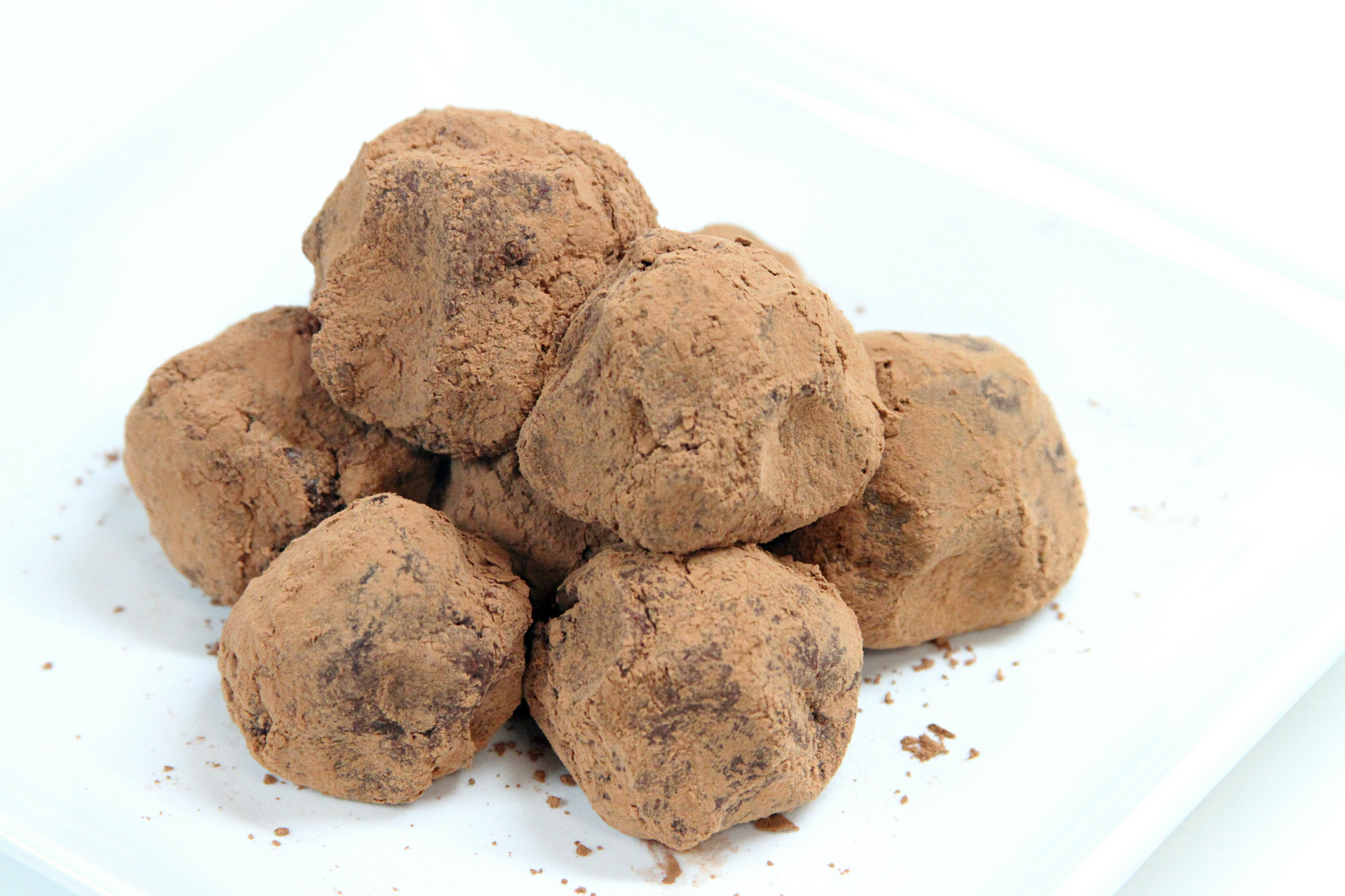
Chocolate Truffles

Posted by & filed under Desserts, Recipes, Stevia.

Makes 36 Truffles

Ingredients

6 ounces bittersweet (70% cocoa) premium chocolate, finely chopped
1 cup heavy cream
3 packets Stevia In The Raw®
1 teaspoon pure vanilla extract, or 2 teaspoons orange liqueur, brandy, or rum
3 tablespoons unsweetened ground chocolate, such as Dagoba, or natural cocoa powder

Directions

Place chocolate in wide, shallow bowl.

Heat cream and Stevia In The Raw® in small saucepan over medium heat until bubbles appears around edge, or microwave until cream is almost boiling. Pour half of hot cream over chocolate. Stir slowly with wooden spoon until chocolate is melted, 2 to 3 minutes. Add remaining cream, and vanilla or other flavoring, and stir gently until mixture is blended and silky. Cool truffle mixture to lukewarm, 20 minutes. Cover with plastic wrap and refrigerate until chocolate is firm, 4 hours, up to 24 hours.

Line jellyroll pan with wax paper. Take cold truffle mixture from refrigerator and scoop in generous teaspoonfuls, roll chocolate between your palms, forming roughly rounded ¾” balls, and place truffles on baking sheet. If truffle mixture gets too soft, return to refrigerator until firm, then continue. Rinse hands in cold water and dry them after rolling 10-12 truffles. Cover rolled truffles loosely with foil and chill until firm, 1-2 hours, or up to 3 days.

To serve, place chocolate powder or sieved cocoa in small bowl. One at a time, roll the number of truffles to be served in powder until coated. Using fork, lift coated truffles and place on serving plate. Serve immediately, or cover with foil and refrigerate up to 4 hours. Serve directly from refrigerator.

Recipe courtesy of Intheraw.com.

The post Chocolate Truffles appeared first on Steviabenefits.org.


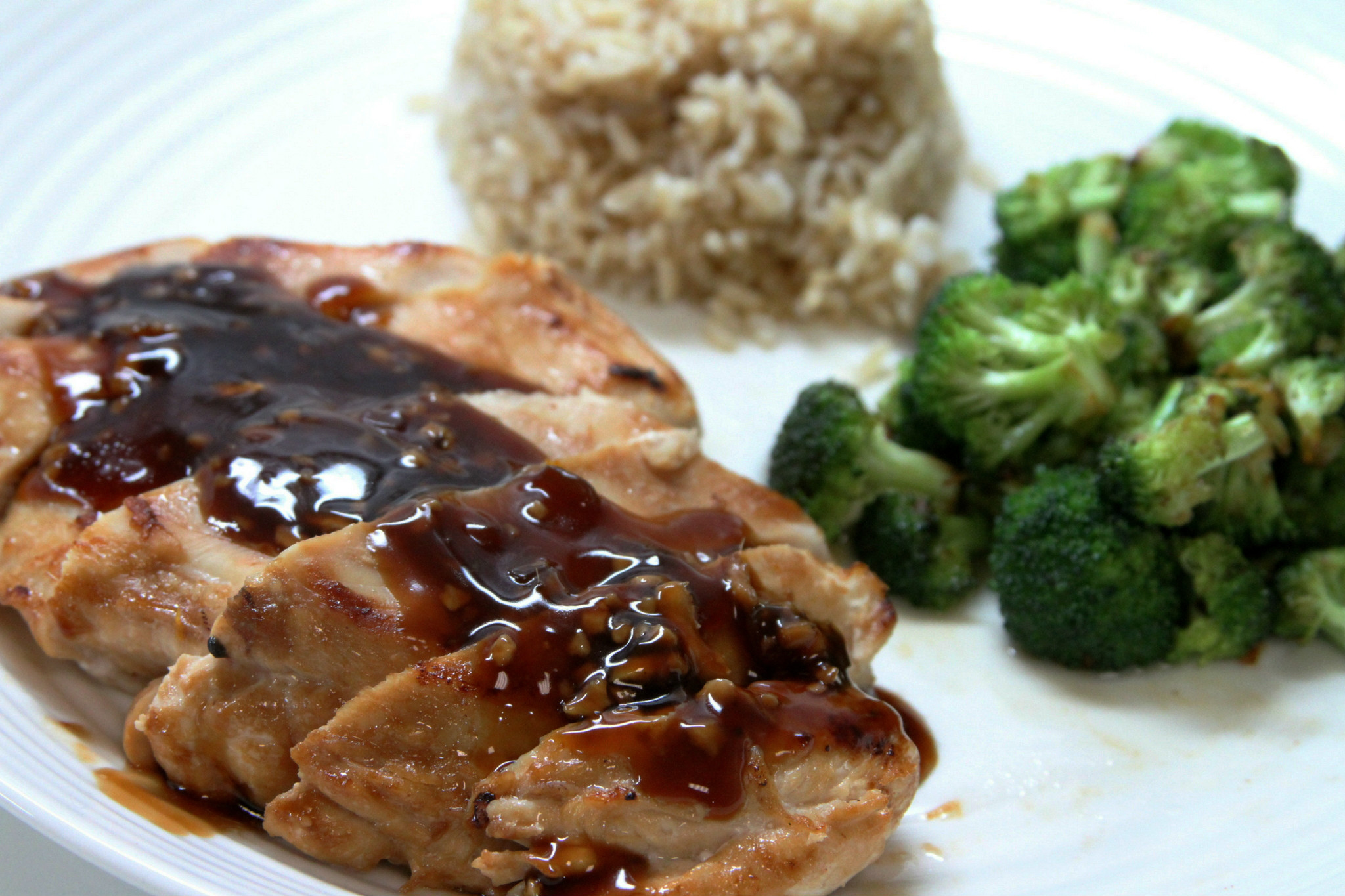
Teriyaki Sauce

Posted by & filed under Recipes, Side Dishes, Stevia.

Watch how to make it below!

Makes 8 Servings

Ingredients

3 packets SPLENDA® Naturals Stevia Sweetener
2 tablespoons cornstarch
1 cup beef, chicken, or vegetable broth
1/3 cup soy sauce
1 tablespoon pineapple juice
1 tablespoon red wine vinegar
1/4 teaspoon sesame oil
1 tablespoon finely chopped fresh garlic
2 teaspoons finely chopped fresh ginger
1/4 teaspoon grated orange rind

Directions

Combine all ingredients in a small saucepan, stirring until smooth. Bring to a boil over medium heat, stirring constantly; boil, stirring constantly 1 minute.

Recipe courtesy of Splenda.com.

The post Teriyaki Sauce appeared first on Steviabenefits.org.


Study Linking Weight Gain and Heart Disease with Low Calorie Sweeteners Paints with Too Broad a Brush

Posted by & filed under Health Professionals, Statements.

By: Keri Peterson, MD —

July 17, 2017 — 12:01 AM — Obesity is a complex condition with numerous causes and associations. Due to its association with a number of negative health outcomes and chronic diseases, a variety of approaches to managing obesity have been explored in an attempt to identify how to best help individuals achieve and sustain healthy weight loss. Collectively, this research has shown that personalized, multifactorial and multidisciplinary approaches using a variety of tools can improve an obese individual’s success in losing weight. The study analysis, “Nonnutritive sweeteners and cardiometabolic health: a systematic review and meta-analysis of randomized controlled trials and prospective cohort studies” by Azad et al., took a broad approach of identifying studies related to low-calorie sweeteners (LCS) but did not consider the additional study aspects known to influence change in body mass index (BMI)

Publication Bias May Skew Findings

This meta-analysis is based on data from 7 randomized controlled trials (RCTs) including various LCS interventions that ranged from 6 to 24 months and 30 observational reports on 22 cohorts with follow-up ranging from 1 to 38 years. The authors report that the selected RCTs do not consistently show that consumption of LCS alone results in weight loss or reduction in BMI. While the authors note differences in the weight-loss effects in RCTs and suggest that funding could be a source of bias that could not be evaluated, the studies also differ significantly in intervention design and duration which have known roles in obesity intervention outcomes.

The authors found that the observational studies suggest that long-term LCS intake may be associated with diabetes risk, but that publication bias may skew their analysis and experimental studies have not confirmed these findings. Additional associations of LCS intake with increased risk for cardiometabolic disease and high BMI were based on observational studies that prevent determining if the relationship is causal. It is also important to note that observational cohort studies are at risk for residual confounding and reverse causality. For example, researchers admit that less than 50% of the cohort studies controlled for ethnicity or socioeconomic status which are both known risk factors for obesity and cardiometabolic illness. Further, previous research has shown that LCS consumers begin using or increase consumption of LCS as a way to manage pre-existing diseases like diabetes which are brought on by genetic or lifestyle factors.

Obesity Cannot Be Generalized

The Calorie Control Council’s Medical Advisor, Keri Peterson, MD, notes that the

Management of obesity leading Keri Peterson MD to sustained weight loss requires a multifactorial approach and is best achieved by individualizing the approach. Effective  behavioral change is best enabled by addressing learned behaviors that lead to excessive food intake and evaluating causes of a sedentary lifestyle. This can only be done by taking the time to learn about my patients.

Because obesity is often times associated with other negative health outcomes, Azad et al., also conducted secondary evaluations and noted that LCS intake is associated with higher risks of obesity, hypertension, metabolic syndrome, type 2 diabetes, stroke and cardiovascular disease events. The researchers note that RCTs do not confirm these associations and identified a publication bias which favored reporting positive associations between LCS and type 2 diabetes.

“Low-calorie sweeteners are a tool to help provide sweet taste without calories to address one aspect of calorie intake. Taste preferences are an important component of dietary habits but successful weight management requires a well-rounded strategy”, says Robert Rankin, President of the Calorie Control Council. “Individualized strategies are critical for successful body weight management and should address not only dietary preferences, but also physical activity, and medical considerations to help each person achieve their health goals, including those related to chronic diseases such as cardiovascular disease, diabetes, obesity and hypertension.”


Allulose: A Sweet New Tool for Diabetes Management

Posted by & filed under Allulose, Managing Diabetes.

By: Melissa Joy Dobbins, MS, RDN, CDE —

There’s no debating it: Diabetes is a serious and growing national health concern. Nearly 30 million people (9.3% of the U.S. population) have diabetes, and 86 million (more than 1 out of 3 adults) have prediabetes.

I’ve been a certified diabetes educator for nearly 20 years and a registered dietitian for 24 years. Helping people with diabetes live healthier, happier, and fuller lives has been the most rewarding part of my career. Healthcare professionals can truly make a difference in the lives of people with diabetes by empowering them to explore various strategies and tools, and help them discover their own unique path to achieving their diabetes self-management goals.

The primary focus of diabetes management is blood glucose control. Aiming for specific, individualized blood glucose levels through eating habits, activity, stress management and sometimes medication(s), is key. Keeping carbohydrate intake consistent, and within a certain range, at meals and snacks is an important factor in maintaining blood glucose control.

Low-calorie sweeteners, sometimes known as non-nutritive sweeteners, are useful tools in managing carbohydrate intake and therefore, in managing blood glucose levels. The Academy of Nutrition and Dietetics’ Position Paper “Use of Nutritive and Nonnutritive Sweeteners” discusses the safety, function and regulatory status of sweeteners. The American Diabetes Association states that “choosing NNS [nonnutritive sweeteners] instead of nutritive sweeteners is one method to assist with moderating carbohydrate intake.” Now, there is a new tool in the low-calorie sweetener toolbox: allulose.

As a health care professional, here’s what you need to know about allulose:

What is allulose? Allulose is a monosaccharide that is absorbed by the body, but not metabolized. It is a low-calorie sweetener that tastes just like sucrose and also has the texture, taste and performance (structure/function) of a full calorie sugar. Food and beverage manufacturers have found that, like sugar, allulose browns when baking, adds bulk and texture to products and works in combination with other sweeteners.
Where does it come from? Allulose, which exists in nature in very small quantities, was initially identified from wheat and has since been found in certain fruits including jackfruit, figs and raisins. Allulose is also naturally present in small quantities in a variety of sweet foods like caramel sauce, maple syrup and brown sugar.
How does it affect blood sugars? Research shows that allulose has no impact on blood glucose.
Is it safe? Allulose has received ‘Generally Recognized as Safe’ (GRAS) status from the U.S. Food and Drug Administration (FDA).
How well is it tolerated? Researchers found allulose to be well tolerated without causing any gastrointestinal symptoms.
Where can you find it? Allulose is not yet available as a table top sweetener, but you will soon begin seeing it as an ingredient in many foods and beverages.

As a dietitian and diabetes educator, I am always looking for ways to help people ‘do more with diabetes’ and I definitely encourage them to explore the wide variety of tools and strategies that exist so they can enjoy their food while keeping their health in mind. Allulose is a promising new tool to help them do just that. For more information, check out the latest science and these FAQs about allulose at www.allulose.org.

Melissa Joy Dobbins, MS, RDN, CDE is a nationally recognized registered dietitian nutritionist with more than 20 years’ experience helping people enjoy their food with health in mind. Melissa is a certified diabetes educator, a former supermarket dietitian, and also a former national media spokesperson for the Academy of Nutrition and Dietetics (AND). She was named Outstanding Dietitian of the Year in Illinois by AND and Outstanding Diabetes Educator of the Year in Chicago by the American Association of Diabetes Educators. She is a paid contributor to Allulose.org. Melissa is the CEO of Sound Bites, Inc. based in Chicago, Illinois, and you can connect with her on Twitter (@MelissaJoyRD), Pinterest, Facebook, and check out her blog at SoundBitesRD.com.

The post Allulose: A Sweet New Tool for Diabetes Management appeared first on Allulose.


Enriching Your Summer Celebrations with Fiber

Posted by & filed under Fiber, Lifestyle Articles, Summer.

By Carolyn Reynaud, MS, RD, LD —
Celebrate summer this year by breaking away from traditional BBQ and creating a menu that is not only tasty but healthy, too. An easy way to improve the nutrition of your menu is to focus on fiber. Fiber helps you to stay full and satisfied and is found in a variety of healthy foods like fruits, vegetable, legumes, grains, and fiber enriched foods. Because it is present in so many foods, it presents a bounty of options to indulge your creativity in the kitchen and on the grill.

Substituting Starches

Swapping out your starches for whole grain options is an easy win for boosting health and fiber. Subbing out your hamburger and hot dog buns will add taste and texture. Pasta salads are also the perfect opportunity to add fiber as well by using whole grain pastas. Click here for different ideas how to make a healthier pasta salad. If you do not care for whole grain breads and pastas, look for fiber-enriched options. These will give you the taste of white bread and pasta, but the added fiber of whole grain. You can also try thinking outside of the box and experiment with different grains like quinoa, couscous or barley. This quinoa salad includes tomatoes, cucumbers and avocado for a light grain salad.

Fruit, Veggies and Legumes are Perfect for Summer

Fruit, veggies and legumes are great sources of fiber that are perfect for a hot summer day. They are light, filling and packed with nutrition. Set out a fruit and veggie tray to keep it simple or you can bulk up traditional recipes with extra fruits and veggies. Try a delightful strawberry spinach salad or tomato avocado salad for starters. Beans are not only a super source of fiber, but are also packed with protein. They will help you create a dish that will stick with you for hours without packing in the calories. Try this cowboy caviar; a popular side dish made with black beans, corn, and an assortment of veggies for a punch of fiber and flavor. Preparing these side dishes in advance and serving them cold can also be an added way to stay cool on a hot day.

Add Fiber to Your Desserts

Do not forget dessert when it comes to adding in fiber. There are plenty of ways you can make a dessert that not only tastes good but is healthy. Try mixing your favorite high fiber yogurt with blueberries and strawberries and freezing in freezer pop molds for a refreshing treat. Or try a delicious peach crumble with whole wheat flour and oats for an excellent cap to your meal.

Healthy Options for the Road

Finally, most people will take a road trip, or at least hit the beach or a local park this summer. Take some easy on-the-go snacks to stay healthy. Try mixing nuts, seeds and dried fruit for a delicious trail mix that will travel well and provide lots of fiber. You could roast some spicy chickpeas and bag them up for the day. Another option that you can carry with you would be low sugar, high fiber granola bars that you can throw in your pack. The possibilities are endless for grab-and-go snacks.


Carolyn Reynaud, MS, RD is a licensed registered dietitian and a paid contributor to SteviaBenefits.org. She received her BS in nutrition from Michigan State University and her Masters and Certificate in Public Health from Georgia State University. She has experience working in several avenues of health care including corporate wellness, clinical disease management, research, and health promotion. She has been working as a health coach specialist for close to 6 years, where she counsels patients on preventative healthcare and helps them meet their health goals. Follow her on Twitter @ReynaudCari.

The post Enriching your Summer Celebrations with Fiber appeared first on Fiber Facts.


faq2Do you have questions about low-calorie sweeteners? Want to learn more about maintaining a healthy lifestyle? You asked and we listened. Our resident Registered Dietitians answered the most popular questions about low-calorie sweeteners.

Media Contacts

For media inquiries please reach out to any of the below contacts: