What are the functional reasons that sweet/fructose/sugar are added to some foods?

Posted by & filed under Fructose, Health Professionals.

Fructose: Not Just a Sweetener

By Rosanne Rust MS, RDN, LDN  — 
Most people think of sugar as a sweetener. Your patients may be getting a lot of mixed messages about how much sugar they can have in their diets. Information they glean from popular press or magazines often dilutes dietary advice to simplified messages such as: “Avoid sugar” or “Read labels for sugar” or “Avoid products with high fructose corn syrup”. However, these sorts of messages aren’t too helpful. Simply trying to avoid sugar will not result in a nutritionally sound diet, and attempting to avoid products that contain them does not overtly impact diet and nutrition in the bigger scheme of things. Furthermore, these messages may incorrectly imply that foods low in added sugar are also low in sugar or carbohydrates.

There is no one recommended intake for total sugars in the diet, but there are guidelines. The American Heart Association recommends limiting sugar to 100-150 calories (for women and men respectively) per day, and the World Health Organization recommends free or added sugar intake be five to ten percent of total calorie intake. Your patients need individualized dietary advice based on their health and medical history. Apart from individualizing intakes (such as in patient with diabetes, heart disease, or fructose intolerance), I recommend the middle road of about 10% or less of total calories (this would be 180 calories per 1800 calories).

These guidelines are not meant to have your patients counting grams of sugar every day, or obsessing over every food label. Instead, you’ll just want to advise them to be sensible about the primary sources of sugar and the sweets they eat.

Food Science 101

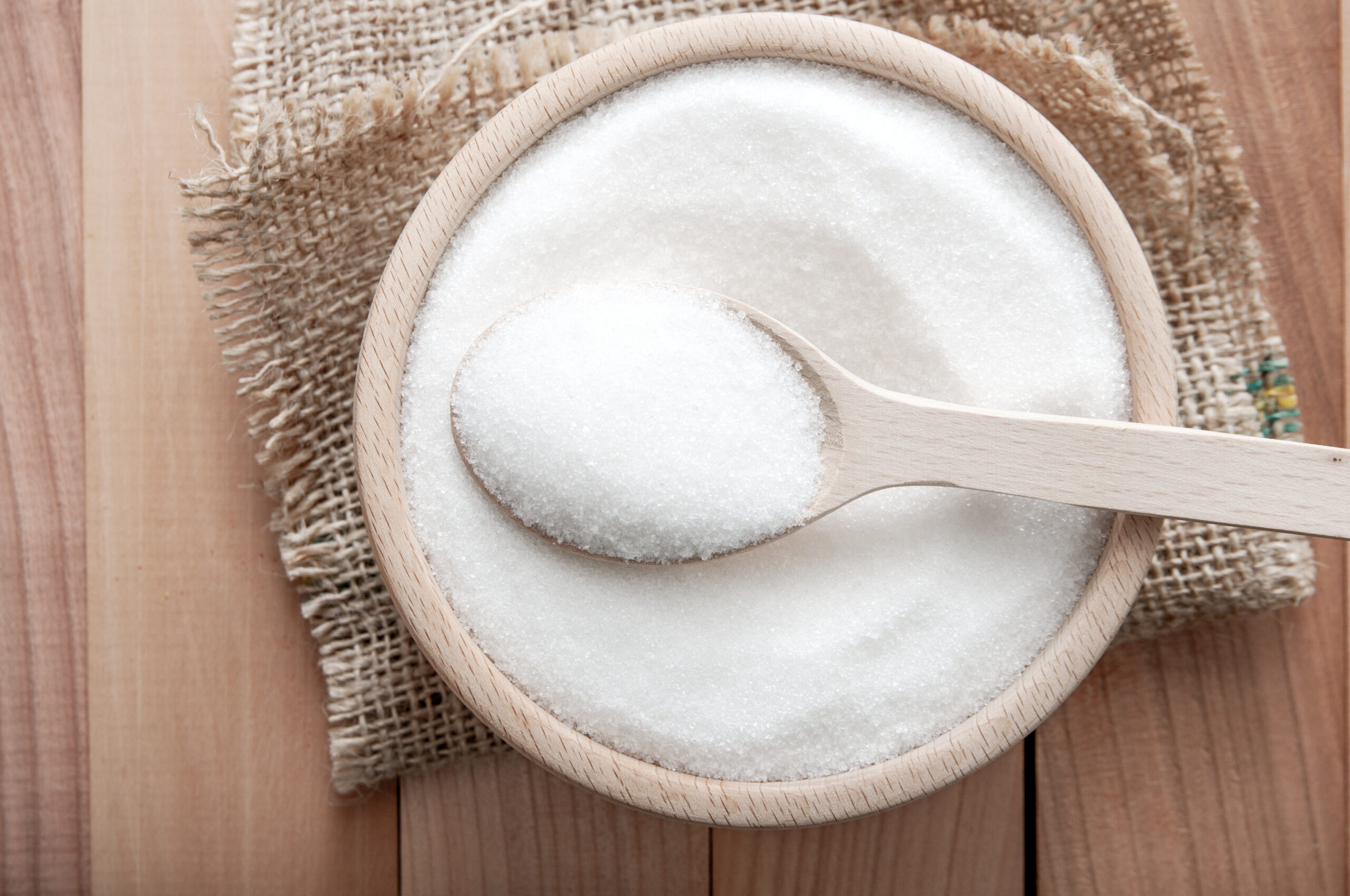
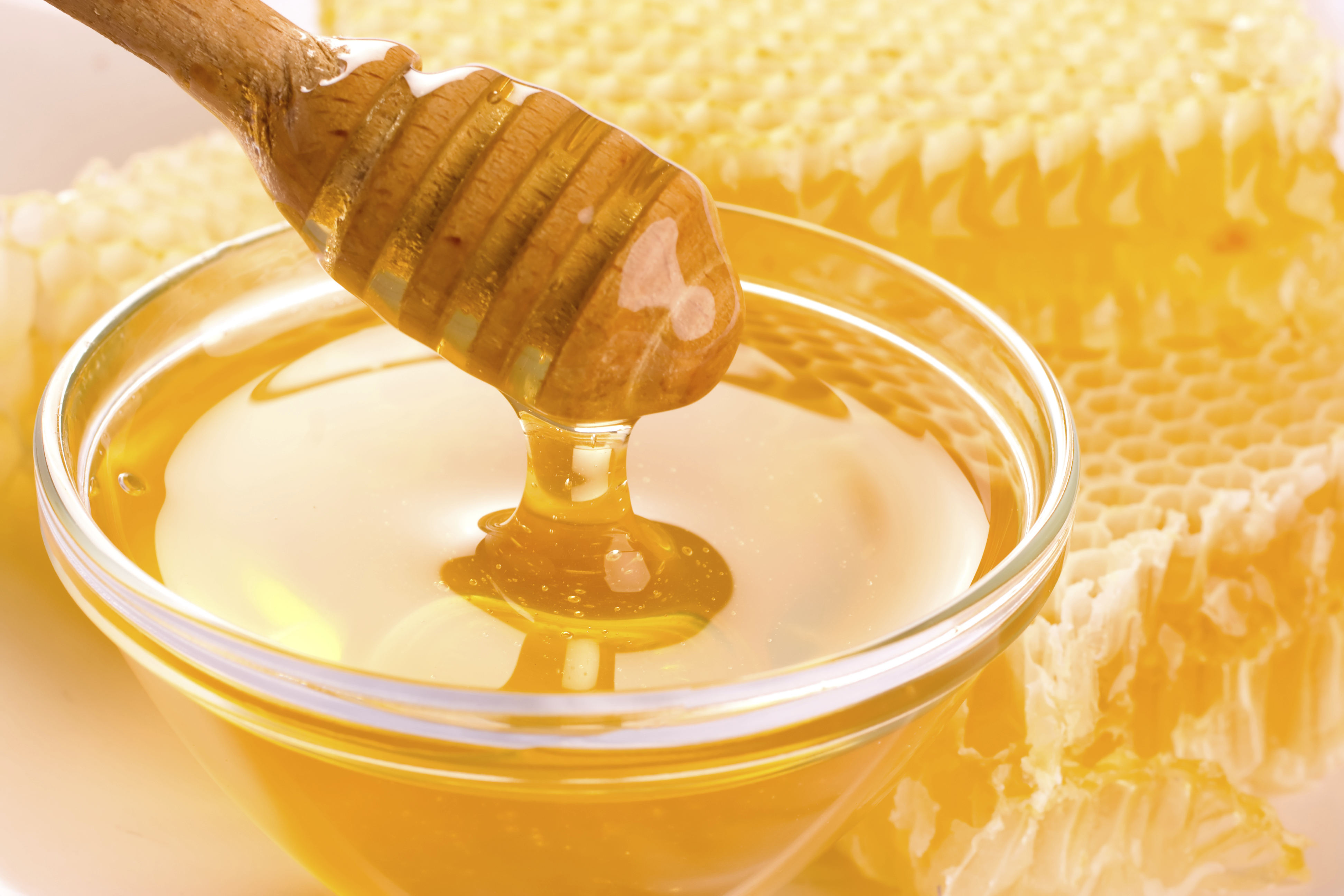
Sucrose in the form of your sugar bowl (from sugar cane or sugar beets) has been consumed in the human diet for decades, while fructose from fruit and honey has been consumed for millennia (1). To help your patients keep perspective on sugar in the diet, its important is to help them understand that sugar is not just added to foods for its sweetening properties, but also for other functional properties.

Sweeteners such as crystalline fructose or high fructose corn syrup are safe ingredients that serve other purposes besides sweetening in food processing. Like other ingredients, sugars serve a variety of roles in food processing. For instance, regardless of whether bread is purchased from a store or bakery or baked at home, most recipes call for some sugar. While many breads are not sweet tasting, the sugar helps activate the yeast so the bread can rise. Other products, such as condiments or salad dressings for example, are often unjustly called out as a source of sugar. They contain minimal sugar per serving which serves as a flavor enhancer and also helps maintain the color of the products. In other cases, sugar can help people enjoy eating foods they may not eat otherwise. Consider the examples of honey glazed steamed carrots compared with raw carrots, sweetened oatmeal versus plain oatmeal, or fruit containing yogurt versus plain yogurt. Fruits, vegetables, dairy, and whole grains are foods that are under-consumed by many Americans. If a little bit of sugar helps people eat more salads or vegetables or oatmeal, that’s a victory for the overall diet.

Beyond Sweetness

Crystalline fructose and high fructose corn syrup contribute many useful physical and functional attributes to food and beverage applications, including:

  • Sweetness: Yes, fructose is used a sweetener, but because it is sweeter than sucrose and high fructose corn syrup, less can be used, thereby reducing calories.
  • Texture enhancement: Fructose promotes cake height in baked goods. Since fructose doesn’t hydrolyze in the same way as sucrose, it provides a longer shelf life to many products.
  • Moisture: Fructose binds moisture well, so it’s to retain moisture and texture in products that are looking for a soft, moist, consistent texture. Crystalline fructose, while in crystal form, once dissolved and used in food products does not recrystallize. This helps provide desired moistness to products.
  • Color and flavor development: Fructose provides a nice mouth feel in products, and offers an appealing aroma and browning effect when heated. The sweet taste can also enhance the flavor profile of many foods and beverages.
  • Low Glycemic quality: Fructose has a lower glycemic index than other sugars, making it appealing for carbohydrate controlled products. It is also cost effective and provides lower carbohydrate content to foods.

Rather than focusing on the type of sugar in a product, help your patients reduce the overall sugar in their diet. Evaluating a diet recall can be effective in identifying food patterns that should be discussed. Many individuals can substitute some foods and beverages and enjoy their diet changes long-term. For example, limiting beverages containing sugar (choosing water or other zero calorie beverages instead), monitoring portions of desserts and other baked goods, and choosing adequate servings fruits and vegetables daily. The DASH Diet is a sensible plan and the My Plate website also has basic guidance to put your patients on a path to healthy eating. Always refer your complex or newly diagnosed patients to a registered dietitian for an individualized diet plan.

Rosanne Rust MS, RDN, LDN is a registered, licensed dietitian-nutritionist with over 25 years’ experience. As a Nutrition Communications Consultant  she delivers clear messages helping you understand the science of nutrition so you can enjoy eating for better health. Rosanne is the co-author of several books, including DASH Diet For Dummies® and the The Glycemic Index Cookbook For Dummies®. A wife, and mother of 3 boys, she practices what she preaches, enjoying regular exercise, good food and festive entertaining. Follow her on Twitter @RustNutrition.

  1. http://ajcn.nutrition.org/content/88/6/1716S.full
  2. http://ajcn.nutrition.org/content/58/5/724S.short

The post What are the functional reasons that sweet/fructose/sugar are added to some foods? appeared first on FructoseFacts.

A High-Fiber Diet Can Help Weight Loss

Posted by & filed under Fiber, Lifestyle Articles.

Common barriers for individuals that are reducing their caloric intake to lose body weight is that they feel hungry and also don’t feel like they have enough food to eat. While reducing the portion size and how often you eat certain foods may help you on your journey, there are also strategies that help reduce these barriers. High fiber foods can be a great way to provide plenty to eat. Some fibers are found in foods, like fruits and vegetables, which are not calorie-dense so you can eat more of them. Others help my making you feel full for longer.

  • If you eat a carbohydrate-heavy breakfast, look for a high fiber cereal (hot or cold) and substitute multi-grain or high-fiber waffles, pancakes, or bread for your plain varieties.
  • While eating breakfast can prevent you from overeating later in the day, people averse to eating early in the morning may be able to start the day with fiber in a great tasting beverage. A smoothie with frozen fruits and ice can also provide a largely sized beverage that can be enjoyed during a commute.
    Try some of these recipes:Raspberry Peach Smoothie
    Paradise Smoothie
    Blueberry Mango Smoothie
    Mago Ginger Smoothie
    Raspberry Banana Smoothie
    Fruit Smoothie

    Another option is to add a clear and taste-free fiber to your morning beverage or even a fiber supplement in a traditional supplement form. These can be added to your coffee, water or juice while other fibers have texture and can boost the texture of a smoothie.

  • Consider selecting the high fiber option of your favorite grain-based foods and adding more fiber to them. For example, substitute regular pasta for high-fiber pasta and make a pasta salad with plenty of vegetables. While a 2 oz. serving of dried pasta (3/4 cup) doesn’t sound like much, adding veggies like broccoli, asparagus, tomatoes, carrots, olives, and mushrooms can quickly stretch the serving and help you feel full.
  • Dried fruits can be a wonderful, portable snack to reduce the urge to eat something less filling. Freeze-dried fruits can be more satisfying because they maintain their bulky appearance but are still convenient to stash anywhere you may have the urge to eat. Fresh fruits can be a better option for those who feel they aren’t eating enough. For example, ¼ cup of raisins and 1 cup of grapes both provide a similar amount of calories but you may enjoy more bites from the fresh fruit. Frozen varieties offer availability without having to worry about wasting food that has been in the refrigerator for too long.
  • Add vegetables rich foods to your rotation of entrees. Bean-based chili, vegetable-laden lasagna, and burgers that include mushrooms and onions in the patty are all hearty entrees. Adding a serving of broiled or grilled protein, including lean beef, fish, pork, or a hard-boiled egg, to a salad of leafy green vegetables can also help provide a plate full of food that will keep you from feeling hungry.

Lastly, it’s important to focus on eating until you no longer feel hungry rather than feeling full. While that distinction may sound minor, finishing your meal or snack when you are no longer hungry can help prevent you from overeating to the point where you are uncomfortable and “feeling full”.  If you dread the potential gas from high fiber foods, simply remember that weight management is a journey and you can ease into eating a diet with enough fiber over time. Some people do not have any problems while others with particularly low fiber intakes may need a few weeks to add fiber into their diet

The post A High-Fiber Diet Can Help Weight Loss appeared first on Fiber Facts.


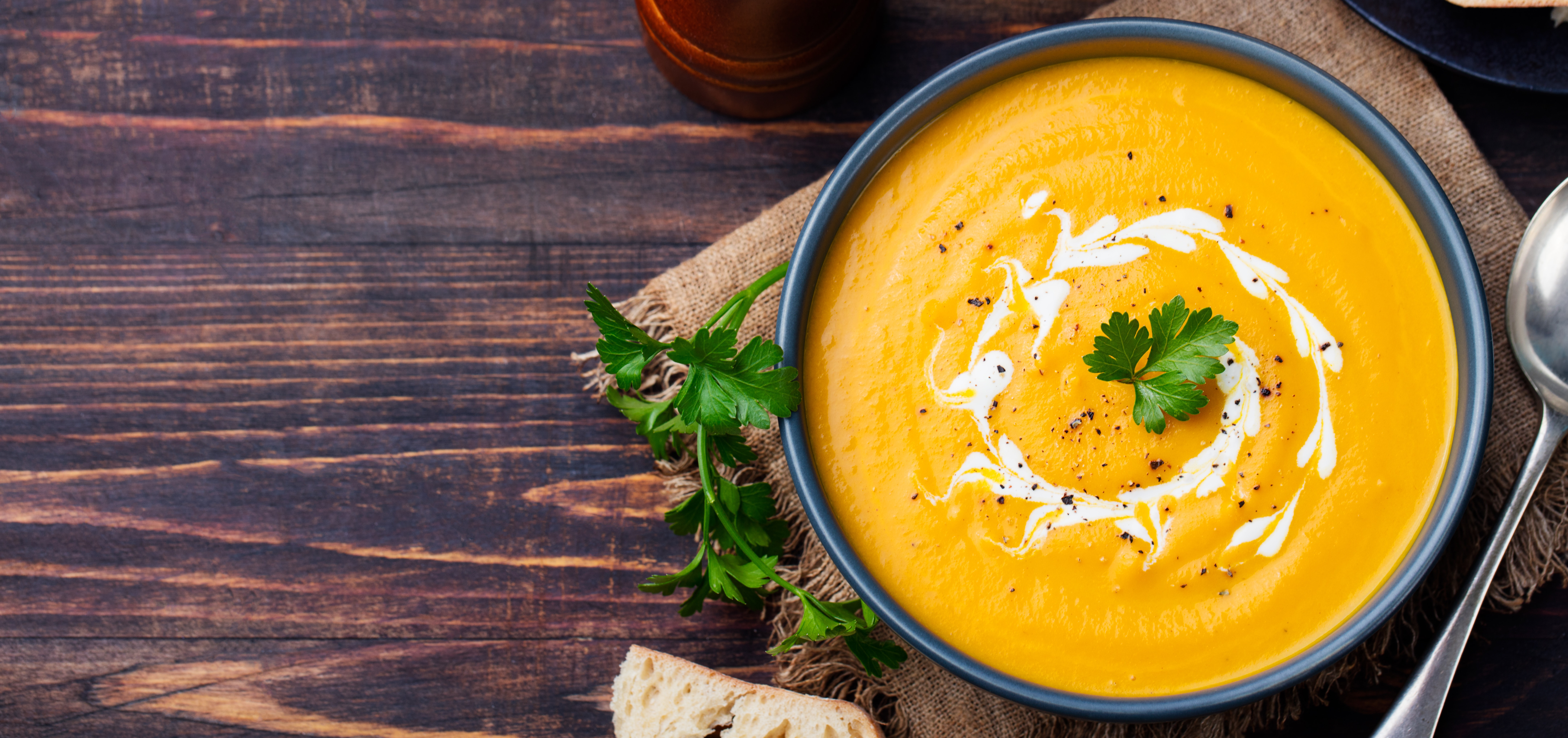
Sweet Potato Bisque

Posted by & filed under Recipes, Side Dishes, Sucralose, Videos.

Makes 8 Servings

Ingredients

1 tablespoon olive oil
2 slices bacon, diced
1/2 cup diced onion
1/2 cup diced carrots
1/2 cup diced celery
4 cloves garlic, peeled and minced
1/2 cup fresh orange juice
2 medium sweet potatoes, peeled and diced
4 new potatoes, peeled and diced
6 cups flavorful chicken or vegetable stock
1 tablespoon SPLENDA® Sugar Blend
1/2 teaspoon cayenne pepper
1 pinch salt and freshly ground black pepper
1 teaspoon Apple-bacon Chutney, for garnish
1 teaspoon Spicy Texas Pecans, for garnish

Directions

Heat the olive oil in a large pan over medium-high heat; add bacon.

Cook for about 2 minutes to render the fat.

Add onion, carrot, celery, and garlic, and saute for 5 to 7 minutes, stirring frequently. Then add the orange juice and reduce to thick syrup.

Add the potatoes and stock and bring to a boil.

Reduce heat and simmer for about 30 minutes, or until the potatoes are tender.

Add SPLENDA® Sugar Blend and cayenne.

Ladle mixture into a blender and pure thoroughly in batches; strain and season with salt and pepper. If the soup is too thick, thin with a little chicken or vegetable stock.

Serve warm and garnish with Apple-Bacon Chutney and Spicy Texas Pecans (see separate recipes).

Nutritional Information

Calories 180
Calories From Fat 45
Total Fat 5g
Saturated Fat 1g
Cholesterol 0mg
Sodium 860mg
Carbohydrates 29g
Dietary Fiber 3g
Sugars 8g
Protein 5g

*SPLENDA®  Sugar Blend used in this recipe is a blend of caloric and non-caloric sweeteners. The blend reduces the calorie content while providing the properties of sugar important for this recipe.

Recipe courtesy of Splenda.com.

The post Sweet Potato Bisque appeared first on Sucralose.


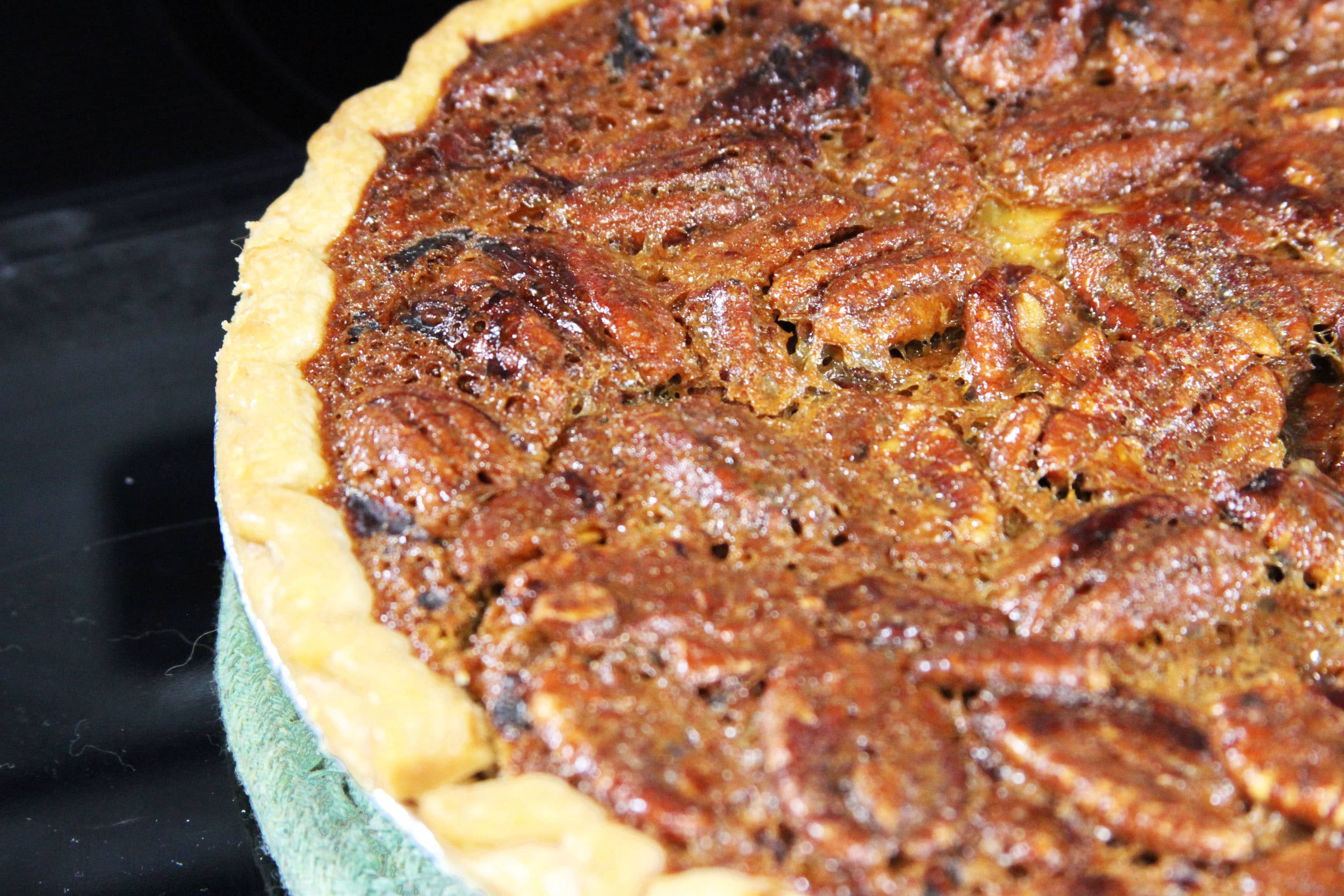
Pecan Pie

Posted by & filed under Desserts, Recipes, Sucralose, Videos.

Makes 8 Servings

Ingredients

3 large eggs, lightly beaten
3/4 cup SPLENDA® Brown Sugar Blend, firmly packed
3/4 cup light corn syrup
2 tablespoons butter, melted
1 teaspoon vanilla extract
1 1/2 cups pecan halves
1 (9 inch) unbaked pastry shell

Directions

Preheat oven to 350 degrees F.

Combine eggs, SPLENDA® Brown Sugar Blend, corn syrup, butter and vanilla, mixing until blended; stir in pecan halves. Pour filling into pastry shell.

Bake for 50 minutes or until a knife inserted near center comes out clean.

Cool on a wire rack. Serve warm.

Nutritional Information

Calories 490
Calories From Fat 240
Total Fat 27g
Saturated Fat 6g
Cholesterol 85mg
Sodium 210mg
Carbohydrates 55g
Dietary Fiber 2g
Sugars 35g
Protein 6g

*SPLENDA® Brown Sugar Blend used in this recipe is a blend of caloric and non-caloric sweeteners. The blend reduces the calorie content while providing the properties of sugar important for this recipe.

Recipe courtesy of Splenda.com.

The post Pecan Pie appeared first on Sucralose.


Gingerbread Cake

Posted by & filed under Desserts, Recipes, Sucralose, Videos.

Makes 18 Servings

Ingredients

2 cups unsweetened applesauce
3/4 cup molasses
1/3 cup vegetable oil
3 eggs
3 cups all-purpose flour
1 1/3 cups SPLENDA® No Calorie Sweetener, Granulated
2 teaspoons baking soda
1 teaspoon baking powder
1/2 teaspoon salt
2 teaspoons ground ginger
1 1/2 teaspoons cinnamon
1/2 teaspoon ground cloves

Directions

Preheat oven to 350 degrees F. Spray Bundt pan with butter-flavored cooking spray. Set aside.

Pour applesauce, molasses, and vegetable oil into a large mixing bowl. Add eggs. Stir well.

Blend remaining dry ingredients in a separate bowl. Mix well.

Add dry ingredients to the applesauce mixture. Stir well.

Pour cake batter into prepared pan. Bake in preheated 350 degrees F oven 50 to 60 minutes, or until a toothpick inserted in the center comes out clean. Remove from oven. Cool cake in pan on a wire rack approximately 20 minutes. Invert cake onto serving plate. Serve warm or cool.

Note
Serve with sauteed apples or non-dairy topping.
Optional garnish: Place 1/2 cup SPLENDA® Granulated Sweetener in a blender. Blend covered, on high approximately 30 seconds. Sprinkle the finely ground Splenda over the cake like powdered sugar.

Nutritional Information

Calories 180
Calories From Fat 45
Total Fat 5g
Saturated Fat 1g
Cholesterol 35mg
Sodium 240mg
Carbohydrates 30g
Dietary Fiber 1g
Sugars 13g
Protein 3g

Recipe courtesy of Splenda.com.

The post Gingerbread Cake appeared first on Sucralose.


faq2Do you have questions about low-calorie sweeteners? Want to learn more about maintaining a healthy lifestyle? You asked and we listened. Our resident Registered Dietitians answered the most popular questions about low-calorie sweeteners.

Media Contacts

For media inquiries please reach out to any of the below contacts: