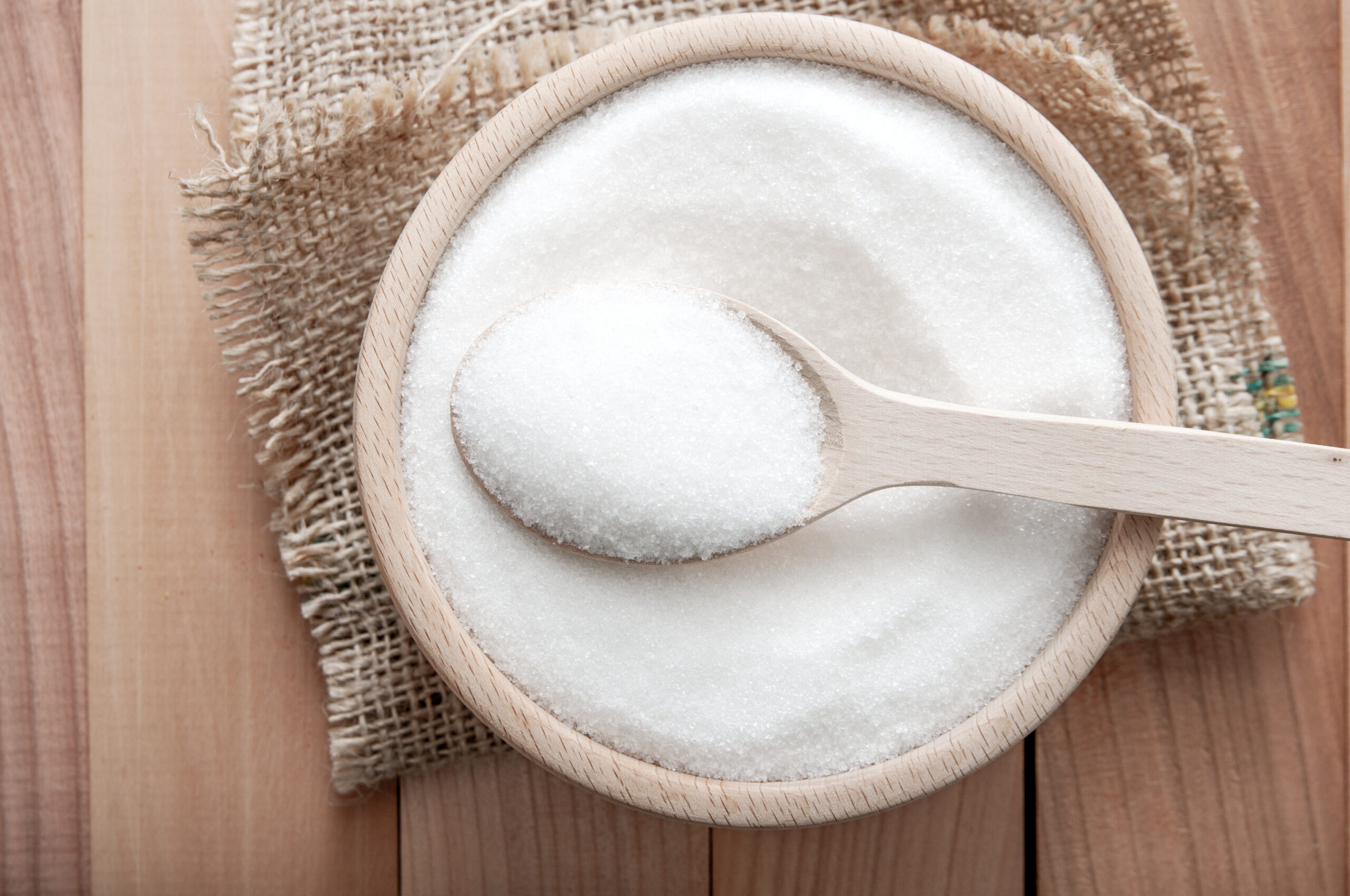
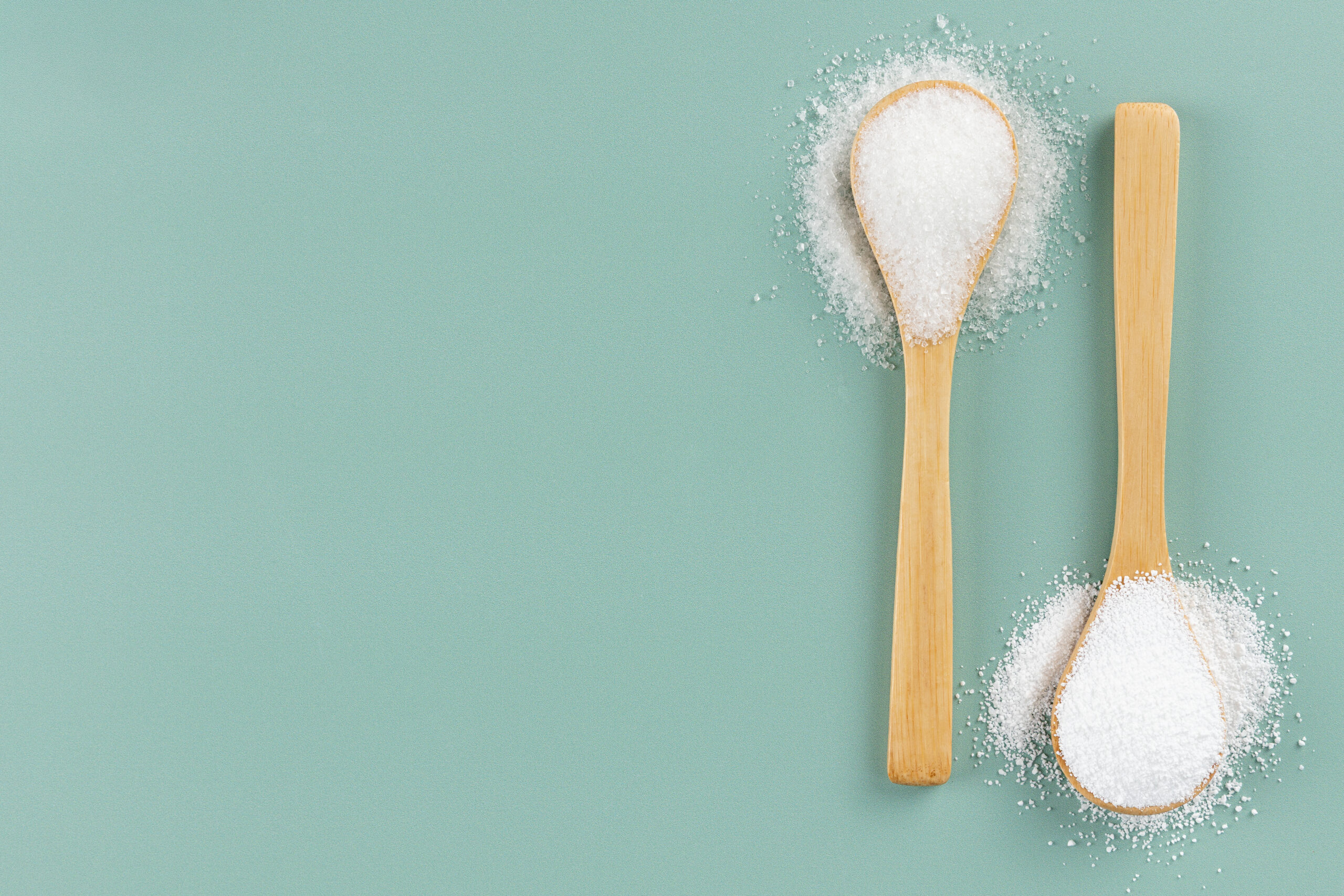
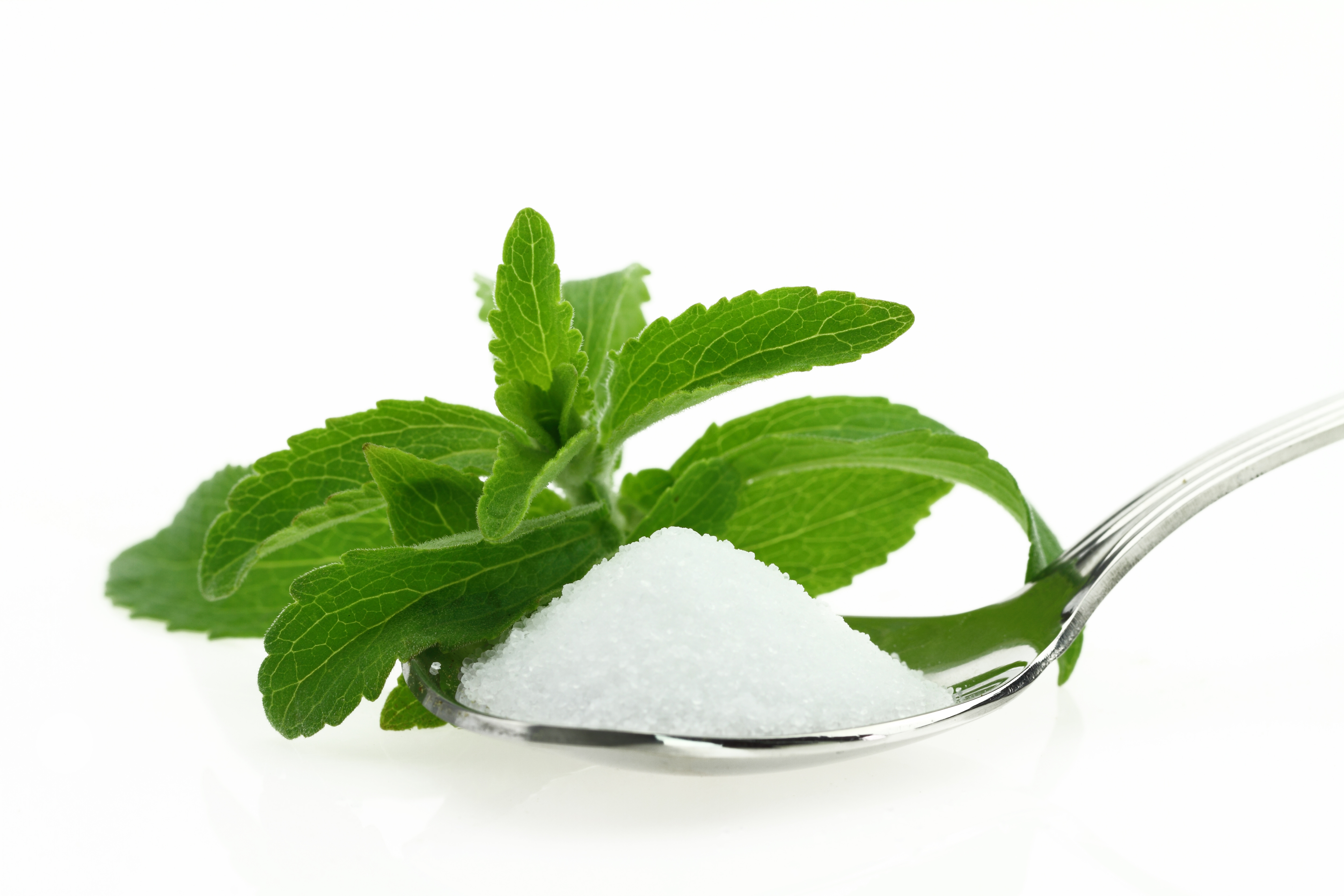
Stevia has an interesting history beginning with its discovery more than 200 years ago. It is thought that the indigenous people of Paraguay used the leaves of the stevia plant for its sweet taste. They would also use it in their beverages and some medicines.
Later, Swiss botanist Moises Santiago Bertoni wrotemore formally about the stevia plant and recorded detailed information about the sweet taste. This was in the late 1800’s, but it would be over 100 years later before French scientists were able to isolate the stevia glycosides. (The glycosides are the parts of the stevia plant that give it its sweet taste.)
Fast forward another 100 years and we find the Japanese using stevia as an alternative sweetener. Approximately 10 years later, stevia started gaining popularity in the U.S. As companies and manufacturers worked to isolate the best tasting stevia glycosides and provide research and information on stevia’s safe use, the high purity extracts (or glycosides) of the sweetener were finally given Generally Recognized as Safe (GRAS) status in the U.S. in 2008 and approved by the European Food Safety Authority (EFSA) in 2011.
Today, consumers will find stevia in thousands of products around the world – including baked goods, frozen desserts, dairy products, beverages, sauces and so much more. While today we use a more refined form of stevia compared with the people in Paraguay hundreds of years ago, the idea remains the same. No matter where we hail from, people all over enjoy a little sweetness in their life.
With that in mind and especially with the warmer weather months almost upon us, why not try this Acai Berry Lemonade? And as you sip this refreshing beverage think back to those first “stevia users” who may have used stevia to sweeten a similar beverage. It seems that stevia definitely has a sweet past, present and future.
Researchers mated 90 virgin female and 15 male albino Wistar rats to produce enough pups for seven experimental groups. The female dams were acclimated with a one week ad libitum standard chow diet and water. After one week, the dams were randomly assigned to receive the control chow diet with ad libitum access to water (n=25), 10% w/v sucrose (n=19), or high fructose corn syrup (HFCS55, n=17). Dams remained on this diet for 4 weeks before breeding and throughout pregnancy and lactation. Within 24 hours of birth, litters were standardized to eight pups per litter (4 males and 4 females when possible). Pups were cross-fostered to achieve the seven experimental groups as described below:
Offspring exposed to a maternal control diet during both the prenatal and suckling periods (C-C; n = 8 litters)
Offspring exposed to a maternal sucrose diet during both the prenatal and suckling periods (S-S; n = 11 litters)
Offspring exposed to a maternal sucrose diet during the prenatal period then a maternal control diet during the suckling period (S-C; n = 8 litters)
Offspring exposed to a maternal control diet during the prenatal period then a maternal sucrose diet during the suckling period (C-S; n = 8 litters)
Offspring exposed to a maternal HFCS-55 diet during both the prenatal and suckling periods (H-H; n = 8 litters)
Offspring exposed to a maternal HFCS-55 diet during the prenatal period then a maternal control diet during the suckling period (H-C; n = 9 litters)
Offspring exposed to a maternal control diet during the prenatal period then a maternal HFCS-55 diet during the suckling period (C-H; n = 9 litters)
At 3 weeks, two males and two females from each experimental group were weaned onto a control diet consisting of standard chow and water. An intraperitoneal glucose tolerance test (IPGTT) was conducted on one male and one female pup per litter one day prior to sacrifice at 3 weeks. At 12 weeks, a second IPGTT test was conducted on the remaining weaned pups and blood and organ samples were collected.
Researchers report the following results:
Sucrose results:
No effect of prenatal and/or postnatal sucrose exposure on body weight, nose-tail length, or abdominal circumference at 3 or 12 weeks.
Female rats on S-C diets had lower relative heart weight compared to S-S but were comparable to C-C offspring at 3 weeks. At 12-weeks relative heart weight was lower in both S-C and C-S females compared to C-C females. Male rats showed no significant differences.
The relative pancreas weights were significantly lower in male S-S and C-S males compared to male C-C offspring at 12 weeks.
There were no effects of sucrose on relative liver, adrenal, or kidney weights in male or female rats at 3 or 12 weeks.
o Sucrose exposure in the suckling period (C-S) was associated with greater visceral adipose tissue mass in females but not males at 3 weeks of age when compared to C-C.
This was difference was not maintained at 12 weeks.
Female rats exposed to sucrose during the prenatal period only (S-C) had significantly lower retroperitoneal adipose tissue mass compared to the C-C offspring at 12 weeks.
Male rats exposed to sucrose during the suckling period alone (C-S) had a lower relative total fat and total visceral fat mass and reduced relative gonadal and omental fat mass at 12 weeks compared to C-C off spring.
There were no effects of prenatal or postnatal sucrose exposure on glucose tolerance AUC in offspring at 3 weeks or 12 weeks. Moreover, there were no effects of sucrose exposure on individual blood glucose values during the glucose tolerance tests.
At 3 weeks, male and female S-S mice had lower plasma glucose compared to C-C.
HDL cholesterol and HDL:LDL cholesterol ratio were increased in S-C offspring compared to C-S offspring for both males and females
Plasma TG was higher at 3 weeks in C-S males compared to other sucralose groups but was not different from the control.
Plasma FFAs were increase in male S-C offspring compared to C-C. There were no differences in plasma FFAs at 3 weeks.
There were no other effects of perinatal sucrose on plasma hormones, metabolites, or lipids at 3 or 12 weeks.
There were no effects of perinatal sucrose exposure on total hepatic fat content or hepatic TG, FFA, or phospholipids at 3 weeks of age.
At 12 weeks, liver fat was higher in female offspring treated with sucrose. This was not the case for males. At 12 weeks, liver phospholipid concentration was higher for male rats treated with sucrose. This was not the case for females. However, Bonferroni post-hoc adjustment failed to identify any significant differences between treatment groups.
At 3 weeks, hepatic MUFA was increase in female S-S compared to C-C.
N-7 MUFA was higher in male and female S-S offspring compared to C-C offspring.
N-7 MUFA was higher in C-S compared to C-C females as well.
N-9 MUFA was higher in S-S compared to C-C females only.
N-3 PUFA was higher in S-C females compared to C-C and C-S groups.
There was no effect of sucrose on hepatic SFA or n-6 PUFA content at 3 weeks.
At 12 weeks, all individual fatty acids were comparable between groups.
HFCS-55 results:
There were no effects of perinatal HFCS-55 on offspring body weight, nose-tail length, or abdominal circumference.
Female H-H rats had a higher relative liver weight compared to both C-C and C-H offspring, this was not seen in males.
Relative organ weights were unaffected by HFSC-55 treatment.
At 3 weeks, plasma FFA concentrations ere high in H-C compared to C-C for males and females. This was also observed at 12 weeks.
There were no effects of perinatal HFCS-55 exposure on plasma glucose, leptin or TG concentrations.
Plasma LDL cholesterol was decreased in male and female H-H and H-C offspring compared to C-C, accompanied by an increase in HDL:LDL ratio.
At 3 weeks, HDL and HDL:LDL cholesterol were lower in C-H males when compared to all other groups. HDL and HDL:LDL were also lower in C-H females compared to H-H and C-H but were comparable to C-C. At 12 weeks, C-H female offspring had higher HDL compared to C-C.
At 3 weeks C-H females had higher MUFA than C-C females.
Female C-H offspring also had increased n-9 MUFA compared to C-C females.
At 12 weeks there was no significant changes in total hepatic lipid content nor the content of any of the individual fatty acids.
Researchers conclude “perinatal exposure to maternal consumption of sucrose or HFCS-55 appears to have some detrimental effects on the offspring, particularly on adiposity, plasma FFAs and hepatic lipid composition, which differed depending on the sugar and the window of exposure… Maternal consumption of fructose-containing sugars appears to negatively affect long-term programming of offspring in a rodent model, and further research is required to better understand these programmed changes and their potential implications on the capacity of the offspring to adapt to a secondary metabolic challenge in postnatal life. Importantly, our results indicate that exposure to sucrose and HFCS-55 through the mothers diet, i.e., without direct consumption, is sufficient to produce negative impacts on metabolic health in the offspring. While we acknowledge the limitations of translating this research to humans, the results presented here suggest that limiting maternal consumption of added sugars may improve the short- and long-term metabolic health of the offspring.”
The commentary in The Journal of Physiology concludes “While these results cannot be directly translated to humans, they strongly suggest that controlling maternal consumption of added fructose may have a positive impact on the short- and long-term metabolic health of the offspring.”
The heat can, at times, be unbearable during the summer months. Most individuals find ways of cooling off by spending time in sprinklers or at the pool. But sometimes, a day at the pool can have an unintended consequence: dehydration.
If it’s hot enough, lounging poolside means you are sweating as your body tries to regulate your body temperature. Playing in the pool or swimming means you could be sweating even more because of all the extra effort and work your body is doing. Unlike when you run or hike in the heat, you don’t see sweat in the pool so you may not see obvious reminders of dehydration. To prevent dehydration at the pool, it is important to hydrate before, during and after you jump in the water. How much you should be drinking varies from person to person, and depends on many factors such as activity level and environment including temperature and humidity. The USDA recommends the adequate intake of fluids for men is roughly 13 cups, and for women it is roughly 9 cups throughout the day. Water, sports drinks, teas, and juices are excellent sources to help you stay hydrated during the heat of summer. In addition, try this summer refreshment to quench your thirst. Lightened with aspartame, this peach iced tea will hit the spot without having a large impact on your waist.
Frozen treats, in addition to pools, are synonymous with the dog days of summer. Try packing a few of these lemon and ginger pops in a cooler to bring with you to help you stay hydrated. The simple and refreshing treat will provide an alternative to obtaining your fluids and will also keep you cool when you sit on the pool deck.
Don’t forget that the fluid in foods with a lot of moisture can also help to keep you hydrated. Examples of foods that can be enjoyed cold include summer soups and watermelon. Pack your cooler full of ice to make sure your foods are safe and refreshing.
Lastly, it is important to recognize the symptoms of dehydration (cramping, dizziness, headaches and sluggishness), so you can get out of the pool and rehydrate.
The Calorie Control Council asked Keri Peterson, MD five questions about heart health.
What are foods that are heart healthy?
The first group is foods that are rich in anti-oxidants. These tend to be brightly colored like pomegranates, blueberries, tomatoes, and spinach.
Antioxidants decrease your risk of heart disease by preventing buildup of plaque in the arteries.
The next is fruits and veggies that are rich in potassium like oranges, bananas, and mushrooms. These benefit the heart by helping to regulate blood pressure.
Try to eat 5-9 servings a day of fruits and vegetables, making sure you have 3 vegetables and 2 fruits.
What types of fish have abundant amounts of omega-3’s? And what is the appropriate portion size of fish to eat per day?
Fatty fish like salmon, sardines, or rainbow trout are abundant in omega-3’s which reduce your risk for heart disease.
I recommend a 4 ounce serving of fish twice a week- that’s about the size of a deck of cards.
These help reduce the risk of heart disease by decreasing your blood pressure and your triglycerides.
What numbers should I know about my health?
Being aware of whether you have risk factors for heart disease is very important so you can be proactive about your health and modify your behavior if needed.
Everyone should know three numbers: your cholesterol, blood sugar and blood pressure. Blood pressure should be in the 120/80 range.
Also be aware of your family history. Your risk is increased if women in your family under 65, or men under 50, have had heart disease.
17% if your father has had heart disease.
43% if your mother was afflicted.
as much as 82% if both of your parents have heart disease.
Diabetes is a strong risk factor for the development of heart disease. What can I do to lower my risk?
Be sure to keep your body mass index in a normal range. (Check out the BMI calculator here.) Excess weight is the most significant contributing risk factor to the development of diabetes.
Eating healthily is one of the most important things you can do to lower your risk for diabetes. Maintain a diet rich in a variety of vegetables, fruits, whole grains and lean meats.
Limit the amounts of added sugars in your diet. The American Heart Association supports including non-nutritive sweeteners in place of added sugars. Low calorie sweeteners can be used to sweeten food and drinks for less calories and carbohydrates. For example, swap out full calorie drinks for low calorie sweetened beverages
Exercise 30 minutes, 5 days a week is the American Heart Association’s recommendation. Even just brisk walking for 30 minutes a day can help lower your risk.
My doctor told me that my cholesterol is starting to go up. What can I do to avoid going on medication?
Lower the amount of saturated fats like those found in red meat and whole milk dairy products.
Instead, focus on eating healthy fats which are unsaturated fats. These include olive oil, avocado and nuts.
Eliminate trans fats from your diet as they not only increase bad cholesterol levels but also lower good cholesterol also known as your HDL. Trans fats are in fried foods, margarine and many baked goods. If you see “partially hydrogenated” on the food label that is a clue that the product contains trans fats.
Increase the fiber in your diet. Foods like beans, whole oats and vegetables will keep your body from absorbing cholesterol And can lower your LDL.
Exercise regularly. Aim for moderate exercise five days per week.
About Keri Peterson, MD
Dr. Peterson is a medical contributor and columnist for Women’s Health and a frequent guest on NBC’s Today, ABC’s Good Morning America, Fox News and CNN. Based in New York City, Dr. Peterson has been in private practice since 1999 and holds appointments at Lenox Hill Hospital and Mount Sinai Medical Center. With a BA from Cornell University and a Medical Degree from Mount Sinai School of Medicine, she completed post-graduate training in Internal Medicine at New York’s Mount Sinai Medical Center and is board certified in Internal Medicine. Dr. Peterson is a member of the American College of Physicians and the American Medical Association, and serves as medical advisor for the Calorie Control Council
In Part 1of this series, Calorie Control Council’s Scientific Advisor Robyn Flipse, RD, shared with us her experience with the Go Red for Women event, which helps raise awareness and educate women about heart disease (a leading cause of death in women). In fact, when we asked the Council’s Medical Advisor Dr. Keri Peterson about some of the common misconceptions related to women and heart disease she noted the following, “Heart disease is often thought of as a man’s disease, however, it is the leading cause of death in women. In fact, one in 3 women will die of heart-related diseases.” Dr. Peterson also reminded us, “Women have a slightly smaller heart muscle putting us at a slight disadvantage. Coronary arteries on the heart’s surface are slightly smaller in caliber than a man’s, meaning even a small blockage can clog them.”
Clearly, this is an important issue and today we are hearing from both Dr. Keri Peterson and Robyn Flipse – a doctor/dietitian duo to provide their perspective on how women can keep their hearts healthy.
As a dietitian, how do you take the information and inspirations from the Go Red for Women Event and put that into practice with your clients?
Robyn: When I tell my female patients that more women die each year from heart disease than from all forms of cancer combined it is a very sobering fact. Women spend so much time focusing on the health of their families that they often ignore the things they can do for themselves to prevent illness. So I remind them that when they take better care of themselves they not only serve as a good role model for their children to follow but can remain an active part of their children’s and grandchildren’s lives because they have taken action to prevent heart disease. As a mother and a grandmother myself, I also applaud Go Red for Women® for encouraging every woman to reach out and help inform other women about how we can win the battle against heart disease for future generations.
What is one of the most important things you tell your women patients specifically about heart disease?
Dr. Peterson: It is very important that I educate women to recognize that heart attack symptoms can be different than those seen in men. Only 30% of women suffer chest pain. If you do experience chest pain it will be a tight, heavy squeezing. Women often experience other signs like nausea, jaw pain, fatigue, heartburn, shortness of breath, weakness, sweats and dizziness.
What do you feel are some of the most important things that women can do related to heart health?
Dr. Peterson: I think that it is very valuable to know your numbers.
Know your cholesterol- your LDL should be less than 130
Know your blood pressure- an ideal reading is 120/80
Know your body mass index-it should be between 18.5-25
Know your blood sugar
What are some things that you do personally to keep your heart healthy?
Dr. Peterson:I do practice what I preach as a registered dietitian, so eating right, staying active, getting enough rest and managing stress have been part of my heart-healthy lifestyle for over 40 years. The biggest benefit for me is that my weight has not changed in four decades. When clients hear that they think my meals (and life) must be boring, but it definitely is not. I like to cook so am always experimenting with new recipes, especially ones with different spices that pack a lot of flavor. I find I don’t need much salt in a well-seasoned dish. When I eat out I like to try different cuisines so I can sample new foods to prepare at home. I also grow vegetables and herbs in my backyard and get to enjoy the bounty of my harvest for at least five months of the year. And since I have a sweet tooth, I have learned to use a variety of sweeteners, both natural and artificial, so I can balance the calories in my meals and beverages without giving up the sweet taste I love.
Robyn: Being that heart disease runs in my family, I make sure that I get my annual physical so that I can keep an eye on risk factors like my blood pressure and cholesterol levels. I’ve never smoked and try to avoid second-hand exposure as well. I also go to the gym to stay active and fit. Eating healthy, nutritious foods is my way of life. I eat lots of veggies, whole grains and healthy fats like olive oil and avocado on a daily basis.
As a dietitian what are some of the most important things that you recommend to clients in terms of better eating habits related to heart health?
Robyn: When it comes to changing stubborn eating habits, my advice is always to start small and shoot for long term success rather than quick results. For example, I may suggest a switching from white rice to brown, or whole milk to low fat, or sugar in iced tea to a low calorie sweetener to help my clients gradually adopt healthy new habits that can last the rest of their lives. Replacing large dinner plates and bowls with smaller ones can make it easier to eat smaller portions, while keeping a bowl of fresh fruit on the kitchen counter can increase the likelihood of eating fruit as a snack. It’s all about shaping new dietary patterns rather than going on a special diet.
Finally, Dr. Peterson is very supportive of the recommendations made by Robyn Flipse when it comes to prevention and notes, “I think it is imperative that health professionals continue to remind women that by taking steps to prevent and control factors that put them at risk, they will reduce the likelihood of getting heart disease. For example, eating a heart healthy diet filled with whole grains, vegetables and lean meats should be emphasized. Keeping an eye on patients’ weights and encouraging them to maintain a healthy weight then following up to make sure they stay on track. Promote the need to exercise at least 30 minutes a day. Counsel women on quitting smoking if they smoke and providing tools to help them quit. All of these preventative measures should be reviewed regularly.”
Thanks to both of these outstanding health professionals for providing their insights and lending their expertise.
Keri Peterson, MD is a medical contributor and columnist for Women’s Health and a frequent guest on NBC’s Today, ABC’s Good Morning America, Fox News and CNN. Based in New York City, Dr. Peterson has been in private practice since 1999 and holds appointments at Lenox Hill Hospital and Mount Sinai Medical Center. With a BA from Cornell University and a Medical Degree from Mount Sinai School of Medicine, she completed post-graduate training in Internal Medicine at New York’s Mount Sinai Medical Center and is board certified in Internal Medicine. Dr. Peterson is a member of the American College of Physicians and the American Medical Association, and serves as medical advisor for the Calorie Control Council.
Robyn Flipse, MS, MA, RDN is a registered dietitian, cultural anthropologist and scientific advisor to the Calorie Control Council, whose 30+ year career includes maintaining a busy nutrition counseling practice, teaching food and nutrition courses at the university level, and authoring 2 popular diet books and numerous articles and blogs on health and fitness. Her ability to make sense out of confusing and sometimes controversial nutrition news has made her a frequent guest on major media outlets, including CNBC, FOX News and USA Today. Her passion is communicating practical nutrition information that empowers people to make the best food decisions they can in their everyday diets.Reach her on Twitter @EverydayRD and check out her blog The Everyday RD.
2 cups all-purpose flour, sifted 11⁄2 tsp baking powder 1⁄2 tsp salt 1⁄2 tsp baking soda 1⁄2 cup unsalted butter, melted and cooled 1⁄3 cup Truvía® Baking Blend 1 Tbsp orange zest 1⁄2 cup orange juice 2 eggs 1 tsp vanilla extract 1⁄2 cup skim milk 1 1⁄2 cups cranberries (fresh or frozen), chopped
Directions
Preheat oven to 375° F.
Prepare muffin tin by greasing cups or use paper liners.
In a large bowl, add flour, baking powder, salt and baking soda. Mix together with a fork.
In a separate bowl, whisk together butter, Truvía®Baking Blend, orange zest and juice, eggs, vanilla and milk.
Stir the wet mixture into the flour mixture until just combined.
Fold in chopped cranberries.
Fill each muffin cup about 3⁄4 full.
Bake until golden and a toothpick comes out clean (20–25 minutes).Cool muffins in pan for 5 minutes, then remove to a wire rack and cool completely.
*This muffin has 190 calories and 4 grams of sugar per serving as compared to the full-sugar version that has 210 calories and 13 grams of sugar per serving. Recipe courtesy of Truvia.com.
Do you have questions about low-calorie sweeteners? Want to learn more about maintaining a healthy lifestyle? You asked and we listened. Our resident Registered Dietitians answered the most popular questions about low-calorie sweeteners.




 About Keri Peterson, MD
 Keri Peterson, MD is a medical contributor and columnist for Women’s Health and a frequent guest on NBC’s Today, ABC’s Good Morning America, Fox News and CNN. Based in New York City, Dr. Peterson has been in private practice since 1999 and holds appointments at Lenox Hill Hospital and Mount Sinai Medical Center. With a BA from Cornell University and a Medical Degree from Mount Sinai School of Medicine, she completed post-graduate training in Internal Medicine at New York’s Mount Sinai Medical Center and is board certified in Internal Medicine. Dr. Peterson is a member of the American College of Physicians and the American Medical Association, and serves as medical advisor for the Calorie Control Council.
 Robyn Flipse, MS, MA, RDN is a registered dietitian, cultural anthropologist and scientific advisor to the Calorie Control Council, whose 30+ year career includes maintaining a busy nutrition counseling practice, teaching food and nutrition courses at the university level, and authoring 2 popular diet books and numerous articles and blogs on health and fitness. Her ability to make sense out of confusing and sometimes controversial nutrition news has made her a frequent guest on major media outlets, including CNBC, FOX News and USA Today. Her passion is communicating practical nutrition information that empowers people to make the best food decisions they can in their everyday diets. Reach her on Twitter