Diet, Gut Bacteria and Health

Posted by & filed under Lifestyle Articles, Sucralose.

By: Jill Weisenberger, MS, RDN, CDE, FAND —
 We each walk around with about 10 times more bacteria cells in our guts than we have human cells in our entire bodies! In fact, there are about three pounds or so of bacteria in the human gut that are busy doing things that affect our wellbeing.

The Internet is a glut of stories about the gut bacteria right now because this is an emerging and exciting area of research. But there is still so much to learn. We do know that the gut is home to bacteria and other microbes. We have also known for a long time that microbes in the intestines synthesize vitamins, break down cancer-causing compounds, free up disease-fighting compounds from the foods we eat, defend against infections and ferment resistant starches and some other types of fibers. Scientists are now looking at ways in which the various intestinal bacteria affect disease risks and treatments, including those for diabetes, obesity, heart disease and cancers.

So Many Types of Microbes

Unfortunately, the science is too young still to identify an ideal composition of bacteria for any specific health concern. In general, the gut is home to more than 300 species of bacteria, and is not limited to only microbes with health benefits. There are also microbes that are known to cause gastrointestinal illness or those that are associated with other health problems. So pointing to the perfect mix is not likely to happen anytime soon.[i] Collectively these microbes are called the gut microbiota. And the microbiota comprise nearly two million genes, called the microbiome. The gut microbiome is at least 100 times larger than human genome. You can see why these tiny microbes potentially have a lot of influence on our health and are being researched but it’s important to remember that genes are not the only indicator of health outcomes.

We each have a different make up of microbes in our intestines. The composition of the microbiota is highly individualized and influenced by many factors, including your diet, genetics, general health, use of medications, environment and even whether you were born vaginally or by C-section.

What You Can Do

With so much unknown about how the gut microbiota influences health and what is the ideal composition, you may wonder if you have any positive control of your microbiome. You might. Studies suggest that a Western-style of eating – a diet heavy in animal protein, animal fat, refined grains and added sugars is associated with an increase of less desirable intestinal bacteria. On the other hand, dietary patterns that include an abundance of whole grains, fruits, vegetables and legumes are associated with greater protective species and more health benefits.[ii] In short then, follow what you already know to be healthful eating.

Probiotics and Prebiotics

You have likely heard of probiotics. These are live microorganisms which, when consumed in adequate amounts, provide a health benefit. Various probiotics have various benefits. Just like a specific antibiotic is needed to confer a desired health benefit, the specificity of probiotic is also necessary. For example, one type of probiotic may reduce some symptoms of irritable bowel syndrome, but a completely different product could be indicated for the prevention of antibiotic-induced diarrhea in children.[iii]

A less familiar term is prebiotics. Prebiotics are food for your gut bacteria that stimulate the growth or activity of your intestinal bacteria. Many dietary fibers are prebiotic. There are a number of foods with prebiotic fibers and compounds. A few are these:

  • Whole-grain wheat
  • Oats
  • Onions
  • Garlic
  • Leeks
  • Bananas
  • Jerusalem artichokes
  • Honey
  • Breast milk
  • Cereal bars, breads and other foods with added chicory root or inulin.

Bottom line: This is a fascinating area of research that will likely one day give greater insight to wellness and certain disease states. If you have specific questions related to the microbiota and your own health, a consult with a registered dietitian nutritionist is a smart idea.

Disclosure: Some of this information was gathered at a partially sponsored educational meeting.

[i] https://www.ncbi.nlm.nih.gov/pmc/articles/PMC3983973/

[ii] Nutrition FYI, Diabetes Spectrum Fall 2016, Vol 29 (4)

[iii] World Gasteroenterolgy Organisation Global Guidelines Probiotics and Prebiotics: http://www.worldgastroenterology.org/guidelines/global-guidelines/probiotics-and-prebiotics/probiotics-and-prebiotics-english

Jill Weisenberger, MS, RDN, CDE, FAND has worked as both a nutrition counselor and a diabetes educator in the hospital and research settings, and now in private practice in Newport News, VA. Jill is the author of Diabetes Weight Loss – Week by Week and two upcoming books, The Overworked Person’s Guide to Better Nutrition and 21 Things You Need to Know about Diabetes and Your Heart. She is a member of the Academy of Nutrition and Dietetics, the American Association of Diabetes Educators and the American Diabetes Association. Jill is a paid contributor for the Calorie Control Council. Follow Jill on Twitter @NutritionJill and find more at www.JillWeisenberger.com.

The post Diet, Gut Bacteria and Health appeared first on Sucralose.

Is There Sufficient Evidence to Support Diet Modification to Alter the Gastro-Intestinal Microbiome?

Posted by & filed under Health Professionals, Microbiome, Statements, Sucralose.

The National Institutes of Health Human Microbiome Project (HMP) funding of research to characterize the human microbiota and analysis of its role in human health and disease has resulted in thousands of research publications. While the long-term outcomes of this project may become clinically relevant, an ideal microflora profile in the gastro-intestinal (GI) tract is currently unknown. Nonetheless, the impact of the commercialization of this research field may impact your interaction with patients as they question if the results of this research should affect their diet or medical care. Here’s a summary of what is known, to date, and what this may mean for discussions with patients and peers regarding care.

Microbes are present on our skin and throughout the GI tract beginning in our mouths. These microbes, including bacterial, archaeal, and fungal species, are most prevalent in our colons and play a role in health by bioconversion of nutrients, protection against pathogenic microbes, and production of important substances such as vitamins and short chain fatty acids. Other organs and fluids have few or no microbes such as blood, amniotic fluid, placenta, or urine.

Nutrition plays a critical role in growth and physiology including influencing the GI microbiome. This has raised curiosity among researchers about whether the combination of nutrition and the GI microbiome composition influence health. Low and behold, associations of microbiome diversity and diseases including diabetes, obesity, arthritis, inflammatory bowel diseases have been described. However, it is paramount to remember that causality between potential relationships of nutrition, microbiota and an individual’s health has not yet been defined.

Undoubtedly you and your patients may discuss the fact that the gut’s microbial population can be acutely influenced by food. The GI microbiome responds quickly to changes in food, gastrointestinal illness, or travel. This raises the question of whether interventions to change the microbiome should be considered. For example, individuals with inflammatory bowel disease (IBD) have chronic inflammation, may take medications, and might have a modified diet including altered caloric intake. All of these are confounding factors that may independently influence the microbes. Nonetheless, probiotics and fecal microbiota transplant (FMT) are currently being evaluated for possible management of IBD. Interestingly, each individual’s microbiome is relatively stable over time raising the question of long-term effects of any efforts to acutely modify the microbiome.

One of the most active areas of therapeutic research with the microbiome is in GI immune function. It is not surprising that oral or systemic antibiotics and immunotherapies may negatively impact the gut microbiome. Long-term antibiotic use predisposes individuals to Clostridium difficile infections resulting in diarrhea, fever, and loss of appetite. Studies suggest that FMT, in which a stool sample from a healthy donor is transplanted into the intestinal tract of a recipient, may be an effective treatment for Clostridium difficile. The American Gastroenterological Association provides a clinicians guide and review of the emerging evidence for this treatment, here.

Interest in the microbiome is not limited to those with a therapeutic focus. Many individuals are also interested in dietary changes to improve or maintain a healthy microbiome. This may be partly spurred by web-based information that may appear compelling but has little credibility. For example, some suggest eliminating various diet components or foods. There is limited research in animals which reports that non-caloric sweeteners influence the GI microbiome. While the relevance of these studies is minimal due to study design and use of animals, some patients may question consuming non-caloric sweeteners.  A 2016 review of metabolism and safety of sweeteners explains the potential impact. In summary, aspartame and steviol glycosides are unlikely to affect gut microbiota due to their metabolism. While sucralose is present in the colon because it is excreted, unchanged in the feces, any effect is considered speculative. It is important to note that some research suggests that microbiome diversity is improved by dietary diversity. If true, elimination diets are the antithesis of recommendations that clinicians should be making.

For example some research suggests that high dietary diversity among hunter-gatherers and agriculturalists increases the microbiome diversity compared with urban residents consuming a western diet. While there are confounding lifestyle factors in these studies, other findings show that consumption of fiber and carbohydrates influence the microbiome diversity. It has been suggested that individuals can modify their microbiome by consuming more fiber and probiotic supplements. While the correlation is not causal, insufficient intake of fiber is associated with health concerns. As a nutrient of concern for Americans, and many others, your patients should be encouraged to consume the recommended daily intake of fiber which is 14 grams of fiber per 1000 Calories.

Researchers are hopeful that the HMP will better characterize the role of the microbes and identify novel therapies for health outcomes. However, without known cause-and-effect relationships, dietary recommendations to alter the microbiome and improve health and wellness are premature.

The post Is There Sufficient Evidence to Support Diet Modification to Alter the Gastro-Intestinal Microbiome? appeared first on Sucralose.


Spicy Candied Nuts

Posted by & filed under Appetizers and Snacks, Basketball, Diabetes-Friendly Recipes, Recipes, Sucralose.

Makes 18 Servings

Ingredients

1 egg white
1 tablespoon water
1/2 pound shelled walnut halves
1/2 pound shelled almonds
1/4 cup SPLENDA® Brown Sugar Blend
1 tablespoon ground cinnamon
1 teaspoon ground ginger
1 teaspoon salt
1/2 teaspoon ground coriander
1/4 teaspoon ground allspice
1 pinch Pinch of ground red pepper


Directions

Preheat oven to 250 degrees F.
In a medium bowl, whisk egg white and water until frothy. Add walnuts and almonds and stir to coat completely.
In a large plastic bag, combine SPLENDA Brown Sugar Blend, cinnamon, ginger, salt, coriander, allspice, and pepper. Holding the open end tightly, shake vigorously to blend. Add half of the nuts to the bag and shake to coat thoroughly. Remove nuts and place on a large nonstick baking sheet. Repeat with remaining nuts and spices, and spread on the baking sheet.
Bake, stirring and smoothing nuts into a single layer every 15 minutes. Bake until nuts are caramelized, about 45 minutes.
Allow nuts to cool.


Nutritional Information

Per Serving: 
Calories 170
Fat 15g
Sodium 135mg
Carbohydrates 7g
Dietary Fiber 3g
Sugars 4g
Protein 5g


Recipe courtesy of Splenda.com.

The post Spicy Candied Nuts appeared first on Sucralose.


Study on Increased Body Weight of Children from Pregnant Women Consuming Diet Soda at Odds with National Health Groups and Larger Body of Science

Posted by & filed under Health Professionals, Pregnancy.

By: Keri Peterson, MD and Keith T. Ayoob, Ed.D. —

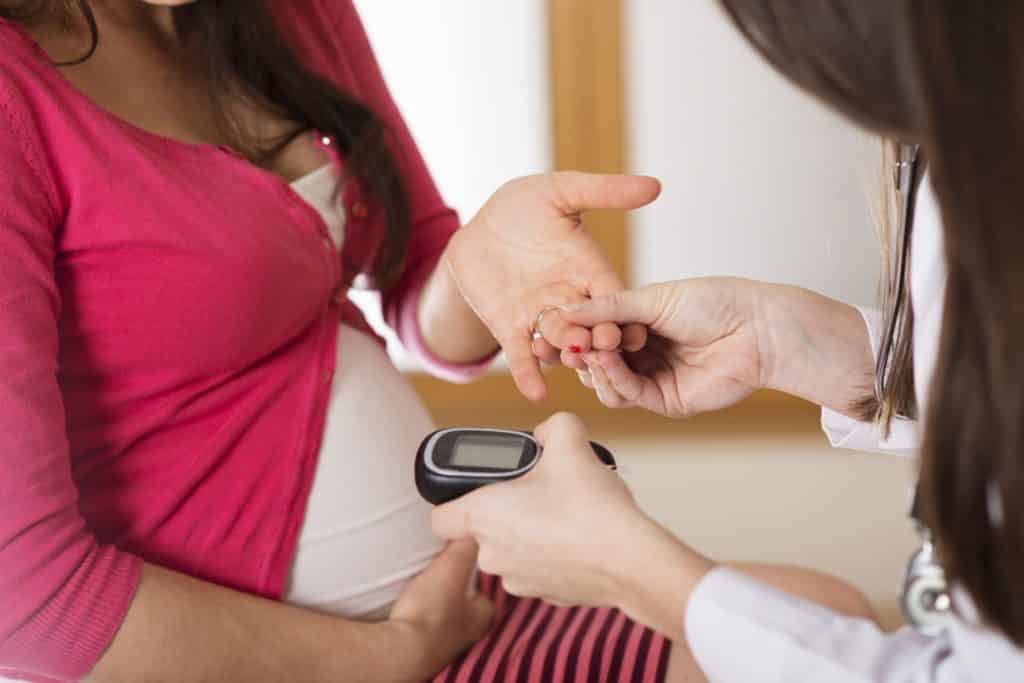
Moms with Gestational Diabetes must be supported for a healthy pregnancy

Announced on June 6, 2017, “Maternal consumption of artificially sweetened beverages during pregnancy, and offspring growth through 7 years of age: a prospective cohort study” by Zhu, et al., describes a relationship between Danish mothers consuming diet beverages during pregnancy and higher body mass index z-score as a marker of overweight/obesity in 7 year old children. With insufficient consideration of the extensive data regarding non-calorie sweeteners and diet beverage intake, the authors state “Our findings further raise the questionability of promoting (artificially sweetened beverages) ASBs as ‘healthier’ alternatives for (sugar sweetened beverages) SSBs, particularly among high risk pregnant women.” While epidemiological studies can be used to identify trends and associations, it is inappropriate to consider these types of studies to identify causal relationships without consideration of the extensive research on low-calorie sweeteners and diet beverages.

The researchers evaluated data from 1,379 women with gestational diabetes that were participating in the Danish National Birth Cohort study between 1996 and 2002. This study evaluated what women reported consuming for the previous month by completing a single questionnaire at 25 weeks of gestation and what a parent reported their child’s weight and height to be at 7 years of age.

For example, the authors suggest that their findings are biologically plausible because of possible changes to metabolic changes in the mother. This statement does not consider the well-established evidence that non-caloric sweeteners do not have an adverse effect on glycemic response in people consuming them at typical levels such as those described by the participants in these studies. It is important to note that the women in this study had a well-established risk factor for their children to be overweight/obesity throughout life because they were diagnosed with gestational diabetes.

In this study, women that consumed diet beverages in this study had a greater pre-pregnancy body mass index (BMI) but lower total daily energy intake during pregnancy. The authors report that this may suggest the intention for women with higher BMI to seek healthier alternatives during pregnancy.  It is critical that women with gestational diabetes be supported in achieving their goals to support a healthy pregnancy. The 2018 Academy of Nutrition and Dietetics (AND) Gestational Diabetes Evidence-Based Nutrition Practice Guideline recommends that “Individualized [medical nutrition therapy] MNT is important in helping pregnant women with GDM achieve and maintain normal glycemic levels and appropriate weight gain, while meeting essential nutrients for pregnancy to promote positive maternal and fetal outcomes.” While MNT for each mother with gestational diabetes is customized, her recommended diet may include non-caloric sweeteners and products such as diet beverages. The AND guidelines recognize that “The FDA has concluded the safety of six high-intensity sweeteners [saccharin, aspartame, acesulfame potassium (Ace-K), sucralose, neotame and advantame] when consumed within the ADI by the general population, including pregnant women. Steviol glycosides and Luo Han Guo (monk fruit) extracts are also GRAS when consumed within the ADI.” The American Medical Association Council on Scientific Affairs and the American Academy of Pediatrics Committee on Nutrition task force have also recognized the safety of these sweeteners for both the infant and the mother.

The authors also suggest that changes to the gut microbiome may also alter metabolism in the mother. While research regarding the microbiome continues to explore the interaction of people and the microbes that inhabit our bodies, there are no data to support the claim that aspartame or sucralose, sweeteners commonly found in diet beverages, directly alter the gut microbiome.

Importantly, no associations between maternal diet beverage intake and body weight was identified during infancy or early childhood. It is critical to note the numerous modifiable factors during infancy and childhood can affect body weight including diet, eating behaviors, and physical activity. These are all important factors that parents can address early in life to reduce their child’s risk for overweight/obesity.

Rather than focusing on possible associations to be drawn from this study, pregnant women and parents of young children should be supported in reducing the well-established risk factors for obesity.

For more information on low-calorie sweeteners and safety during pregnancy click here.


What Two Doctors Had to Say about Moms-to-Be Living with Gestational Diabetes

Posted by & filed under Ask the Doctor, Diabetes/Blood Sugar Management, Managing Diabetes, Pregnancy.

By: Keri Peterson, MD and Keith T. Ayoob, Ed.D. —

With research reports of pregnant women with gestational diabetes and the possible impact their diet has on their children, the Calorie Control Council caught up with two of its advisors. Keri Peterson, MD  a New York City (NYC)-based physician in Internal Medicine and Keith Ayoob, Ed. D., Associate Clinical Professor, Pediatrics (Child Development) at the NYC-based Albert Einstein College of Medicine.

What are the biggest concerns that a mom with gestational diabetes should have when it comes to their health and the health of their baby to come?

Keri Peterson, MD: While most women with gestational diabetes deliver healthy babies, there are complications that can occur.  Your baby may grow too large due to the higher levels of glucose and insulin in the blood.  A large baby can have trouble fitting through the birth canal so a C-section may be necessary.  Also, women with gestational diabetes are more likely to have early labor leading to a preterm delivery.  Babies born early can have trouble with breathing until their lungs mature.  Having gestational diabetes can also increase the risk that you or your baby will develop diabetes down the road.

If you have developed gestational diabetes it is very important to monitor and control your blood sugar levels.  It will be necessary to eat healthy foods like fruits, vegetables and whole grains in order to keep your blood sugar levels down.  You should also limit consumption of sweets and sugary drinks.

Keith Ayoob, Ed. D.: The main concern for a woman with gestational diabetes is a healthy diet and proper control of her blood glucose. The two go together, along with daily physical activity that is approved by her doctor.

How can “parent shaming” negatively impact the conversation about how they raised their child?

Keith Ayoob, Ed. D.: Parent shaming is useless at best and does nothing positive. It’s destructive criticism. If anything, it only makes the shamer feel better. A mother-to-be needs to listen to the advice of her physician and diabetes educator or registered dietitian for health advice. When it comes to how parents raise their child, if people cannot be supportive they should respect boundaries and be quiet. Raising a child is complicated and multifaceted, as is obesity. It is never due to one factor and trying to reduce it to such serves no useful purpose.

Keri Peterson, MD: In today’s world of social media, the veil of anonymity makes it easy to strike out against different parenting styles.  One woman wrote that she was told by a woman that she should learn how to discipline her child.  Another was ridiculed for letting her four-year-old use a pacifier.  The fury of responses to Alicia Silverstone feeding her child pre-chewed food is another example.

Of course, there are times when safety is an issue and speaking out to protect the child can be of benefit.  But when it comes to minor issues, these shamers often do not take into consideration the parents’ perspectives and circumstances.  The majority of parents are trying to do the best that they can to raise their children and no one should make you feel bad for that.

About Dr. Peterson
Internal Medicine

Keri Peterson, MD is a medical contributor and columnist for Women’s Health and a frequent guest on NBC’s Today, ABC’s Good Morning America, Fox News and CNN. Based in New York City, Dr. Peterson has been in private practice since 1999 and holds appointments at Lenox Hill Hospital and Mount Sinai Medical Center.   With a BA from Cornell University and a Medical Degree from Mount Sinai School of Medicine, she completed post-graduate training in Internal Medicine at New York’s Mount Sinai Medical Center and is board certified in Internal Medicine. Dr. Peterson is a member of the American College of Physicians and the American Medical Association, and serves as a medical advisor for the Calorie Control Council.

About Keith T. Ayoob, Ed.D.
Associate Clinical Professor of Pediatrics 
Director, Nutrition Clinic, Children’s Evaluation and Rehabilitation Center
Albert Einstein College of Medicine

Dr. Ayoob is a pediatric nutritionist and registered dietitian who works on obesity, heart health, and family dynamics and provides motivational counseling for parents and caregivers.  A frequent commentator on dietary and nutritional issues, he is a strong opponent of fad dieting and nutrition fraud and has testified before Congress about fraudulent claims about diet pills.  Dr. Ayoob serves on numerous nutrition advisory boards, and his counsel and science-based, common-sense approach to communicating nutrition is sought by both public and private organizations.  Dr. Ayoob has served on the editorial board of the Journal of the Academy of Nutrition and Dietetics and was an Academy national media spokesperson from 1995-2004, participating in over 1,000 media interviews. He currently serves on the editorial board of Childhood Obesity.  Dr. Ayoob is a scientific advisor to the Calorie Control Council.


faq2Do you have questions about low-calorie sweeteners? Want to learn more about maintaining a healthy lifestyle? You asked and we listened. Our resident Registered Dietitians answered the most popular questions about low-calorie sweeteners.

Media Contacts

For media inquiries please reach out to any of the below contacts: