The Facts on Fructose

Posted by & filed under Fructose, Health Professionals.

As healthcare professionals, we’ve heard our patients’ concerns regarding sugars.  In particular, one type of sugar is often demonized – fructose – especially when it’s partnered with the words, high fructose corn syrup.  Fructose has been blamed for obesity, diabetes, insulin resistance and high triglycerides, but it’s important to know the facts about fructose before we dispense advice to our patients.  Let’s break it down.

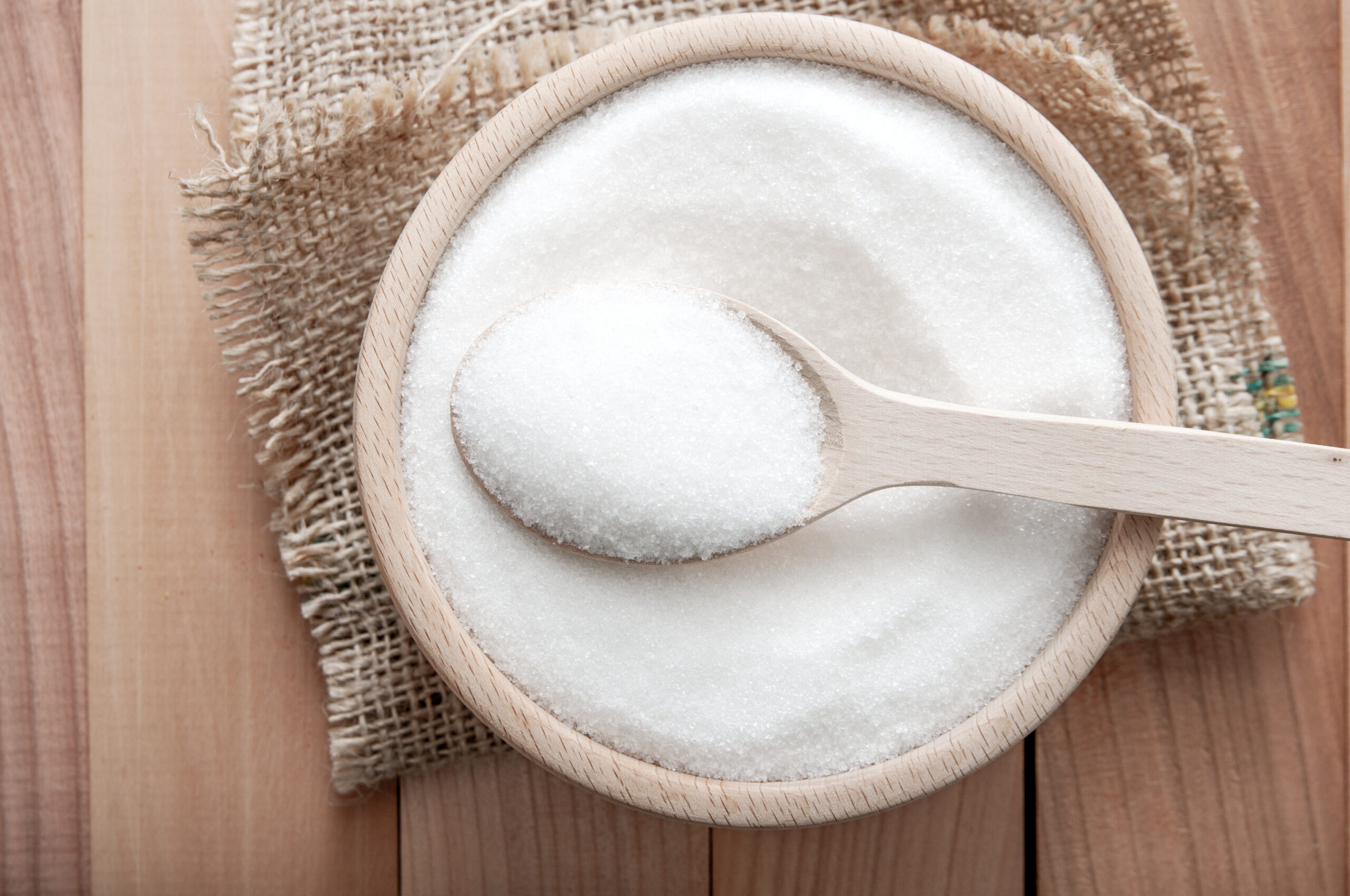
Fructose is a naturally occurring sugar found in fruits, some vegetables (like asparagus, zucchini and peas), honey, sugar cane and sugar beets.  And, it’s always found naturally in these sources in conjunction with glucose.  Yet, no matter the type of sugar, the calories per gram are the same, at four calories per gram.

Even though these different sources of sugar provide the same amount of calories, they are metabolized differently in the body.  Glucose, for example, is digested, absorbed, and transported to the liver, then released into the bloodstream where many tissues take up this glucose from the blood to use as energy.  This process requires insulin.  Fructose, on the other hand, is predominantly metabolized in the liver, and doesn’t require insulin to be utilized.

The Safety of Fructose

Fructose has attained “generally recognized as safe status” from the Food and Drug Administration, as it has been noted with much research that consuming fructose either pure or in the form of sucrose poses no adverse effects.

Types of Fructose

Pure crystalline fructose and high fructose corn syrup are actually two different ingredients.  Crystalline fructose is nearly 100 percent fructose.  On the contrary, while the name might suggest otherwise, high fructose corn syrup (HFCS) is broken down into two types:  HFCS 55, which contains 55 percent fructose and 45 percent glucose, and HFCS 42, which contains 42 percent fructose and 58 percent glucose.  Neither of these is particularly high in fructose when compared to sucrose, or table sugar, that is made up of approximately equal amounts of glucose and fructose.

Fructose Benefits

There are benefits to using fructose as a sweetener including how fructose carries a lower glycemic load, or glycemic index, meaning it doesn’t cause a rapid rise and subsequent large fall in blood glucose levels.  Glycemic index (glycemic load per gram carbohydrate) is a measure of how carbohydrates affect blood glucose concentrations.  As expected, glucose itself has a high value because it is rapidly absorbed into the blood stream; its GI or glycemic load per gram is 100.  In contrast, the glycemic load per gram fructose is only 19, while that of table sugar is 65 – midway between its component parts glucose and fructose.  HFCS has a similar GI value to table sugar, though its precise value depends on the fructose content of the HFCS that is used.

Fructose is also 1.2 times sweeter than sucrose, allowing for a reduction in the amount of sugar needed to sweeten a food during the manufacturing process.   There’s also a flavor enhancement benefit, as the perception of sweetness from fructose actually peaks and falls earlier than glucose and sucrose.  Fructose interacts well with other sweeteners, and contributes to a boost in height of baked goods and viscosity of foods and beverages.

Fructose and Obesity

It’s clear that excess body fat is the result of excess calories without the opposing release of energy.  That means excess calories from any nutrient can contribute to this calorie imbalance resulting in obesity.

Fructose and Insulin Resistance

There are many factors that can contribute to insulin resistance, including hypertension, dyslipidemia, and obesity itself.  Excess body fat, lack of physical activity, and a genetic predisposition can also add to the risk of insulin resistance.  And while experimental animals given large doses of fructose have resulted in insulin resistance, this same type of study done on humans has not translated into the same results.  More research needs to be done.

Fructose and Diabetes

Factors like overweight and obesity, lack of physical activity, and a genetic predisposition all contribute to the risk for diabetes (Type 2).  Research has not shown a direct correlation between diabetes and fructose.  In contrast, it’s important to note that while fructose has a lower glycemic index, which may be of benefit to prevention of blood sugar surges, the American Diabetes Association does not believe the glycemic index to be sufficiently important enough at this time to warrant any changes in existing advice on carbohydrate exchanges.

Fructose and Dental Caries

The only proven risk of nutritive sweeteners like sucrose or table sugar is the risk of tooth decay.  However, research has found that fructose causes the least amount of dental caries when compared to other sweeteners.

Fructose Recommendations

While fructose has some benefits, it still should be enjoyed with moderation in mind.  The American Heart Association recommends 100 calories or less from sugar each day for women, and 150 calories or less from sugar each day for men.  And the current Dietary Guidelines for Americans, released in 2015, recommend no more than 10% of daily total calories should come from sugar.

While it is easy to blame one ingredient over another for the cause of much of the health problems in America, it comes down to balance, both on our plates, and in our perception of sugar, while seeking out credible sources of science before dispensing advice.


Jen Haugen, RDAn award-winning dietitian, Jen Haugen, RDN, LD, is the author of the new book, “The Mom’s Guide to a Nourishing Garden.”  Jen specializes in inspiring moms to create the recipe to a nourishing life through gardening, good food, family, and faith. Her TEDx Talk, “How Moms Can Change the World”, features two simple ideas that can transform a family. Connect with her at www.jenhaugen.com or on Twitter @jenhaugen.

The post The Facts on Fructose appeared first on FructoseFacts.


Making the Most of Holiday Meals

Posted by & filed under Aspartame, Lifestyle Articles.

By Neva Cochran, MS, RDN, LD —

Falling in Love with Vegetables

Fall brings cooler days, leaves changing colors and falling to the ground and a generous bounty of seasonal vegetables like spinach, winter squash and sweet potatoes. Readily available now at their peak of freshness, these vegetables are economical and easy to use in a variety of fall and winter meals.

Dark green and deep orange veggies are packed with beta-carotene, a plant compound that is converted into vitamin A in the body. Just a half-cup of cooked sweet potatoes delivers over a day’s worth of vitamin A while a half-cup of butternut squash or spinach provides over 60 percent. They also supply generous amounts of vitamin C, potassium and fiber.

The USDA MyPlate guide recommends filling half your plate with fruits and vegetables. When you consider that 76 percent of Americans don’t eat enough fruit and 87 percent consume too few vegetables, finding creative and tasty ways to prepare them helps make them more appealing. Pairing them with dairy, grain or protein foods allows you to create dishes that are more appealing to the palate. And the coming holiday season is the perfect time to try this.

With Thanksgiving, Hanukkah and Christmas just around the corner, delicious winter veggies are a great addition to any holiday table. Consider the many ways you can include squash, spinach and sweet potatoes in dishes for upcoming meals and parties.

Creating Holiday MyPlates

Winter squash on the Thanksgiving menu dates back to the Pilgrims. Available in an array of shapes and colors, those with orange-colored flesh – butternut, acorn, Hubbard or kabocha – furnish the most beta-carotene. Starting your Thanksgiving dinner with a creamy winter squash soup is a sure crowd pleaser. And for scrumptious Christmas side dishes, simmer butternut squash cubes with wild rice or puree cooked acorn squash with nutmeg and dash of sweetener.

While sweet potatoes have been grown in this country since at least the 1600’s, they most likely didn’t appear at holiday meals until a century later. Their sweet taste and versatility means they can be enjoyed at every meal, even breakfast. Consider a twist to traditional oatmeal on a cold winter morning by adding leftover or microwaved sweet potato cubes and a packet of low-calorie sweetener. Other options include a Sugar-Free Sweet Potato Pie for Thanksgiving, sweet potato latkes with Greek yogurt sauce for Hanukkah or a reduced-sugar version of Glazed Sweet Potatoes for Christmas.

The cultivation of spinach in the U.S. began in the early 19th century and today shows up on holiday plates in dishes from dips to meats to salads. Impress your party guests with a festive dip prepared with Greek yogurt, feta cheese and spinach and served with whole-wheat pita triangles. Whip up a quiche or egg casserole for a holiday brunch featuring spinach and shredded cheese. Toss fresh spinach with dried cranberries and pistachios for a colorful Christmas salad. Or consider a beef tenderloin stuffed with spinach and mushrooms at this your December party buffet. You can even add fresh spinach in place of lettuce to a sandwich made with leftover beef or turkey.

Savory, crunchy winter veggies like these deliver taste, nutrition and tradition to holiday meals and parties. Make the most of these celebrations by filing half your plate with fruits and veggies, especially these three standouts rich in tradition and flavor.


Neva Cochran, MS, RDN, LD 
is a registered dietitian nutritionist based in Dallas. She serves as a nutrition communications consultant to a variety of food and nutrition organizations, including the Calorie Control Council. She is passionate about promoting fact-based food and nutrition information to help people enjoy nutritious eating. Follow her on Twitter @NevaRDLD and check out her blog at www.NevaCochranRD.com.

The post Making the Most of Holiday Meals appeared first on Aspartame.


Cinnamon Apple Beignets with Caramel Sauce

Posted by & filed under Bread, Recipes, Stevia.

Makes 8 Servings

Ingredients

8 servings 1/2 cup 2% milk
1/2 cup plus 1/3 cup apple cider
1 stick unsalted butter, cubed
1/4 cup plus 1 tablespoon Stevia In The Raw®, divided
1 teaspoon sea salt, divided
1 cup all-purpose flour
1 teaspoon cinnamon
4 eggs
1 Granny Smith apple, cored and finely diced
1/2 cup Sugar In The Raw®
1 teaspoon vanilla
4 cups vegetable oil, for frying

Optional Powdered Stevia
1/2 cup Stevia In The Raw®
1 tablespoon cornstarch

Directions

In a medium saucepan, bring milk, ½ cup cider, butter, 1 tablespoon Stevia In The Raw®, and ½ teaspoon salt to a boil. Immediately add flour and cinnamon and stir vigorously with a wooden spoon on the heat until mixture comes together. Continue stirring until dough is smooth and pulls away from sides of pan. Transfer dough to bowl or stand mixer and cool 10 minutes, stirring occasionally. Add eggs one at a time, stirring to completely incorporate each egg before adding the next. Dough should be smooth and shiny. Stir in apples. Set aside.

In a small saucepan, combine Sugar In The Raw®, ¼ cup Stevia In The Raw®, and ¼ cup water. Cook, stirring, over medium-high heat until sugar dissolves. Increase heat to high and cook syrup until deep amber colored, swirling pan as needed to prevent burning. Remove from heat and slowly add ⅓ cup cider. Stir until smooth. If caramel seems runny, simmer to reduce until thickened and syrupy. Stir in vanilla and ½ teaspoon salt. Set aside

In a large heavy pot or deep skillet, heat oil to 365°F. Drop tablespoons of dough into oil in batches of 8 and cook until golden all over. Remove with a slotted spoon and drain on paper towels. Repeat with remaining dough.

To serve, drizzle beignets with caramel sauce and sprinkle with cinnamon. Alternatively, combine Stevia In The Raw® and cornstarch in a food processor and pulse to create a fine powder. Dust beignets with powdered stevia.

Nutritional Information

Serving Size: 2 beignets

Calories 330
Total Fat 19g
Carbohydrates 33g
Protein 6g
Dietary Fiber 1g
Sodium 330mg
Sugar 19g

Recipe originally appeared on intheraw.com.

The post Cinnamon Apple Beignets with Caramel Sauce appeared first on Steviabenefits.org.


Celebrate Fast Food Day with Healthy Choices

Posted by & filed under Aspartame, Healthy Diet, Lifestyle Articles.

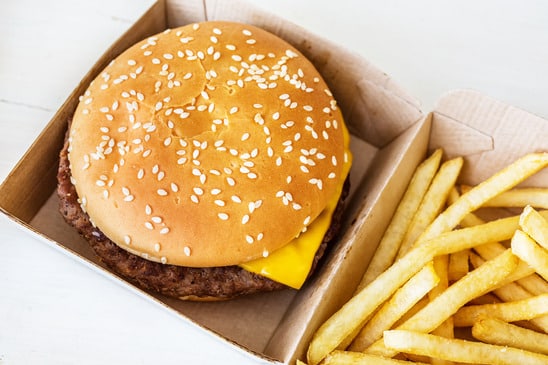
I recently discovered that fast food has its very own day – November 16! While fast food often gets a bad rap for being high in calories and fat, a couple of recent studies found it doesn’t stack up so badly compared to other dining spots. In a study out just last month comparing fast-casual restaurants like Chipotle and Jason’s Deli to fast-food ones like McDonald’s and Taco Bell, researchers reported that fast-casual entrées averaged significantly more calories than fast-food entrées (760 vs. 561 calories). And a 2015 study showed that calories, fat, saturated fat and sodium intakes were similar for both fast food and full-service restaurants but both were higher than meals eaten at home.

But fast food doesn’t have to spell diet disaster. These restaurants offer a wide variety of options so by making wise choices you won’t break your calorie budget and get a wholesome meal that contributes essential nutrients your body needs. Each of the following meal examples provides at least three of the five MyPlate groups with fewer than 500 calories.

  • McDonald’s: Egg McMuffin + Fruit ‘N Yogurt Parfait (440 calories)
  • Wendy’s: Jr. Cheeseburger + Garden Side Salad (490 calories)
  • Taco Bell: 2 chicken soft tacos + black beans (400 calories)
  • Long John Silver’s: Baked Cod Meal (460 calories without hushpuppies or butter on the corn)
  • Jack in the Box: Southwest Grilled Chicken Salad with low-fat dressing (375 calories)

When you pair your meal with a low-calorie beverage like water, diet soda or coffee or tea sweetened with a low-calorie sweetener like, aspartame, you won’t add any extra calories.

Of course, you can also create “copycat” fast food items in your own home in less time than it takes to jump in the car and make your way through the nearest drive-thru. Consider these three possibilities.

  • This Bacon & Egg Grilled Cheese Sandwich weighs in at just over 400 calories. Add a cup of frozen blueberries and your total is 480 calories.
  • Whip up a taco salad with lettuce, frozen grilled chicken tenders heated in the microwave, tomatoes, 2% low-fat cheese, canned black beans and canned corn dressed with a light ranch spiked with some salsa and topped with a few baked tortilla chips. (450 calories)
  • Create an easy Roast Beef and Veggie Wrap made with deli beef and broccoli slaw in just 10 minutes. Add a light yogurt for dessert and you’re right at 500 calories.

Whether you’re eating fast food out or making it at home, the key is to right-size portions and up-size nutrition by choosing a smaller sandwich or even a kid’s meal, opting for the smallest serving of fries or a side salad and adding dairy and fruit to the meal like low-fat milk and cheese or light or plain yogurt and fresh, frozen or canned fruit.


Neva Cochran, MS, RDN, LD 
is a registered dietitian nutritionist based in Dallas. She serves as a nutrition communications consultant to a variety of food and nutrition organizations, including the Calorie Control Council. She is passionate about promoting fact-based food and nutrition information to help people enjoy nutritious eating. Follow her on Twitter @NevaRDLD and check out her blog at www.NevaCochranRD.com.

The post Celebrate Fast Food Day with Healthy Choices appeared first on Aspartame.


Rippe Review on Added Sugars and Disease Risk Factors

Posted by & filed under Fructose, Health Professionals, Research Summaries.

On November 4, a review by James M. Rippe and Theodore J. Angelopoulos was published in Nutrients. The review entitled, “Relationship between Added Sugars Consumption and Chronic Disease Risk Factors: Current Understanding,” examines the latest, high quality science to address the ambiguity of the relationship between sugar consumption and various health related conditions.

Rippe and Angelopoulos first examined the literature pertaining to the metabolism of fructose. It has been established that more than 90% of ingested fructose is absorbed in the small intestine and metabolized in the liver on its first pass through the digestive tract. Approximately 50% of absorbed fructose is converted to glucose in the liver, about 15-20% of fructose is converted to glycogen, and 20-25% is converted to lactate. Isotope studies suggest that a small percentage of fructose is converted to carbon dioxide. Additionally, about 1-5% is converted to free fatty acids, which are then esterified to create triglycerides, a process termed de novo lipogenesis (DNL), and are either stored in the liver or circulate in the bloodstream. Reviewers note that the DNL pathway is a major pathway in mice but is minimal in humans; this difference has resulted in many instances of misinterpretation of data. However, some human studies demonstrate that high fructose diets (25% of total calorie intake) promotes DNL while replacing high fructose foods with items like vegetables, breads, and pastas reduced fat accumulation in the liver. Reviewers also highlight here the paradox that while obesity rates continue to rise in the United States, Britain, Canada, and Australia, the consumption of sugar has actually declined.

Next, reviewers discussed the effects of sugars on body weight and body composition. Reviewers noted various studies which test isocaloric exchange of sugar or fructose with other dietary components. Isocaloric replacement of sugars had no effect on body weight signifying that there is no unique property of sugars in terms of weight control. Reviewers noted that most other studies did not control for total energy intake and therefore, weight gain or weight loss could not be contributed solely to sugar intake. Similarly, when looking specifically at visceral abdominal fat, researchers found that diets high in glucose and fructose resulted in increased abdominal adiposity. In these studies, the participants gained weight and therefore, demonstrate excess caloric intake, which is a confounding variable for these studies.

Reviewers then shifted gears to examine the potential risk of sugar consumption on the development of diabetes. Rippe and Angelopoulos identified ecological studies and market availability studies which correlated the availability of sugar to diabetes. Reviewers noted availability does not equal consumption and therefore, these studies prove nothing. Reviewers then looked at prospective cohort studies. It was found that sugar sweetened beverage consumption was associated with an increased risk of diabetes, but only when comparing the highest and lowest levels of consumption. Interestingly, “pooled analyses for these cohorts, however, for total sugars, total sucrose, and total fructose have not yielded the same relationship.” When reviewers examined randomized control trials (RCTs), they found mostly neutral, and in one case positive, effects of free sugar consumption on markers of diabetes such as insulin, glucose, and glycated blood proteins.

Next, reviewers looked at the literature which attempted to define a relationship between sugars and cardiovascular disease. Reviewers point out that a number of studies suggest that diets containing 20% or more of total calorie intake from simple sugars may result in elevated triglyceride levels. However, they also pointed out that recent systematic reviews and meta-analyses demonstrate isocaloric substitutions of fructose for other carbohydrates does not result in elevated triglycerides. Reviewers found a number of studies which associated sugar intake with elevated low density lipoproteins (LDL); however, in these cases, added sugars were provided in excessively large doses, often times higher than the 90th percentile population. Conversely, a number of RCTs providing between the 25th and 95th percentile population consumption showed no changes in LDL. The Framingham Heart Study showed an increased risk of developing high blood pressure when consuming one or more sugar sweetened beverage daily. Interestingly, one meta-analysis showed that high sugar consumption had no effect on systolic blood pressure but did increase diastolic blood pressure by 1.4 mm/hg. Another meta-analysis which included 18 studies “showed slight decreases in both diastolic and mean blood pressure when fructose was substituted either isocalorically for other carbohydrates or in hypercaloric trials.” The collective RCT data shows that the association between sugar intake and blood pressure is minute and only occurs when doses are high (> 90th percentile population).

Lastly, reviewers examined the data for the effects of sugar on the brain. Studies using animal models suggest that fructose and glucose act differentially in the brain, particularly within the hypothalamus and reward pathways. When similar trials using sucrose and high fructose corn syrup were conducted, there were no differences. There still seems to be much controversy around stimulation of reward pathways in relation to fat and sugar intake. There also seems to be an unclear answer to the theory of sugar “addiction.”

Reviewers concluded that single nutrients should not be studied in isolation and that the food matrix is likely more important than a single nutrient. They also concluded that in terms of sugar sweetened beverages, the high quality literature “does not suggest signals for harm within the normal range of human consumption at least in short-term studies lasting six months or less and in longer term cohort studies where fructose containing sugars are substituted isocalorically for other carbohydrates.” Rippe and Angelopoulos also “agree with the assertion in the Dietary Guidelines for Americans (2010) that overconsumption of calories represents the single greatest health threat to individuals in the United States and elsewhere.”

The post Rippe Review on Added Sugars and Disease Risk Factors appeared first on FructoseFacts.


faq2Do you have questions about low-calorie sweeteners? Want to learn more about maintaining a healthy lifestyle? You asked and we listened. Our resident Registered Dietitians answered the most popular questions about low-calorie sweeteners.

Media Contacts

For media inquiries please reach out to any of the below contacts: