Ask an Expert

Posted by & filed under Lifestyle Articles, Stevia.

By Carolyn Reynaud, MS, RD, LD —
The recommendations to decrease sugar in our diets are increasing. Thankfully, Stevia is here to help! Stevia is a low-calorie sweetener that is a great alternative to sugar for those looking to reduce sugar and calories in their diet. If you are new to using stevia, or have never tried it before, you may have some questions. Carolyn Reynaud, a registered dietitian, answers your stevia questions for you.

I have been drinking at least 3 cans of lemon< diet cola for at least 4 years. I heard last night that Stevia causes cancer. How should I proceed?
I made an appointment with my doctor but that is a month away, I have thrown out the three cases I had at I am home. Are other products tainted? I have not seen Stevia printed on any other cartons. Please let me know as I am concerned.

Does Stevia sweeteners cause cancer? My Wife said she heard it on TV.
Stevia has GRAS (Generally Recognized as Safe) status with the FDA, deeming it safe for the general population. A food ingredient has to go through a substantial amount of study to be granted GRAS status. In researching safety of stevia, any links to cancer are explored. Current research does not support that stevia causes cancer. While not an exhaustive list, the support includes a recent review published in Food and Chemical Toxicology, and the American Cancer Society opinion that also supports that stevia appears to be safe when used in moderation. While hearing a story on the news can certainly cause some alarm, it sounds like the story did not capture the whole picture.
Does the sweetener stevia have any chemicals in it?
The sweetening component of stevia is actually an extract called rebaudioside so you may also see this term related to stevia. When grocery shopping, you can purchase pure stevia or other variations. Many brands have crafted stevia blends (in which stevia is blended with another ingredient) to make it easier to use while providing a sweet taste. When you are in the shopping aisle, I would suggest reading the ingredient list to determine the blend that works best for you. It may also be helpful to taste several varieties as the blends will all sweet taste but may taste differently.
I have read that low calorie sweeteners add to belly fat supposedly because they are not natural, the body does not process them like food, but stores them as fat. Is this true?
What contributes fat overall is taking in more calories than we need. Low calorie sweeteners do not contribute to body fat but actually aid in reducing excess calories to help lose or manage body weight. Stevia is one of those sweetener options. You’re right, Stevia is an extract from the stevia leaf and when our bodies metabolize stevia it does not get absorbed but is excreted it in our urine. Therefore, we are taking in negligible calories when consume stevia – making it virtually calorie free, and a good choice if you are looking to reduce body fat. Improvements to your diet and physical activity habits can help reduce your overall body fat and your overall health. However, any claims that a food or supplement specifically targets a region of body fat are likely untrue. People store fat in different areas of their body for many reasons. Rather than trying to target a specific area, most people are more successful at reducing overall body fat stores while physical activity can be used to improve the tone and size of the muscles and can change your overall body shape.
Does Stevia neutralize calcium intake?
Stevia does not inhibit the absorption of calcium and it can be a good option as a sweetener in foods that are calcium sources like milk and yogurt.
I understand that some Stevia products have a bad taste or after taste. Which brands more palatable?
We all have different taste preferences, so which brand is the most palatable is pretty subjective. This is one of the reasons we see so many different stevia options on the market. To find the brand and product that works best for you I would suggest reaching out to the manufacturers for free samples; or asking your local grocer if they provide samples. See which version your taste buds prefer.
Are cookies made with stevia sold in stores? If so, what brand, and what stores sell them?
Food product options are going to vary by store and region. To see if stores in your area sell cookies containing stevia I would ask your local grocer what they have available. Also, many stores have a specialty section where you can commonly find available stevia products. If you are unable to find stevia cookies in your area, there are many recipes online for baking stevia sweetened cookies at home. Since stevia is freezer stable, you can double your batch and freeze some for later.
What is the difference between regular stevia and Stevia in the Raw?
There are numerous brands that make sweeteners using stevia and Stevia in the Raw is simply one of these products made by the company In The Raw.
Can stevia be used like sugar in retarding fruit spoilage? For instance — cutting strawberries in half and sprinkling layers in a jar w/sugar will keep them in the fridge for longer than it ever takes my family to eat them! Will stevia work this way?
Pure Stevia does not have the same properties that sugar does in preventing spoilage. However, there are products available that blend Stevia with pure cane sugar for a lower calorie option to pure sugar to prevent browning.
If I wanted to substitute Stevia for pure cane sugar in baking, what would the ratio of Stevia to sugar be?
The ratio of stevia to sugar can vary between products and brands. To determine the right ratio for the product you have at home, I would check the packaging for the equivalents or go the manufacturer’s website.
I have started a ketogenic diet. I am also a restaurant owner. I’m loving the whole concept. I am trying to learn more about using stevia in some of my recipes. For example, I have a recipe that I use 3/4 cup of sugar in a sorbet. Can I use liquid stevia, stevia extract or a powder/granule style of stevia.
Stevia can be used in many recipes to reduce the carbohydrate content of many foods and beverages. Whether you use liquid, granular, or powdered stevia will likely depend on the type of recipe and the other attributes that sugar is contributing. For example, liquid stevia may be better in liquid products while powdered stevia may provide the texture necessary for many baked goods. It is important to remember that Dietary Guidelines recommend most Americans consume 45-65 percent carbohydrates so a ketogenic diet may not be advisable.


Carolyn Reynaud, MS, RD, LD is a licensed registered dietitian and a paid contributor to SteviaBenefits.org. She received her BS in nutrition from Michigan State University and her Masters and Certificate in Public Health from Georgia State University. She has experience working in several avenues of health care including corporate wellness, clinical disease management, research, and health promotion. She has been working as a health coach specialist for close to 6 years, where she counsels patients on preventative healthcare and helps them meet their health goals. Follow her on Twitter @ReynaudCari.

The post Ask an Expert appeared first on Steviabenefits.org.


Create a Healthy Vegetarian Diet

Posted by & filed under Healthy Diet, Healthy Lifestyle, Healthy Substitutions, Lifestyle Articles, Stevia.

By Carolyn Reynaud, MS, RD, LD —
Are you thinking of making Meatless Monday, every day? If you’re considering trying a vegetarian diet you should know that going to a plant-based diet can potentially reduce the risk for heart disease, diabetes, and cancer.

However, simply cutting meat from your diet does not always equate to a healthy diet. There are several variances to what is deemed a “vegetarian diet.” Here are some examples:

  • Lacto-vegetarian: Includes dairy products.
  • Ovo-vegetarian: Includes eggs.
  • Lacto-ovo vegetarian: Includes eggs and dairy.
  • Partial vegetarians: May include one meat source like fish or poultry.
  • Vegan: Excludes all animal products including meat, dairy, and eggs.

Be Mindful of These Nutrients

Unfortunately, the more restrictive the vegetarian diet, the more potential for nutritional deficiencies. A common mistake is relying too heavily on starches and processed foods in trying to replace meat in the diet. However, with knowledge and planning you can create a healthful vegetarian diet that meets all your nutritional needs.  If you are considering going veggie, here are some nutrients you need to be mindful of as you shift your diet:

  • ProteinProtein is an important part of a balanced and healthy diet. There are plenty of plant-based proteins that can help you to meet your daily requirements such as soy products, beans, lentils, nuts and seeds. Additionally, some grain products like quinoa and fortified cereals also qualify as a source of protein. If you are a lacto-ovo vegetarian, eggs and dairy products are also an excellent source of protein.
  • Vitamin B-12: Vitamin B-12 is important in the creation of red blood cells and prevention of anemia that is only available through animal sources. If you do not include eggs and dairy in your diet you will want to take measures to supplement B-12 in your diet through supplements, fortified cereals, or fortified soy products.
  • Calcium and Vitamin DCalcium is readily available in dairy products. However, if you are avoiding or limiting dairy you can also get your calcium through plant foods such as dark leafy greens (kale, turnip greens, collards, and broccoli) or foods that have been fortified with calcium like orange juice, almond milk, cereals, and soy products. Vitamin D is also a nutrient that you may be at risk for deficiency on a vegetarian diet dependent on your food choices. Be sure to eat an adequate amount of fortified foods or add a supplement to get your daily Vitamin D.
  • Iron and zincIron and zinc are two nutrients that while available from plant foods, plant sources are not easily absorbed. You can find iron dried beans, lentils, dried fruit, dark leafy greens, and fortified cereals. Eating iron-rich foods with sources of vitamin C, like strawberries, citrus, tomatoes, etc. can help aid absorption.

Balance Your Plate

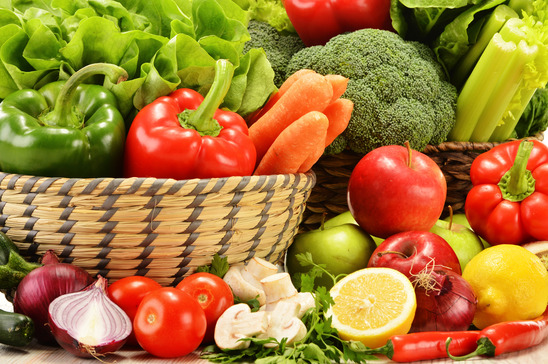
As mentioned, to have a healthy vegetarian diet you have to take steps beyond just avoiding meat. To create a healthy plate eat a diet rich in fruits and veggies; at least half your plate should be fruit and veggies at meals and snacks. Choose whole grain starches like whole grain pastas, rice, quinoa, couscous, breads and cereals. Include a serving of healthy vegetarian protein with each of your meals to round out your plate. To get started on your vegetarian adventure experiment with this tasty Southwestern Gazpacho Soup.


Carolyn Reynaud, MS, RD, LD is a licensed registered dietitian. She received her BS in nutrition from Michigan State University and her Masters and Certificate in Public Health from Georgia State University. She has experience working in several avenues of health care including corporate wellness, clinical disease management, research, and health promotion. She has been working as a health coach specialist for close to 6 years, where she counsels patients on preventative healthcare and helps them meet their health goals. Follow her on Twitter @ReynaudCari.

The post Create a Healthy Vegetarian Diet appeared first on Steviabenefits.org.


Diabetes Regulates Fructose Absorption through Thioredoxin-Interacting Protein

Posted by & filed under Fructose, Health Professionals, Research Summaries.

On October 11, a study published in eLife revealed the effects of thioredoxin-interacting protein (Txnip) on fructose absorption and metabolic disease progression in mice models. It has been established Txnip overexpression impairs glucose uptake in peripheral tissues whereas Txnip ablation results in increased glucose uptake.  Txnip is thought to regulate glucose uptake through increased expression of glucose transporter 1 (GLUT1).

Txnip interacts with fructose transporters GLUT2 and GLUT5 and promotes fructose uptake

To determine if Txnip is involved in fructose metabolism, researchers assessed Txnip interactions with GLUT2 and GLUT5 independent of thioredoxin binding and report that simultaneous expression of Txnip and GLUT2 or GLUT5 increased fructose absorption in enterocytes by 16.1% and 16.2%, respectively. Interestingly, overexpression of GLUT2 or GLUT5 alone was not enough to elicit increased fructose absorption.

Based on studies from studies from wild type (WT) or Txnip ablated (Txnip-KO) mice researchers suggest that Txnip expression promotes fructose intake in the small intestines and that the transport of fructose from intestine to the blood stream is reduced when Txnip is not present. Interestingly, researchers found that ablation of Txnip doesn’t affect fructose absorption and availability to other organs and that the small intestine is the primary regulator.

Txnip is necessary for fructose-associated metabolic disorders

Next, researchers sought to determine if knocking out Txnip would result in diminished fructose-associated metabolic disturbances. Both WT and Txnip-KO mice were fed a moderate fat diet (containing .16% fructose) with 30% w/v fructose in their water (FSD). Interestingly, WT mice on the FSD had significantly higher body weight than WT mice on a regular diet. Txnip-KO mice had similar weights regardless of diet. Txnip-KO mice had lower baseline blood glucose (BG) levels. A prolonged FSD resulted in glucose intolerance and insulin resistance in WT mice; Txnip-KO mice fed a FSD demonstrated no such metabolic changes.

Studies to determine risk for liver injury suggest that Txnip-KO mice had “reduced severity of adverse metabolic outcomes associated with a high fructose diet relative to their WT counterparts.”

Fructose induces Txnip expression and interaction with fructose transporters in the small intestine

Next, researchers investigated whether or not a high fructose diet could affect the expression of GLUT2, GLUT5 or Txnip. Both GLUT2 and GLUT5 expression was significantly elevated in the jejunum of WT mice fed a FSD compare to WT mice fed a RD. Similarly, WT mice fed a FSD had higher expression of Txnip. Researchers also found “that the Txnip interaction with the fructose transporters responds to fructose loads…that both fructose transporters are involved in Txnip-mediated fructose transport.”

Insulin-deficient diabetes induced by streptozotocin increased Txnip expression and fructose absorption

It has previously been demonstrated that Txnip expression is greater in people with glucose intolerance or type 2 diabetes (T2DM). Researchers induced type 1 diabetes (T1DM) in both WT and Txnip-KO mice and assessed levels of Txnip expression in the jejunum. T1DM Txnip-KO mice had higher blood glucose levels compared to their non-diabetic Txnip-KO mice. WT T1DM mice had greater levels of Txnip expression than WT non-diabetic mice.  When given radiolabeled fructose, the T1DM WT mice demonstrated increased fructose absorption. There were no observed differences in absorption of radiolabeled fructose between T1DM Txnip-KO and non-diabetic Txnip-KO mice.

Researchers conclude “Our data in combination with other studies suggests that Txnip links glucose homeostasis with fructose transport, as diabetes induce Txnip expression, which promotes fructose absorption. Because excess absorption of fructose contributes to liver fat accumulation and hypertension, our experiments suggest that the diabetic state may contribute to these components of metabolic disease at least in part through Txnip and increased fructose transport.”

The post Diabetes Regulates Fructose Absorption through Thioredoxin-Interacting Protein appeared first on FructoseFacts.


Post-Exercise Appetite was Affected by Fructose Content but Not Glycemic Index of Pre-Exercise Meals

Posted by & filed under Fructose, Health Professionals, Research Summaries.

A study published in Appetite investigated the effect of glycemic index (GI) and fructose content in pre-exercise meals on appetite following moderate-intensity exercise. The study enrolled ten, healthy men with an average age of 21.7 years and average BMI of 20.9kg/m2. The three, isocaloric pre-exercise meals were classified as low GI breakfast without fructose (LGI), low-GI breakfast with fructose (LGIF), or high-GI breakfast without fructose (HGI). For the LGFI and HGI, approximately 25% of the diet was contributed by fructose or glucose, respectively. The calculated GIs for the LGI, LGIF, and HGI diets were 41, 39, and 72, respectively. All participants completed the three trials in a randomized, crossover design, with a minimum of seven days for a washout period. Participants were required to standardize their eating for 3 days prior to each trial. Each trial began with ingestion of one of the three breakfasts. Two hours after ingestion, participants were required to participate in 1 hour of moderate-intensity exercise. Following the bout of exercise, participants were monitored for a 1 hour recovery period. Appetite scores were assessed from sub-scores of desire to eat, hunger, fullness, and ability to eat. Other measurements collected include: venous blood draw (insulin), capillary blood draw (blood glucose), air sample, heart rate, rating of perceived exertion, rating of perceived thirst, and rating of abdominal discomfort.

Compared to the LGI and HGI trials, appetite scores were lowest for the LGIF trial at 30th and 60th minutes of the recovery phase.  The postprandial blood glucose levels were highest in the HGI group at 15, 30, 45, and 60 minutes. Blood glucose was higher in the LGIF group compared to the LGI group at 30 and 45 minutes after meal consumption. Serum insulin concentrations were significantly higher for HGI than LGIF trials at 30 minutes after meal consumption. There were no differences in blood glucose during the recovery period. Post prandial blood lactate was higher in the LGIF trial than in the LGI and HGI trials. At the initiation of the recovery phase, blood lactate was higher in the HGI trial than in the LGI trial with no significant difference than the LGIF trial. Similarly, there were no differences between serum insulin levels during recovery.

Researchers conclude “that eating an LGIF breakfast resulted in decreased appetite scores compared with HGI breakfast and LGI breakfast. Lower glycemic and insulinemic responses were observed in the LGI and LGIF trial than in the HGI trial during the post prandial period…In conclusion, it appears that fructose content in, rather than the GI of, a pre-exercise breakfast meals affect subjective appetite score during the recovery period after 1-hr of brisk walking.”

The post Post-Exercise Appetite was Affected by Fructose Content but Not Glycemic Index of Pre-Exercise Meals appeared first on FructoseFacts.


Apple Muffins

Posted by & filed under Bread, Recipes, Saccharin.

Makes 12 Muffins

Ingredients

1 2/3 cups all-purpose flour
1/4 cup melted shortening
2/3 cup skim milk
1 egg, lightly beaten
3/4 teaspoon nutmeg
1 teaspoon cinnamon
1/2 teaspoon salt
2 teaspoons baking powder
8 packets Sweet ‘N Low® zero calorie sweetener
1 cup minced apples (about 2 medium)

Directions

Sift flour, Sweet ‘N Low, baking powder, salt, and spices into mixing bowl. Combine egg, milk, and shortening; add to dry ingredients; blend until flour is moistened. Do not overmix; batter should be lumpy. Fold in minced apples.

Preheat oven to 400°F. Line muffin pan or custard cups with paper baking cups (soufflé© cups); pour batter in 2/3 full. Bake 20 to 25 minutes. If baking cups are not used, grease the muffin pans.

Nutritional Information

Calories 125
Cholesterol 15mg
Carbohydrates 18g
Total Fat 5g
Sodium 380mg
Protein 3g

Recipe courtesy of SweetNLow.com.

Health Effects of Fructose and Other Sugars

Posted by & filed under Fructose, Health Professionals.

By Rosanne Rust MS, RDN, LDN  — 
When sugar is brought up in a conversation about diet and health it is often done so with grave concern. When the new line item for added sugars begins to appear on the revised Nutrition Facts label, more attention will be brought to the added sugar content of foods.

Sugar has been blamed for obesity, diabetes, dyslipidemia and most recently heart disease. Some individuals may be genetically predisposed to these diseases; however, incorporation of diet and lifestyle modifications can improve these conditions and should  be discussed with patients as part of a comprehensive treatment plan.

What We Know

  • Sugar is a simple carbohydrate that provides four calories (energy) per gram. It is both naturally occurring and added to some foods or beverages.
  • Calories need to be balanced with activity in order to maintain a healthy body weight. Diet and activity trackers may help patients remain mindful about their habits each day. However, it can be helpful to remind patients that individual days of small imbalances should not deter them, as a healthy lifestyle is a long-term change.
  • No matter the type of sugar, the nutrition profile is similar (honey contains insignificant amounts of vitamins). One can argue that “all calories are not created equal”, but we definitely know that all excess calories are related to obesity, not just those from sugars.
  • Simple sugars are quick sources of energy and will elevate blood glucose levels. Simple sugars are not a good choice for the daily diabetic meal plan. Adding some protein and fat to each meal, along with carbohydrates, helps to balance the meal and overall nutrition. Moreover, protein and fat promote satiety so you feel full longer.
  • Sugars can make some foods more palatable. Palatability of foods can indirectly impact diet quality because nutrients can only be obtained when foods are well accepted. Adding sugars to high fiber foods such as oats, cooked vegetables (squash, carrots, etc.) or granola bars, and to milk or yogurt, can help encourage people to include these foods in their diet and ensure they achieve an overall healthy diet. For example, children who consume milk have a higher diet quality than children who do not, and allowing flavored milk may be one way to encourage milk consumption.
  • We know that most people enjoy some amount of sweet foods or beverages from time to time but it is recommended that a healthy diet limits sugars. The American Heart Association recommends no more than 6 and 9 teaspoons of sugar per day for women and men, respectively. This is equivalent to 100 calories for women and 150 calories for men a day (6-9 teaspoons of sugar per day for women and men, representing about 5-7 percent of total calories, respectively.) This guideline is a bit more conservative compared to the more liberal limit set by the World Health Organization, which recommends that no more than 10 percent of daily total calories (or about 200 calories based on a 2000 calorie diet) should come from sugar. As with any dietary prescription, sugar intake should be individualized based on age, personal activity and health goals, and overall diet quality.
  • We also know that healthy diets or therapeutic meal plans are attainable even with some added sugars.

What about Fructose

Much discussion has ensued regarding how the metabolism of fructose may impact health as compared to other sources of sugar. Fructose is rarely consumed without the presence of glucose, and this is important when considering real-life metabolic effects. High fructose corn syrup (HFCS) was singled out during the early part of the 21st century as a potential “cause” of the increasing incidence of obesity, but it’s clear that it has no differential effect on blood glucose, insulin, or other hormones, compared to sucrose (it is a misnomer that high fructose corn syrup is higher in fructose than honey or table sugar; i.e., cane or beet sugar. They are essentially equal in fructose).

Several randomized clinical trials found no significant effect of sugar, fructose, or HFCS on body weight when replaced in an isocaloric exchange with other calorie-containing nutrients. That is, total caloric intake influences weight control, blood pressure, and diabetes management more so than any one specific nutrient. Singling out fructose appears to have no merit.

Sugar-sweetened beverages (SSB) are often the first thing you think about when you ask your patients about the sugar in their diet. SSBs can contribute excess calories, and should not be used routinely in meal planning for anyone with metabolic syndrome, high triglycerides, diabetes (although are useful during hypoglycemic episodes), or those who are overweight or obese. Studies have shown no differential effect of sugar-sweetened beverages and adipose tissue inflammation, for instance. These beverages should not displace other more nutritious foods or beverages, but they can fit into a diet, depending on age, activity level, and lifestyle. For individuals that appear to displace other foods and beverages, low-calorie sweetened beverages improve diet adherence and weight loss.

When advising patients about their diet and sugar consumption it is important to consider their current medical condition and total calorie needs which vary based on age, height, weight, gender, and activity level. Help your patients understand the importance of maintaining a healthy weight by balancing calories with physical activity. If a diet is low in quality, and high in a particular nutrient, including carbohydrates (sugar), this needs to be modified. If a diet is adequate in vitamins, minerals and macronutrients, and weight is reasonable, then sugar intake may not be a significant cause for concern. Do not hesitate to refer patients to a registered dietitian who can provide your patients with comprehensive meal plans specific to their caloric and micro- and macronutrient needs.

 

Rosanne Rust MS, RDN, LDN is a registered, licensed dietitian-nutritionist with over 25 years experience. As a Nutrition Communications Consultant  she delivers clear messages helping you understand the science of nutrition so you can enjoy eating for better health. Rosanne is the co-author of several books, including DASH Diet For Dummies® and the The Glycemic Index Cookbook For Dummies®. A wife, and mother of 3 boys, she practices what she preaches, enjoying regular exercise, good food and festive entertaining. Follow her on Twitter @RustNutrition.

The post Health Effects of Fructose and Other Sugars appeared first on FructoseFacts.


faq2Do you have questions about low-calorie sweeteners? Want to learn more about maintaining a healthy lifestyle? You asked and we listened. Our resident Registered Dietitians answered the most popular questions about low-calorie sweeteners.

Media Contacts

For media inquiries please reach out to any of the below contacts: