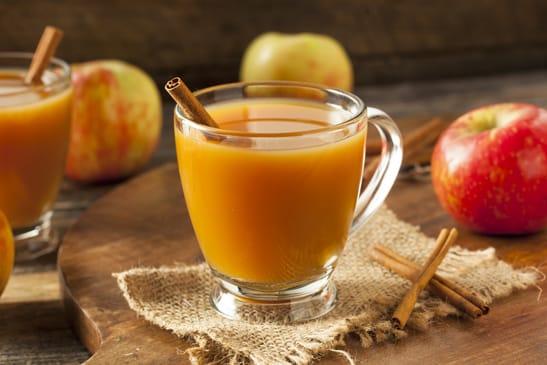
Spiced Apple Mulled Cider

Posted by & filed under Drinks, Recipes, Sucralose.

Makes 16 Servings

Ingredients

8 cups No Sugar Added Apple Cider
1/2 cup SPLENDA® No Calorie Sweetener, Granulated
16 whole cloves
6 whole allspice
5 (3-inch) cinnamon sticks
1/3 cup fresh lemon juice
1/2 cup dried cranberries
8 thinly sliced oranges
8 thinly sliced lemons

Directions

Combine cider and next 4 ingredients in a stock pot. Cook over low heat 30 to 60 minutes. Do not boil. Add fruit slices 10 minutes before serving. Serve hot.

Nutritional Information

Calories 130
Total Fat 0g
Cholesterol 0mg
Sodium 15mg
Carbohydrates 36g
Dietary Fiber 6g
Sugar 25g
Protein 2g

Recipe originally appeared on Splenda.com.

The post Spiced Apple Mulled Cider appeared first on Sucralose.


Salted Caramel Pumpkin Latte

Posted by & filed under Drinks, Recipes, Stevia.

Makes 2 Servings

Ingredients

2 packets Stevia In The Raw®
1/2 tablespoon butter
2 tablespoons heavy cream
1/3 cup pumpkin puree
1 teaspoon pure vanilla extract
1/4 teaspoon sea salt
1/4 teaspoon pumpkin pie spice
3/4 cup 1% milk
2/3 cup hot coffee

Directions

In a small skillet, stir together Stevia In The Raw® and 1 teaspoon water to dissolve stevia. Add butter and cook over medium heat, stirring occasionally, until deep brown bits form on the bottom of the pan. Remove from heat and stir in cream, pumpkin, vanilla, salt, and spice. Heat milk until steaming, then add coffee and pumpkin caramel mixture, and stir to combine. If desired, top with whipped cream and sprinkle with pumpkin pie spice.

Nutritional Information

Calories 140
Total Fat 9g
Carbohydrates 9g
Protein 4g
Dietary Fiber 2g
Sodium 340mg
Sugar 6g

Recipe originally appeared on intheraw.com.

The post Salted Caramel Pumpkin Latte appeared first on Steviabenefits.org.


Experts Discuss The Role of Low Calorie Sweeteners at 17th International Congress of Dietetics in Granada, Spain

Posted by & filed under Health Professionals, Statements.

The 17th International Congress of Dietetics (ICD) 2016 took place September 7-10th in Granada, Spain. On September 8th, the International Sweeteners Association (ISA) hosted a symposium entitled, “Sweetness without calories: How can low calorie sweeteners be a helpful tool in dietetic practice.” Guest speakers for ISA included Professor Kees de Graaf, Chairman Division of Human Nutrition, Professor in Sensory Science and Eating Behavior at Wagening University in Netherlands, Professor Anne Raben, Department of Nutrition, Exercise and Sports, SCIENCE, from the University of Copenhagen, and Dr. Caomhan Logue, Lecturer in Dietetics in Northern Ireland Centre for Food and Health (NICHE), along with Dr. Aimilia Papakonstantinou, Lecturer in Nutrition and Metabolism at the Agricultural University of Athens. These experts concluded the session by confirming, “low calorie sweeteners seem well positioned to play a positive role in people’s effort to reduce their sugar and energy intake and to help them manage their body weight and/ or diabetes more effectively.”

Highlights from this symposium can be found here.


Sorting Out the Science on Sugars

Posted by & filed under Fructose, Health Professionals.

Sugar has received a large share of media coverage over the past decade. Accused of being toxic, addictive and the cause of obesity, it makes our job as health professionals even more challenging when trying to separate fallacies from facts. Of course, we know that sugar, and more specifically glucose, is the body’s primary energy source and, therefore, essential to health. And while the majority of glucose is provided by starch from grains and some vegetables, it also is obtained from naturally occurring and added sugars. In this article I will delve into sugar science and recommendations to help you clear up confusion.

Sugar 101

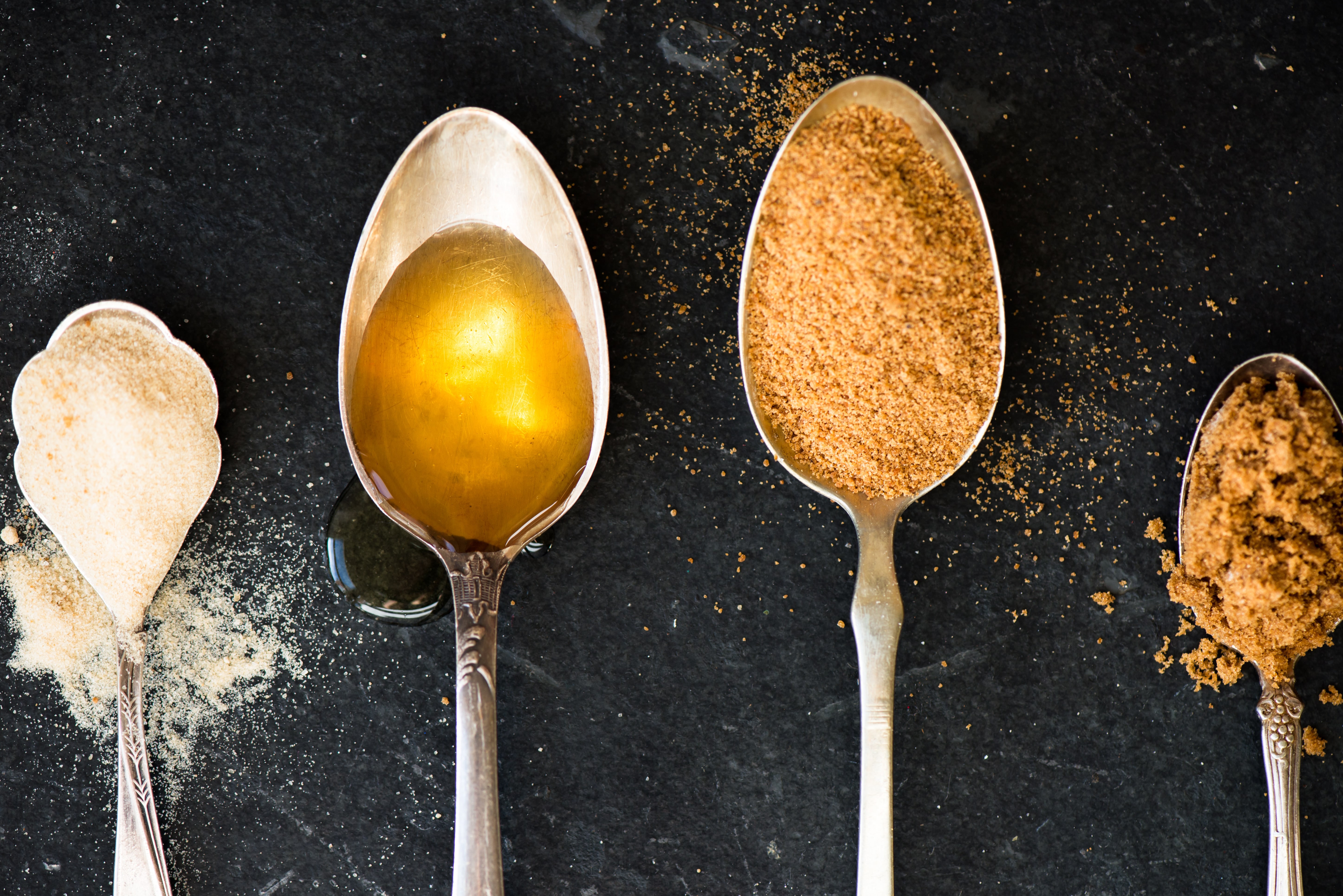
When people think of sugar, the white stuff in the sugar bowl – sucrose – most often comes to mind. But sugar comes in many forms including monosaccharides (glucose, fructose and galactose) and disaccharides (sucrose, lactose and maltose). Lactose in milk is a combination of glucose and galactose while the sugars in fruits, vegetables and nutritive sweeteners (white and brown sugar, honey, high-fructose corn syrup and agave nectar) are a combination of fructose and glucose.

Sucrose, a disaccharide composed of half fructose and half glucose, is hydrolyzed in the small intestine by an enzyme, sucrase, to yield fructose and glucose. On the other hand, honey, high fructose corn syrup and agave nectar contain the individual monosaccharides, fructose and glucose. Honey is about half fructose and half glucose; HFCS is either 55 percent fructose and 42 percent glucose (primarily found in sweetened beverages) or 42 percent fructose and 58 percent glucose (used as an ingredient in other packaged foods); and agave nectar ranges from 56 to 90 percent fructose with the remainder primarily glucose. Fruits and vegetables are also comprised of both fructose and glucose with almost all between 40 to 60 percent fructose. After absorption, the body is unable to distinguish the original source of the fructose, glucose, or any other sugar.

Once absorbed in the small intestine, glucose enters the portal blood and is transported through the body. Elevated blood glucose levels result in insulin release and glucose uptake into cells. Glucose is primarily stored in the liver and muscles as glycogen. When blood glucose levels fall, the hormone glucagon triggers glucose release into the bloodstream.

Unlike glucose, fructose does not require insulin for metabolism. Fructose is absorbed from the small intestine into the portal blood and transported to the liver.

In the liver, about 50 percent of fructose is converted to glucose, 25 percent to lactate, 15 percent to glycogen and 3 to 5 percent to triglycerides.

In addition, the transporters that are involved in sugar transport into cells differ.

Sugar Guidelines

A variety of organizations have issued guidance on intake of added sugars. The American Heart Association recommends limiting added sugar to 6 teaspoons for women and 9 teaspoons for men/day. That’s the equivalent of about 100 calories for women and 150 calories for men.

The World Health Organization advises both adults and children reduce the intake of free sugars to less than 10 percent of total calorie intake. WHO defines free sugars as “monosaccharides and disaccharides added to foods and beverages by the manufacturer, cook or consumer, and sugars naturally present in honey, syrups, fruit juices and fruit juice concentrates.”

The 2015 – 2020 Dietary Guidelines for Americans suggests for a healthy eating pattern that individuals consume less than 10% of calories per day from added sugars. According to the Guidelines, this is not a Tolerable Upper Intake Level set by the Institute of Medicine (IOM). Rather, after eating the recommend servings from each food group, there are not enough calories remaining to consume more than 10 percent from added sugars and stay within daily calorie limits for most people.

Nutrition Facts Panel Changes

In May 2016, the FDA announced changes in the Nutrition Facts label for packaged foods. For the first time “Added Sugars,” in grams and as a percent Daily Value, will be included. The final rule requires “Includes X g Added Sugars” to be listed directly beneath “Total Sugars.” The agency defines added sugars as those either added during food processing or packaged as such. These include monosaccharides and disaccharides, as well as sugars from syrups, honey and concentrated fruit or vegetable juices that are “in excess of what would be expected from the same volume of 100 percent fruit or vegetable juice of the same type.”

The Bottom Line

When advising consumers about sugar consumption, MyPlate is a useful guide for a healthy eating pattern. Within the servings recommended from each food group, people should choose their sugars “by the company they keep.” That is, selecting nutrient-rich foods that provide additional nutrients along with sugar such as sweetened yogurt or cereal or flavored milk. In this way, they can enjoy the sweet taste of sugar while also meeting their needs for a nutritionally adequate diet.

Patients that need to reduce calories and carbohydrate intake could use low-calorie sweeteners that provide sweet taste without the carbohydrate or calories in sugar. Those with high levels of physical activity may benefit from education related to timing of nutrition and exercise performance while  individuals with diabetes may need counseling regarding carbohydrate intake and medication dose and timing, particularly related to insulin.



Neva Cochran, MS, RDN, LD 
is a registered dietitian nutritionist based in Dallas. She serves as a nutrition communications consultant to a variety of food and nutrition organizations, including the Calorie Control Council. She is passionate about promoting fact-based food and nutrition information to help people enjoy nutritious eating. Follow her on Twitter @NevaRDLD and check out her blog at www.NevaCochranRD.com

The post Sorting Out the Science on Sugars appeared first on FructoseFacts.


Time to Batter Up!

Posted by & filed under Fructose, Lifestyle Articles.

By: Ellen Stokes, MS, RD, LD —

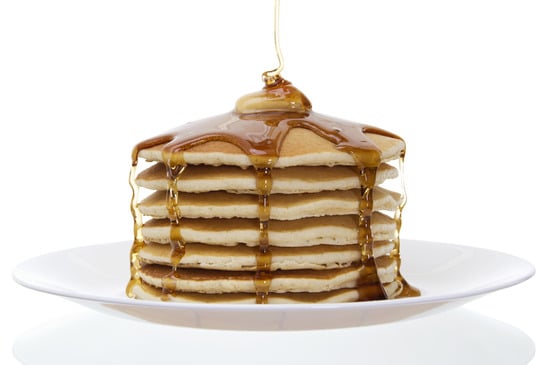
Flapjacks, griddle cakes, hot cakes, or pancakes.  Whatever you call them, they’re the ultimate fun food, conjuring up sweet memories of family togetherness on lazy weekend mornings.

Pancakes tend to be pretty darn good even when they’re just average, but here are simple steps to make your cakes more fluffy, tender, flavorful — and nutritious:

Doctor basic pancake mix.

Making pancakes from scratch isn’t difficult, but a good basic store bought mix can rise to greatness with some doctoring. For example, instead of the milk called for on the package directions, use buttermilk for a tastier, lighter pancake. (Any unused buttermilk can be frozen in 1 cup portions ready for the next time you make pancakes. Thaw overnight in refrigerator.) Don’t have buttermilk on hand? Milk that’s gone sour or some plain Greek yogurt added to milk makes a good substitute.  Or, cut back on the amount of buttermilk and add a 4 ounce jar of baby food fruit or vegetables (sweet potato or pumpkin) to the batter along with spices, extracts, wheat germ, or nuts.

Make a better batter.

Combine all liquid ingredients well before adding them to the dry mix.  Then, stir the batter with a large spoon just until thoroughly moistened, but still slightly lumpy. Let the batter stand for 5-7 minutes, so that the leavening will have a chance to work. And, store the box of pancake mix in a sealed plastic bag in the freezer to keep the leavening at peak quality.

Skip the syrup and butter.

Topping pancakes with fruit adds vitamins, minerals, fiber and the right touch of sweetness from the healthy fructose naturally found in fruit. Try a mixture of your favorite chopped fresh fruits with a bit of light whipped cream.  Or, layer applesauce in between the pancakes with a sprinkle of cinnamon.  Jarred all fruit spreads are another good choice.

Make it a short stack and serve with protein.

It’s unlikely that pancakes will ever make the ranks of health foods, but that doesn’t mean they should be excluded from your diet.  Two medium-sized pancakes topped with fruit and served with turkey bacon and scrambled egg whites make a hearty and delicious breakfast or brunch.


Pancakes Plus Sweet Potato

Makes 1 dozen medium cakes

Ingredients

4 ounce jar baby food sweet potato
About 2/3 cup buttermilk or sour milk (see note below)
1 egg
1 tablespoon canola oil
1 cup regular pancake mix (use a mix that calls for the addition of milk, egg, and oil, not a “just add water” mix)
1/2 teaspoon apple pie spice
1/4 cup walnuts or pecans (optional)
1  1/2 teaspoons butter, divided into three 1/2 teaspoon portions

Directions

Empty contents of baby food jar into a measuring cup.  Add enough buttermilk to go to 1 cup fill line. Pour into a small bowl.  Add egg and oil.  Combine well and set aside. In a medium bowl, stir apple pie spice into the pancake mix. When combined, add liquids and stir with a large spoon (not an electric mixer) just until the large lumps are gone and the all ingredients are well moistened.  Don’t overbeat — batter should still have many small lumps. Fold in nuts, if using.  Let batter stand 5-7 minutes.  Heat a large skillet on low medium heat and melt 1/2 teaspoon of butter in it.  You will be making the pancakes in three batches.  Add enough batter to heated skillet to make four medium pancakes.  Turn cakes when they are dry on the edges and bubbly in the middle.  Serve hot, topped with unsweetened applesauce.


Ellen Stokes, MS, RD, LD is an award-winning video producer, director, and writer in addition to being a registered dietitian. Ellen writes and creates videos about nutrition education, food safety, menu planning, grocery shopping, and healthful cooking on a budget. Ellen has worked with organizations and companies including WebMD, the Partnership for Food Safety Education, and the University of Georgia Food Science Department. Ellen formerly worked for CNN as a writer and producer and teaches food safety and nutrition for Georgia State University. Check her out on Twitter @EllenS_RD.

The post Time to Batter Up! appeared first on FructoseFacts.


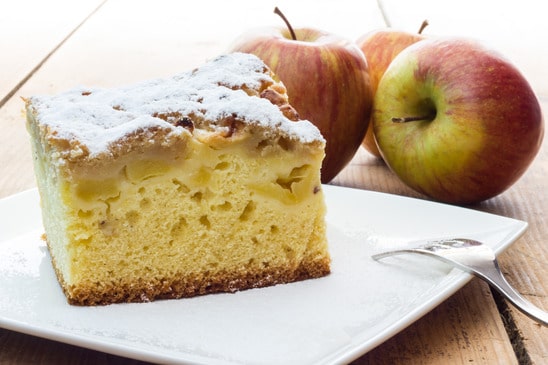
German Apple Cake

Posted by & filed under Desserts, Recipes, Saccharin.

Makes 16 Servings

Ingredients

2 eggs, separated
1/2 cup chopped walnuts
2 cups peeled, chopped apples
1 teaspoon baking soda
2 cups all-purpose flour
1 teaspoon vanilla extract
1 teaspoon Sweet ‘N Low
1/2 cup vegetable oil
1/2 cup liquefied Butter Buds Mix or butter or margarine
3/4 cups sugar
1/2 teaspoon ground cinnamon

Directions

Preheat oven to 325F. In medium-size bowl, stir together egg yolks, sugar, and baking soda. Stir liquid ingredients into dry ingredients. Stir in apples, walnuts and cinnamon just until blended. In large bowl with mixer at high speed, beat egg whites until stiff but not dry; fold into batter. (Batter will be thick.) Spoon into 8″ x 8″ x 2″ glass baking dish. Bake 30 minutes or until knife inserted in center comes out clean.

Nutritional Information

Calories 200
Total Fat 10g
Cholesterol 34mg
Sodium 105mg
Carbohydrates 25g
Protein 3g

Recipe courtesy of SweetNLow.com.

faq2Do you have questions about low-calorie sweeteners? Want to learn more about maintaining a healthy lifestyle? You asked and we listened. Our resident Registered Dietitians answered the most popular questions about low-calorie sweeteners.

Media Contacts

For media inquiries please reach out to any of the below contacts: