Lemon Blueberry Mousse

Posted by & filed under Aspartame, Desserts, Recipes.

Makes 6 Servings 

Ingredients

1-1/2 cups lite Greek vanilla flavored nonfat yogurt
1-1/2 cups lite whipped topping, thawed it frozen
1/3 cup Equal Spoonful
1 tablespoon grated lemon peel
1-1/2 cups fresh blueberries
Fresh mint sprigs, optional

Directions

Combine yogurt, whipped topping, Equal and lemon peel. Fold in blueberries.

Refrigerate 1 to 2 hours or until well chilled.

Garnish each serving with a mint sprig, if desired.

Nutritional Information

Calories 88
Carbohydrates 15g
Protein 3g
Fat 2g
Cholesterol 3mg
Sodium 13mg

Recipe courtesy of Equal.com.

The post Lemon Blueberry Mousse appeared first on Aspartame.


Do “S’MORE” with Dinner

Posted by & filed under Lifestyle Articles, Sucralose.

By: Melissa Joy Dobbins, MS, RDN, CDE —

Do you feel like summertime is slipping through your fingers like sand on the beach? My favorite season of the year, summer seems like Mother Nature’s reminder to slow down, savor and celebrate life.

In fact, it’s the perfect time to slow down, savor and celebrate family, friends and food. I’ve been doing my “Do M.O.R.E. with Dinner” initiative since January, but summertime has invited me to take a slightly different approach.

There’s a more relaxed feel to our days and also our dinnertime. There’s less structure, but, nonetheless, we still need some planning to make the most of our family dinnertime. Ever since we started doing “more” with dinner, my daughter and I have been making time every week to consider our dinnertime plans for the coming week. Sometimes we try a new healthy recipe or make sure to plan for leftovers to cover busy nights, or we sneak in more veggies, or we simply take the time to make memories in the kitchen or at the dinner table that have nothing to do with food.

DSCN0294One of the best things about this initiative is that my kids remind me every day that food should be fun! I’ll admit, sometimes as a dietitian, I tend to forget the fun factor. My kids help me make sure to plan for some fun activities as well as some fun foods. I can’t think of any summertime treat that’s more fun than a s’more! And I love this recipe for a lightened up version that still tastes great.

As the “Guilt-Free RD” it definitely has my stamp of approval. Since food shouldn’t make you feel bad, I wouldn’t want the traditional version to leave you guilt-ridden, but I sure do like how this option can help you enjoy s’mores with less guilt and more gratification!

As these last remaining days of summer slip through your fingers, take time to make some memories with your family and do “S’MORE” with dinner! And share with me on social media how you’re making more out of dinnertime by using #domorewithdinner.


Melissa Joy Dobbins, MS, RDN, CDE is a nationally recognized registered dietitian nutritionist with more than 20 years’ experience helping people enjoy their food with health in mind. Melissa is a certified diabetes educator, a former supermarket dietitian, and also a former national media spokesperson for the Academy of Nutrition and Dietetics (AND). She was named Outstanding Dietitian of the Year in Illinois by AND and Outstanding Diabetes Educator of the Year in Chicago by the American Association of Diabetes Educators. Melissa is a paid contributor to Sucralose.org. Melissa is the CEO of Sound Bites, Inc. based in Chicago, Illinois, and you can connect with her on Twitter (@MelissaJoyRD), Pinterest,Facebook, and check out her blog at SoundBitesRD.com.

The post Do “S’MORE” with Dinner appeared first on Sucralose.


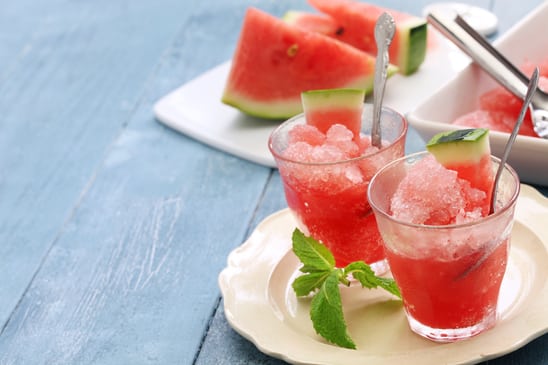
Watermelon Lemonade Sorbet

Posted by & filed under Desserts, Recipes, Sucralose.

Makes 10 Servings

Ingredients

4 1/2 cups seeded, cubed watermelon
1 cup water
2 teaspoons unflavored gelatin
1 cup fresh lemon juice
1/2 cup fresh lime juice
1 cup SPLENDA® No Calorie Sweetener, Granulated

Directions

Place watermelon cubes in a food processor in batches; process until smooth. Pour pureed watermelon through a sieve into a 4-cup measuring cup. Measure 3 cups watermelon juice into a large bowl; discard solids.

Sprinkle gelatin over cold water in a small saucepan; let stand 1 minute. Cook over low heat, stirring until gelatin dissolves, about 2 minutes. Add gelatin mixture to watermelon juice; stir in lemon juice, lime juice, and SPLENDA® Granulated Sweetener, stirring until SPLENDA® Granulated Sweetener dissolves.

Pour sorbet mixture into freezer container of an ice cream freezer; freeze according to manufacturer’s instructions. Spoon sorbet into a freezer-safe container; cover and freeze 1 hour or until firm.

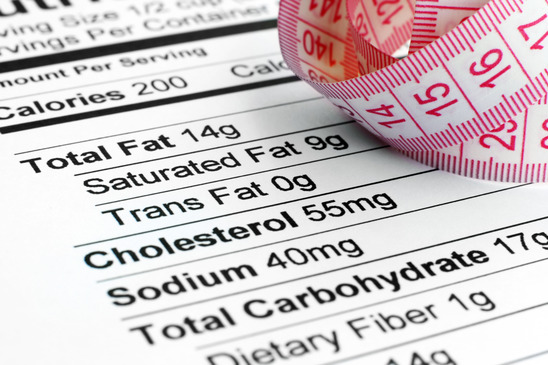
Nutritional Information

Calories 35
Total Fat 0g
Cholesterol 0mg
Sodium 5mg
Carbohydrates 8 g
Dietary Fiber 1g
Sugars 6g
Protein 1g

Recipe originally appeared on Splenda.com.

The post Watermelon Lemonade Sorbet appeared first on Sucralose.


Do Fibers Count as Calories and Carbohydrates?

Posted by & filed under Fiber, Lifestyle Articles.

We all know the importance of balancing the number of calories we eat with the number of calories we burn to help achieve and maintain a healthy weight. The number of devices that estimate how many calories you burn and the apps that help you estimate how many calories you are eating can certainly help keep us focused on our goals, but many of us start to wonder about the calculations and what else we can do to achieve our goals.

For those of us who manage our diet by counting calories or counting carbohydrates, confusion regarding fiber may arise as some people say that fiber has no calories while others say that each gram of fiber provides 4 calories. The same confusion exists when you ask if people count fiber as a carbohydrate or not. This confusion should not be a reason to avoid eating enough fiber since it is universally agreed that fiber provides many health benefits, including helping a person feel full and reducing over-eating. Below is some information to help you understand calorie and carbohydrate counts for fiber.

Fiber and Calories

Determining whether or not fiber calories should “count” depends on context and requires some background. Calories are a basic unit of energy that measure, among other things, how much burning power they provide to the body. Fats, proteins, carbohydrates and alcohol provide the body with energy or calories. The traditional estimates are that 1 gram of fat provides 9 calories, each gram of either proteins and carbohydrates provide 4 calories, and a gram of alcohol provides 7 calories. However, this doesn’t account for differences in how well food is digested and the nutrients available to the body. Poorly digested foods may not release as much energy for the body to use. This is particularly important in the case of fibers.

Dietary fibers are complex carbohydrates, so some people estimate that they provide 4 calories per gram just like any other carbohydrate. However, others say that calories from fiber don’t count since your body’s digestive enzymes can’t break down fiber. However, fibers differ in how well they are digested or how much energy is available to the body. Some fibers, called soluble fibers, either absorb water and become gels or dissolve in water and reach the intestine where they are digested by bacteria. As they are digested by bacteria, soluble fibers produce short-chain fatty acids (SCFAs) that provide your body energy. The US Food and Drug Administration (FDA) estimates that fibers fermented by bacteria provide about 2 calories per gram of fiber. Insoluble fibers travel to the intestine with very little change. Instead of being digested, insoluble fibers increase bulk, soften stool, and shorten transit time through the gastro-intestinal tract.  Because these fibers are not digested at all, the FDA estimates that insoluble fibers do not contribute any calories.

Rather than worrying about the accuracy of calorie-counting and the relatively small differences in calorie estimates contributed by the fiber in your diet, it may be best to focus on eating the recommended amount of fiber each day, which is 14 grams of fiber for every 1,000 calories. For those that adhere to their diet by tracking calorie balance, it may be better to count the calories from fats, proteins, total carbohydrates and alcohol and try to increase physical activity to burn more calories since these are activities you can modify.

Fiber and Carbohydrates

Regardless of whether someone is counting carbohydrates because of a carbohydrate-based diet plan or to manage insulin doses, there is some confusion regarding whether or not fibers should be counted as carbohydrates. Carbohydrates such as sugars and starches are energy sources that the body can quickly convert to fuel and require insulin. While fibers are carbohydrates, they do not affect your body’s sugar/glucose levels or the levels of sugar related hormones such as insulin. In fact, high fiber meals take longer to digest and therefore, affect your blood glucose more slowly. This is why it is often recommended that individuals calculating insulin needs should subtract fiber from the total carbohydrates of a food. Therefore, it is often advised that individuals following a carbohydrate-based diet plan not count dietary fiber as a carbohydrate.

The post Do Fibers Count as Calories and Carbohydrates? appeared first on Fiber Facts.


Lemonade Iced Tea

Posted by & filed under Drinks, Recipes, Stevia.

Makes 12-16 Servings

Ingredients

2 quarts water
1 ½ cups Stevia In The Raw® Bakers Bag
1 ½ cups (about 7 large lemons) fresh squeezed lemon juice with pulp, seeded
2 ½ quarts unsweetened brewed iced tea
Lemon slices
Ice cubes
Fresh mint leaves for garnish

Directions

In 2½ quart pitcher combine water, Stevia In The Raw® and lemon juice. Stir well and chill at least 2 hours.

Fill each tall glass with ½ lemonade and ½ iced tea, add lemon slices and ice. Garnish with mint leaves.

Nutritional Information

Calories 18
Fat 0g
Protein 0g
Carbohydrate 5g
Dietary Fiber 0g
Sodium 0g
Cholesterol 0mg

Recipe originally appeared on InTheRaw.com.

The post Lemonade Iced Tea appeared first on Steviabenefits.org.


faq2Do you have questions about low-calorie sweeteners? Want to learn more about maintaining a healthy lifestyle? You asked and we listened. Our resident Registered Dietitians answered the most popular questions about low-calorie sweeteners.

Media Contacts

For media inquiries please reach out to any of the below contacts: