Research Claims of Accumulation of Sucralose in Lab Rats Fails to Establish Safety Concern

Posted by & filed under Health Professionals, Research Summaries.

August 31, 2018

FROM THE CALORIE CONTROL COUNCIL:

The study in question — “Intestinal Metabolism and Bioaccumulation of Sucralose in Adipose Tissue in the Rat” Bornemann et al. — was published in the Journal of Toxicology and Environmental Health.  The objective of the study conducted by researchers at NC State University was to determine if sucralose is metabolized in the rat intestine with repeated dosing and to examine whether sucralose might accumulate in rat adipose (fat) tissue.

There were several drawbacks to the study:

  1. Used excessive dosing: The mean sucralose dosage in this study was essentially 16 times greater that the acceptable daily intake (ADI) of 5 mg/kg/day determined by the U.S. Food and Drug Administration and 5.3 times higher than the ADI of 15 mg/kg/day approved in the European Union. In a 68 kg human (150 lbs.), the dosage used would be equivalent to 137 8oz servings of diet cola. Excessive dosing is typically found in animal studies, therefore limiting the extrapolation of the findings to humans.
  2. Performed on rats, not humans. Given that rats are not biologically equivalent to humans, animal studies are used only as guide for future research in humans.
  3. Limited study with 10 rats. Regulatory approval of sucralose is based on pharmacokinetic and metabolism studies that suggested that the majority of orally ingested sucralose was not absorbed from the gastrointestinal tract (GIT) but rather excreted unchanged in the feces. While this study uses new methods on ten rats indicating that sucralose may be metabolized and not just excreted, it does not indicate that there are any concerns over the consumption of sucralose.
  4. Showed no evidence of adverse safety effects: The dosage in the study marks the level at which sucralose metabolites were detected. While this finding contradicts data which previously reported that sucralose passes through the body and is excreted unchanged, the findings of the NC State study do not provide evidence of any adverse safety effects.
  5. One study does not replace over 100 other studies: While animal studies are typically the starting point for toxicity studies, clearly the findings of a single study do not warrant an overhaul of the regulatory status of an ingredient, especially when there is a large body of evidence (over 100 studies) substantiating the safety of sucralose. The approval process includes the rigorous review of multiple studies, including both human and animal investigations, in order to establish the safety status.

Sucralose has been approved by the U.S. Food and Drug Administration (FDA) for use in food since 1998. FDA reviewed more than 110 safety studies in approving the use of sucralose. The Food and Agriculture Organization of the United Nations (FAO) and World Health Organization (WHO)’s Expert Committee on Food Additives (JECFA) has determined sucralose to be safe for human consumption along with other regulatory bodies including Health Canada, the Japanese Ministry of Health and Welfare and Food Standards of Australia and New Zealand.

More recently, in a scientific opinion published in 2017, the European Food Safety Authority (EFSA) reconfirmed the safety of sucralose at current use levels.

The post Research Claims of Accumulation of Sucralose in Lab Rats Fails to Establish Safety Concern appeared first on Sucralose.


The State of the Science on Sweet Taste Preference

Posted by & filed under Blog Articles, Health Professionals, Sweet Taste.

By: Neva Cochran, MS, RDN, LD — 

August 30, 2018 — Headlines and news stories often proclaim that consuming foods and beverages with low-and no-calorie sweeteners (LNCS) creates an increased preference for sweet foods, stimulates sweet cravings and leads to overeating. This belief may stem from two sources. First, observational studies linking diet soda or low calorie sweetener intake with overweight or obesity have been used to support the claim. (1) Secondly, a few animal studies support this idea. In one study, mice preferred glucose to -LNCS after being offered glucose in a hungry state. (2) In the second study, the habitual intake of sucralose led to increased food intake in fruit flies and mice. (3) While animals are useful for gathering preliminary data on research questions and pointing researchers in the appropriate direction for future studies in humans, these results cannot be applied to humans.

In contrast, randomized controlled trials have shown that LNCS may actually support weight loss, particularly as part of a behavioral weight loss program. (1) In addition, members of the National Weight Control Registry, who have successfully lost and kept weight off, consumed three times more artificially sweetened soft drinks, more water and significantly fewer sugar-sweetened soft drinks compared to a group of  individuals who were never overweight. (4)

The majority of the evidence in humans does not support the contention that LNCS consumption stimulates sweet taste preferences.

Taking a step back, let’s briefly explore the research on sweet taste preference. Studies suggest that sweet taste preferences are inborn. The pleasurable response to sweet taste is universal although it can be influenced by other factors like genetics, nutritional deficiencies, chronic disease and medications. However, the intensity of sweetness preferred in foods and drinks can vary significantly among individuals. Also, because sugar is a quick source of energy, preference for sweetness is reinforced. Consuming sweet-tasting products, however, stimulates “sensory-specific satiety,” a general decrease in the attractiveness of all sweet products. (5)

In looking at research in humans, the bulk of evidence demonstrates that foods and beverages with low calorie sweeteners do not increase sweet taste preference. A summary of seven studies follows.

  1. Research in females with either a habitually high or low intake of low calorie sweetened beverages found that those with a low intake of artificially-sweetened beverages had an increase in appetite in response to sweet taste, while consumers with a high intake did not. The effect of calorie intake on appetite did not differ between the two groups. Researchers concluded the lack of response suggests an adaptation to sweet taste as a result of the habitual dietary pattern of these women. (6)
  2.  A review of 21 controlled studies investigating the impact of consuming sweet-tasting foods or beverages on the subsequent acceptance or choice of sweet foods and beverages found that a higher sweet taste exposure tends to lead to a reduced preference for sweetness in the short term, but very limited effects in the long term. (7)
  3. When researchers investigated the perceived sweetness intensity of a variety of nutritive and non-nutritive sweeteners (NNS) in 400 participants, they found no evidence that NNS “hijack” or overstimulate sweet receptors to produce elevated sweet sensations. (8)
  4. A study in 166 healthy non-obese adults who were infrequent users of low calorie sweeteners determined if beverages vs. water consumed with meals produced different effects on calorie and food intake in the short-term and long-term. Results showed that water and low calorie sweetened beverages did not differ in their effects on the selection of sweet foods or total calorie or macronutrient intakes. (9)
  5. A double-blind randomized controlled trial in 203 children who replaced their habitual daily sugar-containing drink with either a sugar-free or sugar-sweetened beverage for 18 months investigated satiety, liking and wanting. The sugar-sweetened and sugar-free beverages produced similar satiety. Researchers concluded that children given sugar-free instead of sugar-containing drinks might not make up the missing calories from other sources. (10)
  6. In the 6-month weight-loss randomized control trial CHOICE study, 210 women, divided into two groups, substituted at least 2 servings/day (≥200 kcal) of sugar-sweetened beverages with either water or low calorie sweetened diet beverages (DB). Participants in both groups showed positive changes in calorie intake and dietary patterns. The DB group consumed fewer caloric beverages and ate fewer desserts than the water group. The authors concluded that short-term consumption of DBs, compared with water, does not increase preferences for sweet foods and beverages. (11)
  7. Finally, a 2018 study found no significant differences for hunger, desire to eat, fullness, or thirst in 100 subjects who consumed an aspartame-sweetened, fruit-flavored beverage daily for 12 weeks, nor were there any changes in glycemia, appetite, body weight, or body composition in healthy, lean adults. (12)
In Conclusion:
The majority of the evidence in humans does not support the contention that LNCS consumption stimulates sweet taste preferences. As registered dietitians or other health professionals, we can feel confident in recommending low calorie-sweetened foods and beverages to patients, clients and consumers as part of a nutrient-rich, health-promoting meal plan.

References

  1. “Nonnutritive Sweeteners in Weight Management and Chronic Disease: A Review”
Obesity 26:635, 2018
  2. “Glucose utilization rates regulate intake levels of artificial sweeteners” J Physiol 591:5727, 2013
  3. “Sucralose Promotes Food Intake
through NPY and a Neuronal Fasting Response” Cell Metab 24:75, 2016
  4. “Use of artificial sweeteners and fat-modified foods in weight loss maintainers and always-normal weight individuals” Int J Obes33:1183, 2009
  5. “Sweetness and Food Preference” J Nutr142: 1142S–1148S, 2012
  6. “Habitual high and low consumers of artificially-sweetened beverages: Effects of sweet taste and energy on short-term appetite” Physiol Behav 92:479, 2007
  7. “Sweet taste exposure and the subsequent acceptance and preference for sweet taste in the diet: systematic review of the published literature” Am J Clin Nutr 107:405, 2018
  8. “Nonnutritive sweeteners are not supernormal stimuli” Int J Obes 39:254, 2015
  9. “Beverages containing low energy sweeteners do not differ from water in their effects on appetite, energy intake and food choices in healthy, non-obese French adults” Appetite 125:557, 2018
  10. “The Effect of Sugar-Free Versus Sugar-Sweetened Beverages on Satiety, Liking and Wanting: An 18 Month Randomized Double-Blind Trial in Children” PLOS ONE 8:e78039, 2013
  11. “Does diet-beverage intake affect dietary consumption patterns? Results from the Choose Healthy Options Consciously Everyday (CHOICE) randomized clinical trial” Am J Clin Nutr 97:604, 2013
  12. “Aspartame Consumption for 12 Weeks Does Not Affect Glycemia, Appetite, or Body Weight of Healthy, Lean Adults in a Randomized Controlled Trial” J Nutr 148:650, 2018


Neva Cochran, MS, RDN, LD 
is a registered dietitian nutritionist based in Dallas. She serves as a nutrition communications consultant to a variety of food and nutrition organizations, including the Calorie Control Council. She is passionate about promoting fact-based food and nutrition information to help people enjoy nutritious eating. Follow her on Twitter @NevaRDLD and check out her blog at www.NevaCochranRD.com.


Calorie Control Council June Digest

Posted by & filed under Members Only.

CCC’s Monthly Digest serves to inform its members of developments from the previous month concerning topics of interest to the Council. Below are highlights which cover past, current, and on-going regulatory updates, industry & consumer issues, and Council activities from June 2018.

US Policy and Regulatory Updates
• FDA and USDA Cooperate to Streamline Efforts
• Trump Proposes Consolidating Food Safety Under Single Agency Within USDA
• Industry Coalition Pushes for Amendment to Fair Packaging and Labeling Act
• FDA Reconsiders Approach to Declaration of Added Sugars on Pure Maple Syrup and Honey
• FDA Releases the First of Three Draft Guidances on FSMA Food Defense Requirements
• California Judge Rules that Glyphosate Does Not Need Cancer Warning

International Policy and Regulatory Updates
• WHO Leaves Out Endorsement for Soda Taxes
• Australian Beverage Industry Refuses to Reformulate
• India’s Proposed New Food Safety and Standards (Labeling and Display) Regulations Meet Criticism
• Translation of Chinese Standard for Maximum Levels of Contaminants in Foods

Publication Updates
• IFIC Survey Indicates Shift in Consumer Attitudes toward Sugar & Carbohydrates
• Preliminary Study Results Indicate U.S. Obesity Rates Rising Again
• GMA’s SmartLabel Marks Sevenfold Growth as Consumers Seek Transparency
• Non-GMO Project Predicted to Profit from Federal BE Legislation
• Reformulation Experts Weigh in on Sugar Reduction at Summit in Singapore
• CDC Study Shows Rural America has Higher Obesity Rates than Urban Areas
• EU Consumer Organization Publishes Report on Food Labeling
• Survey Says Graphics More Effective Than Text in Sugar Warning Labels
• 2018 Sweetener Systems Conference to Focus on Sweeteners and Sugar Reduction

Council Updates
• CCC Staff Attends Nutrition 2018 – Annual Conference by the American Society for Nutrition
• CCC Submits Comments to FSSAI
• Communications Update

US Policy and Regulatory Updates 

FDA and USDA Cooperate to Streamline Efforts
On May 30, the U.S. Department of Agriculture (USDA) announced that Secretary Sonny Perdue and the U.S. Food and Drug Administration’s (FDA) Commissioner Scott Gottlieb signed an agreement formalizing efforts to coordinate research in food safety and related regulatory issues. The agreement seeks to increase clarity, efficiency, and potentially reduce the number of duplicate regulations subject to oversight by both agencies. USDA notes this streamlining can reduce costs on industry and free up government resources to target areas of high risk.

In addition, the statement also reports on efforts by the two agencies to collaborate on scientific research. It is noted that USDA’s Office of the Chief Scientist (OCS) recently hosted a seminar for USDA scientists to hear from FDA scientists on the modernizations and exposure assessments of the Total Diet Study (TDS), an ongoing FDA program that monitors levels of about 800 contaminants and nutrients in the average U.S. diet.

Trump Proposes Consolidating Food Safety Under Single Agency Within USDA
On June 22, Food Safety News reported President Trump wants to consolidate the USDA’s Food Safety and Inspection Services (FSIS) and the food safety functions of FDA into a single agency housed in the USDA called the Federal Food Safety Agency. The article notes former Presidents’ similar failed attempts to consolidate food safety efforts under the U.S. Department of Health and Human Services (HHS). While Congress did not extend the power to President Obama to reorganize the government, President Trump is seeking executive reorganization authority under his “Delivering Government Solutions in the 21st Century” report released on June 21, 2018. The plan also recommends several other changes for USDA and HHS, including consolidating non-commodity nutrition assistance programs and moving them from USDA to HHS, and renaming HHS the Department of Health and Public Welfare.

The new USDA food safety unit would bring on about 14,200 employees with an annual budget authority of about $2.3 billion by combining existing FSIS and FDA food safety workforces and budgets. If the Trump reorganization were to go through, FDA would be renamed the “Federal Drug Administration” and continue with its focus on drugs, medical devices, biologics, tobacco, cosmetics, and dietary supplements, which would still be in the category of food.

As reported by Food Chemical News (subscription required), while there is both support for and opposition to the proposed consolidation, the overwhelming response is doubt it will actually happen because it would require approval from Congress, which experts say is highly unlikely. Brian Ronholm, former deputy undersecretary for food safety at FSIS during the Obama administration, suggested that if the merger were to happen, industry may have more leverage at USDA than it would within a public health agency. However, Ronholm notes that the different cultures and approaches could be complicated to combine, and stated “I think it’s fair to say that FDA is publicly viewed as a having a more science-based culture, while the culture at FSIS is focused primarily on inspections, particularly the day-to-day inspections,” and, “the food safety functions at USDA are still very old, and they need modernization. With FDA, the nature and frequency of inspection is widely different […] and that’s just another issue to consider when you’re undertaking something like this.” An article published by The Conversation on June 24 outlines specific reasons why Trump’s plan to consolidate federal food safety efforts won’t work, and concludes by stating that the Trump administration may have to settle for the less ambitious goal of better interagency coordination to address concerns about duplication between the agencies’ scopes of work.

Industry Coalition Pushes for Amendment to Fair Packaging and Labeling Act
As reported by Food Navigator in a June 13 article, the Coalition for Accurate Product Labels (CAPL), comprised of over 60 organizations including the Grocery Manufacturers Association, the Independent Bakers Association, and the National Potato Council, have joined together to ask Congress to amend the Fair Packaging and Labeling Act. The coalition is calling on Congress to pass a bill which would establish a federal standard for risk-based labeling and ingredient disclosure requirements in an effort to preempt state initiatives from requiring warning labels that go beyond national standards, such as proposals in New York, San Francisco, and Baltimore for warning labels on sweetened beverages. According to the coalition’s proposed amendments, states would have to meet science-based criteria before enacting their own ingredient listing or labeling programs. In addition, the group is pushing for permission to allow state-mandated product information to be provided through smartphone-enabled “smart labels” and online. Finally, the coalition is requesting that all covered product information be risk-based, noting “Warning labels act as important precautionary notices of legitimate risks and need to be taken seriously.”

CCC has not joined CAPL based on previous member feedback. If you support CCC revisiting this decision, please advise Council staff.

FDA Reconsiders Approach to Declaration of Added Sugars on Pure Maple Syrup and Honey
On June 19, FDA announced in a press release that after receiving more than 3,000 comments on its draft guidance for declaring added sugars on honey, maple syrup, and certain cranberry products, the agency recognizes the complexity of the issue and plans to “swiftly formulate a revised approach that makes key information available to consumers in a workable way.”

The draft guidance was released in February 2018 and was proposed to help industry provide information about the added sugars declaration on the label of products like maple syrup and honey, which are defined as packaged “added sugars” in FDA’s final rule based on the 2015-2020 Dietary Guidelines for Americans. In an effort to address concerns that declaring added sugars on the Nutrition Facts label of single ingredient products like pure maple syrup and pure honey may lead consumers to think that a “pure” product is economically adulterated with corn syrup or other added sweeteners, the guidance noted FDA’s intent to exercise enforcement discretion to allow the use of an obelisk symbol on the label after the added sugars percent daily value on containers of pure maple syrup or pure honey which would direct consumers to language outside the label that provides non-misleading information about the meaning of “added sugars” for these specific products. The overwhelming feedback received by FDA is that the approach laid out in the draft guidance does not provide the clarity that the agency intended.

FDA Releases the First of Three Draft Guidances on FSMA Food Defense Requirements
On June 20, FDA announced in the Federal Register the release of the first four chapters of a nine-chapter draft guidance on protections against intentional adulteration (the “IA rule”). As noted in a Covington Alert, these first four chapters focus on the components of the food defense plan, including how to conduct vulnerability assessments and how to identify and implement mitigation strategies and food defense monitoring requirements.

FDA intends to release the remaining chapters of the IA draft guidance in two other installments “later this year.” The second group of chapters will focus on a flexible vulnerability assessment approach. The third set of chapters will provide greater detail on how to take corrective action, how to verify that a facility’s system is working, food defense plan re-analysis requirements, and record-keeping requirements.

California Judge Rules that Glyphosate Does Not Need Cancer Warning
As reported by AgWeb on June 13, a California judge ruled on June 12 that glyphosate does not need a label warning it causes cancer. The judge stated, “It is inherently misleading for a warning to state that a chemical is known to the state of California to cause cancer based on the finding of only one organization – International Agency for Research on Cancer (IARC), when apparently all other regulatory and governmental bodies have found the opposite, including EPA.”

Although glyphosate is not a substance of interest to CCC, the decision to uphold the California Federal District Court’s partial injunction against the Office of Environmental Health Hazard Assessment (OEHHA) based on the premise that the glyphosate warning is “inherently misleading” is seen by many as precedent-setting. As CCC members look towards a potential IARC review of specific sweeteners, and recognizing OEHHA’s Chemical Identification Committee considered aspartame for possible prioritization and listing on Proposition 65 in 2016, this action indicates that a robust body of safety evidence, and support will likely supersede the outcome of an IARC review.

International Policy and Regulatory Updates

WHO Leaves Out Endorsement for Soda Taxes
As discussed in a June 5 article in Food Chemical News (subscription required), the World Health Organization (WHO) published a report on June 1 recommending ways to prevent early death and non-communicable diseases (NCD) such as diabetes and heart disease. While the report makes a variety of recommendations to promote healthier eating, it notably leaves out an endorsement for soda taxes, going against the WHO’s strong previous position in favor of taxing sugary drinks to help reduce sugar intake. The article notes that the 26 members of the Commission were swayed to avoid including this recommendation in the current report by Deputy Secretary Hargan, whose spokesperson later confirmed in a statement, “The terms of reference for the Commission said recommendations should be bold to enable countries to accelerate progress on NCDs. Taxes on sugary drinks is not new, bold, or innovative. More importantly, evidence is lacking that such a tax produces positive health outcomes, specifically reducing the burden of NCDs.”

While soda taxes are not addressed, the report suggests governments should work with food and non-alcoholic beverage companies in areas such as reformulation, labeling, and regulating marketing.The International Food and Beverage Alliance (IFBA) has voiced support for the report’s recommendations directed at empowering consumers to “eat balanced diets and live healthier lives.”

Australian Beverage Industry Refuses to Reformulate
According to a June 12 article in FoodNavigator, the Australian Beverage Council and one of the largest bottlers of ready-to-drink beverages in the Asia-Pacific region, have refuted rumors that Australia plans to further lower the amount of sugar in their products, specifically reaching a 20% sugar reduction by 2020, to avoid a potential sugar tax. While there are currently 28 countries that have introduced taxes on sugar-sweetened beverages (SSBs), Australia’s government reported that there will not be a tax on SSBs after the next elections in 2019. The major bottling company stated that their goal remains at the overall reduction of 10% across all products sold by 2020.

India’s Proposed New Food Safety and Standards (Labeling and Display) Regulations Meet Criticism
According to a June 20 article in FoodNavigator, the Center for Science and Environment (CSE), a public interest research and advocacy organization, submitted a list of recommendations on draft regulations released by the Food Safety and Standards Authority of India (FSSAI) in April, which include new mandatory front-of-pack labelling for packaged food products, including a red light label for foods high in fat, sugar and/or salt. While CSE has expressed its support for these regulations, the organization highlighted the following gaps:

  • The draft does not provide specific requirements for the labeling of added sugar and dietary fiber.
  • The draft simply states that foods high in fat, sugar, and salt should not be advertised to children in any form. CSE believes this is insufficient.
  • Although the draft emphasizes providing nutrition information for each serving of a food item and states that the percentage of salt, sugar, and fat contributing to the total daily recommendation for each should be communicated, the draft does not standardize serving sizes. Instead, the determination of serving sizes has been left to industry.
  • CSE believes the standard set regarding genetically modified (GM) food is very weak, and recommends that FSSAI regulate “illegal GM food in India” while also setting a stricter bar for receiving exemption from GM labelling.

The article reports that FSSAI plans to finalize these regulations within the next two to three months. As a reminder, CCC submitted comments on FSSAI’s draft regulations due June 10 (see Council update below).

Translation of Chinese Standard for Maximum Levels of Contaminants in Foods
USDA’s Global Agricultural Information Network (GAIN) published a report on June 21 which included a translation of the China National Health and Family Planning Commission (NHFPC) and China Food and Drug Administration (CFDA)’s National Food Safety Standard for Maximum Levels of Contaminants in Foods. The standard, which was originally released in March 2017 and went into effect September, sets limits for lead, cadmium, mercury, arsenic, tin, nickel, chromium, nitrite, nitrate, Benzo[a]pyrene, N-nitrosodimethylamine and polychlorinated biphenyl, 3- chloro-1, 2-propanediol in foods.


Publication Updates

IFIC Survey Indicates Shift in Consumer Attitudes toward Sugar & Carbohydrates
A June 8 article in FoodNavigator reported on the recently-published International Food Information Council’s (IFIC) annual food & health survey, an online survey of approximately 1,000 Americans ages 18 to 80. The survey found that a significantly higher percentage of consumers believe that sugars are the source of calories most likely to cause weight gain. Specific survey findings of interest to the Council are included below:

  • 33% of Americans believe sugars are the source of calories most likely to cause weight gain compared with 11% in 2011.
  • 77% said they are trying to limit or avoid sugars. Of those, 60% are drinking more water instead of caloric beverages, and 20% said they are switching to low or no calorie beverage options.
  • 45% had a negative attitude towards low or zero calorie sweeteners, although the survey did not differentiate between specific sweeteners.
  • When asked to compare two products with an identical Nutrition Facts panel but different claims on pack, those with non-GMO claims, shorter ingredients lists, a less sweet taste, or ‘green’ credentials were perceived to be healthier.

Preliminary Study Results Indicate U.S. Obesity Rates Rising Again
An article published on June 12 by Health Day News covered a preliminary study led by Dr. Youfa Wang, a professor at Ball State University, presented during the 2018 American Society for Nutrition (ASN) annual meeting June 9-12 which was attended by CCC staff. The study’s findings show the U.S. obesity rate may be climbing again, after briefly leveling off in recent years. It is reported that, if nothing changes, half of all U.S. teenagers will be overweight or obese by 2030, as will one-third of children ages 6 to 11. However, when it comes to broader efforts, Wang said studies have shown some bright spots. For example, “moderate” evidence that school programs focused on diet and exercise can be helpful.

GMA’s SmartLabel Marks Sevenfold Growth as Consumers Seek Transparency
On June 12, Supermarket News  reported that consumers’ desire to know more about the foods they purchase has caused a sevenfold increase in products using SmartLabel since early last year. SmartLabel is a digital tool accessed by scanning a product’s QR code which then links consumers to information on why ingredients are in the product, what they do, and how they are made, in addition to allergen descriptions, usage instructions, and sustainability.

The article notes key findings from a study sponsored by the Grocery Manufacturers Association (GMA) and the Food Marketing Institute (FMI). According to the survey of approximately 1,000 U.S. adults classified as primary shoppers, more than 70 percent said that they want more product information than what is on traditional package labels. In addition, 80 percent of grocery shoppers polled said they’re more likely to buy an item if its ingredient list is easy to understand. Further, 75 percent indicated they would alter their grocery buying habits if they had more information on a product, such as its environmental impact, safety and usage.

Non-GMO Project Predicted to Profit from Federal BE Legislation
A June 13 article in FoodNavigator covered the Non-GMO Project’s (NGP) responses to the USDA’s Proposed Rule establishing a National Bioengineered Disclosure Standard which was published in the Federal Register on May 4. The article includes a comment by the Non-GMO Project’s executive director Megan Westgate who stated that the NGP will “only become more relevant” as the mandatory bioengineered labeling law is implemented, partly because “…its scope could be so narrow that consumers will not simply be able to assume that anything without a bioengineered label is automatically non-GMO.” Westgate claims that given that thousands of products that have been produced with genetic engineering at some stage of manufacturing, they may not be subject to the mandatory GMO labeling under the proposed rule, consumers that really care about the issue will look for the Non-GMO Project Verified symbol when they shop.

The NGP argues that the definition of bioengineered is too narrow, and is advocating that the USDA use the Codex definition of biotechnology so as to mitigate trade disputes. It is also noted that many newer genetic engineering techniques are not covered in USDA’s definition, including CRISPR and RNAi, and there appears to be misalignment on this issue, as USDA includes apples and potatoes that have been developed using RNAi techniques as examples of not highly adopted crops.

Like many other industry stakeholders, the NGP feels that the proposed rule contains more questions than answers. However, the NGP strongly objects to the use of the term “bioengineered” and the accompanying logo, arguing that “Bioengineering really is a medical term. It’s not a term that’s used in the food space or by the public. They [USDA] should use terms that the public recognizes or it is fundamentally misleading …”

CCC is considering commenting on the proposed rule, as well as co-signing comments from larger industry coalitions such as the Coalition for Safe and Affordable Food and the Food & Beverage Issue Alliance.

Reformulation Experts Weigh in on Sugar Reduction at Summit in Singapore
As reported in a June 14 article on FoodNavigator, reformulation experts are warning food and beverage manufacturers against seeking to create “wonder foods” to solve growing health problems in the Asia Pacific region. During the summit, Dr. Kalpana Bhaskaran presented on the complications and barriers involved in trying to respond to consumer demand for reformulated foods such as “ice cream with increased fiber, functional ingredients and a memory booster, while also being low in sugar and containing all natural ingredients.” Kalpana explained key considerations that must be addressed by companies looking to reformulate, including technical incompatibility when combining different ingredients and the availability, capabilities, and cost of production facilities and resources.

CDC Study Shows Rural America has Higher Obesity Rates than Urban Areas
On June 15, the U.S. Centers for Disease Control and Prevention (CDC) released an article entitled “Obesity Prevalence Among Adults Living in Metropolitan and Nonmetropolitan Counties – United States, 2016.” The report identifies differences in obesity prevalence by metropolitan status, and found that obesity prevalence was significantly higher among adults living in nonmetropolitan (rural) counties (34%) than among those living in metropolitan (urban) counties (29%). The greatest differences in obesity prevalence was found between rural and urban residents in the South and Northeast regions.Findings in this article are consistent with those previously reported using 2005-2008 NHANES data. While CCC does not target specific geographic areas within the U.S., staff continues to monitor for opportunities to reach out to health care professional (HCPs) working to improve outcomes of those affected by diet-related diseases.

EU Consumer Organization Publishes Report on Food Labeling
Earlier this month, BEUC, known as the European Consumer Organization comprised of 43 independent national consumer groups from 32 European countries, published a report entitled “Food Labels: Tricks of the Trade – Our recipe for honest labels in the EU.” The 72-page report is based on BEUC’s alleged finding that there is a high prevalence of “food labeling tricks” used by food companies across Europe who are taking advantage of grey areas within EU food labeling laws. The report separates the types of misleading labeling techniques into three categories: quality, fruits, and whole grain. Regarding quality, BEUC requests that the EU legally define or at least harmonize guidance for common quality descriptions such as ‘traditional’ and ‘natural.’ Regarding fruit, BEUC demands that manufacturers should not be able to use any pictures of fruit on front packaging if there is no actual fruit content, and that, if fruit is used, the percentage should be shown clearly on the front pack. Further, minimum fruit content levels should be set by the EU for products who wish to use graphics, words or pictures to suggest fruit content on their label. In the report’s conclusion, BEUC recommends that the percentage of all advertised ingredients should be clearly displayed on labels.

Survey Says Graphics More Effective Than Text in Sugar Warning Labels
As reported by a June 19 article in Health Day, a study conducted by researchers at the Harvard School of Public Health entitled “The Effect of Graphic Warnings on Sugary-Drink Purchasing” was published on June 18 in the journal Psychological Science. The study is comprised of a primary field study and two follow-up studies online.

Researchers tested three different types of labels addressing sugar sweetened beverages: text warnings about health risks, graphic warnings about health risks, and listings of the caloric value of the drinks. The three labels were tested consecutively by placing each near bottled and fountain beverages in a hospital cafeteria in Massachusetts. In this initial study, researchers found that the portion of sugar-sweetened beverages purchased in the cafeteria declined by 14.8% when graphic warnings were displayed, whereas purchases of water increased. However, text warnings and calorie labels did not have a significant effect on purchasing behavior.

The remaining two follow-up studies were conducted online. The first, which asked consumers how the graphic warning label would influence their drink purchases, found that the graphic warnings prompted increased consideration of health risks over taste. The second, asked whether participants would support putting the three labels on sugar-sweetened beverages and found equal support for graphic labels, text warnings, and calorie labels.

2018 Sweetener Systems Conference to Focus on Sweeteners and Sugar Reduction
Global Food Forums is holding its 3rd annual Sweetener Systems Conference on October 23, 2018 in Oak Brook, Illinois. This year’s program will cover properties and interactions that impact the sweetness perception and technical function of finished products. Sessions will include updates on consumer attitudes, reformulating for sugar reduction, critical regulatory updates, emerging technologies, and nutritional implications.Side effects of alternative sweeteners including off-tastes, delayed sweetness onset, adaptation/desensitization effects and mouthfeel will be covered. Registration is offered at a discounted rate until August 31.


Council Updates

CCC Staff Attends Nutrition 2018 – Annual Conference by the American Society for Nutrition
CCC staff was able to attend a number of highly relevant sessions during the American Society for Nutrition Annual Conference in Boston, MA, June 9-12. While there were a number of sessions relevant to low- and no- calories sweeteners and carbohydrates, there were two that highlighted the need for future research on sweeteners and health including recommendations on how stakeholders should work together to conduct the research that is actually needed. These sessions included:

“Conflicting Outcomes from Systematic Reviews: Is the Consumption of Low Calorie Sweeteners a Benefit or a Risk for Weight Management?” and “Sweetness, Sweeteners and Health.”

CCC Submits Comments to FSSAI
On June 10, CCC submitted the attached comments to the Food Safety and Standards Authority of India (FSSAI) notice calling for public comments on the draft Food Safety and Standards (Labelling and Display) Regulations, 2018 (F.No 1-94/FSSAI/SP(Labelling)/2014(Pt-2)). CCC’s comments included opposition to proposed declarations on foods containing sweeteners, declarations on advertisements for products containing sweeteners, and a statement, “not recommended for children on products with sweeteners and advertisements for products that include sweeteners.”

Communications Update

  • American Diabetes Association’s 78th Scientific Sessions: In response to two possibly negative presentations covering non-nutritive sweeteners presented at the conference, staff ran an add promoting the benefits of low- and no-calorie sweeteners in the Monday, June 25th addition of DiabetesPro SmartBrief.
  • World Health Organization (WHO) Nutrition Guidance Expert Advisory Group (NUGAG): In advance of pending news affecting LNCS, staff reached out to 30 key media contacts in preparation of the release of NUGAG’s guidelines on carbohydrates and non-sugar sweeteners, to encourage them to use CCC as a resource.
  • Working Group

    • Allulose: Staff created and launched advertising targeted to food scientists, reaching them through the Institute for Food Technologists (IFT) via its website, magazine and e-newsletter.
    • Stevia: In collaboration with the International Stevia Council, staff developed and began promotion of Dr. John Fry’s Stevia research “Sensory Analysis and Mathematical Modelling Drive Improved Stevia Taste” to food scientists, reaching them through IFT, also via the website and e-newsletter.


Celebrate Fun, Flavor and Fitness during National Blueberry Month

Posted by & filed under Aspartame, Featured, Healthy Lifestyle, Lifestyle Articles, Summer.

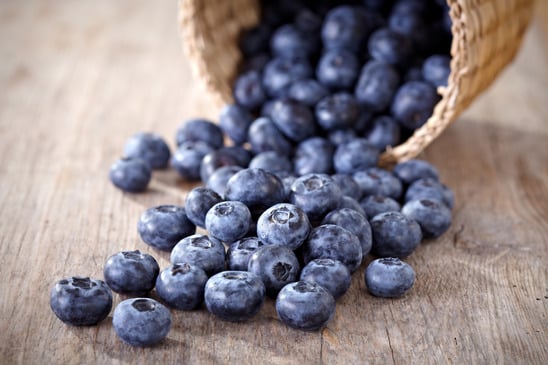
Last weekend our friends gifted us with a bag of fresh blueberries they hand-picked at an East Texas blueberry farm. And how incredibly delicious they were! Nothing is as good as fruit fresh from the tree or vine. With July the peak season for blueberries, it’s no surprise that the U.S. Department of Agriculture proclaimed July as National Blueberry Month. Celebrate the month and the sweet goodness of blueberries by purchasing some at their lowest price of the year in your local grocery store or farmers’ market, picking your own at a nearby farm or finding a local Blueberry Festival in your state.

Blueberry Benefits

Blueberries are not only are delicious but also nutritious. With just 40 calories in a half-cup serving, they are packed with anthocyanins, a phytonutrient that is responsible for blueberries’ blue color. Anthocyanins reduce risk factors for arthritis and heart disease, aid in muscle recovery after exercise, help control blood pressure and fight inflammation. In addition, blueberries deliver healthy doses of vitamin C, fiber and manganese.

Buying Blueberries

While blueberries’ peak season is July, you can enjoy them year round by purchasing them frozen. Fruits are frozen soon after harvesting so they retain their peak nutritional value. And berries will keep in the freezer for several months so there’s no food waste. You can even save money by freezing them yourself. When you buy them in season they’re usually at their lowest price.

Eating Blueberries

One of my favorite ways to eat blueberries is stirred into aspartame-sweetened light Greek vanilla yogurt topped with a little crunchy cereal for dessert at lunch. I generally use the frozen kind, slightly thawed in the microwave at 50% power for 45 seconds. Blueberries are also great on dry cereal and oatmeal or blended in a smoothie at breakfast, mixed with cottage cheese as a snack or used as an ingredient in breads, desserts, salads or entrees. Try a low sugar version of Blueberry Pie, a Cucumber, Celery, Blueberry & Pistachio Salad or an entrée like Blueberry and Provolone Stuffed Chicken.

It’s obvious that blueberries are a flavorful and versatile fruit packed with nutrition and health benefits, making it an easy way to boost your intake of fruits and vegetables. So next time you’re in the supermarket or stop at a farmers’ market, be sure to look for these little blue gems to enjoy in a variety of ways.


Neva Cochran
Neva Cochran, MS, RDN, LD 
is a registered dietitian nutritionist based in Dallas. She serves as a nutrition communications consultant to a variety of food and nutrition organizations, including the Calorie Control Council. She is passionate about promoting fact-based food and nutrition information to help people enjoy nutritious eating. Follow her on Twitter @NevaRDLD and check out her blog at www.NevaCochranRD.com.

The post Celebrate Fun, Flavor and Fitness during National Blueberry Month appeared first on Aspartame.


Protected: May 2018

Posted by & filed under Uncategorized.

Calorie Control Council May Digest

CCC’s Monthly Digest serves to inform its members of developments from the previous month concerning topics of interest to the Council. Below are highlights which cover past, current, and on-going regulatory updates, industry & consumer issues, and Council activities from May 2018.

US Policy and Regulatory Updates
  • FDA Menu Labeling Updates
  • FDA Extends Nutrition Facts Label Compliance Dates
  • FDA Moves to Modernize Standards of Identity for Foods
  • Seattle Collects Over 4 Million Dollars from Sugar-Sweetened Beverage Tax
  • Industry Unites in Support of Compensating GRAS Panel Experts
  • Rhode Island Passes Legislation to Ban Advertising of Unhealthy Foods
  • NAFTA Trade Talks Proceed
International Policy and Regulatory Updates
  • Thailand Revises Maximum Use Levels Permitted for Food Additives
  • Japan Decides on GE Labeling Requirements
  • New Zealand Calls Evidence that Sugar Taxes Improve Health “Weak”
  • Canada Seeks to Restrict Sale of Sweetened Alcoholic Beverages
  • Experts Say British Soda Tax May Work Better Than Others
Publication Updates
  • Study Finds Chicory Root Dietary Fiber Improves Bowel Regularity
  • Bipartisan Policy Center Recommends Cutting Sugary Drinks from SNAP
  • Study Published on Industry Tactics to Shift Conversation on Obesity Reduction
  • Analysis Highlights Stigma Caused by Taxing Sugar Sweetened Beverages
  • Study Finds Traffic Light Labels to Improve Children’s Health in Australia
  • Food Navigator Publishes Special Edition Content on Sugar Reduction and Sweeteners
  • Food Navigator to Host Free Webinar on Sweeteners and Sugar Reduction
  • Food & Drink Federation Responds to Junk Food Ad Complaints
International Policy and Regulatory Updates 
  • Singapore Looks to Sugar Substitutes to Combat Diabetes
  • Nordic Countries Publish Joint Protocol for Monitoring Child Marketing Tactics
  • Chile to Implement Final Regulations on Advertising Packaged Foods and Beverages
Council Updates 
  • CCC Attends CCFA50
  • CCC Submits Comments re: Dietary Guidelines for Americans
Communications Updates
  • General Program
  • Working Groups

US Policy and Regulatory Updates

Commissioner Gottlieb Confirms Nutrition is a Top Priority
In a March 1 U.S. Food and Drug Administration (FDA) statement, Commissioner Gottlieb stated, “I’ve made nutrition on of my top priorities” and endorsed the changes made to the Nutrition Facts label (NFL) to help consumers make more informed dietary choices. Gottlieb announced the Agency’s intent to fulfill two key components of successful implementation of the NFL: public education of the new label format and clear, detailed guidance for food manufacturers.

Further, Gottlieb specifically called out added sugars, noting, “We’ve made it our goal to increase consumer awareness of the quantity of added sugars in food products consistent with recent dietary guideline recommendations. The new label also contains the new daily value for added sugars, so consumers can better understand how foods with added sugars can fit into a healthy dietary pattern.”

The statement includes links to several recently-released guidance documents and notes that the Agency’s nutrition strategy will contain “helpful tools to make healthy food choices, including clarity on food label claims, and will create incentives for food producers to manufacture products that are healthier.” In addition, it is noted that the Agency plans to issue a final rule on their proposed NFL compliance date extension to January 2020, later this spring.

Gottlieb Announces Kickoff of FDA Nutrition Innovation Strategy
On March 29, FDA published a constituent update sharing Commissioner Gottlieb’s speech entitled “Reducing the Burden of Chronic Disease” and corresponding anticipated Nutrition Innovation Strategy. This strategy includes implementing Obama era updates to nutrition labels and potential development of a new definition for “healthy.” The Agency will also investigate food health claims and review ingredient listing rules, indicating some definitions may become more flexible and conducive to consumer demand for “clean labels” with fewer, more understandable ingredients. To read more, a Covington alert on the announcement is available here.

Trump Orders Tariffs on Steel, Aluminum Imports
On March 8, the Trump Administration announced a 25 percent tariff on imported steel and a 10 percent levy on imported aluminum to take effect on March 23. Although President Trump initially wanted the tariffs applied worldwide, exceptions were made for U.S. allies including Canada and Mexico.

Days prior to the president’s order, an article on Fortune.com noted that while the policy would hit the auto and aerospace industries hardest, it would also greatly impact businesses that sell products such as soft drinks and candy that rely on aluminum for packaging. However, industry opposition did not prevent the administration from moving forward with the tariffs, after which food and beverage manufacturers still expressed their concerns. As indicated by Politico, the American Beverage Association wrote to Commerce Secretary Wilbur Ross asking for an exclusion on the 10 percent duty.

More recently, the US and China have exchanged threats of tariffs on thousands of products representing billions of dollars in international trade. While the back and forth proposals are just that, some of the products would have tremendous impact on the food industry, including China’s suggested taxes on agricultural commodities such as soybeans and corn.

U.S. Tries to Limit Junk Food Warning Labels in NAFTA Talks
According to a March 20 New York Times article, the Trump administration is using trade talks with Mexico and Canada to try to limit all three countries’ ability to use explicit warning labels on products through warning symbols, shapes, or colors that “inappropriately denotes that a hazard exists from consumption of the food or nonalcoholic beverages.” However, health officials worry that doing so would also impede international efforts to address the growing health crisis of obesity, which has at least doubled in 73 counties since 1980. Many public health officials believe using vivid warnings on foods with high levels of sugar, salt, and fat will help curb the rapid spread of highly processed foods.

A spokeswoman for the United States Trade Representative could not comment on what she called “alleged negotiating documents,” but she said, “The United States supports science-based labeling that is truthful and not misleading.” The article notes that in most cases, trade law allows governments to retain the right to make rules in the interest of public health, but experts say the proposal by the United States appears to be aimed at preventing that. The food and beverage industry is especially keen on Trump’s efforts to head off pressure for more explicit warnings because it could help limit domestic regulation in the U.S. as well as avert a global move to develop mandatory health-labeling standards.

The U.S. proposal conflicts with guidance from Mexico’s National Institute of Public Health (INSP) and the World Health Organization (WHO), which have recommended that Mexico pass regulations to help combat diabetes. Mexico’s Ministry of Health, which is directly involved in the trade negotiations, said it was reviewing the American proposal with the nation’s health authorities. Meanwhile, the article notes, proponents of warning labels including those in Mexico see Chile’s rules as a new standard. Chile’s rules include restrictions on characters used to advertise to children and the most aggressive front-of-packaging warnings. These rules came after a fight led by the U.S. and backed by eleven countries who raised issues with the proposal before the Word Trade Organization (WTO).

Beverage Industry Wants to Block Seattle Soda Tax Statewide
On March 15, a local Seattle news source reported that a group sponsored by the American Beverage Association called “Yes! To Affordable Groceries” submitted language for a statewide initiative on the November ballot that would block local taxes on beverages and other “everyday grocery products.” However, this proposal would not repeal the city’s 1.75 cent-per-ounce tax on sugary drinks. It would only cap existing taxes and block local jurisdictions from following Seattle’s example. The Secretary of State’s Office will review the proposed language and provide input as the initiative is finalized for collection of signatures, 295,622 of which are required for the initiative to get on the ballot.

Yes! To Affordable Groceries is comprised of the Washington Farm Bureau and the Washington Food Industry Association as well as the Korean American Grocers Association and the Joint Council of Teamsters. The group commented, “The Seattle beverage tax and similar measures in Cook County (Illinois) and Philadelphia have hurt the local economy and have directly impacted small businesses.”

FDA Continues to Solicit Comments on Collection of Information on Calorie Labeling in Vending Machines and Nutrition Labeling of Menu Items
In a Federal Register notice published March 28, the U.S. Food and Drug Administration (FDA) announced a proposed collection of information regarding the administrative and public comment processes involved in finalizing the two rules requiring that calorie information be listed on menus and menu boards in chain restaurants and similar retail food establishments and vending machines. Comments are due April 27; the Council does not plan to comment unless otherwise advised by Friday, April 13.

International Policy and Regulatory Updates

Thailand Revises Maximum Use Levels Permitted for Food Additives
On March 20, staff received the attached Notification of the Ministry of Public Health (MOPH) of Thailand (B.E. 2561) which serves to update details of maximum use levels permitted for food additives to align with current available information and increase consumer protection. The document lists maximum use levels for additives in categories which were adopted in 2016 (B.E. 2559). Food categories containing changes to additives (indicated by blue text) must comply with this Notification within two years from the date it comes into force (e.g. 2020).

As the notification is a comprehensive document which includes all approved additives in their subsequent food categories and appears to be aligned with the Codex General Standard for Food Additives, staff is requesting members review the attachment and advise of any specific changes to additives of concern. Comments are being accepted until May 19. If you would like to submit comments, please contact staff by Friday, April 20.

Japan Decides on GE Labeling Requirements
According to a March 20 USDA Constituent Update, Japan will maintain its current identity preservation (IP) system, but will recommend new language be used to identify IP products instead of the previously acceptable “Non-GE” label. Japan’s Consumer Affairs Agency’s Expert Committee also suggested the term “Non-GE” now only be used when GE is non-detectable. Currently, Japan requires the labeling of eight crops and 33 processed food items when a genetically engineered (GE) ingredient is among the top three ingredients in a product and accounts for more than 5 percent of the total product. Proponents of stricter requirements believed the consumers’ right to know supported expansion of labeling requirements to include highly processed products (HPP) and that the current 5 percent threshold should be lowered to European Union (EU) levels, or as low as possible.

Opponents of a stricter standard noted that testing for lower levels of GE ingredients would be costly, if even possible. As there is currently no validated method to verify if the source of HPP is GE or non-GE, regulators would be required to rely on the “social verification” method – the documentation of IP handling. Industry has expressed concern that any change to the non-GE labeling rule would pose a risk to trade, and note that consumer misunderstanding may be due to the lack of public education by government. Therefore, a proposal for new language for IP products and a zero percent threshold for voluntary non-GE labeling was made. Under the new proposed rules, the voluntary use of “non-GE labeling” would still be permissible but only when commingled GE is not detected.

New Zealand Calls Evidence that Sugar Taxes Improve Health “Weak”
A March 1 opinion piece published by a Canadian news source calls into question the strength and credibility of data used to support taxes on sweetened beverages. The article notes that, while in recent years, taxes on sugary drinks meant to fight obesity have been supported by groups in France, Chile, Mexico, the U.S., and Canada, much of the support stems from research conducted by a group of authors from the University of Waterloo who reported in 2017 that a 20 percent tax on sugary drinks would save 13,000 lives, prevent 200,000 cases of diabetes and earn $1.7 billion in annual tax revenue across Canada. However, it is noted that soda consumption fell by approximately 28 calories per day in Canada between 2004 and 2014 before taxes were implemented. Not only that, obesity went up during this time.

The writer notes that last year, the New Zealand Ministry of Health commissioned the New Zealand Institute of Economic Research (NZIER) to study the global body of evidence on sugar and soda taxes. After evaluating almost 50 academic studies published over the past five years, NZIER concluded “evidence that sugar taxes improve health is weak.” According to NZIER, reports like the one from University of Waterloo are relying on “flawed” or exaggerated estimates of price elasticity, and there isn’t enough evidence to even support a “slight causal link” between food and drink taxes and improvements to population health.

Canada Seeks to Restrict Sale of Sweetened Alcoholic Beverages
On March 21, ShaghaiDaily.com reported that following the death of a Quebec teen that was reported to be caused by over consumption of highly sweetened alcoholic beverages, Canada’s food and drug officials have been asked by the country’s Minister of Health to look for ways to restrict the sale of these beverages.

According to news provided by Health Canada, a proposal will be introduced for consultation to amend the Food and Drug Regulations to restrict the alcohol content of single-serve highly sweetened alcoholic beverages. This proposal would apply to all alcoholic beverages that “exceed a certain sweetness threshold, including those that contain artificial sweeteners.”Health Canada encourages industry and all interested parties to provide feedback on the notice of intent by May 8 and is seeking comments regarding:

  • the mechanism by which to restrict the amount of alcohol (this could be achieved by limiting the maximum size of the container or by limiting the percentage of alcohol in a single-serve container); and
  • the sweetness threshold that would trigger the restrictions.

If you would like to submit comments please contact staff by Friday, April 20.

Experts Say British Soda Tax May Work Better Than Others
As reported by the Washington Post on March 21, Britain’s soda tax, which was set to go into effect April 6, has already yielded positive results by inducing industry reformulations. The article notes that the design of the British tax is different from those in Mexico, South Africa, and U.S. cities such as Philadelphia, PA and Berkeley, CA, which were created with the goal of decreasing consumers’ consumption of sugary drinks. The British tax was instead designed to encourage soda-makers to cut the sugar in their products by charging two separate rates based on total sugar content. The lower rate applies to drinks with roughly 12 to 19 grams of sugar per eight-ounce can and is approximately 6 cents per serving. The higher rate is about 8 cents per serving and applies to drinks with more than 19 grams of sugar per can. As a result of this tiered approach, major companies as well as regional soda brands have slashed their total sugars to amounts that fall right beneath the level of the lowest tax. Several companies have also started to refocus their product development efforts on low- and no-sugar beverages. Furthermore, restaurant chains have limited the availability of some drinks and removed full-sugar sodas from self-serve fountains to avoid the tax.

However, industry has argued that the government did not need to implement sugar reduction policies. As cited by the Union of European Soft Drink Associations, the calorie count of the average soda fell 12 percent between 2000-2015 prior to the tax. The article includes a statement from the American Beverage Association which reads “We believe consumers are best served when beverage companies and public health groups work together to help people reduce their sugar consumption and not with taxes that raise prices and hurt working families and small businesses the most.”

While reductions of sugar content in beverages may influence the sugar intake of consumers, it is too soon to say whether these reductions will actually improve public health.

Publication Updates

Study Finds Chicory Root Dietary Fiber Improves Bowel Regularity
On March 7, NutraIngredients-USA published an article highlighting a study backed by a CCC member which found that daily supplementation of 15 g of oligofructose significantly increased stool frequency per week. The study, which was published last December in Nutrients, looked at adults aged 18 to 65 years who consumed a routine diet containing 50 percent or less of the recommended dietary fiber intake. By the end of the study, there were no changes in bowl movements per week in the placebo group, but increased in the experimental group, with the most significant difference noted when consuming 15 g per day. The study’s lead researcher reports, “A daily supplementation with oligofructose not only increased dietary fiber and significantly improved bowel regularity but also did so without causing gastrointestinal distress.”Though the article does not note this, the above finding is an argument against proponents of the low FODMAP diet, which advertises that fermentable oligosaccharides, disaccharides, monosaccharides and polyols cause digestive discomfort.

Bipartisan Policy Center Recommends Cutting Sugary Drinks from SNAP
Last month the Bipartisan Policy Center (BPC) released a report entitled “Leading with Nutrition: Leveraging Federal Programs for Better Health” which provides recommendations from the BPC Supplemental Nutrition Assistance Program (SNAP) Task Force. Of the seven recommendations to prioritize nutrition, number two is to eliminate sugar-sweetened beverages from the list of items that can be purchased with SNAP benefits. Under this recommendation, it is advised that the agriculture secretary, in consultation with the health and human services secretary, produce a careful and precise definition of sugar-sweetened beverages to remove from the list of items that can be purchased with SNAP benefits. However, the report does not include specific recommendations on whether or how to address beverages containing alternative sweeteners.

Study Published on Industry Tactics to Shift Conversation on Obesity Reduction
As reported by Food Chemical News (subscription required), the Journal of Epidemiology and Community Health (JECH) published a paper on March 15 which takes aim at science organizations and the tactics a member company employed in 2014 in response to growing concerns over obesity. The paper is based on information uncovered by the watchdog group U.S. Right to Know (USRTK) and highlights the company’s actions to fund the Global Energy Balance Network (GEBN), a non-profit organization set up by the company themselves to help broaden the conversation to include alternative causes of obesity other than caloric intake. The paper seeks to provide an inside view on the way the company laid out plans for GEBN before the group was formed and was co-authored by academics from University of Oxford, the London School of Hygiene and Tropical Medicine, Bocconi University in Milan, Italy and the California-based U.S. Right to Know. It analyzes the company’s 2014 plans to use the group to 1) re-frame the debate on obesity “as a matter of addressing ‘energy balance,'” 2) portray the organization as “honest broker,” and 3) promote one-sided obesity reduction strategies, and argues that the tactics were part of an overall strategy aimed to advance corporate interests and not public health goals.

The article notes that the company later recognized the issues surrounding the creation of GEBN. In 2015, the company’s CEO stated, “it has become clear to us that there was not a sufficient level of transparency with regard to the company’s involvement with the Global Energy Balance Network.” Later, in 2016, the company adopted new guiding principles for providing financial support to scientific research.

Analysis Highlights Stigma Caused by Taxing Sugar Sweetened Beverages
As reported by EurekaAlert!, the Canadian Medical Association Journal (CMAJ) published an analysis on March 19 entitled “Sugar-sweetened beverages as the new tobacco: examining a proposed tax policy through a Canadian social justice lens.” The analysis highlights other lessons learned from the outcome of the tobacco tax, which included the promotion of inequity and stigma, including racial stigma, among already-marginalized populations. It is noted that people of low socioeconomic status and Aboriginal populations in Canada consume more sugar sweetened beverages (SSB) than the general population and have higher rates of obesity and diabetes. However, sweetened coffee drinks, which are mainly consumed in areas where people of higher socioeconomic status live or work, are not being targeted for taxation, despite their increasing consumption and comparable sugar and calories. For these reasons, the authors suggest policymakers involve Aboriginal people in developing taxation policies around sugar-sweetened beverages.

Study Finds Traffic Light Labels to Improve Children’s Health in Australia
As reported on March 19 by Food Navigator, new research shows the positive outcome of labeling measures introduced in Western Australia ten years ago. The measures require school menus to be comprised of a minimum of 60 percent ‘green’ healthy choices, a maximum of 40 percent ‘amber’ choices, and no ‘red’ unhealthy foods. This traffic light system applies to foods permitted to be sold, used for classroom rewards or supplied at school-run events. A follow-up study found that 85 percent of respondents believed that the foods offered to school children were healthier after the introduction of the traffic light system, and 90 percent felt it provided a valuable opportunity to teach children about healthy eating. The research, which was published in Public Health Nutrition, can be viewed here.

This research may also provide support for proponents of India’s draft regulations entitled “Food Safety and Standards (Safe and Wholesome Food for School Children) Regulations, 2018” which would make color-coded traffic light labeling similar to Western Australia’s requirements mandatory for all food products sold in school vending machines and cafeterias.

Food Navigator Publishes Special Edition Content on Sugar Reduction and Sweeteners
On March 31, Food Navigator launched its page entitled “Special Edition: Sugar reduction and sweeteners.” The articles featured touch on the latest market developments, evolving political and regulatory landscape, technical challenges in reformulation, and consumer research.

Food Navigator to Host Free Webinar on Sweeteners and Sugar Reduction
Food Navigator will be hosting a “Sweeteners and Sugar Reduction Live Forum” on Wednesday, April 18 at 11:30 am US ET. Manufacturers, formulation experts, nutritionists and market researchers will discuss ideas and options for reducing the sugar content of foods and beverages. The webinar is free to attend and is sponsored by several CCC member companies. To register, click here.

Food & Drink Federation Responds to Junk Food Ad Complaints
As reported by Food Manufacture on March 19, the Food & Drink Federation (FDF) responded to current pressure over unhealthy advertisements stemming from a January 2018 report published by Cancer Research UK entitled “New Evidence on TV Marketing and Junk Food Consumption Amongst 11-19 Year Olds 10 Years After Broadcast Regulations” which found that teenagers were twice as likely to be obese if they could remember seeing a junk food advertisements every day. Since the report, more restrictions have been placed on advertising but some say these restrictions are not enough, and are pushing for a ban on junk food ads after 9pm to be included in the UK Government’s Obesity Strategy. FDF commented that the UK already has some of the tightest restrictions supported by industry on advertising to children in the world. For example, in July of 2017, industry voluntarily extended advertising restrictions for television to all non-broadcast channels as well. An FDF spokesperson defended industry noting “Many companies go even further than this, developing their own responsible marketing guidelines and making voluntary commitments.”

Council Updates

CCC Attends CCFA50
CCC staff and members attended the 50th session of the Codex Committee on Food Additives in Xiamen, China, March 26-30. While the majority of sweetener-related items centered on steviol glycosides, the meeting ended on a very positive note, with the US and EU delegations agreeing to form an electronic Working Group to consider solutions to addressing barriers caused by Note 161 on sweeteners.

Thank you to all who provided feedback on and support for CCC positions. Staff will circulate a summary report of the meeting later this month.

CCC Submits Comments re: Dietary Guidelines for Americans
On March 30, CCC submitted comments in response to the US Department of Agriculture and Health and Human Services (USDA/HHS)’s call for comments on topics and supporting scientific questions to inform their development of the 2020-2025 Dietary Guidelines for Americans (DGAs).

Communications Program

General Program

Working Groups

  • Sucralose:
    • Staff is continuing to promote Dr. Craig Johnston’s presentation “Finding the Answers to Childhood Obesity” at the Texas Academy of Nutrition and Dietetics Annual Conference (Houston, Texas) on Friday, April 13, 2018. A recap of the study was included in the Texas Academy’s March newsletter.
    • Staff addressed two studies of interest to sucralose. With regard to the study alleging links between sucralose and ileitis, and in response to SmartBrief coverage of the study, the Council ran an ad in the Nutrition and Dietetics’ EatRight Pro SmartBrief (Academy of Nutrition and Dietetics) on March 21 promoting the CCC statement. The statement not only highlighted the misinterpretation of gut inflammation by researchers but also highlighted another finding of the study — that Splenda does not impact glucose or worsen gut inflammation. With regard to the embargoed press release and presentation at the Endocrine Society meeting on research alleging low-calorie sweeteners (LCS) such as sucralose may predispose individuals to diabetes, CCC ran several ads in the EatRight Pro SmartBrief: March 20 promoting the benefits for diabetics and — upon seeing SmartBrief’s coverage of the study — March 26 and March 27 directly addressing the study. In addition, CCC ran in the March 20 issue and the March 27 issue of DiabetesPro, implementing the same messaging strategy and timing. These ads resulted in the following metrics:
      • The ads received 230,000 views from registered dietitians and diabetes educators; these audiences saw Council messages about the safety of LCS, the studies, and benefits for diabetics.
      • 3,400 went further and clicked over to the Council statements and safety pages on CalorieControl.org.
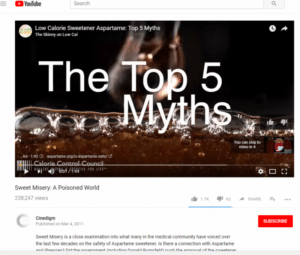
  • Aspartame: Staff promoted the “Aspartame Myths” video utilizing YouTube Instream Ads, earning more than 8,000 impressions and 2,000 views in one week. An example of an Instream Ad is below – the Aspartame Myths video plays before viewers can watch “Sweet Misery – A Poisoned World”, an anti-aspartame documentary.


Sensory Analysis and Mathematical Modelling Drive Improved Stevia Taste

Posted by & filed under Media Room, Stevia.

Dr. John Fry, international-acknowledged expert on high-potency sweeteners, presented “Application and Innovation in Stevia and Taste Development: Improved leaf extracts from advanced sensory study” at the International Union of Nutritional Sciences (IUNS) International Congress of Nutrition (ICN), held in Buenos Aires, Argentina October 15-20, 2017. Discoveries he described are now helping to create today’s stevia sweeteners with greatly improved taste. Read on as Dr. Fry explains important research findings, in addition to more on advances made in the taste profile of one of the fastest growing sweeteners today.

BY: Dr. John Fry

Key Takeaways:
• Multiple ways to characterize and develop unique steviol glycoside blends for superior taste
• Using sensory analysis and mathematical modelling as tools to guide blend choice
• Optimized blends deliver superior taste with deep sugar reduction in both model systems and key applications

Charting earlier uses of stevia in consumer products

In 2008, the first commercial steviol glycoside sweetener in Western markets was high purity rebaudioside A (reb A). This was widely thought at the time to be the best-tasting of the main leaf glycosides. It was soon apparent that reb A – and other steviol glycosides also had non-sweet side tastes. Typically described as bitter or liquorice, these were particularly noticeable at higher usage levels. Such challenging taste qualities, coupled with the relative expense of reb A, threatened to limit the use of this new ingredient.

Meanwhile, in using lower purity stevia leaf extracts such as RebA-80 (80% purity) manufacturers discovered that they could taste better than pure Reb A (e.g., RebA-99, Reb 97). This lead to the investigation and greater understanding of the minor steviol glycosides and their contribution to the taste of stevia.

Approach I

The first study used highly purified individual steviol glycosides. Eleven compounds were assessed for attributes such as taste recognition threshold and sweet and bitter concentration-response curves.

Ultimately, three concentration-response curves were measured for each glycoside: sweetness referred to sucrose, bitterness referred to caffeine, and liquorice referenced to a standardised liquorice extract – the first time the latter two calibrations had been attempted for steviol glycosides.

The enormous program of tasting demanded high-throughput sensory methods. These involved a body of about 100 trained panellists who, working over two years, carried out difference, descriptive, threshold and quantitative work.

Identifying a superior taste profile

The resulting concentration-response data were the first input to a predictive mathematical model. Once individual glycosides had been assessed, binary mixtures were created and tested again, this time particularly looking for synergistic interactions that might enhance sweetness and/or reduce the undesirable side tastes. Ternary and higher order mixtures were similarly investigated.

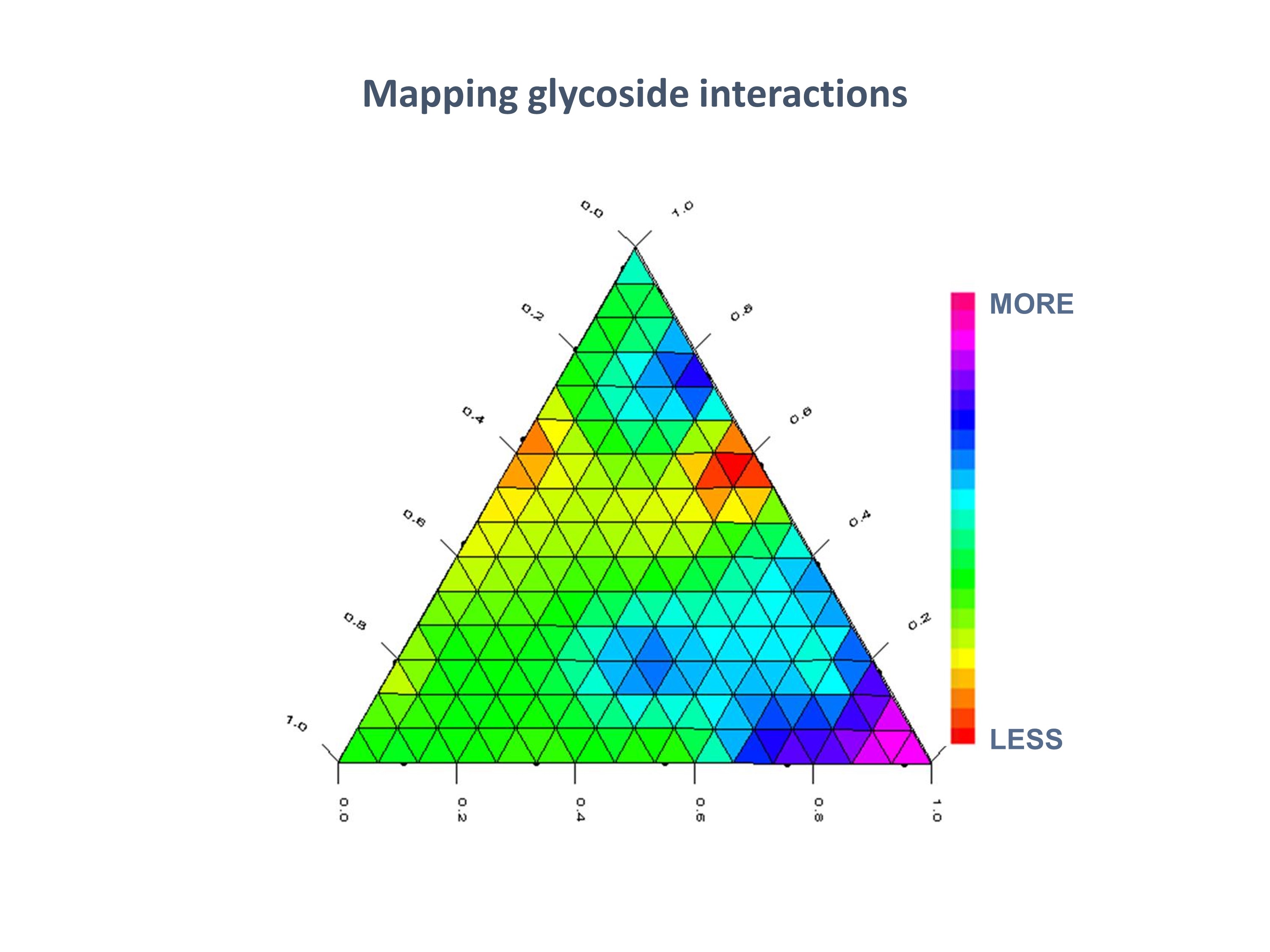
The resultant refined model helps identify glycoside mixtures of superior taste. For example, one output is color-coded “maps” showing all possible combinations of various glycosides, and highlighting those areas where sweetness is enhanced or undesirable side tastes reduced.

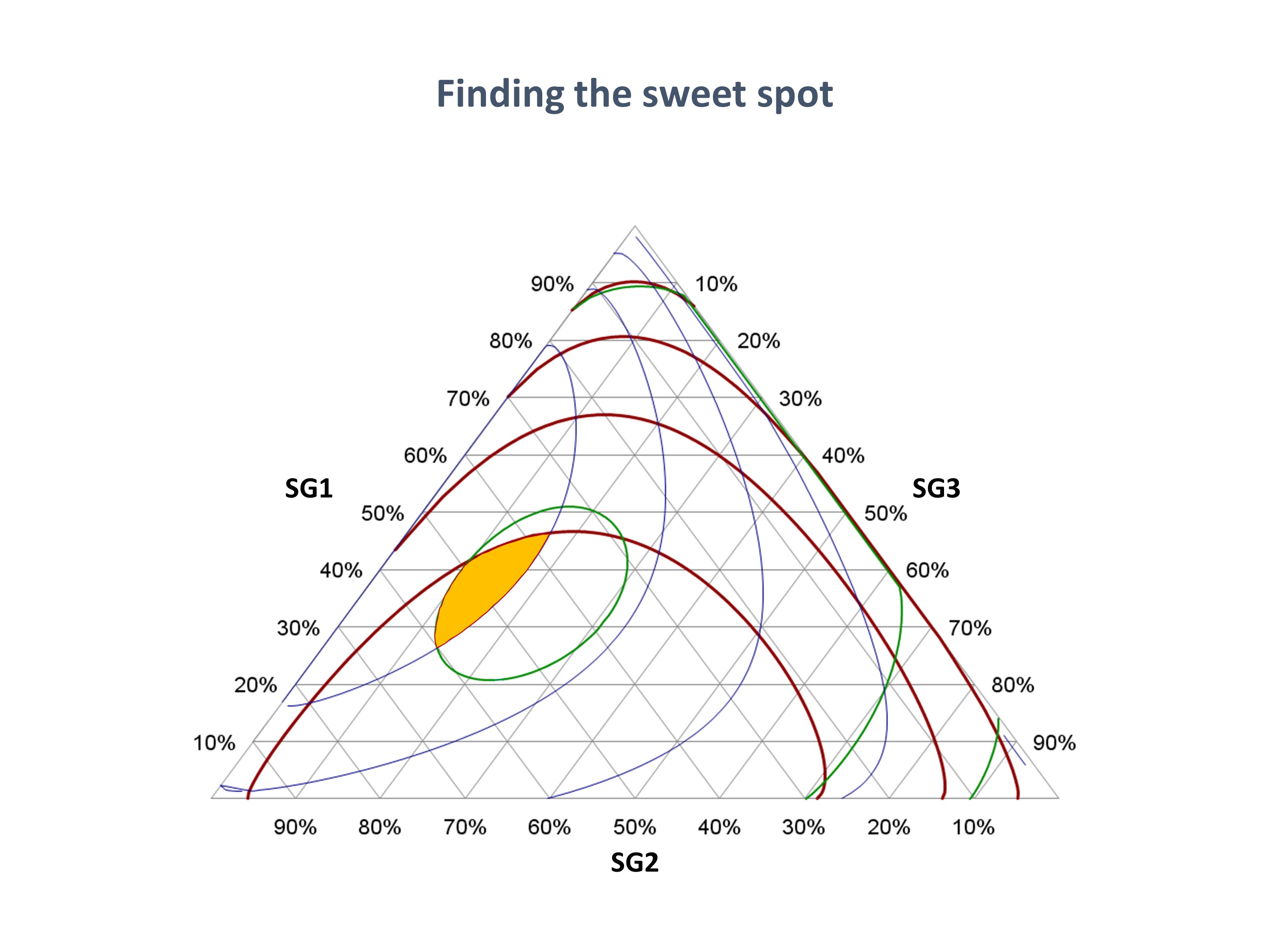
These model visualisations have further uses. Similar to geographical mapping, taste contour lines can be drawn. The “finding the sweet spot” chart shows three such plots, one each for sweetness, bitterness and liquorice, overlaid on each other. The easily-seen highlighted area predicts the glycoside compositions with maximum sweetness intensity and minimum side tastes.

Source: Carlson et al Cargill Inc, US Patent application 20150237898

The approach is not limited to three-way blends, but the picture becomes more complicated as more components are added. Ultimately, two-dimensional visualisation of more than four-component blends becomes impossible, and the output of the model is then still as valuable but purely mathematical.

By combining contour plots in this way, the very large and complex array of potential mixtures could be reduced to a small number of blends likely to exhibit the very best taste properties. The model was first validated by comparing its predictions with the properties of some known blends. For example, the model correctly predicted the identical sweetness concentration response curves of reb A and RA80. Other glycoside blends also performed as predicted.

Source: Carlson et al Cargill Inc, US Patent application 20150237898

Helping Reduce Sugar by 75% While Keeping Taste Quality

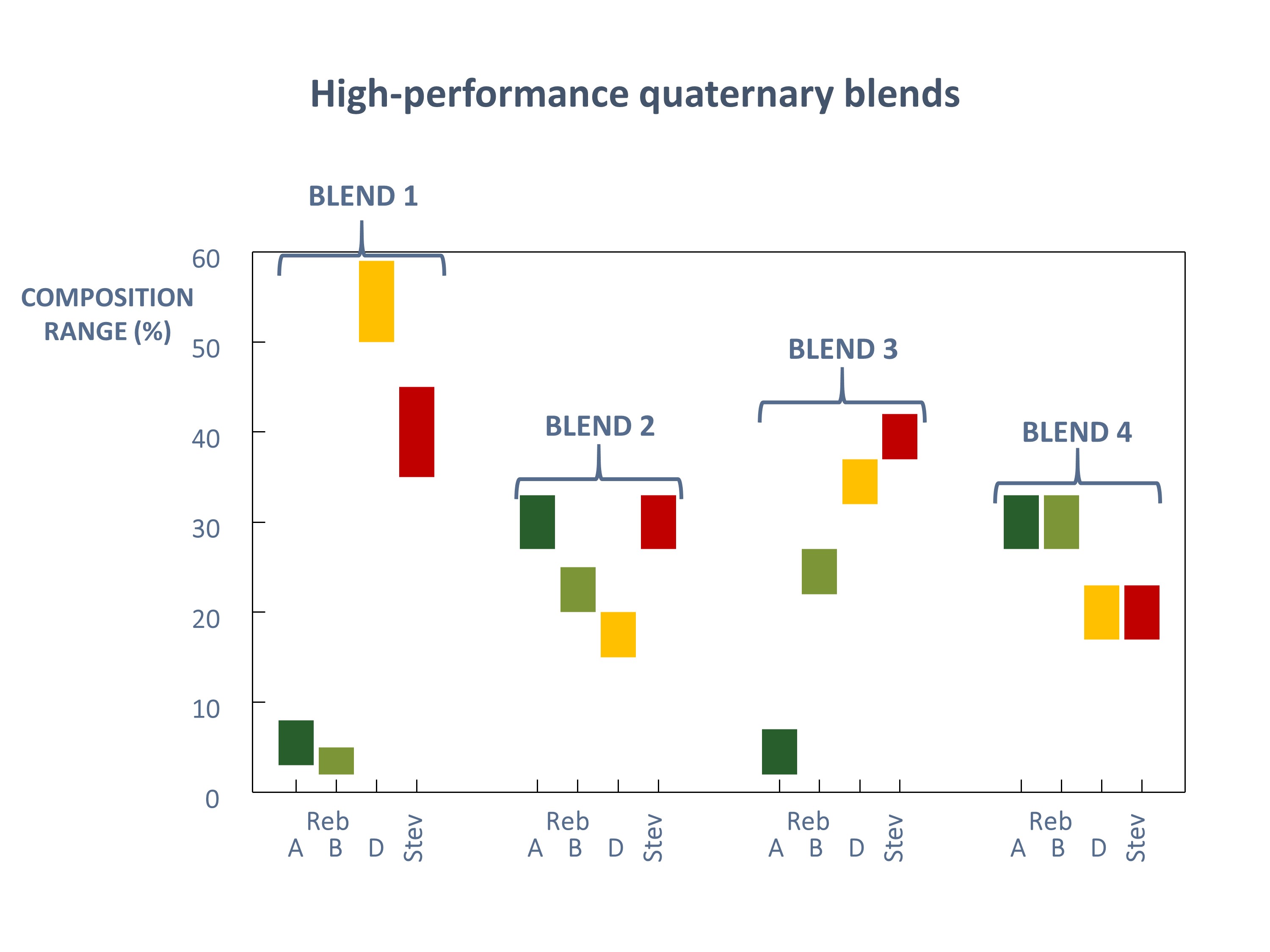
Subsequently, using the indications of the model, glycoside blends of potentially superior taste quality were identified and their taste properties verified. Several high-performance quaternary blends were found.

Some of these synergistic extracts have been commercialised. To produce them, there is no need to isolate the individual glycosides as was done for the research. Instead, different leaf extracts are carefully analysed and combined to give the key glycosides in the correct ratios.

Source: Connect Counseling based on data from Carlson et al Cargill Inc, US Patent application 20150237898

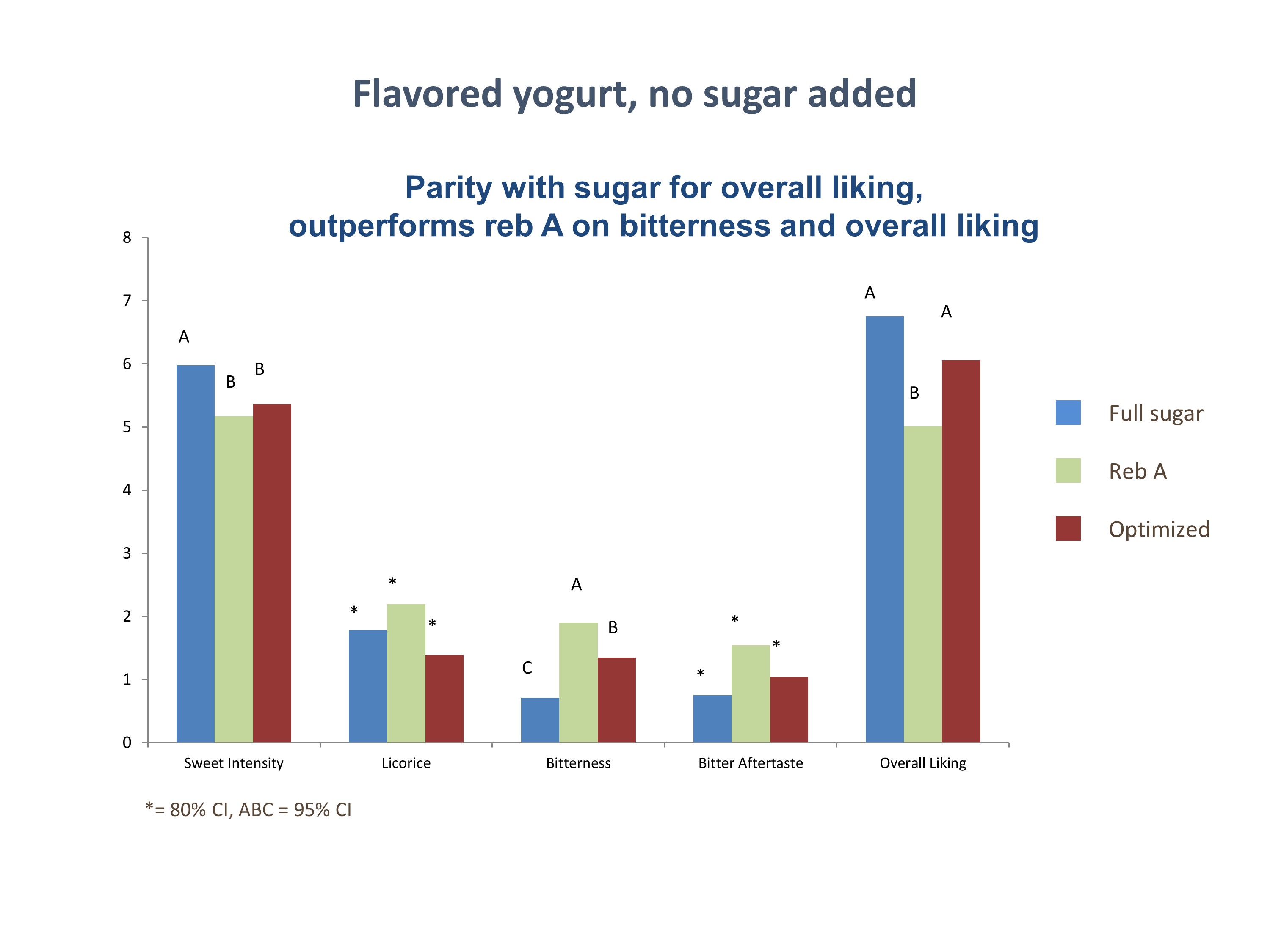
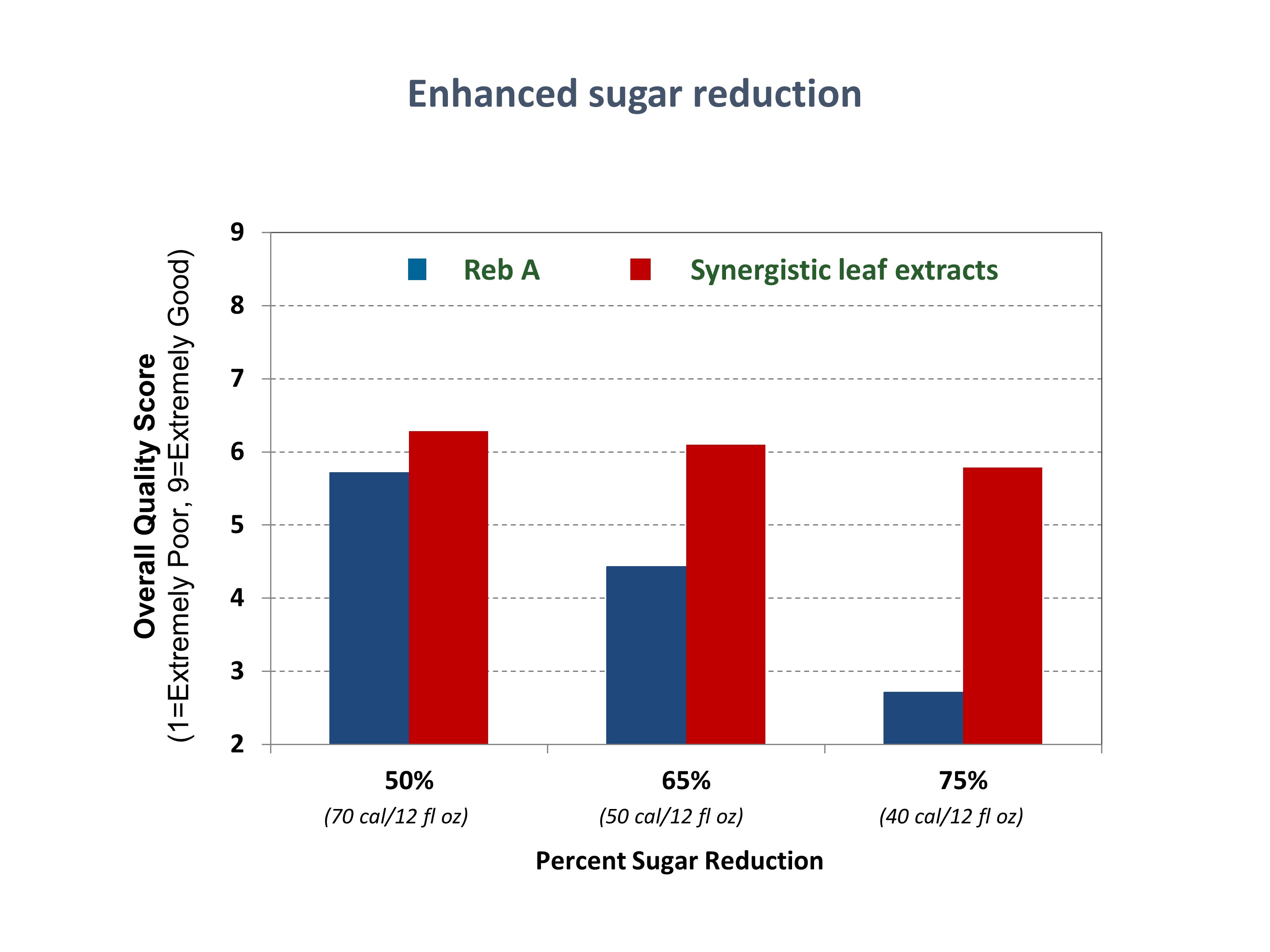
Such extracts have much reduced side tastes – so they can be used in higher concentrations, permitting greater levels of sugar reduction. For example, in a lemon lime carbonated soft drink, the maximum acceptable sugar reduction was about 50% with reb A. In contrast, a synergistic leaf extract could be used to achieve 75% sugar reduction with little change in quality.

Source: Carlson et al Cargill Inc, US Patent application 20150237898

Approach II

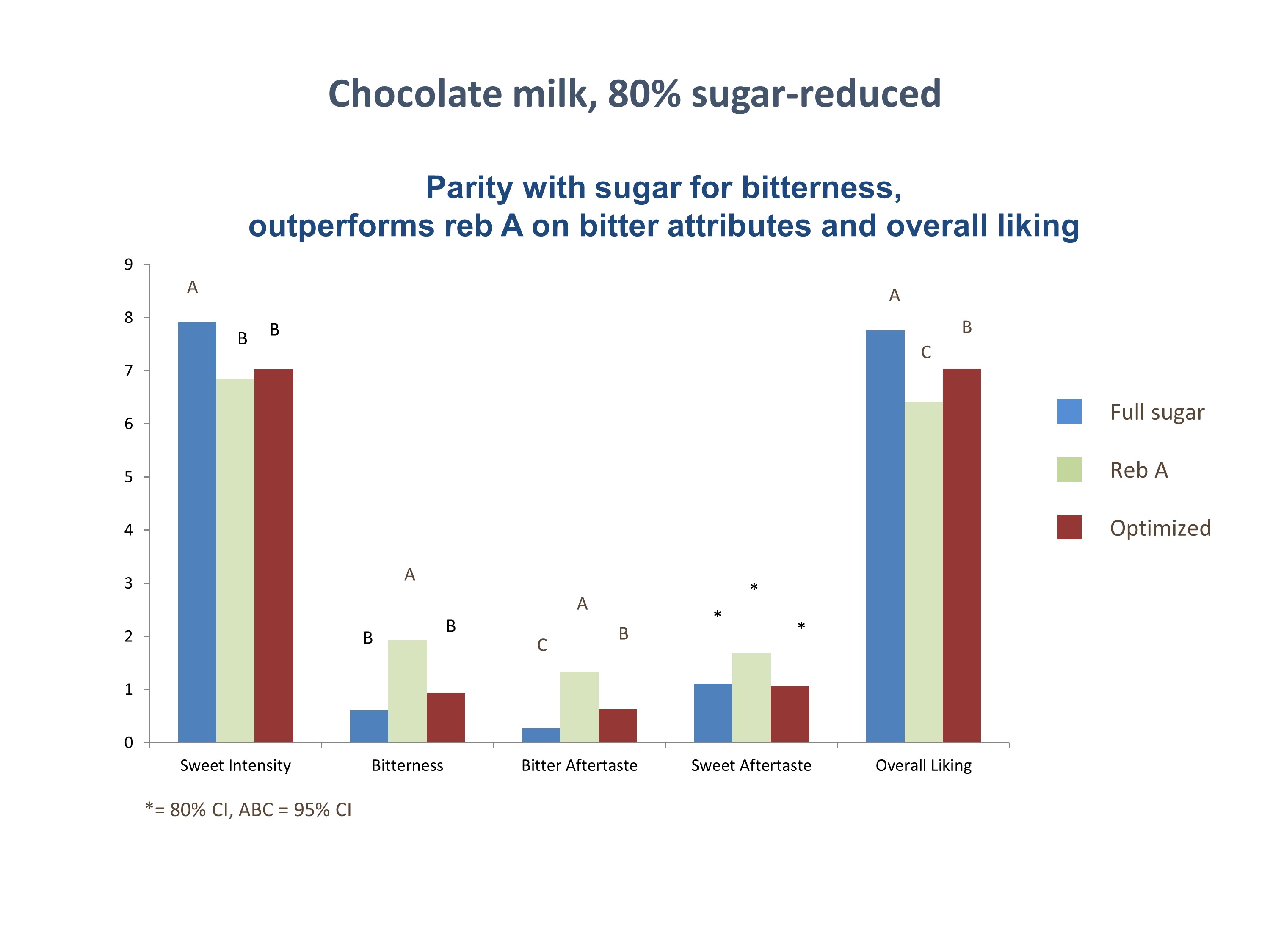
In an alternative approach, a design of experiment platform was used to first screen leaf extracts of single and combination steviol glycosides in specific applications. The data from this screening was applied to determine the optimal combination of glycosides to achieve the sweetness and sensory attributes closest to target taste profile. A descriptive analysis panel provided a description of key sensory attributes of the experimental design prototypes in finished food and beverage application and statistical significance of attribute difference was determined. Principle component analysis (PCA) was used to visually compare the control prototype to the optimal and design samples.

The optimized blend of glycosides identified by the design of experiment platform outperformed Reb A as predicted in the model. In the examples below, the deep sugar reduced chocolate milk and no sugar added yogurt performed best with the optimized blends. These solutions both showed a significant improvement in bitterness and overall liking compared to the single glycoside, Reb A.

Caption: PureCircle Proprietary Research

In Conclusion

These studies show substantial investment in sensory and mathematical analysis has driven the development of today’s synergistic mixtures of steviol glycosides with superior taste that allows greater sugar reduction than ever.

For more information about stevia, contact the International Stevia Council or the Calorie Control Council.

About Dr. John Fry

John Fry is an internationally-acknowledged expert on high-potency sweeteners. Since 1997 he has directed Connect Consulting, one of the world’s foremost technical resources for sweetener manufacturers and users. He speaks and trains widely on sweeteners, sweetness and calorie-control.

Previously, John was Director of Scientific & Technical Services at Holland Sweetener Company, before which he managed the Science Group at Leatherhead Food Research.

John has a BSc and PhD in Food Science from Leeds University. He is also a Chartered Chemist and holds Fellowships of the Royal Society of Chemistry, the Institute of Food Science & Technology and the British Society of Flavourists.

The International Stevia Council and the Calorie Control Council sponsored Dr. Fry’s presentation.
@Copyright 2017 – 2018

The post Sensory Analysis and Mathematical Modelling Drive Improved Stevia Taste appeared first on Steviabenefits.org.


faq2Do you have questions about low-calorie sweeteners? Want to learn more about maintaining a healthy lifestyle? You asked and we listened. Our resident Registered Dietitians answered the most popular questions about low-calorie sweeteners.

Media Contacts

For media inquiries please reach out to any of the below contacts: