National Diabetes Month November 2018 – A Statement from the Calorie Control Council

Posted by & filed under Diabetes/Blood Sugar Management.

Recognizing the escalating rates of diabetes worldwide and acknowledging the central role a healthy diet can play in managing diabetes, the Calorie Control Council (CCC) strongly supports global efforts to increase awareness of the risks and complications associated with developing diabetes as well as strategies for preventing or managing the disease during National Diabetes Month. According to the International Diabetes Federation (IDF), over 425 million people are currently living with diabetes, and this number is expected to rise to 522 million by 2030. As a global association representing low- and no-calorie sweeteners (LNCS) and products, which have been shown to help patients manage diabetes and reduce the risk of developing type 2 diabetes, CCC has a significant part to play in this fight, by communicating the role of LNCS products in a healthy diet

While diabetes is the focus every year during the month of November, lack of awareness of the prevalence of diabetes and the importance of risk-reduction strategies remains a significant challenge to be addressed year-round, both in the US and abroad. Of the over 425 million living with diabetes, only half of them have been diagnosed. Although several factors, including genetics, contribute to type 1 and type 2 diabetes, IDF research notes that 80% of cases of type 2 diabetes are preventable through the adoption of a healthy lifestyle, which incorporates diet, exercise and weight management. In addition, while type 1 diabetes is an autoimmune disease and cannot be prevented, managing blood sugar levels is equally as important in both type 1 and type 2 diabetes in order to avoid short and long-term complications.

There are differences between type 1 and type 2 diabetes, but both require significant emotional support, health education, and resources. As those with diabetes can attest, there is no quick and easy fix to achieving good blood sugar levels, and managing diabetes all day, every day can feel like a full time job in itself. In order to achieve and maintain good blood glucose control, healthy lifestyle choices must be sustainable over time. Low- and no-calorie sweeteners are tools that help people with diabetes to select and enjoy foods that they would otherwise not freely be able to, without affecting blood glucose levels or causing blood sugar spikes after consumption. Since these sweeteners provide few-to-no calories, they can also safely support weight loss and management.

The 2018-2019 theme for the IDF’s World Diabetes Day and National Diabetes Month is “The Family and Diabetes.” This two-year timeframe was chosen to raise awareness of the impact that diabetes has on the family and support network of those affected, and to promote the role of the family in the management, care, prevention, and education of diabetes. CCC stands by families impacted by diabetes and is committed to continuing to provide food and beverage options for diabetes patients. Further, CCC commends the families and friends who play an active role in addressing modifiable risk factors for type 2 diabetes, and who are encouraging proper foods, beverages, and physical activity for healthy blood sugar control amongst those with type 1 or type 2 diabetes.

For more information on the role of low- and no-calorie sweeteners in the diets of those with diabetes, click here.


Low and No Calorie Sweeteners, Glycemia and Diabetes: What Does the Science Say?

Posted by & filed under Aspartame, Health Care Professionals.

Neva Cochran, MS, RDN, LD –

November 1, 2018

Setting the Stage
Replacing sugar with low and no calorie sweeteners (LNCS) is a practical way to reduce carbohydrate intake to potentially help those with diabetes better manage blood glucose levels and facilitate weight loss. (1) It also creates more flexibility in the diet to accommodate personal preferences and satisfy sweet cravings.

There are claims circulating that LNCS can actually raise blood glucose levels and promote diabetes. However, these claims are based on studies in rats and mice. Although these studies suggest low-calorie sweeteners may alter intestinal microbes that lead to glucose intolerance and an increased risk of Type 2 diabetes, rodents are not humans and the research is too preliminary to change current recommendations on sweetener use in people with diabetes.

State of the Science
On the other hand, a review of the research finds substantial support for the use of LNCS in the management of diabetes. Consider the results of the seven studies published over the last thirty-two years summarized here.

  1. A 12-week study in 47 normoglycemic males consuming approximately 333 mg encapsulated sucralose or placebo 3 times/day at meals found no effect on blood glucose control. All glucose, insulin, C-peptide and HbA1c levels throughout the study were within normal range with no statistically significant differences between sucralose and placebo groups. (2)
  2. A meta-analysis of 29 randomized controlled trials with 741 total participants evaluated the glycemic impact of aspartame, saccharin, steviosides and sucralose. LNCS consumption did not increase blood glucose levels, and glucose gradually declined following LNCS consumption. There was no difference in glycemic impact by type of sweetener. And the changes in blood glucose levels in those with type 2 diabetes were lower at 1–29 minutes, 150–179 minutes and 180–210 minutes after LNCS consumption compared to those without diabetes. (3)
  3. Researchers assessed the effect of daily aspartame ingestion on glycemia at levels of 0, 350 or 1050 mg aspartame per day consumed in beverages with 100 subjects for 12 weeks. Results demonstrated no group differences for blood glucose at baseline or week 12. (4)
  4. A Japanese study evaluated aspartame’s effect on blood glucose administered orally to normal controls and 22 patients with untreated diabetes and seven controls without diabetes. Administering of a single dose of 500 mg. aspartame (equivalent to 100 grams of glucose in sweetness) did not increase blood glucose. Instead, a small but significant decrease in blood glucose was noticed 2 or 3 hours after administration. The decrease in blood glucose was found to be smallest in the control and became greater as the diabetes increased in severity. (5)
  5. Another study was conducted by the same Japanese researchers above. In 9 hospitalized patients with diabetes under steady-state glycemic control, the researchers determined the effects of eating 125 mg aspartame (equal in sweetness to 1.5 – 2.5 Tbs. sugar) in no-calorie gelatin daily for 2 weeks. Fasting, 1-hour and 2-hour postprandial blood glucose levels were unaffected. (5)
  6. In a multicenter double-blind study, subjects with type 2 diabetes received either placebo (cellulose) capsules or 667 mg of encapsulated sucralose) daily for 13-weeks (7.5 mg/kg/day, approximately three times the estimated maximum intake). There were no significant differences between the sucralose and placebo groups for HbA1c, fasting plasma glucose or fasting serum C-peptide changes from baseline. (6)
  7. Finally, in a systematic review of the nutritional benefits and risks of LNCS, the authors concluded that the vast majority of studies do not show any acute effects of LNCS intake on blood glucose or insulin concentrations measured on an empty stomach or after a test meal, in subjects with or without diabetes. (7)

Applications for Practice
In their Standards of Medical Care in Diabetes (8), the American Diabetes Association states that LNCS may be an acceptable substitute for nutritive sweeteners for people with diabetes who are accustomed to sugar-sweetened products when consumed in moderation noting that these sweeteners do not appear to have a significant effect on glycemic control.

In conclusion, this review of the evidence in humans does not support the assertion that LNCS promote glycemia and the development of diabetes. It is reassuring to know that low and no calorie sweetened foods and beverages are another tool people can use as part of a nutrient-rich eating plan to help them manage diabetes and promote overall health.

  1. ”The Role of Low-calorie Sweeteners in Diabetes” US Endocrinology 9:13-15, 2013
  2. “A 12-week randomized clinical trial investigating the potential for sucralose to affect glucose homeostasis” Regul Toxicol Pharmacol 88:22-33, 2017
  3. “Glycemic impact of non-nutritive sweeteners: a systematic review and meta-analysis of randomized controlled trials” Eur J Clin Nutr 72:796, 2018
  4. “Aspartame Consumption for 12 Weeks Does Not Affect Glycemia, Appetite, or Body Weight of Healthy, Lean Adults in a Randomized Controlled Trial” J Nutr 148:650, 2018
  5. “Glucose tolerance, blood lipid, insulin and glucagon concentration after single or continuous administration of aspartame in diabetics” Diabetes Res Clin Pract 2:23,1986
  6. “Lack of effect of sucralose on glucose homeostasis in subjects with type 2 diabetes” J Am Diet Assoc 103:1607, 2003
  7. “Review of the nutritional benefits and risks related to intense sweeteners” Arch Public Health 73:41, 2015
  8. “Lifestyle Management: Standards of Medical Care in Diabetes – 2018” Diabetes Care 41(Suppl. 1):S38–S50, 2018

Neva Cochran, MS, RDN, LD is a registered dietitian nutritionist based in Dallas. She serves as a nutrition communications consultant to a variety of food and nutrition organizations, including the Calorie Control Council. She is passionate about promoting fact-based food and nutrition information to help people enjoy nutritious eating. Follow her on Twitter @NevaRDLD and check out her blog at www.NevaCochranRD.com.

The post Low and No Calorie Sweeteners, Glycemia and Diabetes: What Does the Science Say? appeared first on Aspartame.


Managing Diabetes & Carb Counting

Posted by & filed under Aspartame, Health Care Professionals, Lifestyle Articles.

By: Rosanne Rust, MS, RDN, LDN —

Diabetes affects approximately 30.3 million Americans, or 9.4% of the population, according to 2015 data from the American Diabetes Association. Of that 30 million, approximately 1.25 million American children and adults have type 1 diabetes, and another one million have pre-diabetes. It’s estimated that 1 million Americans are diagnosed with diabetes every year.

November is recognized in the United States Diabetes Month. November 14th is recognized around the globe as World Diabetes Day. And these statistics most certainly deserve attention when considering both the prevention and treatment of Type 1 and Type 2 diabetes. Read on to learn more about diabetes, and how carb counting can be used as a tool.

Diabetes Terms at a Glance

Pre-Diabetes
Also called impaired glucose tolerance, pre-diabetes is diagnosed when blood glucose levels are higher than optimal but not high enough to be diabetes. People with pre-diabetes are at higher risk for developing type 2 diabetes, and for heart disease and stroke.
Type 1 Diabetes
Type 1 diabetes is usually, but not always, diagnosed in childhood. It is diagnosed when blood glucose and hemoglobin A1C (average blood sugar over the past 2 to 3 months) results are above normal range. In addition to high blood glucose levels in type 1 diabetes, there is also a lack of insulin produced in the body. Type 1 diabetes requires injecting insulin (using syringes, pens, or an insulin pump) and measuring blood sugar levels (using a glucometer or a wearable device called a Continuous Glucose Monitor (CGM)).
Type 2 Diabetes
Type 2 diabetes occurs when blood sugars are consistently high, due to either insulin resistance or poor insulin response in the body. Type 2 diabetes typically presented in middle aged or older adults, but we are now seeing it diagnosed more in younger people. It sometimes requires insulin, but often is managed with oral medication, diet and lifestyle interventions. Measuring blood sugar levels is also essential for managing Type 2 Diabetes, although it is typically done so less frequently compared to Type 1.

Risk Factors

Risk factors for Type 2 diabetes include family history, being overweight, having high blood pressure, age (being over 45), and metabolic syndrome (overweight, low HDL, high triglycerides). A strong family history of diabetes increases risk as well. The good news is that both types of diabetes can be treated and controlled with lifestyle choices and medication.

Education and Treatment

Certified Diabetes Educators (CDE) are trained to help people with diabetes lead healthy lives by creating a blood sugar management plan and helping them stay on track with it. Registered Nurses and Registered Dietitians often pursue this credential. CDEs have comprehensive knowledge about diabetes prevention, pre-diabetes, diabetes, and diabetes management.

Once diagnosed, it’s recommended that patients meet with a dietitian and CDE who will review the physiology of the disease and its potential complications. They will also educate the patient about lifestyle change, diet, and blood glucose monitoring.

How Many Carbs?

Carbohydrates (carbs) have been blamed for weight gain and diabetes over the past few years, creating confusion over this important nutrient. In many cases, some individuals are avoiding carbohydrates for no reason. Carbohydrates provide energy and many carbohydrate foods deliver important vitamins, minerals, and fiber. In addition – these foods add flavor, texture, and enjoyment to the diet.

How many carbohydrates do people need? This depends on multiple factors and should be prescribed by the CDE. A 140 pound woman requires fewer carbs than a 200 pound man. Carbohydrate needs are calculated based on total energy needs required to maintain a healthy body weight. Depending on the person, their medical and diet history, and their weight and activity level, the carbohydrate prescription may be 40-50% of total recommended calories. For someone requiring 1,800 calories, this would be about 200-225 grams a day. For someone needing 2,200 calories, carbohydrate limits would be 250-275 grams per day. Ideally, these carbs are spaced out through the day (at about 15-65 grams per snack or meal), and also planned to match activity and glucose tolerance.

Carbohydrate Counting

Carbohydrate counting (or carb counting) is a dietary strategy to help people with diabetes track their carbohydrate intake to keep blood sugar levels optimal. It involves tracking the grams of carbohydrates consumed through meals and snacks through the day. A registered dietitian (RDN) can determine how many carbohydrates are needed in the diet depending on calorie needs and activity levels. An RDN or CDE will also help patients plan the amounts needed at each meal or snack.

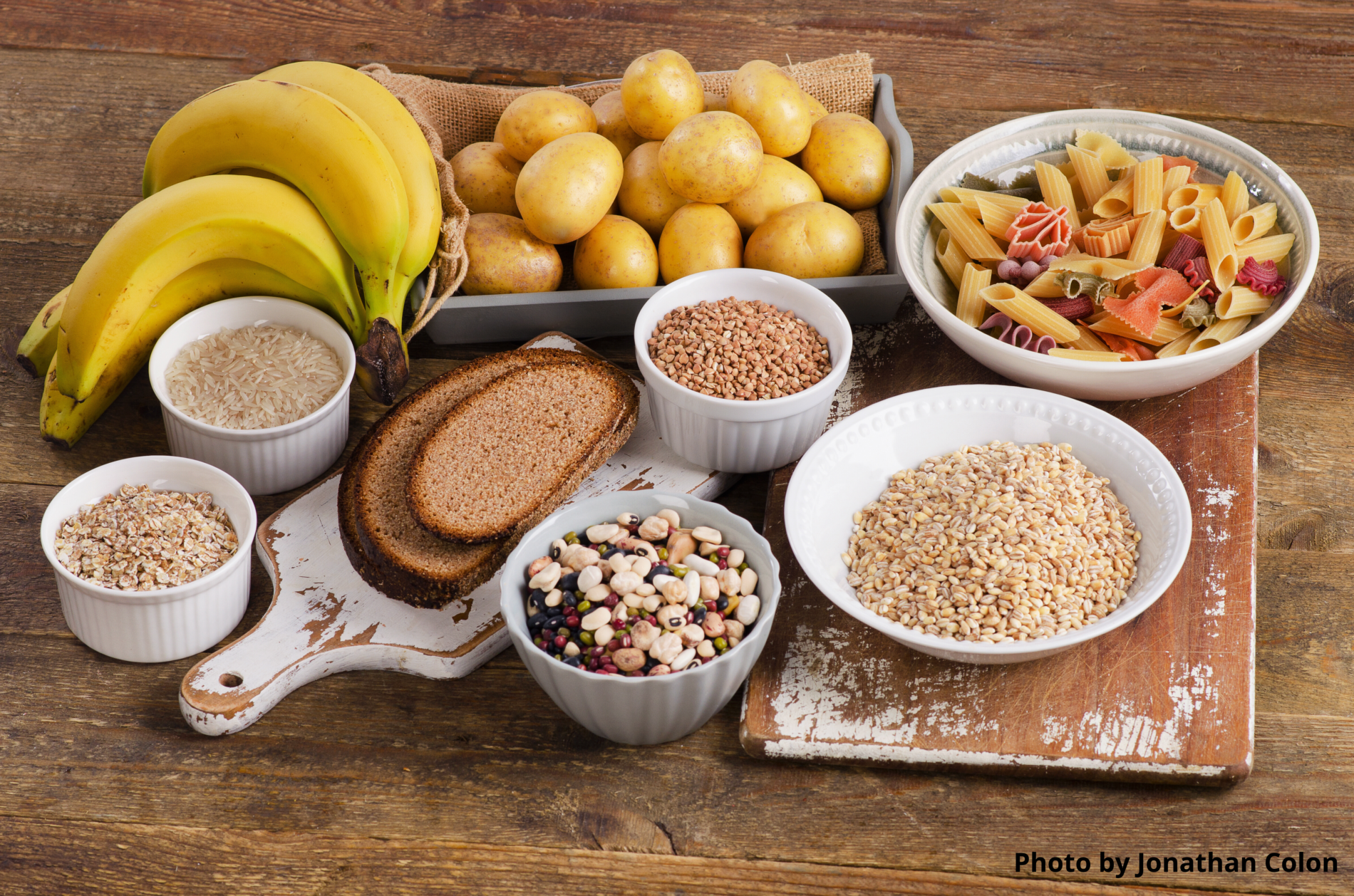
Carbohydrates are one of three macronutrients found in foods and beverages. The other two are protein and fat. Carbohydrates include sugars (simple carbs) and starches (complex carbs). Carbohydrates are found in many foods including breads, cereal, grains, pasta, fruit, vegetables, milk, yogurt, and of course sweets (candy, sugar-sweetened beverages, baked goods and desserts).  Foods such as whole grains, fresh fruits and vegetables are considered complex carbohydrates and contain more nutrients, but since carbohydrates increase blood sugar more rapidly than foods high in protein or and fat, it’s important for those with diabetes to keep track of all of them. Unless a patient is experiencing hypoglycemia, it is usually recommended that simple carbohydrates are avoided for the most part due to their higher glycemic effect.

Managing the amount of carbohydrates consumed at every meal results in better blood sugar management. Many types of foods containing carbohydrate can be included in the meal plan (such as special occasion foods). A unit (or carb-counting serving size) of carbohydrate is generally considered to be 15 grams, and a meal plan may limit carbs to 30-45 grams per meal, or 15-30 grams per snack.

How do Sweeteners Fit?

People with diabetes can still enjoy some foods containing sugar, but they have to be carefully planned into the diet. Overall, high sugar foods and beverages should be strictly limited (this is especially true with sugary drinks, since liquid sugar raises blood sugar levels rapidly). Low- and no-calorie sweeteners (LNCS) can help add sweetness to the diet without the unwanted glycemic effects of caloric sweeteners. For instance, aspartame has no effect on blood sugar, nor on body weight.

Substituting non-caloric sweeteners for caloric ones can also make the diet plan more enjoyable. These include diet soda in place of regular, lemonade or other drinks sweetened with aspartame or another LNCS, light yogurt, sugar free frozen treats, or sugar free pudding. LNCS can also be used to sweeten tea or coffee.

Since LNCS don’t add to the total carbohydrate content of the food or beverage, they can be a very helpful tool for people with diabetes. A newly diagnosed patient who previously enjoyed drinking regular soda or sweet tea will be delighted to hear they can substitute a diet soda or a tea sweetened with aspartame or another LNCS that can be integrated into blood sugar management programs.

Summary

Carbohydrate management is a key component of blood glucose management, and, therefore, it’s important that all carbohydrates are accounted for in a patient’s meal plan. Be sure to refer newly diagnosed patients to a registered dietitian and CDE so your patient will have a blood sugar and meal plan management strategy.  In addition, continue to encourage patients to touch base with their educator whenever they are struggling with their blood sugar levels. Keep in mind, achieving a desirable weight and including daily physical activity also play key roles in diabetes management. The more enjoyable and feasible a diet plan is, the more likely your patients will be able to adopt and adhere to it.

 

Rosanne Rust MS, RDN, LDN is a registered, licensed dietitian-nutritionist with over 25 years experience. Rosanne is a paid contributor to Allulose.org. As a Nutrition Communications Consultant  she delivers clear messages helping you understand the science of nutrition so you can enjoy eating for better health. Rosanne is the co-author of several books, including DASH Diet For Dummies® and the The Glycemic Index Cookbook For Dummies®. A wife, and mother of 3 boys, she practices what she preaches, enjoying regular exercise, good food and festive entertaining. Follow her on Twitter @RustNutrition.

The post Managing Diabetes & Carb Counting appeared first on Aspartame.


Dietary Fiber: Essential for Good Health

Posted by & filed under Featured, Fiber, Lifestyle Articles.

By Keri Peterson, MD —

Dietary fiber is an essential part of our diet and plays an important role for our health.

What is fiber?

Fiber is a type of carbohydrate found in plant foods and grains that our body cannot digest, so it passes through our intestines rather than being absorbed. It can be classified into two different types, soluble and insoluble. Soluble fiber dissolves in water and is fermented by bacteria in our intestines. Insoluble fiber does not dissolve in water and as it goes through our intestines it stays relatively intact.

Health Benefits

Each type of fiber has numerous health benefits and can be found in a variety of foods.   Insoluble fiber promotes movement of food through our intestines and bulks the stool. Bulking the stool helps the bowel to contract and push the stool through the intestines more easily. This can be very helpful for people who struggle with constipation as it promotes regular bowel movements. Insoluble fiber can be found in many foods like wheat bran, whole grains and vegetables like green beans and cauliflower.

Soluble fiber reduces the risk of developing several conditions. It has been linked to a lower risk of heart disease in a number of studies. Additionally, soluble fiber lowers blood cholesterol and reduces the risk of certain cancers like colon cancer and breast cancer. It is of benefit in diabetics as well by lowering blood sugar levels and insulin response. Fiber also aids in weight management as it helps with satiety and allows us to feel full and reducing appetite. Soluble fiber can be found in oats, bran, beans and psyllium fiber.

The Fiber Gap

 The recommended daily intake of fiber is 38 grams per day for adult men and 25 grams per day for women. Yet most of us do not meet these intake guidelines on a daily basis. The under-consumption of fiber compared to the recommended daily intake is what is known as a “fiber gap.” One reason some people do not take in enough fiber is that there is a misconception that it can cause stomach upset or constipation. If you rapidly increase your fiber intake this may happen, so gradually increasing your intake is recommended. Also, be sure to drink lots of water to avoid constipation. Try to eat a variety of fiber containing foods that contain both soluble and insoluble fiber. This will allow you to get all the fiber you need without any uncomfortable side effects.

What You Can Do

To fill your fiber gap eat plenty of fruits, beans, vegetable and whole grains. There are many different forms of fiber. Fiber such as oat beta-glucan can be found in oatmeal while chicory root fiber and inulin is found in cereals and granola. Soluble corn fiber (also listed on ingredient panels as resistant maltodextrin) and Polydextrose are other sources that are added to a wide variety of foods like dairy products, sauces and snacks- just look for them on the label. You can also enjoy many fiber enriched foods such as whole wheat bread and grain cereals.

You can find the amount of dietary fiber in a product on the Nutrition Fact label.  First look for the total carbohydrates on the panel then look below it, fiber will be listed just underneath it because fiber is a type of carbohydrate.  In the right column you will find the percent daily value that the amount of fiber contained in the product represents.  If it is 20 percent or higher then it is a good source of fiber.

Keri Peterson, MD is a medical contributor and columnist for Women’s Health and a frequent guest on NBC’s Today, ABC’s Good Morning America, Fox News and CNN. Based in New York City, Dr. Peterson has been in private practice since 1999 and holds appointments at Lenox Hill Hospital and Mount Sinai Medical Center.  With a BA from Cornell University and a Medical Degree from Mount Sinai School of Medicine, she completed post-graduate training in Internal Medicine at New York’s Mount Sinai Medical Center and is board certified in Internal Medicine. Dr. Peterson is a member of the American College of Physicians and the American Medical Association, and serves as a medical advisor for the Calorie Control Council.



The post Dietary Fiber: Essential for Good Health appeared first on Fiber Facts.


Safety and Benefits of Low or No Calorie Sweeteners

Posted by & filed under Health Professionals, NUGAG, Safety.

October 11, 2018 — By Rosanne Rust MS, RDN, LDN  —

Unlike caloric sweeteners, a low or no calorie sweetener provides consumers with the sweetness they desire without adding calories or carbohydrate to the diet. Many low and no calorie sweeteners (LNCS) have decades of research behind them and multiple benefits for weight loss, use in diabetes management, and health. Sweeteners including saccharin, aspartame, sucralose, stevia, acesulfame potassium (or acesulfame K), and allulose have been studied for safety.

Why?

Why do we need LNCS? Most people are aware that obesity is an issue in the United States, and around the world. Many of the reduced-calorie and light products available to support calorie reductions for weight management or for blood sugar control in diabetes, would not be on the market without LNCS. Reducing sugar in the diet has been shown to help reduce calories, and possibly reduce the risks of disease, including metabolic syndrome – which can lead to diabetes and heart disease risk. LNCS has had a huge impact on many food categories, including sweetened beverages, which can help with overall reduction of sugar in the diet.

Quick Facts

The variety of options on the market today each offer properties that make them appealing to various food categories.

Saccharin is 300-500 times sweeter than sugar, and has been used as a non-caloric sweetener for over a century. In addition to its role as an ingredient to sweeten foods and beverages, it’s also a table top sweetener sold under the brand Sweet n’Low®.

Aspartame is nearly 200 times sweeter than sugar and has a sugar-like taste making it suitable for a variety of products such as beverages and chewing gum. It’s also a table top sweetener and is used under the name brand Equal®.

Sucralose is 600 times sweeter than sugar, and is heat stable.Sucralose sweetens a host of foods and beverages, and is also available under the Splenda® No Calorie Sweetener.

Stevia is a sweetener derived from the plant, stevia rebaudiana Bertoni, to produce stevia leaf extract. It’s 200-300 times sweeter than sugar. This non-caloric sweetener is used as a tabletop sweetener under the brand name Stevia in the Raw® and Truvia.® It can be used in a variety of recipes, and is heat stable.

Acesulfame potassium can be used in beverage mixes as well as carbonated drinks. It’s highly heat stable, making it appealing for many types of products. It can be combined with aspartame and sucralose for an improved taste profile. It’s used in beverages,  a yogurt, ice cream, jams, jellies, baked goods, toothpaste, mouthwash and chewing gum.

Allulose is a low calorie sugar with a clean taste. Since it is absorbed, but not metabolized, it has no effect on blood sugar response.

Since each sweetener has unique food processing characteristics, LNCS are sometimes used in combination. Food manufacturers will experiment with recipes until they produce a product that is acceptable to consumers and has the taste, texture, and appeal of its higher calorie counterpart.

History and Safety

  • Saccharin was discovered over a hundred years ago, and is approved in over 100 countries around the world. Saccharin is a non-nutritive sweetener that is not metabolized by the body (it passes through the body unchanged). Early animal studies that questioned its safety aren’t considered relevant to humans, and even a 14 single-generation animal studies involving several species of animals, saccharin was not shown to induce cancer in any organ, even at exceptionally high dose levels.
  • Aspartame was approved for use in the United States in 1981. According to the U.S. Food and Drug Administration (FDA), “Aspartame is one of the most exhaustively studied substances in the human food supply, with more than 100 studies supporting its safety”. It’s composed of two naturally occurring amino acids (phenylalanine and aspartic acid) and methanol.
  • Stevia has been used for centuries in South America as a tea or sweetener. It’s been used in the US market since the mid 1990s. Stevia is Generally Recognized As Safe (GRAS) by the FDA. It’s also globally approved as safe for use by leading medical and scientific authorities, including the European Food Safety Authority(EFSA) and the Joint Expert Committee on Food Additives (JECFA).
  • Sucralose has been approved for use since 1998, and its safety has been validated by several health organizations, including the FDA, European Food Safety Authority, Health Canada and more.
  • Acesulfame K was approved by the FDA in 1988, extensively studied and also approved by the Joint Expert Committee on Food Additives of the World Health Organization and the Scientific Committee for Food of the European Union. It’s absorbed into the body and passes, unchanged, in urine.
  • Allulose came onto the market in 2015, and is GRAS by the (FDA for use as a food ingredient and in conjunction with other sweeteners.

Common Misconceptions


Weight Loss and Diabetes
Simply consuming LNCS will not promote weight loss, however there’s no data that they contribute to weight gain. Obesity is a complex disorder and treatment should be individualized. LNCS can however help in reduction in the risks associated with obesity, when full-caloric products are replaced with products sweetened with LNCS. A survey of members of the National Weight Control Registry, who have successfully kept weight off, indicated that LNCS helps in weight management. Using low calorie products can help with both weight reduction and weight maintenance, and they can help support the maintenance of a diet for diabetes. LNCS also do not impact blood glucose levels.

Tooth Decay
LNCS are used to reduce calories in beverages, as a table top sweetener, in chewing gum, candies, frozen treats, jams, frostings, yogurt and beverages, and is also used in some medicines (such as cough syrup or cough drop). All of these applications can help reduce the risk of tooth decay.

Gut Health
Study of the gut microbiome is a new frontier in science. It’s possible that the health of the gut impacts overall health of all body systems. A study found that Splenda® (sucralose) promoted dysbiosis with expansion of Proteobacteriain in mice. Research on diets impact on gut health is just emerging, but LNCS may play a positive role.

Summary

In order to be used in our food supply, low and no calorie sweeteners are approved and regulated by the FDA. These sweeteners can play a role in a healthy lifestyle that combines sensible eating habits with physical activity.

A balanced lifestyle includes moderate portions of a variety of foods coupled with regular physical activity. Be sure to share the facts with your patients, using appropriate and scientific sources. Low or no calorie sweeteners can help your patients achieve their goal to reduce the sugar in their diets.

Rosanne Rust MS, RDN, LDN is a registered, licensed dietitian-nutritionist with over 25 years experience. Rosanne is a paid contributor to the Calorie Control Council. As a Nutrition Communications Consultant  she delivers clear messages helping you understand the science of nutrition so you can enjoy eating for better health. Rosanne is the co-author of several books, including DASH Diet For Dummies® and the The Glycemic Index Cookbook For Dummies®. A wife, and mother of 3 boys, she practices what she preaches, enjoying regular exercise, good food and festive entertaining. Follow her on Twitter @RustNutrition.

Where are the Blue Packets? Your dining tables and condiment stations may be missing an important sweetener.

Posted by & filed under Aspartame, Lifestyle Articles.

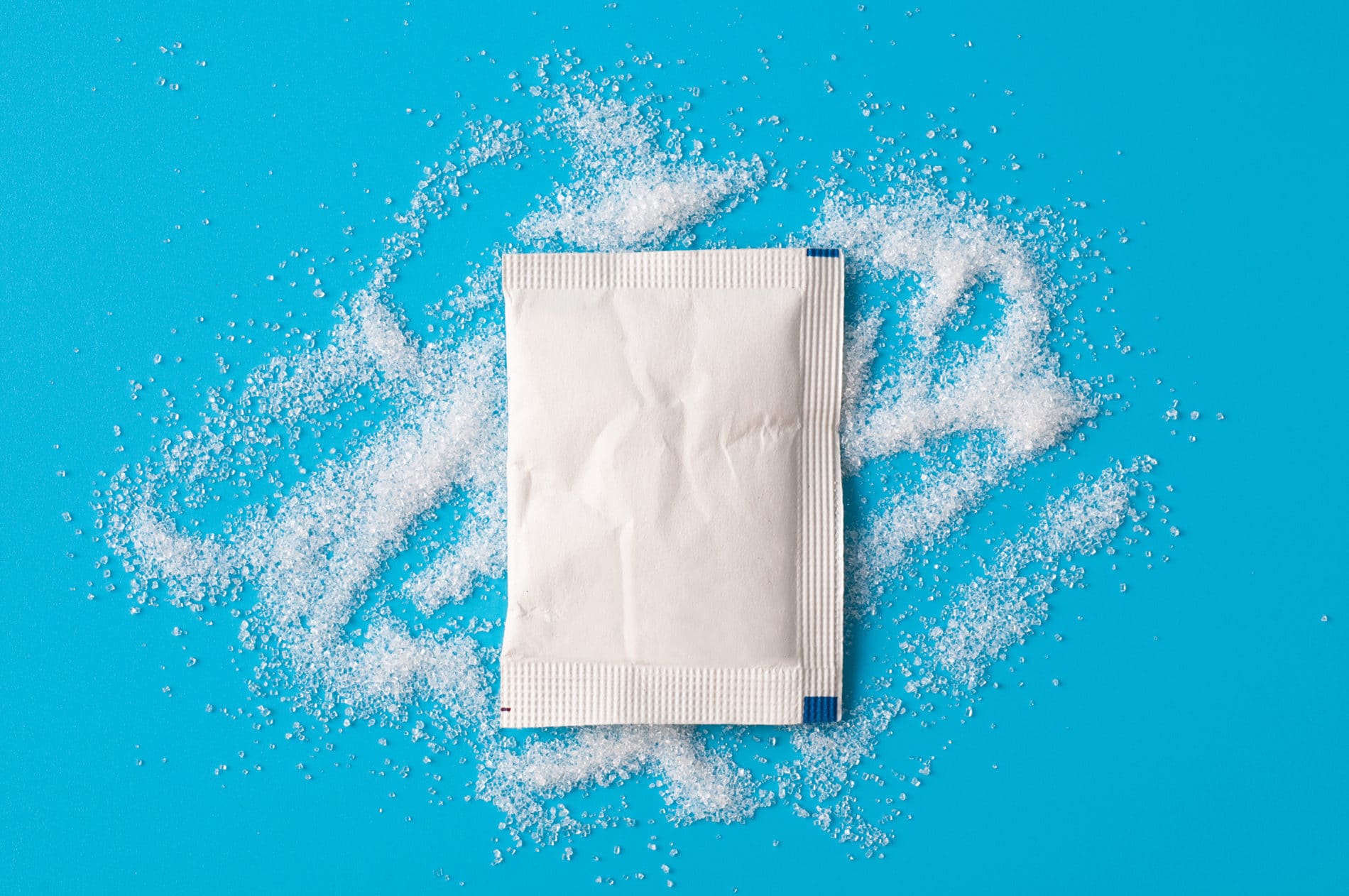
At most dining tables and condiment stations at restaurants across the U.S., patrons have their pick of colors when it comes to sweeteners. While it would be easier for restaurants to supply only one type of low-calorie sweetener, many health-conscious consumers have their own preference and expect to see their preferred sweetener, especially with many looking to reduce sugar in their diet.  And, whereas consumers today are more adventurous than ever when dining out, many still stick with one sweetener, usually identified by the color of the packet, to sweeten their iced tea, latte or coffee. While exciting new menu options are welcomed by consumers, the freedom to customize is just as important, and not offering a consumer’s preferred sweetener can have a large impact on their experience.

Aspartame (sold as Equal or NutraSweet in the blue packet) remains one of the most researched food ingredients in the world, with a long history of safe use and 200 studies attesting to its safety. In addition, by being on the market for over three decades, aspartame benefits from consumers’ brand recognition and trust in its consistent availability.  Aspartame is almost identical to sugar in terms of sweet taste, and while aspartame has long been used by consumers, today more than ever consumers are looking for ways to cut calories without compromising flavor.

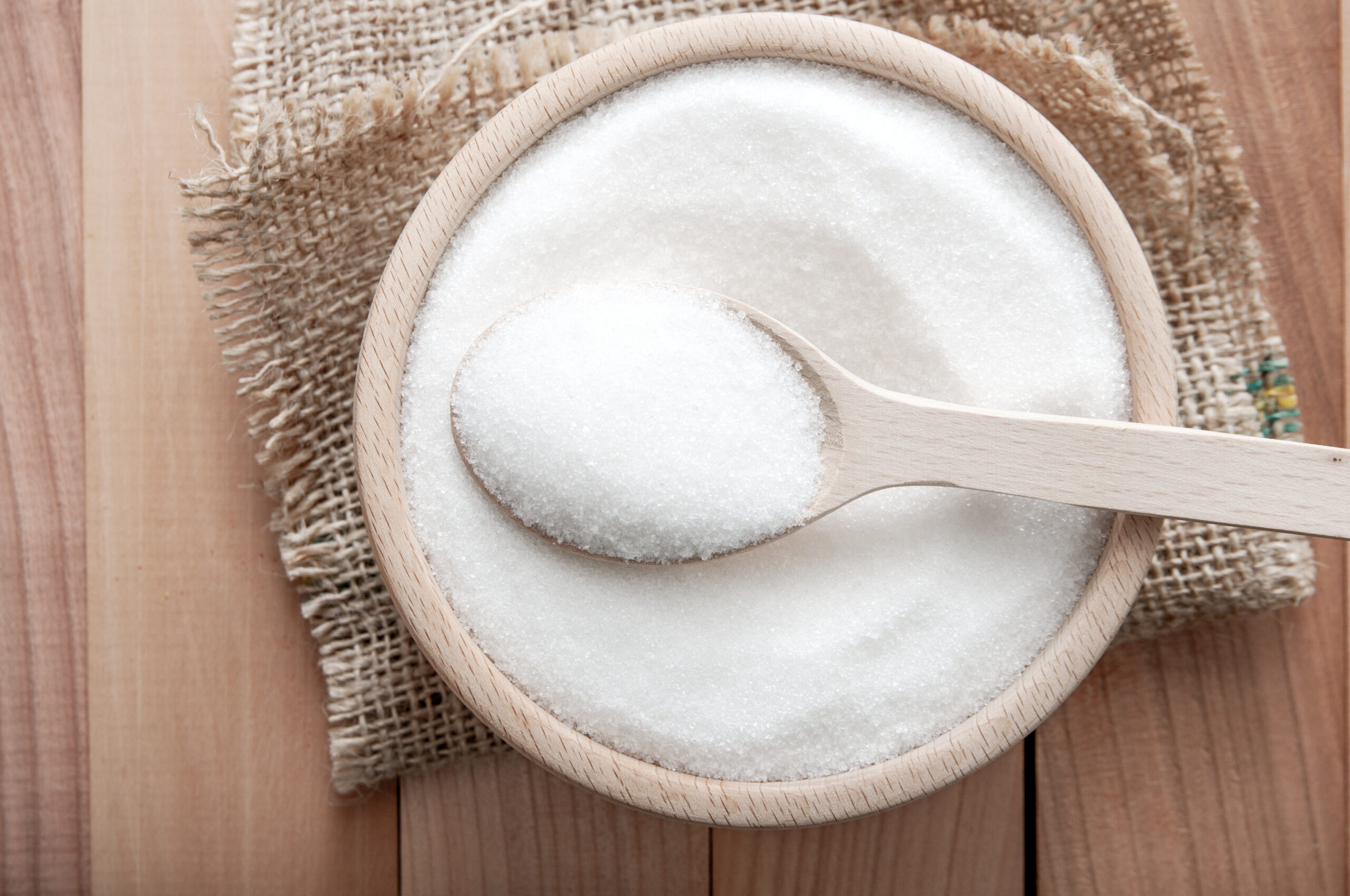

In addition to tabletop sweeteners, aspartame can be found in a variety of popular products, such as diet sodas, chewing gum, and breakfast cereals. If there is still consumer demand for aspartame, why have blue packets begun to disappear from restaurant tables and coffee shops? Do businesses believe all low calorie sweeteners are the same, and assume that offering one or two choices of colored packets will suffice?

The fact is, taste remains the top factor when it comes to choosing between low-calorie sweeteners, and consumers can taste which one they prefer. Therefore, making sure customers have access to every option, including the blue packet, is so important. If your goal is customer satisfaction, keeping aspartame on the table next to the pink, green, and yellow packets is one way to ensure “blue packet” people stay happy.

For your next order, don’t forget the blue packets!

The post Where are the Blue Packets? Your dining tables and condiment stations may be missing an important sweetener. appeared first on Aspartame.


faq2Do you have questions about low-calorie sweeteners? Want to learn more about maintaining a healthy lifestyle? You asked and we listened. Our resident Registered Dietitians answered the most popular questions about low-calorie sweeteners.

Media Contacts

For media inquiries please reach out to any of the below contacts: