Importance of Clear Nutrition Information for Diabetes Management: Spotlight on Allulose

Posted by & filed under Allulose, Diabetes/Blood Sugar Management, Featured, Managing Diabetes.

While some people ignore or merely glance at the nutrition information on food and beverage packaging, others closely review the label for carbohydrate information if they are on a certain low-carb diet and want to lose a few pounds. However, for those with type I or type II diabetes, the carbohydrate information provided on nutrition labels serves an even more critical role, helping those populations to manage a potentially life-threatening disease in large part through their diet. Without reliable, accurate nutrition information, those with diabetes are unable to accurately calculate the amount of insulin needed for the carbohydrates in the foods and beverages they consume.

Why are carbohydrates the most important nutrient for those with diabetes to monitor? Of the three main nutrients – protein, carbohydrates, and fat – carbohydrates have the greatest impact on blood sugar levels because the body breaks carbohydrates down into glucose, or, in simple terms, sugar. Those who do not have diabetes produce insulin, the hormone needed to let glucose into cells so that the glucose can in turn fuel the body’s activities. Those with diabetes have a problem producing insulin, and need to inject insulin or take medication when consuming carbohydrates in order to enable the glucose to be used by their body’s cells, instead of remaining as sugar in the blood stream (hence the term “high blood sugar”). This is why accurate information about the carbohydrate content of foods and beverages is essential for calculating an appropriate insulin dosage. It is also important to note that various components comprise the total carbohydrate count, and there are different types of physiological effects of each. For example, the total sugar and added sugars declared on labels would increase blood sugar levels, while dietary fiber, which is also considered a carbohydrate, would not.

As you can see, people with diabetes expect that the carbohydrates, specifically sugars and added sugars, listed on nutrition labels will have an impact on their blood glucose level. This is why listing the new low-calorie sweetener allulose as a total sugar and added sugar under the total carbohydrate count on nutrition labels would be especially misleading, confusing, and potentially dangerous for the over 100 million U.S. adults now living with diabetes or prediabetes[1]. Allulose, a “rare sugar” discovered in small quantities in natural sources such as figs and maple syrup, is technically a monosaccharide and classified as a “sugar” based on its molecular formula. However, allulose is not metabolized by the body and therefore contributes negligible calories and does not impact blood glucose levels. A comprehensive label study included in a citizen petition[2] to the U.S. Food and Drug Administration (FDA) corroborates the belief that consumers will be misled by the labeling of allulose as a carbohydrate and sugar. In this study of over 4,000 U.S. adults, the labeling of allulose as an added sugar led to confusion about the impact on blood glucose. In total, 52 to 65 percent of respondents with diabetes evaluating labels mistakenly believed that a flavored beverage with allulose contained sugar.   

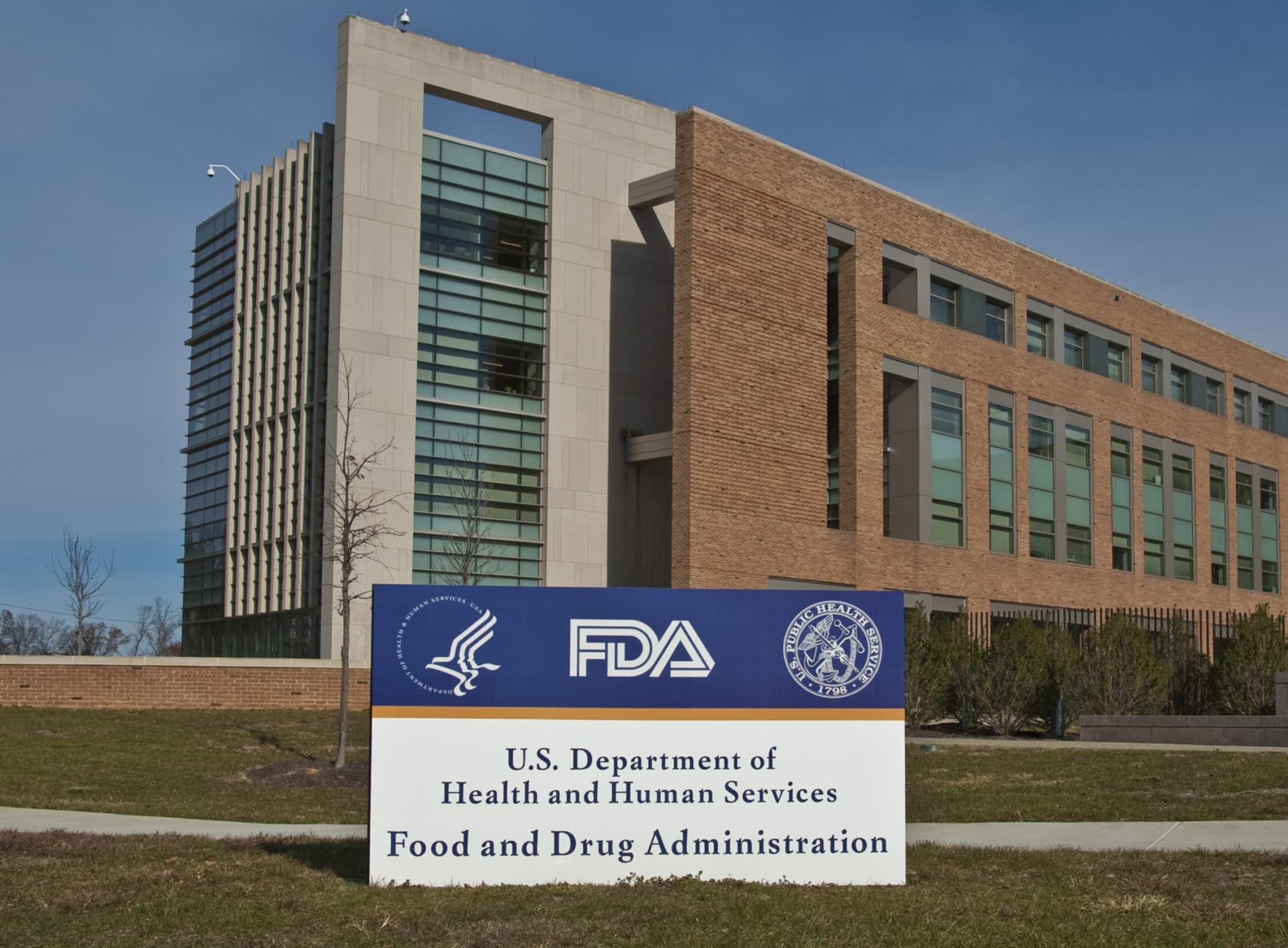
The FDA is responsible for protecting public health by ensuring the safety, efficacy, and security of the nation’s food supply. Those living with type I and type II diabetes must place significant trust in FDA, and other regulatory bodies when abroad, to protect the accuracy and integrity of nutrition information provided on food and beverage packaging. New draft guidance published in April 2019 indicates FDA’s efforts to reduce consumer confusion over the new nutrition facts label by allowing allulose to be excluded from total and added sugar listings on labels when used as a food ingredient. For those living with or without diabetes, this will help provide additional clarity around the total carbohydrate counts on nutrition labels and allow for the enjoyment of foods and beverages sweetened with allulose, while hopefully minimizing unintended health consequences of misinformation.     


[1] New CDC report: More than 100 million Americans have diabetes or prediabetes. CDC Online Newsroom. CDC. (2017, July 18). Retrieved from https://www.cdc.gov/media/releases/2017/p0718-diabetes-report.html

[2] Citizen Petition from Tate and Lyle. Regulations.gov. https://www.regulations.gov/document?D=FDA-2015-P-1201-0001. Published April 14, 2015. 


Meeting your Recommended Physical Activity Guidelines

Posted by & filed under Exercise, Featured, Lifestyle Articles.

Physical activity is an integral part of our daily lives.  It helps in the prevention of chronic disease, can assist in strengthening our bones and heart, and even has mental health benefits. Unfortunately, most people do not meet the recommended physical activity guidelines.  According to the health.gov web site, for adults, these guidelines include:

  1. 150 minutes (2 hours and 30 minutes) each week of moderate-intensity aerobic physical activity (such as brisk walking or tennis) or
  2. 75 minutes (1 hour and 15 minutes) each week of vigorous-intensity aerobic physical activity (such as jogging or swimming laps or
  3. An equivalent combination of moderate- and vigorous-intensity aerobic physical activity

The website also notes:

  1. Do muscle-strengthening activities (such as lifting weights or using resistance bands) that are moderate or high intensity and involve all major muscle groups on 2 or more days a week.

The good news is that meeting these guidelines can be done in a variety of ways and can be done in as small as 10 minute increments, which can make meeting these guidelines more attainable with busy, hectic schedules. Speak with your doctor or registered dietitian about how to best incorporate physical activity into your everyday lifestyle.

Source: Physical Activity Guidelines for Americans


FDA Exempts Allulose from Added Sugar Labeling Requirements

Posted by & filed under Allulose, Health Professionals.

April 17, 2019 — For the first time, the U.S. Food and Drug Administration (FDA) is allowing an ingredient  chemically classified as a “sugar” to not be labeled as part of the Total or Added Sugars listings on Nutrition Facts labels. In draft guidance published in April 2019, FDA announced that the low-calorie sweetener allulose does not need to be counted towards the amount of “Total Sugars” or “Added Sugars” on the new Nutrition Facts labels coming into effect January 2020 which require companies to separately list “Added Sugars” under the “Total Sugars” listed – among other changes.

Allulose is considered a “rare sugar” due to its presence in nature in very small quantities and its chemical makeup as a monosaccharide. While allulose provides the same sweet taste, texture, and other technical attributes as table sugar, it is not metabolized as energy in the body. Therefore, it provides a negligible amount of calories and does not impact blood glucose levels, thus qualifying allulose as a low-calorie sweetener. Although allulose was discovered in small amounts in nature and fruits such as figs, raisins, maple syrup and jackfruit, it can also be made from fructose as well as corn to support production scale. This is especially critical given the broad scope of applications – from sweetening baked goods while enhancing browning and crumb structure, to replacing sugar in ice cream but remaining stable in freezing conditions – and subsequent predicted demand for allulose.

The demonstrated benefits of allulose in tandem with FDA’s draft guidance on allulose labeling should help alleviate consumer confusion about the emerging sweetener and clear the runway for industry innovation. “As manufacturers considered reformulating or innovating new products in advance of the January 2020 compliance deadline for the new Nutrition Facts labels, there was confusion among industry and consumers over how to interpret the labels of products containing allulose,” remarked Robert Rankin, president of the Calorie Control Council. “Consumers looking to manage or reduce intake of Total and Added Sugars can now be assured that allulose does not count toward those listings.”

The FDA has made several major updates to the nutrition label, including changes to the nutrients that must be declared. Now, “Added Sugars” must be included separately as a subset of “Total Sugars”. According to the FDA, “Added Sugars” include “sugars that are either added during the processing of foods, or are packaged as such (e.g., a bag of table sugar), and also includes sugars from syrups and honey, and sugars from concentrated fruit or vegetable juices.” However, since allulose does not significantly impact glycemic responses, contributes far less than 4 kcal/g, and does not promote dental caries like other sugars might, FDA intends to exercise enforcement discretion with respect to the exclusion of Total Sugars and Added Sugars, including the % Daily Value (DV) declaration.

To learn more about the FDA guidance, read:

To learn more about allulose, read these sections of Allulose.org:


Safety when heated of the sweetener Sucralose confirmed by global scientific and regulatory authorities

Posted by & filed under Media Room, Research Summaries.

A statement from the Calorie Control Council

In response to a 2019 German Federal Institute (BfR) report1 on the stability of sucralose when processed at high temperatures, and the recent publication of the associated literature review2, the Calorie Control Council reiterates that the status of the safety of the sweetener sucralose remains clear. There are no safety concerns related to the use and consumption of sucralose, including in products that are processed using heat.  The report issued by BfR conceded that their study had many limitations, and despite the addition of recent studies, the recent publication still concluded that “the available data are not sufficient to draw final conclusions on the health risk.”

Sucralose is heat stable, making it ideal for use in baking, canning, pasteurization, aseptic processing and other manufacturing processes that require high temperatures.  The American Diabetes Association also supports the stability of sucralose stating, “sucralose is not affected by heat and retains its sweetness in hot beverages, baked goods, and processed food”. 

Sucralose is one of the most extensively studied ingredients and its safety has been verified by scientific and regulatory authorities around the world including the US Food and Drug Administration3, the Joint FAO/WHO Expert Committee on Food Additives (JECFA)4, the Scientific Committee for Food (SCF)5 and the European Food Safety Authority (EFSA)6. Studies tested the safety of sucralose did not find any possible carcinogenic, reproductive and neurological effects, including those that could result from processing at high temperatures. 

The current body of evidence continues to show sucralose is a safe and stable ingredient and should continue to be used alongside other sweeteners to reduce sugar and total calories in the diet.

  1. German Federal Institute. Harmful Compounds Might Be Formed When Foods Containing the Sweetener Sucralose Are Heated.; 2019. doi:10.17590/20190409-142644
  2. Andreas Eisenreich, Rainer Gürtler, and Bernd Schäfer. Heating of food containing sucralose might result in the generation of potentially toxic chlorinated compounds, Food Chemistry 2020: 321; https://doi.org/10.1016/j.foodchem.2020.126700.
  3. PART 172—FOOD ADDITIVES PERMITTED FOR DIRECT ADDITION TO FOOD FOR HUMAN CONSUMPTION. USA https://www.ecfr.gov/cgi-bin/retrieveECFR?gp=1&SID=c0f4112bab74084d5c7489f8fc3f4489&h=L&mc=true&n=pt21.3.172&r=PART&ty=HTML#_top.
  4. Safety evaluation of certain food additives IPCS—International Programme on Chemical Safety. World Heal Organ. 2009.
  5. European Commission Scientific Committee on Food. Opinion of the Scientific Committee on Food on sucralose. 2000;(September).
  6. Aguilar F, Crebelli R, Di Domenico A, et al. Statement on the validity of the conclusions of a mouse carcinogenicity study on sucralose (E 955) performed by the Ramazzini Institute. EFSA J. 2017;15(5). doi:10.2903/j.efsa.2017.4784


Calorie Control Council March Digest

Posted by & filed under Alert, Members Only.

CCC’s Monthly Digest serves to inform its members of developments from the previous month concerning topics of interest to the Council. Below are highlights which cover past, current, and on-going regulatory updates, industry & consumer issues.

In this Issue

US Policy and Regulatory Updates
• Gottlieb’s Departure Raises Food Policy Questions at FDA
• Commissioner Gottlieb Releases Statement on FDA’s Request for New Funding
• FDA Reorganization to Begin March 31
• First Meeting of the 2020 Dietary Guidelines Advisory Committee and Request for Comments
• Experts Speculate about How Bioengineered (BE) Food will be Treated Under New FDA Leadership
• FDA Announces New Website for Consumers on Menu Labeling
• Connecticut Governor Proposes Statewide Soda Tax in New Budget
• USDA Announces Launch of the “Start Simple with MyPlate” Campaign
• Oatmilk, Keto, C.B.D. Among Top Trends at Expo West
• Government Priorities Discussed at National Food Policy Conference
• Physician Groups Call for Soda Tax
• Arkansas Governor Signs ‘Truth in Labeling’ Bill into Law
• Navigating Natural Sweetener Solutions in Beverages
• Many Factors Impacting Effectiveness of Soda Taxes
• Adding Breakfast to Classrooms May Have a Health Downside
• American Heart Association Adds Obesity to Heart Disease Risk List for Children and Teens
• Experts Ask U.S. to Establish Federal Nutrition Institute

International Policy and Regulatory Updates
• Chinese Authorities Order Schools and Childcare Centers to Limit the Sale of Sugary Foods and Beverages
• EU Court Overturns EFSA Decision to Withhold Unpublished Studies
• New Documents Suggest New Zealand Health Ministry Continues Sugar Tax Deliberation
• Chile’s Sugary Food Fight Echoes around the World
• Food Drink Ireland Hails Progress on Reformulation
• United Kingdom Considers Limited Ban on Junk Food Advertisements to Fight Childhood Obesity
• Australia Combats Childhood Obesity

Council Updates
• CCC Submits Comments to the Eurasian Economic Commission
• Communications Update

US Policy and Regulatory Updates

Gottlieb’s Departure Raises Food Policy Questions at FDA
On March 7, Politico Pro (subscription required) published an article explaining how the Food and Drug Administration’s (FDA) Commissioner Scott Gottlieb’s departure from the agency will slow renewed efforts to focus FDA’s regulatory agenda on food policy. Under Gottlieb’s tenure, food and nutrition saw a decidedly raised profile within FDA and increased interest from leadership on several policy issues. With Gottlieb’s departure, nutrition and food safety experts believe this is unlikely to continue. However, the Commissioner shared with Politico Pro that the FDA is well respected by the White House, which will continue to support established food and nutrition objectives set by Gottlieb.

Some of these objectives set by Gottlieb include sodium reduction strategies and nutrition initiatives. For example, Gottlieb announced early last year that the FDA would continue an Obama-era policy on voluntary sodium reduction targets for processed foods. Last year Gottlieb also introduced the Nutrition Innovation Strategy (NIS), which introduced a comprehensive review of various food standards and includes the development of a consumer education campaign around the new Nutrition Facts label (NFL). Work for these initiatives remains unfinished and supporters of these policies express concerns about continuity under new leadership.

As it relates to food safety efforts, the Commissioner expressed his confidence that Frank Yiannas, the agency’s new deputy commissioner for food policy and response, will continue to implement efforts related to the Food Safety and Modernization Act. Insiders at FDA appear to be less concerned about the walk-back of the agency’s food safety work due to its broad political support.

Alex Azar, Secretary of the Department of Health and Human Services (HHS) is assisting in the transition with Gottlieb’s departure. In addition, as reported by The Washington Post on March 12, National Cancer Institute Director Norman “Ned” Sharpless will become acting commissioner of the FDA. The article purports that Sharpless may be considered as the administration starts its search for a permanent replacement to Gottlieb.

Commissioner Gottlieb Releases Statement on FDA’s Request for New Funding
On March 11, the FDA released a statement from Commissioner Gottlieb on the agency’s budget request of $6.1 billion submitted to the President’s Fiscal Year (FY) 2020 Budget. This budget request marks a $643 million increase compared to the 2019 Annualized Continuing Resolution (CR), and a $419 million increase compared to the FY 2019 Enacted Budget.

Commissioner Gottlieb’s statement also highlights several high priority initiatives, including the following:

  • Expanding the agency’s capacity to review human food and animal feed ingredients;
  • Improving food safety; and
  • Providing consumers greater information regarding healthy food choices and up-to-date science

As part of ongoing efforts to implement the Food Safety and Modernization Act (FSMA), the FDA is proposing to allocate funding for preventive controls inspections and produce safety inspections through state cooperative agreement programs. This proposal is intended to ensure that manufacturing and processing facilities are in compliance with FSMA requirements.

Commissioner Gottlieb’s statement highlights the FDA’s efforts to ensure the safe development of biotechnologies by enhancing its review capabilities and conducting risk-based assessments, while also providing innovation pathways for industry. The statement also highlights the agency’s investment in premarket safety reviews of animal food ingredients to improve review times and eliminate unnecessary burdens to industry.

The requested budget invests $36 million more than in the previous FY to better equip the agency to review human and animal feed ingredients. This initiative proposes a user fee for Innovative Food Products, but does not provide details on but notes this will be developed in collaboration with stakeholders.

FDA Reorganization Begins March 31
On March 22, Politico Pro (subscription required) reported that outgoing Commissioner Gottlieb’s plan to reorganize and consolidate some of the FDA’s operations has been approved by Health and Human Services (HHS). Reorganization was set to begin on March 31 and will result in the Office of the Commissioner’s direct oversight over FDA’s various centers for food, drugs, biologics, devices, veterinary medicine, and tobacco. The plan also creates two new offices for food and drug policy: the Office of Clinical Policy and Programs and the Office of Food Policy and Response.

First Meeting of the 2020 Dietary Guidelines Advisory Committee and Request for Comments
Food Business News published an article on March 12 announcing the open public comment period and first meeting of the Dietary Guidelines Advisory Committee (DGAC) for the Dietary Guidelines for Americans (DGA), on March 28-29 at the U.S. Department of Agriculture’s (USDA) Jefferson Auditorium. The agenda of the March meeting includes examining the Dietary Guidelines for Americans 2015-2020, considering new scientific evidence and current resource documents, and developing a report for the secretaries of the USDA and HHS. The DGAC plans to hold five meetings in total.

As previously advised, staff participated in this meeting and will share relevant updates. Following the meeting, next steps for CCC will be identified (e.g. submitting public comments to USDA and/or the U.S. Department of Health and Human Services (HHS)).

Experts Speculate about How Bioengineered (BE) Food will be Treated Under New FDA Leadership
On March 21, The Conversation published an article analyzing the future of FDA regulations on bioengineered (BE) food. Professor Ana Santos Rutschman of Saint Louis University tracks the progress of FDA regulations on BE food and describes Gottlieb’s decisions on BE foods as “in line with current scientific consensus in the United States and abroad.” According to Professor Santos Rutschman, Gottlieb’s announcement on reversing the import alert for AquAdvantage’s GM Atlantic salmon highlighted the FDA’s goal of assuring consumers that BE foods are safe to eat and “meet the FDA’s high safety standards.” Looking to the future, Professor Santos Rutschman believes that without a change in scientific consensus and despite the change in leadership, FDA will continue to approve BE foods entering U.S. markets.

FDA Announces New Website for Consumers on Menu Labeling
On March 13, FDA announced the launch of its new website, “Calories on the Menu – Information for Consumers,” to coincide with National Nutrition Month. This website was introduced as a tool to empower consumers to make healthier choices when dining outside the home. It contains educational materials to enhance consumer understanding of nutrition information, and offers assistance with the following steps for making healthy choices when eating out:

  1. Find out your calorie needs
  2. Look for calorie and nutrition information
  3. Make the best choice for you

Of interest to CCC, the website advises consumers, “Calories from beverages can add up quickly. With calorie information, you can find lower-calorie options.”

Connecticut Governor Proposes Statewide Soda Tax in New Budget
On February 26, USA Today published an article reporting the push for a statewide soda tax in Connecticut Governor Ned Lamont’s budget proposal. If the governor’s budget is passed by the Connecticut state legislature as it currently stands, Connecticut would be the first to impose a statewide tax on sugar-sweetened beverages.

Lamont’s proposal outlines a 1.5% per ounce tax on sugar-sweetened drinks and predicts the state would receive $163.1 million in generated tax revenue in FY 2021. Lamont’s spokeswoman, Maribel La Luz, stated, “The governor believes that in addition to addressing our long-term fiscal stability, the budget should also help outline policy priorities for our state.” She added that taxes like this are meant to discourage unhealthy behaviors and improve public health.

USDA Announces Launch of the ‘Start Simple with MyPlate’ Campaign
On March 13, USDA issued a press release announcing the launch of its new campaign to simplify nutrition information. USDA showcases ‘Start Simple with MyPlate’ as an initiative to “reduce confusion surrounding healthy eating and help people start with the basics.” The purpose of the campaign is to provide online resources that demonstrate ways to easily incorporate foods from the five MyPlate food groups into a person’s diet. Online resources include the MyPlate Plan and widget, tip sheet, MyPlate Action Guide, a weekly menu template and toolkit for nutrition professionals.

Oatmilk, Keto, C.B.D. Among Top Trends at Expo West
On March 6, Food Business News published an article analyzing the top food trends that emerged from the Natural Products Expo West in Anaheim, California, March 5-9. This annual trade show previews natural, organic, specialty and functional products from more than 3,500 companies. Top trends coming out of this year’s expo include products that were in line with the ketogenic diet, which emphasizes consumption of foods low in carbohydrates and high in fat. Of interest to CCC, foods containing low- and no-calorie sweeteners (LNCS) were prevalent in this category. Other emerging trends spotted at the expo include oatmilk, plant-based eating, and cannabidiol (CBD).

Government Priorities Discussed at National Food Policy Conference
On March 15, Food Dive published an article analyzing the outcomes of the 2019 National Food Policy Conference hosted by the Consumer Federation of America, which took place March 14-15 and was attended by staff. Approximately 300 people were in attendance including representatives from the U.S. government and food industry. Major themes included sustainability, food waste, updates on food safety, sugar and sodium reduction initiatives, labeling laws or initiatives (such as “use by” or “best by” language on food packages), and updates to food assistance programs (WIC and SNAP).

Frank Yiannis, deputy commissioner for food policy and response at FDA, spoke to how FDA’s food safety efforts are to protect public health and consumer trust. Yiannis highlighted the agency’s plan to evolve into an era of “smarter food safety” by using new technologies, such as blockchain and artificial intelligence, to make decisions driven by data and traceability.

Industry is also monitoring for changes to the Dietary Guidelines for Americans on salt and sugar, as this is a strong priority for FDA. As more consumers trend towards proactively avoiding sugar in their diets, certain advocates continue to push for a soda tax to dissuade consumers from overconsumption of sugar-sweetened drinks. Laura MacCleery, policy director for the Center for Science in the Public Interest (CSPI), noted that while a soda tax is currently a controversial idea, “the day will come when it is not anymore.”

Attached are conference notes for your reference. Please notify staff if you have any questions.

Physician Groups Call for Soda Tax
As reported on March 25 by CNN and numerous other outlets, the American Academy of Pediatrics (AAP) and the American Heart Association (AHA) released policy recommendations that called for lawmakers to implement policies to reduce children’s sugary beverage intake, including taxation. This statement is the first instance of AAP recommending taxes on sugary drinks. Of interest to CCC members, the statement clarifies that “sugary drink, sugar-sweetened beverage [and] sugar drink” are all terms that refer to beverages containing added sugars. It’s further noted that, “In most studies, diet drinks (defined as, 40 kcal per 8 oz.), 100% fruit juice, and flavored milks are not considered to be sugary drinks.”

The statement recommends the following:

  • An excise tax on sugar-sweetened beverages
  • Government support for a decrease in marketing of these products to children and teens
  • Federal nutrition assistance programs that ensure access to health foods
  • Labeling regulations on added sugar content
  • Making healthy beverages the default on children’s menus
  • Implementing policies in hospitals that disincentivize purchasing sugar-sweetened drinks

Arkansas Governor Signs ‘Truth in Labeling’ Bill into Law
On March 20, The Wichita Eagle published an article announcing the ‘Truth in Labeling’ measure was signed by Arkansas Governor Asa Hutchinson on March 18. This new law aims to protect Arkansas’ meat and rice producers from companies who “mislead consumers into thinking their products are something they are not,” according to the bill’s sponsor. For example, the law bans companies from classifying lab-grown meat products or meat substitutes as meat and also prevents manufacturers from marketing “cauliflower rice” if the product contains no rice. Arkansas is the sixth state to pass legislation regarding labeling regulation. In general, critics of labeling laws argue that they impose on First Amendment rights and violate federal labeling laws that ban mislabeling.

Navigating Natural Sweetener Solutions in Beverages
On February 28, Food Business News published an article highlighting the “natural” and “low sugar” labeling trends that are shaping the way producers are formulating products. The U.S. Grocery Shopping Trends 2018 survey polled consumers on the types of claims they are seeking on food and beverage packaging when shopping. According to the survey results, the number one claim of interest to consumers was a tie between low sugar and low sodium. Following that, consumers are seeking “no artificial ingredients” claims on packaging. These themes are pushing manufacturers to seek out more natural ingredients to keep the added sugar content of products low. In order to keep pace with demand, producers have started incorporating steviol glycosides into their products.

Many Factors Impacting Effectiveness of Soda Taxes
On February 28, Forbes published an article reporting on two recent studies that outlined significant indicators of the long-term effectiveness of soda taxes. A study published in the March 2019 issue of the American Journal of Public Health (AJPH) found that the soda tax in Berkeley, California resulted in a 52% decrease in soda consumption during its first three years of implementation. Berkeley’s soda tax was accompanied by a public campaign to educate children and families about healthy lifestyle choices. Revenue from the tax has been reinvested in community initiatives that focus on nutrition and health, which has received strong support from residents.

Alternatively, in Philadelphia, the city’s soda tax did not see the same type of success. In fact, opponents of the tax were able to take their fight to the Pennsylvania Supreme Court, arguing that the 1.5 cent-per-ounce tax was a form of double taxation given the general sales tax on products. However, in July, 2018, the court upheld the tax in a 4-2 ruling.

Philadelphia’s soda tax raised $137 million in the first quarter of FY 2019, which the city’s Mayor Jim Kenney pledged to put towards universal pre-kindergarten education in Philadelphia. Since this promise was declared, $38.4 million has gone to pre-kindergarten education. The remaining $101 million (as of December 2018) is being held in the city’s general fund.

Regarding the impact of the tax on shopping choices, the author of the Forbes article states research suggests residents of Philadelphia may be choosing to conduct their grocery shopping in neighboring suburbs where there is no soda tax. This conclusion highlights the concerns of the American Beverage Association (ABA), who argue that soda taxes often hurt local retailers as consumers drive further in an effort to avoid paying extra for their groceries.

Adding Breakfast to Classrooms May Have a Health Downside
On February 25, HealthDay published an article regarding new research in February’s JAMA Pediatrics journal, which suggests children who are offered breakfast in the classroom have an increased risk of childhood obesity. Focusing on children in fourth through sixth grade classrooms, the study’s researchers looked at whether there was any effect on weight if breakfast was universally available in the classroom during regular school hours versus before-school hours in the cafeteria. The researchers found that when children were offered breakfast in the classroom, the incidence of obesity more than doubled comparatively with children who ate outside of the classroom (11.6% vs 4.4%, respectively).

The researchers concluded that the correlation between breakfast offered in classrooms and increased incidences of obesity was likely more complex. Katherine Bauer, the study’s lead researcher, explained, “The increase in obesity was probably kids who had more difficulty with self-regulating food intake.” Bauer acknowledged it was possible that some of the kids who ate the breakfast served in the classroom were also receiving breakfast at home before school. It is recommended that the issue be considered by different populations and in schools that offer programs for free breakfast.

American Heart Association Adds Obesity to Heart Disease Risk List for Children and Teens
According to a February 26 article published by HealthDay, the American Heart Association (AHA) has released a statement listing obesity and severe obesity as conditions that increase the risk of early heart disease in children and teens. This statement serves as an update to a former 2006 AHA statement, which includes other conditions as risk factors such as type 1 and type 2 diabetes, family history of high cholesterol, congenital heart disease, and surviving childhood cancer.

Dr. Sarah de Ferranti, who serves as the chair of AHA’s statement writing working group and Chief of the Division of Cardiology Outpatient Services at Boston Children’s Hospital said in an accompanying statement, “Parents need to know that some medical conditions raise the chances of premature heart disease, but we are learning more every day about how lifestyle changes and medical therapies can lower their cardiovascular risk and help these children live their healthiest lives.”

Experts Ask U.S. to Establish Federal Nutrition Institute
On February 28, The New York Times published an op-ed calling for the establishment of a federal institute devoted to nutrition research. Dr. Joon Yun, Dr. David Kessler, and Mr. Dan Glickman argue, “Poor nutrition is a leading cause of poor health and spiraling health care spending [in the United States].” The authors cite research from the Tufts Friedman School that suggests poor eating causes an average of 1,000 deaths each day in the U.S. from heart disease, stroke, or diabetes. They also cite research from Mission: Readiness, a nonpartisan national security organization of retired senior military leaders, which suggests obesity is the leading medical disqualifier for preventing otherwise qualified Americans from enlisting in the military.

The authors argue that a lack of federal funding allocated to addressing the impact of poor nutrition on the various facets of American society, including the economy and military, constitutes the need for an institute dedicated solely to nutrition research. The authors propose the establishment of the National Institute of Nutrition, housed under the National Institutes of Health (NIH). They envision this institute as a facilitator and coordinator of “research into nutrients, food and their relationships to better health.”

Of specific interest to CCC, the institute would research areas such as “relationships between the gut microbiome and health,” and “personalized nutrition based on life stage, metabolism, health state, health goals and genetics.” The authors conclude, “Discoveries in these areas will help bring down health care costs and recover productivity loss as a result of diet-related diseases like obesity, diabetes, heart disease, many cancers and more.”

International Policy and Regulatory Updates

Sale of Sugary Foods and Beverages
According to an article published March 5 by FoodNavigator-Asia, Chinese authorities are pushing to limit the public’s intake of sugar-sweetened food and beverages in order to improve oral health. Statistically, 34.5% of 12 year olds in China reported tooth decay in 2016. China’s National Health Commission (NHC) aims to reduce that number to 32% in 2020 and 30% in 2025. The oral health initiative is part of a larger healthy lifestyle project China first introduced in 2017. The overall initiative pushes for a lower intake of salt, oil, and sugar while promoting oral and bone health, in addition to weight management.

As part of a long-term action plan to promote oral health, the NHC ordered primary and secondary schools as well as childcare centers to limit the sale of products high in sugar. The NHC is also encouraging food manufacturers to produce options that are reduced-sugar or sugar-free.

EU Court Overturns EFSA Decision to Withhold Unpublished Studies
On March 7, Feed Navigator published an article reporting on the decision by the European Union’s (EU) General Court that overruled the choice of the European Food Safety Authority (EFSA) to withhold studies it used to determine the safety of glyphosate. The EU Court made its ruling on the grounds that the refusal to disclose the studies “would have an adverse effect on the protection of the commercial interests of the owners of the requested studies.” EFSA welcomed the decision by the EU’s top court, stating that the ruling clarifies EU legislation on public access to documents and provides a straightforward legal guideline for handling future disclosure requests.

New Documents Suggest New Zealand Health Ministry Continues Sugar Tax Deliberation
On February 25, FoodNavigator-Asia published an article reporting on new documentation suggesting that New Zealand’s Health Minister, David Clark, is still actively deliberating a sugar tax despite prior government statements saying otherwise. Clark pushed back on this claim in a statement to the New Zealand Herald, saying that he had “only received the final version of this draft document recently” and had “yet to consider it.” The newly surfaced document prepared by the ministry explored various ways to combat obesity; including the feasibility of a sugar tax and the reduction of restaurant portion sizes.

Chile’s Sugary Food Fight Echoes around the World
On March 11, Financial Times published an article reporting on Chile’s sweeping public health campaign to cut sugar and battle obesity. Some of the Chilean government’s tactics include an 18% tax on high-sugar drinks, restricting cartoon food marketing towards children, and a mandate that requires large, black, “cigarette-style” warning labels on foods high in salt, saturated fat, sugar, and calories. Early analyses suggest the campaign is working. According to a study conducted by researchers in the United Kingdom and Chilean, monthly consumption of sugary drinks fell by almost 22% since the tax started in 2014. Chile’s interest in a widespread public health campaign is not alone; several other governments around the world are considering, or have implemented taxation on unhealthy foods. Mexico, Hungary, Thailand, the United Kingdom, and some U.S. cities have all implemented various forms of taxation on sugar-laden food products.

Food Drink Ireland Hails Progress on Reformulation
On February 25, FoodNavigator published an article highlighting a report released by Food Drink Ireland (FDI) that found a decrease in salt, sugar, and fat content in popular food products for sale. The report examined changes in nutritional composition from 2005 to 2017 and included roughly 1,780 products from fifteen popular food and beverage companies. Researchers discovered that reformulation of products saw the level of sodium cut the most at 28 percent. Salt reduction was at 10.1 percent and fat reduction was at 8 percent. Linda Stuart-Trainor, Director of Prepared Consumer Foods at FDI, stated “This report demonstrates the food and beverage industry’s ongoing commitment to the societal effort to tackle obesity and improve public health.”

United Kingdom Considers Limited Ban on Junk Food Advertisements to Fight Childhood Obesity
On March 17, the Independent published an article reporting a proposed UK government ban on junk food advertisements. The ban would restrict both online and television outlets from running junk food advertisements before 9:00 p.m. According to the UK’s Department of Health and Social Care, the UK is combatting a growing childhood obesity crisis. Its research states that one in three UK children leaves primary school overweight or obese and the number of children classified as ‘seriously obese’ is at a record high. UK campaigners, doctors, and politicians were in favor of the proposed advertising ban.

Australia Combats Childhood Obesity
On March 21, The Conversation posted an edited transcript of a speech made by Alessandro Demaio, MD, a fellow in Global Health & NCDs at the University of Copenhagen, about the need for a plan to combat childhood obesity in Australia. Demaio notes that childhood obesity is a growing epidemic in Australia; one in four children were affected by the condition in 2011. In order to better offset this trend, Demaio calls for a soda tax on “junk drinks” in order to reduce consumption. “Increasing the price of sugary drinks protects public health,” Demaio claims. He goes on to argue that investing in prevention methods will save Australian taxpayers in the long term through decreased spending on overall healthcare costs. Demaio’s speech highlights growing international interest in soda taxation.

Council Updates

CCC Submits Comments to the Eurasian Economic Commission
On March 8, CCC submitted the attached comments to the Eurasian Economic Commission and the Russian Scientific and Technical Centre for Information regarding the usage of the term “Isomalt (E935)” in Russia’s draft amendments to the Technical Regulation of the Customs Union. In these comments CCC noted the inconsistent translations of the Russian term “изомальтит (Е953)” used in the Russian draft. This term translates to “isomaltit” in German or Russian and to “isomaltitol” in English. Therefore, CCC recommended the Russian Federation revise its draft amendments to use the correct term consistently throughout the amendments.

Communications Update

General Program

Council Response to Circulation Study: CCC responded to research published on Monday, March 18, in the American Heart Association journal, Circulation, entitled “Long-Term Consumption of Sugar-Sweetened and Artificially Sweetened Beverages and Risk of Mortality in US Adults.”

  • After the council received an embargoed study and request to comment from CNN, staff conducted media outreach to key contacts ahead of the study’s release, providing our statement and quote from council medical advisor, Keri Peterson, M.D.
  • As a result, CCC was quoted in 87 news articles covering the study, including coverage from CNN (reaching 14.2 million readers through CNN, CBS, Fortune and many local TV stations) and HealthDay’s (reaching 5.64 million readers, through US News and World Report, WebMD and many other media outlets).
  • Staff placed two ads in the EatRight Pro SmartBrief e-newsletter, which ran on March 18 and March 19, garnering 78,624 impressions along with 1,714 views of the full statement on CalorieControl.org.
  • The LinkedIn sponsored post, which included a link to CCC’s statement, has since garnered 21,223 impressions and 243 clicks to the statement from registered dietitians.
  • Staff has developed a dashboard, which includes media coverage to date of the study, to capture the total effect of CCC’s response to the study.

Sweetener-Specific Activities 

  • Aspartame: In response to an IARC meeting, which took place March 25 – 27, 2019, in Lyon, France, to recommend priorities for IARC monographs 2020-2024, CCC staff developed a communications plan to promote the three publications developed by Intertek regarding aspartame and health outcomes.
    • An IARC landing page was created on the CalorieControl.org site, with all three study summaries linked.
    • Scientific Advisor Robyn Flipse, MS, MA, RDN, developed a summary of the “Evaluation of aspartame cancer epidemiology studies based on quality appraisal criteria” publication, which has been posted here on Aspartame.org.
    • Social Media Advisor Roseanne Rust, MS, RDN, developed a summary of all three publications, targeting dietitians and other healthcare professionals.
    • LinkedIn ads targeting toxicologists and those with similar titles to the meeting attendees ran for the duration of the meeting.

Polyols: To promote the benefits of polyols as a sweetener not counted as added sugars on the new Nutrition Facts Label, CCC staff developed and distributed a ready-made newspaper article and radio script through a network to help promote the news to consumers. The original March 20 posting for distribution is here. A report on media pickup of the news will be forthcoming in a future Digest.



Calorie Control Council February Digest

Posted by & filed under Alert, Members Only.

CCC’s Monthly Digest serves to inform its members of developments from the previous month concerning topics of interest to the Council. Below are highlights which cover past, current, and on-going regulatory updates, industry & consumer issues.

In this Issue

US Policy and Regulatory Updates
• FDA CFSAN Announces National Food Safety Education Conference 2019
• CRA Submits Report to FDA on Consumer Understanding of ‘Healthy’ and ‘Natural’
• Challenges Predicted for FDA After Trump Approves Short-Term Funding to Reopen Government
• Brashears, Earp, and Hutchins Start Work at USDA
• U.S. Court Blocks San Francisco Health Warning on Soda Ads
• Soda Tax Associated with 50 Percent Drop in Sugary Drink Consumption in Berkley, CA
• Connecticut Governor Proposes Tax on Sugary Drinks
• Spending Bill Requires USDA to Report on DGA Process
• 2020-2025 Dietary Guidelines for Americans Takes Shape
• Two Year Stay Lifted on KIND ‘All Natural’ Lawsuit
• Campaign Successfully Curbs Sugar-Sweetened Beverage Consumption in New Jersey
• Public School Wellness Policy Prohibits Alternative Sweeteners
• California Lawmakers and Health Groups Back Soda Tax, Ban on Jumbo-Size Sugary Drinks

International Policy and Regulatory Updates
• China Looks to ‘Cigarette-Style’ Labeling for Health Foods
• Barbados’ Sugar Tax May be Increasing Sugar Intake
• Chilean Food Regulations Prove Effective at Changing Mothers’ Food Behaviors
• France Adopts Amended Junk Food Bill

Council Updates
• CCC Staff Attends U.S. CCFA Public Meeting
• CCC Staff participates in IFT Food Policy Impact Conference
• CCC Staff attends Eat-Lancet Report Launch
• Communications Update

US Policy and Regulatory Updates

FDA CFSAN Announces National Food Safety Education Conference 2019
On January 31, the U.S. Food and Drug Administration’s (FDA) Center for Food Safety and Applied Nutrition (CFSAN) published an update announcing on-going registration for the seventh national Consumer Food Safety Education Conference (CFSEC), which will be held March 6-8 in Orlando, Florida. The name of this year’s conference is “From Consumers to Chefs: Food Safety Education Matters.” The conference is designed to bring together food safety educators from academia, government, industry, professional organizations and consumer advocacy and assistance groups. Please see the registration information page for additional details.

CRA Submits Report to FDA on Consumer Understanding of ‘Healthy’ and ‘Natural’
On January 24, the Corn Refiners Association (CRA) submitted a report to FDA, which was commissioned by Jayson Lusk, Head of the Department of Agriculture Economics at Purdue University, on consumers’ understanding of “healthy,” “natural,” and various ingredient names in food products. The survey was conducted online in December 2018 and included 1,290 participants. The study’s key findings are noted below:

  • Regarding “healthy”: About 40% of consumers thought a “healthy” label claim implied that they should increase consumption of the food and 15% thought the label meant they could eat all that they wanted.
  • Regarding “natural”: Apparent lack of knowledge regarding agricultural practices yielded inconsistent responses regarding products and the practices that produce them. The majority of survey respondents considered “organically grown crops” to be “natural,” but also considered pesticides used in organic production and the methods (i.e., mutagenesis) used to create organic seeds to be “not natural.”
  • Regarding ingredient names: More than 85% of respondents preferred every-day, layperson-friendly ingredient names to their scientific counterparts (e.g., corn starch vs. maltodextrin) insofar as the word being informative for consumer choice.

Based on the study findings, CRA provided the following rulemaking recommendations to FDA:

  • “Undertake rulemaking to revise the requirements for ‘healthy’ claims to include at least total sugars and require the claim be accompanied by a statement that indicates what the claim means.
  • “Initiate rulemaking jointly with the USDA’s Food Safety Inspection Service (FSIS) to adopt a coordinated approach to regulation of ‘natural’ claims. We recommend that the starting point in developing such a regulation should be a highly restrictive definition limited to ‘wash/clean/chop/grind/slice’ of raw commodities. Further, to avoid likely consumer misunderstanding, the proposal should include a requirement for an accompanying statement that, “‘Natural’ does not indicate the food is healthier, safer or better for the environment, nor does it relate to agricultural production practices.”
  • “Initiate rulemaking to permit use of consumer-understood common names of food ingredients in the ingredient declaration.”

Challenges Predicted for FDA After Trump Approves Short-Term Funding to Reopen Government
On January 28, Food Chemical News (FCN) (subscription required) published an article which included post-government shutdown predictions from Howard Sklamberg, former FDA deputy commissioner for global regulatory operations and policy. Sklamberg notes the agency did an admirable job in overseeing recalls and surveillance of high-risk activities in the food program. However, while the agency prioritized high-risk inspections during the shutdown, it was unable to perform non-high-risk inspections, so there will be a backlog of low-risk inspections that need to be handled. As a result, FDA will likely have fewer inspections conducted this year because the same amount of personnel will have to handle the backlog and the inspections they would have completed during the partial government shutdown.

Another item that will need to be addressed is policy making, particularly after reports that some 90% of CFSAN staff was furloughed for over a month. Further, while cooperation with states may have continued for high-risk inspections, this was not happening on the policy level. Sklamberg adds FDA may need to consider whether it should extend comment period deadlines.

From an internal staffing perspective, Sklamberg said he’s “very worried” about the long-term consequences for FDA staff when it comes to morale, retention and recruiting. A lot of people in the food program are approaching retirement age. “This whole experience could make people think, ‘I really don’t want to deal with this anymore,'” he said. At the same time, recruiting new people may prove to be quite difficult, especially as the agency competes with industry where federal employees could make more money.

Brashears, Earp, and Hutchins Start Work at USDA
As reported on January 29 by Food Safety News (FSN), Secretary of Agriculture Sonny Perdue named the following top officials at the U.S. Department of Agriculture (USDA): Mindy Brashears as Deputy Under Secretary for Food Safety, Naomi Earp as Deputy Assistant Secretary for Civil Rights, and Scott Hutchins as Deputy Under Secretary for Research, Education, and Economics.The three had previously been nominated by President Donald Trump for more senior roles reporting to Secretary Perdue, but those three spots require Senate confirmation. However, “Deputy” positions do not require Senate confirmation, so Brashears, Earp, and Hutchins are able to begin work immediately as they await full Senate confirmation for higher-level roles.

U.S. Court Blocks San Francisco Health Warning on Soda Ads
According to a February 4 article in NPR, San Francisco is weighing its options after a warning on soda ads was ruled unconstitutional on January 31. The warning was approved by the city in 2015, and would occupy 20% of ad space for soda and any other non-alcoholic beverages that contain added sugars and more than 25 calories per 12 ounces (except for milk and 100% fruit juice).

The federal appeals court declared the warning was an infringement on commercial speech, and that the requirement is “not justified when balanced against its likely burden on protected speech.” The justices also said the soda warnings aren’t based on established fact, citing FDA statements that sugar is “generally recognized as safe” when not consumed to excess. However, Andrea Guzman, a spokesperson for San Francisco City attorney Dennis Herrera stated, “The court found that 20 percent is too large but suggested 10 percent would be sufficient…We’re evaluating our next steps in light of this decision. But make no mistake, we’re committed to protecting the health of San Francisco residents by allowing them to get factual information.”

While it’s unclear if or what next steps will occur to implement a warning requirement, the beverage industry welcomed the January 31st ruling. The American Beverage Association (ABA) commented, “We are pleased with this ruling, which affirms there are more appropriate ways to help people manage their overall sugar consumption than through mandatory and misleading messages.” ABA also added that nearly half of the beverages that the soda industry sells today contain no calories, and assured that companies put clear calorie information on the front of every product to encourage consumers to check calories before they buy. On the other hand, consumer groups such as the Center for Science in the Public Interest (CSPI) were disappointed with the ruling and urged their support for a wide range of policies to combat “soda-related disease.”

Soda Tax Associated with 50 Percent Drop in Sugary Drink Consumption in Berkley, CA
Although San Francisco blocked mandatory health warnings on soda ads in the city (see previous entry), a February 21 article published by ABC News reports that the 1-cent-per-ounce tax on sugar-sweetened beverages implemented in 2015 just outside San Francisco in Berkeley, California, led to a 52 percent decrease in consumption of sugary drinks between the years 2014-2017. During the same time period, water consumption rose by 29 percent. Notably, there were no significant changes in beverage consumption in San Francisco or nearby Oakland.

While the above results reveal potential positive effects of a soda tax, the article notes there was a relatively small number of people surveyed. In addition, self-reported studies are more likely to involve biases or other errors.

Connecticut Governor Proposes Tax on Sugary Drinks
According to a February 20 Politico Pro article (subscription required), Connecticut governor Ned Lamont has proposed a tax on sugary drinks, as well as alcohol, plastic bags and e-cigarettes under a budget proposal for FY 2020-2021. The tax on sugar-sweetened drinks would be 1.5 cents per ounce, according to the Hartford Courant, and is not solely aimed at raising funds, but rather meant to encourage a healthy shift in consumer behavior.

Spending Bill Requires USDA to Report on DGA Process
As reported in a February 14 article in Politico Pro (subscription required), the spending bill released February 13, which became law two days later on February 15, requires USDA to report to Congress on how it is modifying its approach to develop the next five-year update to the Dietary Guidelines for Americans (DGAs). The provision gives USDA 180 days to issue a report to Congress summarizing its process for updating the guidelines for 2020-2025. This report would need to include an explanation of why USDA has decided to either incorporate or exclude recommendations from that National Academies’ 2017 report, which were developed to improve the transparency of the process and enhance public trust. The bill also makes more than $12 million available until September 2021 for the development and dissemination of the guidelines themselves.

2020-2025 Dietary Guidelines for Americans Takes Shape
In a February 21 release, USDA announced the appointment of 20 scientists to serve on the 2020 Dietary Guidelines Advisory Committee (DGAC), which will review and report on various diet-related topics and questions, which were refined by USDA and HHS with the input of stakeholders and the public, including CCC. These topics and questions have been posted online in two formats for ease of review. List A is organized by life stage, which follows the format of the topics and questions posted for public comment. List B provides the identical topics and questions, organized to reduce redundancy and better reflect how the Departments will ask the Committee to proceed with its scientific review.

Three of the five experts nominated by CCC were named to the Committee: Ron Kleinman, Heather Leidy and Barbara Schneeman. In addition, Rick Mattes, who spoke at CCC’s 2018 Annual Meeting, was named. Following is the full DGAC roster:

  • Jamy Ard, MD – Wake Forest School of Medicine
  • Regan Bailey, PhD, MPH, RD – Purdue University
  • Lydia Bazzano, MD, PhD – Tulane University and Ochsner Health System
  • Carol Boushey, PhD, MPH, RD – University of Hawaii
  • Teresa Davis, PhD – Baylor College of Medicine
  • Kathryn Dewey, PhD – University of California, Davis
  • Sharon Donovan, PhD, RD – University of Illinois, Urbana
  • Steven Heymsfield, MD – Louisiana State University, Pennington Biomedical Research Center
  • Ronald Kleinman, MD – Massachusetts General Hospital, Harvard Medical School
  • Heather Leidy, PhD – University of Texas at Austin (Summer 2019)
  • Richard Mattes, PhD, MPH, RD – Purdue University
  • Elizabeth Mayer-Davis, PhD, RD – University of North Carolina at Chapel Hill
  • Timothy Naimi, MD, MPH – Boston University
  • Rachel Novotny, PhD, RDN, LD – University of Hawaii
  • Joan Sabaté, DrPH, MD – Loma Linda University
  • Barbara Schneeman, PhD – University of California, Davis
  • Linda Snetselaar, PhD, RD – University of Iowa
  • Jamie Stang, PhD – University of Minnesota
  • Elsie Taveras, MD, MPH – Massachusetts General Hospital, Harvard Medical School, and Harvard Chan School of Public Health
  • Linda Van Horn, PhD, RDN, LD – Northwestern University

The Committee is expected to hold its first meeting in the coming weeks. The date and registration information for this meeting has not yet been announced, but staff is actively monitoring and plans to participate as appropriate.

Regarding the substance of the 2020-2025 DGAs, groups are speculating that low-carb and portion sizes may take a central focus. According to a February 4 Politico Pro article (subscription required), there has been a significant level of advocacy and activism supporting inclusion of a low-carb diet in the guidelines, as evidenced by the low-carb focus of one third of the 6,000 comments USDA received earlier this year. In addition, low-carb advocates included Atkins Nutritionals have lobbied Capitol Hill and USDA for several years, asking that the DGAC include some academics who are friendly to the low-carb approach and are willing to push for discussion about where that research fits into the larger body of evidence.

Furthermore, a February 6 article published by Politico Pro (subscription required) shared that consumer groups have teamed up with trade groups, including the Grocery Manufacturers Association, American Frozen Food Institute, American Beverage Association, National Confectioners Association, Sugar Association and the Sustainable Food Policy Alliance, to urge the government to focus more on limiting portion sizes in the next update to the DGAs. In a joint letter sent to USDA and HHS, the groups argued that the increasing rates of obesity and overweight is due in part to “an increase over the last four decades in the portion sizes of meals, snacks and beverages.”

Two Year Stay Lifted on KIND ‘All Natural’ Lawsuit
As reported on February 13 by the National Law Review, a New York federal court has ordered a consumer class action suit to move forward against KIND LLC for their alleged mislabeling of products that purportedly contain synthetic and genetically modified ingredients as both “non-GMO” and “all natural.” The lawsuit was previously stayed in 2016 pending possible new FDA guidelines on use of the term “natural.” However, although FDA published a request for information and comments in 2015 regarding use of the term “natural” in the labeling of food products, including those that contain genetically-engineered ingredients, the Agency has not taken any further action to regulate the term. U.S. District Judge William H. Pauley explained, “There is no indication whether the FDA is earnestly working toward a uniform ‘natural’ standard, or whether it has shelved that effort…As such, this court explained that it ‘cannot sit idly by on an illusory assurance that something is likely to happen.'”

Campaign Successfully Curbs Sugar-Sweetened Beverage Consumption in New Jersey
According to a local news source, an initiative in New Jersey to reduce sales of soda and fruit drinks appears to have achieved a significant level of success. The year-long campaign, ran by the Nicholson Foundation, engaged dozens of community organizations who participated in a social media campaign to encourage New Jersey families to choose water, instead of soda (regular or diet) or fruit drink mixes.

Following the campaign, per capita sales of soda dropped 7.6 percent and fruit juice declined nearly 8 percent in Passaic County. In addition, consumption went down statewide. Specifically, New Jersey saw a 4.3 percent decrease for juice drinks and 1.7 percent for sodas, which the authors speculate may be a reflection of a growing number of online conversations about the dangers of sugary drinks. A follow-up poll regarding the campaign’s targeted social media activity revealed that after the campaign, participants (in Passaic County and statewide) had a better understanding of the connection between SSBs and tooth decay or chronic diseases like diabetes.

The Nicholson Foundation argued, “Sweetened foods and beverages are a leading contributor to the nation’s obesity epidemic, and artificially or sugar-sweetened beverages (known as SSBs) are the largest source of added sugar in the American diet.” While the campaign wasn’t created to advocate for an additional tax on sugary beverages, researchers assessed the level of support for this idea. Statewide, about 40 percent of those surveyed opposed paying an extra tax on SSBs, and 40 percent supported the idea. These numbers changed little when respondents learned more about how the revenue could be used to improve public health.

Public School Wellness Policy Prohibits Alternative Sweeteners
A local Virginia news source reported on February 20 that the Springfield Public School District has approved a Wellness Policy that sets several rules governing nutrition and health for students. The provisions of the policy “prohibit food sold in competition with school meals, including food-based fundraiser and vending machines during school meals times.” In addition, the Wellness Policy outlines specific requirements for which food can be served to students. Of interest to CCC, the requirements include:

  • Only water, milk and 100 percent fruit juice can be served or sold and plain water must be made available to students through the school day free of charge.
  • Milk must of 1 percent or fat free.
  • Food must not contain no more than 200 calories per item.
  • No food shall contain artificial sweeteners.
  • All items must contain no more than trace amounts of caffeine.

As CCC’s scope is both national and international, CCC staff does not plan to actively address this local school issue, but will monitor for similar policies in other school districts and respond as appropriate.

California Lawmakers and Health Groups Back Soda Tax, Ban on Jumbo-Size Sugary Drinks
A February 20 article in USA Today reported that California lawmakers are proposing a series of five new bills, including a soda tax and warning labels, to combat dietary threats to public health. Assemblyman David Chiu stated, “The soda industry is the new tobacco industry,” and believes prohibiting establishments with self-serve machines from selling soda in cups larger than 16 ounces will help. Other proposed bills will ban stores from displaying sugary drinks at checkout areas and prohibit companies from providing discount coupons. Further, a proposal includes a fee on sugary beverages that would take a two-thirds vote to approve. At the same time, health groups are vocalizing support, and are circulating petitions to put a tax of 2-cents-per-ounce on the 2020 ballot.

Aside from soda, lawmakers said they are targeting sports drinks, sweetened coffee and tea, and other sugary beverages, although it appears diet sodas, milk and juice, as well as infant formula and medical beverages, would be exempt.

At the same time, as informed by a February 20 release, the California Medical Association (CMA), which represents over 44,000 physicians, has joined the California Dental Association and other health stakeholders in support of the above legislative package aimed at reducing consumption of sugar-sweetened beverages. CMA’s statement reads, “The legislation targets soda, energy drinks, sweet teas and sports drinks that contribute to obesity, diabetes, tooth decay and heart disease, as well as ensures that [industry] stops targeting low-income communities and pay their fair share of public health costs.”

International Policy and Regulatory Updates

China Looks to ‘Cigarette-Style’ Labeling for Health Foods
According to a January 29 article in Nutra Ingredients Asia, Chinese authorities are planning to study the cigarette labeling system and consider its use for the labelling of health foods this year. This decision was inspired by the State Administration for Market Regulation (SAMR) who claims there is a need to distinguish the difference between health foods, general foods, and medicine. The top priority areas for SAMR are health foods and foods sold in schools. Interventions may include placing key phrases such as “health foods do not possess the ability to prevent and treat illness” or “this product cannot be used in place of medicines” on product labels.

Barbados’ Sugar Tax May be Increasing Sugar Intake
According to a February 8 article in Food Navigator, Barbados’ tax on sugary drinks has been effective in reducing sales of sugar-sweetened beverages, but the tax may also encourage consumers to switch to cheaper, more sugary brands. Barbados’ tax is known as an “ad valorem” tax, which adds a percentage of the product’s own value to its price. The tax, which was implemented in 2015 and exempts diet beverages, has resulted in a price increase of 5.9%. The article highlights results of a recent study published in the International Journal of Behavioral Nutrition and Physical Activity (IJBNPA), in which researchers looked to assess whether the tax structure (i.e. ad valorem vs. volume-based) is associated with a differential effect. The researchers ultimately found evidence to suggest that consumers may have changed their behavior in response to the tax by purchasing cheaper sugary drinks, in addition to substituting untaxed products. It is noted this research may have important consequences on public health and may cause questions over the effectiveness of SSB taxes on consumers’ overall diets.

Chilean Food Regulations Prove Effective at Changing Mothers’ Food Behaviors
On February 15, EurekaAlert posted a release declaring that food regulations in Chile targeted at reducing obesity are making a positive impact on mothers. The article highlights the findings of a study published February 13 in IJBNPA which examined the impact of Chilean food regulations on the purchasing habits of mothers, as this is the group primarily responsible for food-related decisions in the household. The comprehensive food regulation policies of interest to the study’s researchers were adopted by Chile in 2016, and were implemented using a three-pronged approach of front-of package labeling, marketing restrictions and school regulations. Specifically, the regulations required foods high in added sugar, saturated fats, calories and added sodium to display a black stop sign on the package. Further, these products are not permitted to be sold or promoted in schools, advertised in child-targeted media or included marketing strategies that appeal to children.

One year after the announcement of the regulations, the study’s researchers conducted nine focus groups, each with ten mothers, in Chile’s capital city of Santiago. The results showed that every mother in the focus groups understood that the purpose of the new front of package regulations was to combat childhood obesity, and they recognized products that were less healthful choices. While mothers reported that the schools’ that switched to healthier offerings had a more significant impact on younger children compared to teenagers, teens did perceive the school environment as healthier than before. However, mothers found industry-developed on-pack labels confusing. Lead researcher, Teresa Correa, PhD, of Diego Portales University, concluded, “This study showed the importance of tackling obesity with a set of different strategies because we found that they reinforced each other.”

France Adopts Amended Junk Food Bill
As reported by Food Navigator in an article published February 22, the French National Assembly voted to adopt legislation originally titled “Bill to protect the population from the dangers of junk food.” While the bill was initially developed to decrease consumption of junk food, the La Repúblique en Marche (LREM), the liberal majority in the National Assembly, backed a series of amendments that limited the scope of the bill and renamed it “Bill to improve the nutritional quality of food and encourage good eating practices.” Jean-Luc Mélenchon, assembly member of the democratic socialist party, announced, “Although LREM has partially emptied our bill to fight junk food, this proposal has just been adopted unanimously by the National Assembly.”

While the revised bill no longer contains a ban on advertising foods high in sugar, fat and salt to children, it contains three major changes, the largest of which is a mandatory requirement to display the multi-color, multi-letter Nutri-Score label. Starting in January 2021, a Nutri-Score label will need to be included on any advertisement for food products broadcast from French territory or received in France. However, this requirement may be avoided if advertisers pay a fee to France’s National Health Agency. Second, the bill sets forth a mechanism for French regulators to monitor reported nutrition data from manufacturers on an annual basis and, based on this data, set voluntary reduction targets for salt, sugar, and unsaturated fat in popular food items. Finally, the bill introduces an optional directive for nutrition education in schools during after-school activities.

Council Updates

CCC Staff Attends U.S. CCFA Public Meeting
Staff and several CCC members attended the February 12 public meeting at the U.S. Food and Drug Administration (FDA) to review draft U.S. positions for CCFA51. Attached is a copy of the U.S. Backgrounder, which includes the U.S. positions. The document listed under Agenda Item 5 (d) of the CCFA51 provisional agenda will form the basis for the discussion of an alternative to Note 161 relating to the use of sweeteners. Staff is developing complete CCC positions for CCFA which will be circulated shortly.

CCC Staff participates in IFT Food Policy Impact Conference
CCC attended the one and a half day Institute of Food Technologists Conference held in Washington, D.C., February 11-12. Speakers included representatives from USDA’s Center for Nutrition and Policy Promotion, National Institutes for Health and others throughout the food and agriculture industry. Slides from presenters can be found here.

CCC Staff attends Eat-Lancet Report Launch
The EAT-Lancet Commission, which attracted extensive media coverage over the last month after recommending drastic cuts in meat consumption to promote human and environmental health, held a launch event in Washington, D.C. on February 20. The event included a presentation by Dr. Walter Willet, one of the authors of the report. A summary of the report can be found here and the full report here.

The Commission describes a healthy diet based on increasing consumption of healthy foods (such as vegetables, fruits, whole grains, legumes, and nuts), and a decreasing consumption of unhealthy foods (such as red meat, sugar, and refined grains). The Lancet is a general medical journal with the goal to make science widely available so that medicine can serve and trans

Communications Update
General Program 

Council Response to Stroke Study: CCC responded to research published February 14 in the journal Stroke “Artificially Sweetened Beverages and Stroke, Coronary Heart Disease, and All-Cause Mortality in the Women’s Health Initiative.”

  • After the council received the embargoed study, staff conducted outreach to key media contacts ahead of its release, providing a statement and quote from council medical advisor, Keri Peterson, M.D. Council’s response was quoted in coverage by CNN and picked up by numerous outlets via CNN NEWSOURCE, along with Consumer Reports, the Dr. Oz Show and HealthDay, among others.
  • CCC responded with text ads on Google Search to target consumers searching for terms such as ‘artificial sweeteners,’ ‘low and no calorie sweeteners,’ and other keywords.
  • Targeting healthcare professionals, CCC placed ads on LinkedIn and ran three ads on 2/14, 2/15 and 2/18 in the Academy of Nutrition and Dietetics’ email newsletter, EatRight Pro.

Northeast Region Texas Academy Seminar: Council social media advisor, Neva Cochran, MS, RDN, LD, conducted a presentation on February 15 at the regional Texas Academy Seminar in Dallas, TX on the benefits and safety of low- and no-calorie sweeteners to over 120 dietitians. Neva also distributed information to attendees about the Calorie Control Council.

Sweetener-Specific Activities 


faq2Do you have questions about low-calorie sweeteners? Want to learn more about maintaining a healthy lifestyle? You asked and we listened. Our resident Registered Dietitians answered the most popular questions about low-calorie sweeteners.

Media Contacts

For media inquiries please reach out to any of the below contacts: